Radon Mitigation in Loveland, Colorado
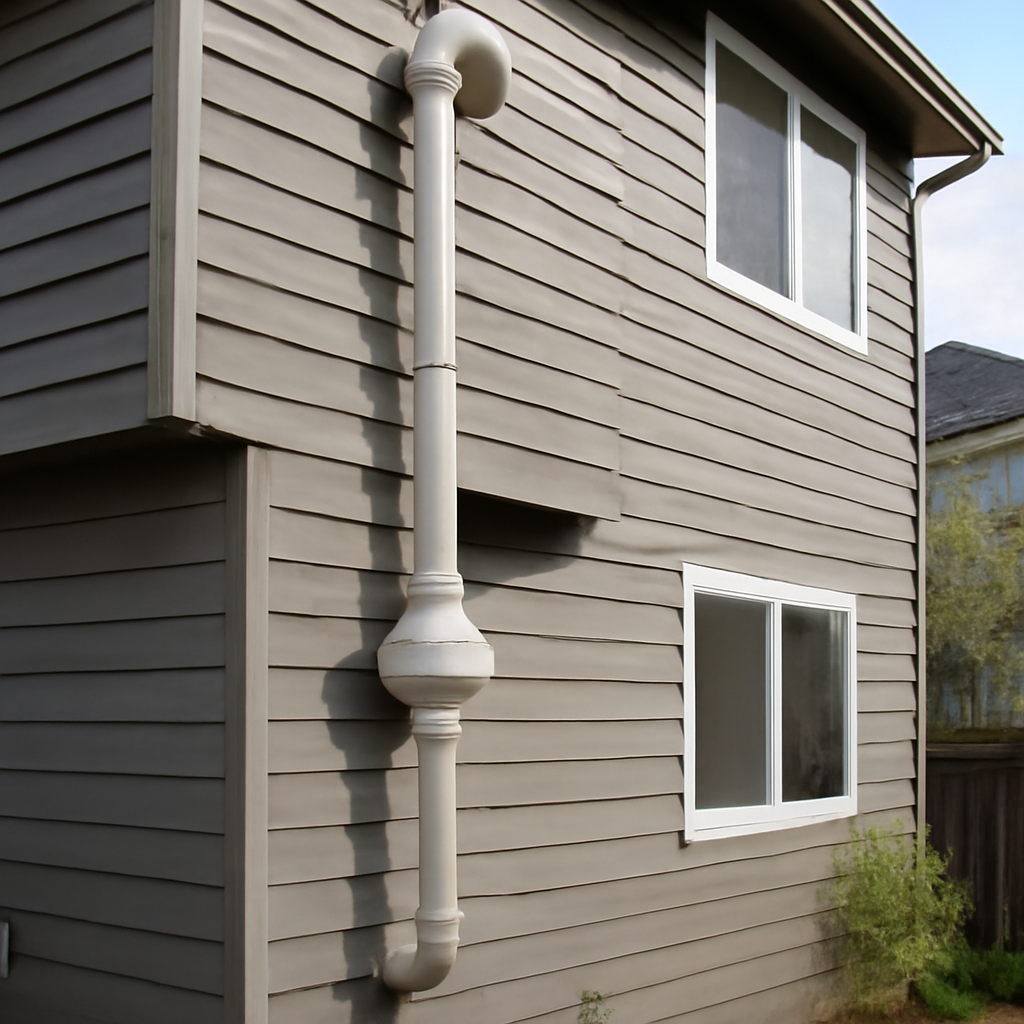
Radon mitigation in Loveland is the work of reducing an elevated indoor radon level back below the EPA’s 4 pCi/L action threshold, typically with a sub-slab depressurization system. Loveland sits in EPA Radon Zone 1, the highest-risk category, and at roughly 5,000 feet in Larimer County its cold, sealed winters concentrate soil gas in basements and crawl spaces. Radon is a colorless, odorless radioactive gas and the second-leading cause of lung cancer after smoking. This page explains how radon mitigation loveland homeowners should approach a high reading, how systems work, what they cost, and how to choose a contractor. This summary reflects EPA and CDPHE guidance current as of 2026; consult a certified professional for mitigation decisions.
Part of our Radon Mitigation Systems guide — start there for the full picture →
Radon mitigation in Loveland: what to know
Radon mitigation lowers indoor radon, most commonly through active sub-slab depressurization (ASD): a contractor seals a suction point in the basement slab or crawl space, runs a vent pipe up through or alongside the home, and adds an inline fan that pulls soil gas from beneath the foundation and exhausts it above the roofline before it can enter living space. A properly installed system routinely brings even high readings well below 4 pCi/L.
Mitigation follows testing. You confirm an elevated level first, then mitigate, then re-test to verify the system worked. If you have not yet tested, start with our radon testing in Loveland page; for the broader science and system types, the plain-language radon guide for Front Range homeowners covers the fundamentals.
The design depends on the foundation. A full basement, a crawl space, a slab-on-grade, or a mixed foundation each calls for a different suction strategy, and Loveland’s older Downtown and Old Town homes often have foundations that need a customized approach compared with the clean slabs of newer east-side builds. A good contractor diagnoses the foundation and airflow before quoting, rather than applying a one-size template.
Why Loveland homes need mitigation
Zone 1 geology is the reason elevated readings are common here. The Front Range’s uranium-bearing soils release radon readily across Larimer County, and homes with basements and crawl spaces sit in direct contact with that source. When a Loveland test comes back at or above 4 pCi/L, mitigation is the established response, and given the local risk profile, high readings are far from rare.
Elevation and climate make mitigation more, not less, important. At about 5,000 feet, Loveland’s long cold winters keep homes sealed and furnaces running, which draws soil gas indoors and lets radon accumulate in lower levels for months at a time. A finished basement used as a bedroom or office is both the highest-radon and highest-occupancy space, which is exactly why reducing the level there protects the people most exposed. Sealed-winter concentration is a genuine local driver, not an abstraction.
Housing variety shapes the install. Older Downtown and Old Town homes may have rubble or fieldstone foundations, multiple slab pours, or crawl spaces that complicate suction and require crawl-space membrane systems. Newer developments around Centerra, The Lakes at Centerra, and Seven Lakes typically have single clean slabs that suit a straightforward sub-slab system, though their tight construction means radon concentrates efficiently once it enters. Either way, a mitigation system sized and sealed to the specific foundation is what reliably drops the number.
What a Loveland radon mitigation system covers
A standard active sub-slab depressurization install follows a sequence built around the home’s foundation and airflow.
Suction point, piping, and fan
The contractor cuts a suction point through the slab (or installs a crawl-space membrane with a suction pit), seals visible slab cracks and openings, and runs PVC vent piping up through the home or along the exterior to discharge above the roofline. An inline fan, mounted in an attic or outside, maintains continuous negative pressure beneath the slab so soil gas is captured before it enters.
Sealing, monitoring, and verification
Sealing slab cracks, control joints, and the sump cover improves system efficiency. A visible manometer (a U-tube pressure gauge) on the pipe lets the homeowner confirm the fan is running. After installation, a follow-up radon test, ideally a few days under closed-house conditions, verifies the level dropped below 4 pCi/L. Re-testing is the step that proves the system actually works rather than just assuming it does.
Radon mitigation cost in Loveland
A typical active sub-slab depressurization system in the Loveland market runs about $1,200 to $2,500, with most straightforward basement installs landing near the middle of that range. Price depends on foundation type, the number of suction points needed, pipe routing, and whether the homeowner wants interior or exterior piping for appearance.
Crawl spaces and complex older foundations cost more. An Old Town home needing a crawl-space membrane system, multiple suction points, or work around a rubble foundation can push toward or past the top of the range. Newer single-slab homes around Centerra are usually at the lower, simpler end. Confirmatory post-mitigation testing is sometimes included and otherwise costs the price of a short-term test.
Against the health stakes, mitigation is a strong value. A roughly $1,500 system that takes a basement from 8 pCi/L down to below 2 pCi/L cuts radon exposure by 90 percent or more for as long as the family owns the home, and the running cost is just a small fan and slightly more conditioned air. For a Zone 1 city like Loveland, that is among the most cost-effective health investments a homeowner can make.
Colorado regulations and disclosure
Colorado now regulates radon professionals: as of recent state rules, individuals performing radon mitigation are required to hold a state radon mitigation license, a meaningful change from the long-standing no-license norm for home inspectors. A Loveland homeowner should confirm a contractor holds the appropriate Colorado credential and follows AARST mitigation standards, and should ask to see proof rather than take it on faith.
Mitigation feeds disclosure in a sale. Colorado’s Seller’s Property Disclosure asks sellers to report known radon results and any existing mitigation system, so a documented post-mitigation test and the system’s presence become part of the transaction record. A seller who mitigated and has the verification test in hand can present a clean result, while a buyer encountering an elevated reading during the inspection objection period can negotiate a mitigation credit or ask the seller to install a system before closing.
Neighborhoods and areas served
Radon mitigation serves all of Loveland, with installs ranging from straightforward basement systems in newer Centerra, The Lakes at Centerra, and Seven Lakes homes to more involved crawl-space and complex-foundation work in Downtown, Old Town, and Mariana Butte. The Zone 1 designation applies citywide, so any neighborhood can produce a reading that warrants a system.
Service typically extends to adjacent Fort Collins, Berthoud, Windsor, and Johnstown, all in the same Larimer-area Zone 1 footprint with the same sealed-winter concentration pattern. A homeowner mitigating a high basement reading in Loveland and one doing the same in Windsor face the same fundamental engineering, capture soil gas beneath the slab and exhaust it above the roof, adapted to each home’s foundation.
How to choose a Loveland radon mitigation contractor
Confirm the contractor holds the required Colorado radon mitigation license and follows AARST installation standards. Ask how they diagnose the foundation before quoting, whether the quote includes sealing slab cracks and the sump cover, and whether post-installation verification testing is part of the price, a reputable contractor re-tests to prove the system brought the level below 4 pCi/L.
Get the system specifics in writing: suction-point locations, interior versus exterior piping, fan model and warranty, and the guaranteed post-mitigation level (many guarantee below 4 pCi/L, some below 2). Coordinating mitigation alongside a home inspection in Loveland during a purchase keeps the radon fix and the broader condition assessment on one timeline ahead of closing.
Finally, ask about the manometer and ongoing operation, the gauge should remain visible so you can confirm the fan is working, and the contractor should explain how to read it. A contractor who diagnoses carefully, installs to standard, verifies with a re-test, and explains the system plainly is worth more than the lowest bid that skips verification.
References
- Consumer’s guide to radon reduction — U.S. Environmental Protection Agency
- Colorado radon program and licensing — Colorado Department of Public Health and Environment
- Radon and lung cancer risk — Centers for Disease Control and Prevention
Frequently asked questions
How much does radon mitigation cost in Loveland?
A typical active sub-slab depressurization system runs about $1,200 to $2,500. Straightforward newer-home basements sit near the middle, while crawl spaces and complex older foundations in Old Town can cost more.
How does a radon mitigation system work?
A fan-powered sub-slab depressurization system seals a suction point in the slab, runs a vent pipe up and out above the roofline, and continuously pulls soil gas from beneath the foundation before it enters the home.
Do you need a license for radon mitigation in Colorado?
Yes. Colorado now requires a state radon mitigation license for individuals performing mitigation. Confirm your contractor holds the credential and follows AARST installation standards before hiring.
Do I need to re-test after mitigation?
Yes. A post-installation radon test under closed-house conditions verifies the system brought the level below 4 pCi/L. Re-testing proves the system works rather than assuming it does.
Got a Loveland radon test at or above 4 pCi/L and need a licensed mitigation contractor? Reach out through our contact page to connect with a vetted local professional who installs to standard and verifies the result.
Test your home for radon
Radon is invisible and odorless, so a test is the only way to know your level. A short-term kit gives a first reading in days; a digital monitor tracks it over time.
| Product | Why | Buy |
|---|---|---|
 AirChek Charcoal Radon Test Kit AirChek Charcoal Radon Test Kit | Lab fee usually included; EPA short-term protocol. | Amazon — $21.95 |
 First Alert RD1 Radon Test Kit First Alert RD1 Radon Test Kit | Widely stocked; 48-hour charcoal test. | Amazon — $16.98 |
 Airthings Corentium Home Airthings Corentium Home | Digital monitor with a long-term average. | Amazon — $142.99 |