Radon Mitigation in Teller County, Colorado
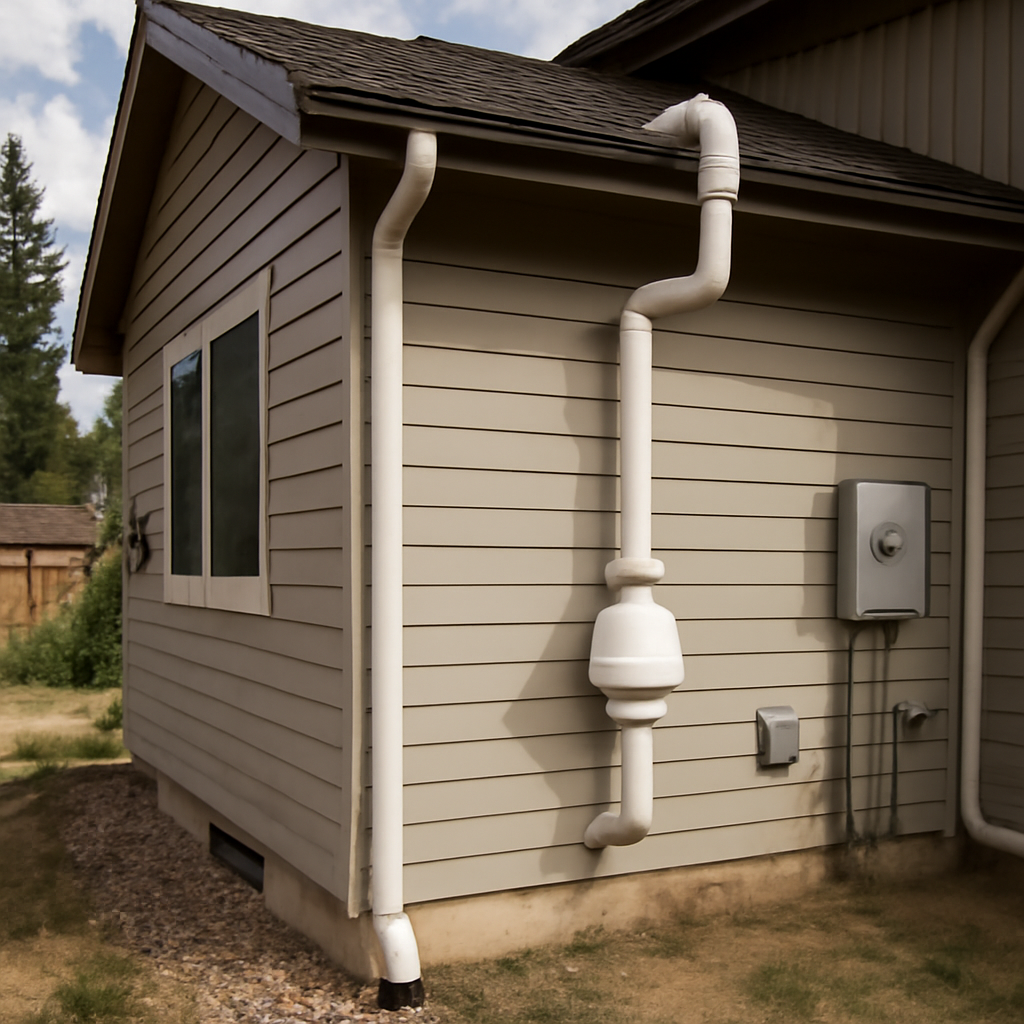
Radon mitigation teller county homeowners look for once a test comes back at or above 4 picocuries per liter (pCi/L), the EPA action threshold. Mitigation is the engineered fix that lowers indoor radon, and in Teller County it has to account for mountain realities: fractured granite, crawlspace foundations, private wells, and homes sealed tight against long winters. The county runs from Woodland Park, the “City Above the Clouds,” south through Divide and Florissant to the historic Cripple Creek and Victor gold district, between roughly 8,000 and 10,000 feet. This page is a county-level hub covering how mitigation works here, what it costs, and how to act. This summary reflects EPA and CDPHE guidance current as of 2026; consult a certified professional for mitigation decisions and your physician for health questions.
Part of our Radon Mitigation Systems guide — start there for the full picture →
Radon mitigation in Teller County: what to know
Radon mitigation lowers the indoor concentration of radon gas, most often with an active soil depressurization system: a fan and vent pipe that draw soil gas from beneath the foundation and exhaust it above the roofline before it can enter the home. Because Teller County is EPA Radon Zone 1, where predicted indoor levels exceed the action threshold, mitigation is a common outcome of testing here rather than a rare one.
The right system depends on the foundation. A Woodland Park home with a poured basement slab is mitigated differently from a Divide cabin over a vented crawlspace, and a property drawing high-radon well water may need a water treatment system in addition to soil depressurization. A certified mitigator designs to the specific house, then re-tests to confirm the result, because the goal is a verified low number rather than just an installed fan.
For the fundamentals of how mitigation systems work and what to expect, our plain-language radon guide for Front Range homeowners covers the basics. This page stays focused on the Teller County picture — granite geology, crawlspaces, and well water — and how mitigation is approached on a mountain property.
Why Teller County homes need radon mitigation
Geology makes high readings common. Teller County sits on fractured Pikes Peak granite, and the Cripple Creek and Victor mining district adds uranium-bearing mineralized rock. Fractures give radon easy upward pathways into crawlspaces and basements, so a larger share of homes here test above the action level than in a sediment-floored suburb, which means mitigation is a frequent next step after testing.
Foundation type shapes the fix. Many Teller County properties sit over vented or unvented crawlspaces rather than full basements, which calls for a sealed sub-membrane depressurization system — a sealed liner over the crawlspace floor with a vent and fan drawing soil gas from beneath it. Cabins on partial or rubble foundations need careful sealing of the many entry points before a fan can pull an effective vacuum, a more involved job than a clean slab.
Well water and sealed winters add complications. Granite groundwater can carry dissolved radon, so a home that stays high after soil depressurization may need aeration or granular-activated-carbon treatment on the water supply. And because Teller County homes seal up tight and run wood stoves through long winters, the depressurization a stove can cause makes a properly designed mitigation system more important for keeping soil gas out during the heating season.
What a Teller County radon mitigation system covers
A mitigation project follows a sequence from diagnosis to verified result. The mitigator assesses the foundation, designs the system, installs it, and re-tests to confirm the reading has dropped below the action level.
Soil depressurization, sized to the foundation
For a basement or slab, the system places a suction point through the slab into the aggregate or soil beneath, connected to a vent pipe routed up and out above the roof, with an inline fan creating continuous negative pressure. For a crawlspace, a sealed membrane over the floor becomes the surface the system depressurizes. The design accounts for the fractured granite below, which can demand more suction points than a uniform soil base.
Sealing, water treatment, and verification
Sealing foundation cracks, sump openings, and crawlspace penetrations improves system performance by limiting where soil gas and conditioned air leak. Where well-water radon is the driver, a water treatment unit addresses that pathway separately. A post-installation test then confirms the indoor level has fallen below 4 pCi/L, which is the measure of a successful Teller County mitigation.
Radon mitigation cost in Teller County
A typical active soil depressurization system in the Teller County market runs about $1,500 to $3,000 for a standard home, with the higher end reflecting crawlspace sub-membrane work, multiple suction points needed on fractured granite, and drive time up Ute Pass to remote properties. Cabins with complex or partial foundations that need extensive sealing sit toward the top of that range, and well-water radon treatment is a separate cost when required.
Against the long-term lung-cancer risk that mitigation addresses, and the modest ongoing cost of running a small fan, a one-time system is a sound investment. Many Teller County buyers negotiate mitigation into a purchase after a high test result, and a documented, certified installation adds value and disclosure clarity at resale.
Colorado regulations and disclosure
Colorado requires radon mitigation professionals to be state-certified, and the Colorado Department of Public Health and Environment maintains program guidance covering installation standards. A compliant system meets national mitigation standards for fan placement, exhaust routing above the roofline, and a system-monitoring gauge that lets a homeowner confirm the fan is working. For real-estate transactions, Colorado’s Seller’s Property Disclosure asks about radon mitigation systems, so documentation matters.
Because the disclosure framework treats a mitigation system as a material feature, keeping the installation paperwork and the post-mitigation test result protects a Teller County seller and reassures a buyer. A certified installation with a verification test carries weight if radon becomes a negotiation point on a Woodland Park or Cripple Creek property.
Communities and areas served across Teller County
Mitigation need is county-wide because the granite geology underlies all of it. Woodland Park, the largest town, has the most basements and finished lower levels where soil depressurization is the standard fix. Divide and Florissant, rural and well-served, more often need crawlspace sub-membrane systems plus attention to well-water radon. The Cripple Creek and Victor mining district sits over the most uranium-rich rock, where both the geology and older foundations make mitigation common after testing. Homeowners typically reach this stage after a test through our county page on radon testing in Teller County.
Coverage extends to Green Mountain Falls near the El Paso County line and to remote parcels across the Pikes Peak west slope. Because El Paso County shares the Zone 1 status and similar mountain geology, homeowners near the line can also reference our nearby work on radon mitigation in Colorado Springs. Across Teller County, the same crawlspace where a mitigation membrane goes is often where moisture and mold concerns live, so the two are frequently addressed together.
How crawlspaces and granite change the design
Teller County’s mix of crawlspace foundations and fractured granite makes mitigation more design-driven than a standard slab job. A vented crawlspace cannot simply be depressurized through a single slab suction point; it needs a sealed membrane over the soil to create a surface the fan can pull a vacuum against. Sealing that membrane well, around piers, walls, and utility penetrations, is what determines whether the system actually lowers the number.
Fractured rock affects suction. Where a uniform gravel base under a slab lets one suction point depressurize a wide area, fractured granite can channel airflow unpredictably, sometimes requiring an additional suction point or a larger fan to achieve consistent negative pressure across the footprint. A mitigator experienced with Pikes Peak geology designs for that variability rather than assuming a textbook single-point layout will work.
Exhaust routing in snow country adds a practical detail. The vent must terminate above the roofline and away from windows, and in a county that holds deep snow for months, the exhaust placement has to stay clear of drifts and ice. A system designed for Teller County’s snow load and cold keeps running reliably through the very winters when sealed homes concentrate radon most, which is exactly when the system matters most.
Living with a mitigation system in Teller County
A radon mitigation system is not a one-time event but a permanent fixture a homeowner lives with, and Teller County’s conditions shape that ongoing relationship. The system’s fan runs continuously, drawing a modest amount of electricity, and its monitoring gauge — usually a simple U-tube manometer on the vent pipe — lets the owner confirm at a glance that the fan is still pulling a vacuum. A glance at that gauge each season is the main maintenance most Woodland Park or Divide homeowners ever need to perform.
Mountain weather tests the install over time. Heavy snow loads on the roof, ice buildup near the exhaust, and deep cold all stress an exterior fan and vent, so a system designed for the climate uses cold-rated components and routes the exhaust where drifts and meltwater will not interfere. A homeowner who clears snow away from a roof-adjacent exhaust and watches for ice damming protects the system through the very winters when sealed homes need it most, when radon would otherwise concentrate to its annual peak.
Verification re-testing closes the loop. After installation, a post-mitigation test confirms the indoor level has dropped below the action threshold, but periodic re-testing every couple of years confirms the system keeps performing as the home ages. Fractured granite can shift the soil-gas pathways over time, a fan can wear, and freeze-thaw can open new entry points, so a Teller County homeowner who re-tests occasionally keeps the assurance the original installation provided rather than assuming a fan installed years ago is still doing its job.
How to choose a Teller County radon mitigation provider
Confirm the mitigator is Colorado-certified, designs to your specific foundation type, and re-tests after installation to verify the result. Ask how they handle crawlspaces and whether they can address well-water radon, since both are common here. A provider who explains the granite-and-mining geology and the snow-country exhaust considerations understands the local conditions rather than applying a generic template.
For a purchase, coordinating mitigation planning with the inspection and radon test gives a clear path from a high reading to a verified fix before a deadline. That coordinated approach fits Teller County’s mountain housing and the practical difficulty of scheduling multiple trips to a remote property during a contingency window.
The bottom line for Teller County is that mitigation here is design work, not a catalog purchase. Fractured granite, crawlspace foundations, private-well water radon, and deep-snow exhaust routing all push the system away from a one-size template, so the value lies in a mitigator who reads the specific Woodland Park or Cripple Creek property and then proves the result with a post-installation test rather than trusting that a fan alone solved the problem.
References
- Consumer’s guide to radon reduction — U.S. Environmental Protection Agency
- Colorado radon program and mitigation guidance — Colorado Department of Public Health and Environment
- Radon and lung cancer risk — Centers for Disease Control and Prevention
Frequently asked questions
How does radon mitigation work on a Teller County crawlspace home?
Crawlspace homes use sub-membrane depressurization: a sealed liner over the soil with a vent and fan drawing soil gas from beneath it and exhausting above the roof. Sealing the membrane well around piers and penetrations is what makes it effective.
Do I need to treat my well water for radon too?
Possibly. Granite groundwater across Teller County can carry dissolved radon. If a home stays high after soil depressurization, the water supply may need aeration or carbon treatment as a separate fix.
How much does radon mitigation cost in Teller County?
A standard active system typically runs $1,500 to $3,000, with crawlspace membranes, multiple suction points on fractured granite, and drive time up Ute Pass pushing remote or complex jobs higher. Well-water treatment is separate.
Is a mitigation system reliable through the mountain winter?
Yes, when designed for snow country. The exhaust is routed above the roofline and clear of drifts, and the continuous fan keeps soil gas out through the long sealed winters that otherwise concentrate radon in Woodland Park and Divide homes.
A high radon reading in Teller County’s granite country calls for an engineered fix, not a guess. To connect with a Colorado-certified radon mitigation professional and verify your home is below the action level, get in touch through our contact page.
Test your home for radon
Radon is invisible and odorless, so a test is the only way to know your level. A short-term kit gives a first reading in days; a digital monitor tracks it over time.
| Product | Why | Buy |
|---|---|---|
 AirChek Charcoal Radon Test Kit AirChek Charcoal Radon Test Kit | Lab fee usually included; EPA short-term protocol. | Amazon — $21.95 |
 First Alert RD1 Radon Test Kit First Alert RD1 Radon Test Kit | Widely stocked; 48-hour charcoal test. | Amazon — $16.98 |
 Airthings Corentium Home Airthings Corentium Home | Digital monitor with a long-term average. | Amazon — $143.65 |