Radon Mitigation in Fort Collins, CO | InspectandTest
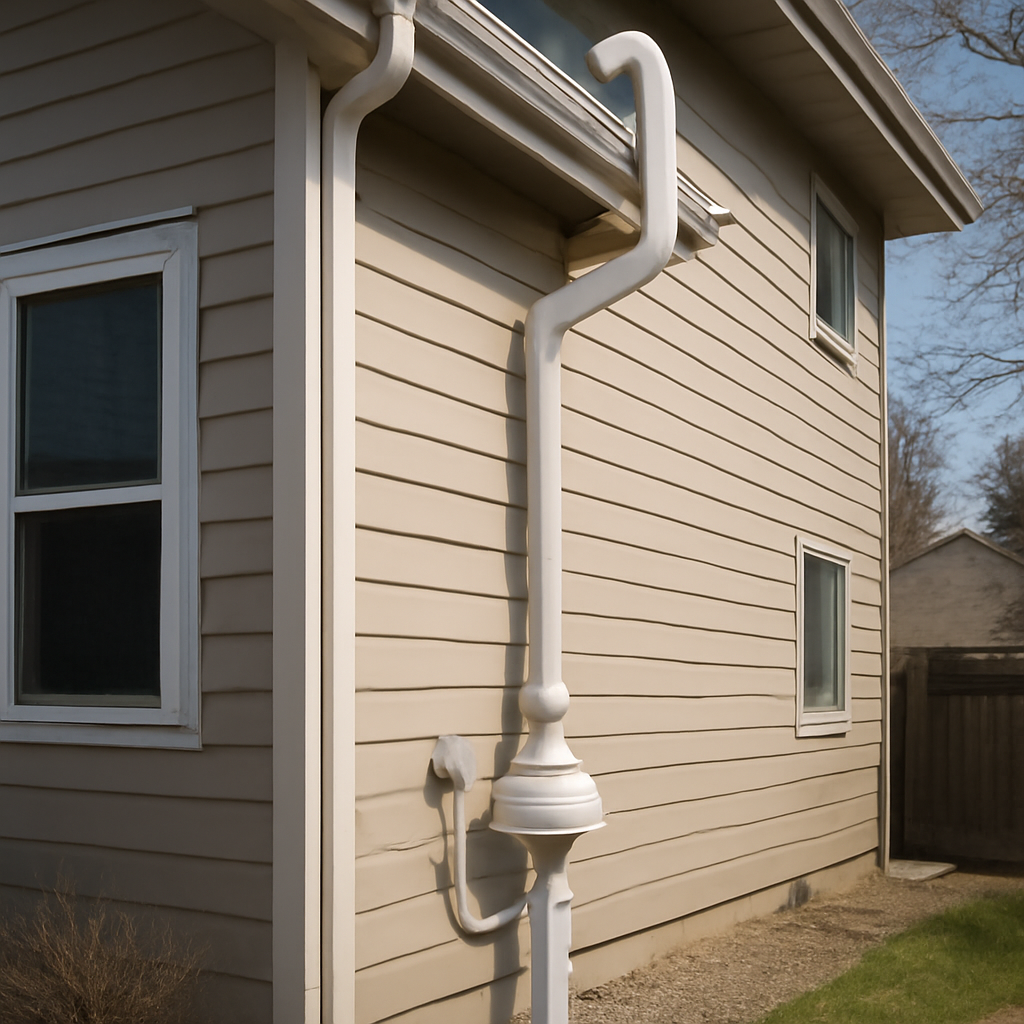
When a Fort Collins radon test comes back above the 4 pCi/L action level, the next step is mitigation. Radon mitigation in Fort Collins installs a system that pulls the radioactive gas out from under the foundation and vents it safely above the roofline, lowering indoor levels to a safe range. It matters here because Larimer County sits in EPA Radon Zone 1, the highest-risk designation, and many local homes test high enough to warrant a fix. This guide explains how mitigation systems work, why local housing and geology make them common, what installation costs in the Fort Collins area, and how to choose a qualified installer. This summarizes EPA and CDPHE guidance current as of 2026; use a certified professional for installation.
Part of our Radon Mitigation Systems guide — start there for the full picture →
Radon mitigation in Fort Collins: what to know
The most common and effective system is active sub-slab depressurization. An installer cuts a hole through the basement slab, runs a pipe into the soil beneath the foundation, and connects it to a continuously running fan. The fan creates suction under the slab, capturing radon before it can enter the home and venting it through a pipe that exits above the roof.
A properly designed system reliably brings most homes below the 4 pCi/L action level. After installation, a follow-up radon test confirms the system is working. CDPHE administers Colorado’s radon program and points homeowners to certified mitigation professionals; EPA guidance backs the sub-slab approach as the standard method.
Not every home is the same, and the right design depends on the foundation. A home built on a solid slab with good sub-slab gravel is the most straightforward to mitigate, because the fan can pull suction evenly across the whole footprint from a single point. A home with a crawlspace, a poured-in-place basement with little gravel beneath it, or multiple foundation types from additions over the years may need more than one suction point or a sealed membrane. An experienced Fort Collins installer diagnoses the foundation first, then designs the system around it rather than applying a one-size template.
Types of radon systems used in Fort Collins
Active sub-slab depressurization is the workhorse, but it comes in variations. The system can be routed through the interior of the home, hiding the pipe in a closet or mechanical chase and exiting through the roof, which many Fort Collins homeowners prefer for appearance. Alternatively the pipe runs along the exterior wall to a point above the eave, which is often cheaper and easier to install. Both work; the choice is about cost and aesthetics.
Homes with a crawlspace typically need a sub-membrane system, where a heavy plastic sheet is sealed over the crawlspace floor and the fan draws radon from beneath it. Homes with a sump pit can have the pit sealed and tied into the suction, which handles both radon and the moisture the sump manages. Passive systems, sometimes roughed into newer Fort Collins builds, rely on natural stack effect without a fan; if a passive system tests high, adding an inline fan converts it to an active system that performs reliably. For the mechanics of the core approach, see our guide to sub-slab radon mitigation systems.
Why Fort Collins homes need mitigation
The uranium-bearing soils of the Front Range give Larimer County its Zone 1 status, so elevated radon is widespread rather than rare. Because levels vary house to house, a home can test high even when neighbors are low.
Local housing patterns concentrate the problem. Old Town homes built before the 1920s have foundations with cracks and openings that let soil gas in, and retrofitting mitigation into a stone or block foundation takes experience. New builds north and east are sealed tightly for energy efficiency, reducing the air exchange that would dilute radon and letting it accumulate. Finished basements, common throughout Fort Collins, put living space in the lowest, highest-radon level of the home, which raises occupant exposure and makes mitigation more urgent. Winter compounds it, since closed-up homes trap radon at peak concentrations during the heating season.
Mitigation only follows a confirmed high reading. If you have not yet measured your home, the radon program at CDPHE and the broader picture in our radon testing guide for Front Range homeowners explain how testing leads to a fix.
What a Fort Collins mitigation system covers
A typical active sub-slab installation includes:
- A suction point cut through the basement slab into the soil or gravel below.
- PVC piping routed from the suction point up through the home or along the exterior to a point above the roofline.
- An inline radon fan, usually mounted in the attic or outside, running continuously.
- A manometer, a simple U-tube gauge that shows the system is pulling suction.
- Sealing of foundation cracks, sump pits, and other openings to improve performance.
- A post-installation radon test to confirm levels dropped below 4 pCi/L.
Homes with a sump pit or crawlspace need a tailored approach, such as a sealed sump lid or a crawlspace membrane connected to the suction. Mitigation only follows a confirmed high reading, so if you have not measured yet, start with our guide to radon testing in Fort Collins.
Radon mitigation cost in Fort Collins
A standard active sub-slab system in the Fort Collins area generally runs from about $1,200 to $2,500 installed. Simple basements with an easy interior pipe route sit at the lower end. Homes that need exterior routing, multiple suction points, crawlspace work, or work around a stone Old Town foundation cost more.
Ongoing cost is modest: the fan uses a small amount of electricity and may need replacement every 5 to 10 years, typically a few hundred dollars. Ask whether the quote includes the confirmation test and a warranty guaranteeing the system will reach below 4 pCi/L.
Mitigation is a one-time investment that pays off in two ways. It removes a documented health risk that the EPA links to lung cancer, and in a Zone 1 county where buyers increasingly expect radon to be addressed, it can be a selling point rather than a liability when you list the home. Be skeptical of a quote far below the others, since an underpriced job often skimps on sealing or undersizes the fan, leaving a system that runs without actually reducing levels enough. The right benchmark is not the lowest price but a properly sized system, thorough sealing, an included confirmation test, and a warranty, all from a certified installer.
What to expect during installation in Fort Collins
A typical residential installation takes most of a day. The crew locates the best suction point, often in a corner of the basement, cores a hole through the slab, and excavates a small pit beneath it to improve airflow under the foundation. They run the PVC pipe up through the home or out the wall, mount the inline fan in the attic or outside, and seal the slab penetration along with any visible foundation cracks and the sump pit. The manometer is installed on the pipe so you can see at a glance that the fan is pulling suction.
After installation, the system runs continuously and a confirmation radon test follows, usually after the home has been closed up for the required period. A reputable Fort Collins installer will not consider the job finished until that test shows the level below 4 pCi/L, and a good warranty backs that promise. Maintenance afterward is minimal: glance at the manometer occasionally to confirm the fan is working, and plan to replace the fan once a decade. If you ever remodel the basement or add to the home, mention the radon system to your contractor so the work does not disturb it. Understanding the cost drivers ahead of time helps; our guide to radon mitigation installation cost breaks them down.
Fort Collins regulations and disclosure
Colorado requires radon disclosure in residential real-estate transactions and lists radon on the Seller’s Property Disclosure, so an installed mitigation system must be disclosed to a buyer, generally as a selling point. Colorado does not license home inspectors, and radon mitigation professionals should hold certification through a recognized national radon program.
In pre-1978 Old Town homes, cutting into a slab or routing pipe can disturb older materials, so be aware of lead-paint and asbestos considerations; CDPHE Regulation 8 governs asbestos before renovation. A good installer will note these older-home factors when planning the route before any work begins.
Neighborhoods and areas served
Mitigation installers serving Fort Collins commonly cover Old Town, Midtown, the Harmony corridor, Campus West, and the newer subdivisions north and east. Service usually extends to Loveland, Timnath, Wellington, and Windsor in Larimer County. An installer who knows the local stock can plan a clean pipe route through a sealed new build or work carefully around an older downtown foundation.
Local experience shows up in the details of the install. In an Old Town home with a stone or rubble foundation, the installer has to find a workable suction point and seal a less-than-perfect slab, which takes more skill than a clean modern basement. In a Harmony-corridor new build, the installer may be able to tap into a passive vent pipe the builder already roughed in, turning it active with a fan at lower cost. In homes with a finished basement, routing the pipe discreetly so it does not run through a living space takes planning. An installer who works Fort Collins regularly has seen all of these situations and can quote a realistic price and timeline rather than discovering complications mid-job.
How to choose a Fort Collins mitigation installer
Hire a certified radon mitigation professional and ask to see proof of certification. Confirm the system is active sub-slab depressurization with a continuously running fan and a manometer, the configuration EPA recognizes as standard.
Ask whether the installer guarantees a post-installation level below 4 pCi/L and includes the confirmation test in the price. Request references for homes similar to yours, since a finished basement, a crawlspace, and an Old Town stone foundation each call for different techniques. A clear, itemized quote that names the system type, the fan model, the pipe route, and the included confirmation test tells you the installer has thought the job through.
Get the warranty and the guarantee in writing. A reputable installer commits to bringing the home below 4 pCi/L and stands behind the system and fan for a stated period. Beware of a quote that is far below the others, since cutting corners on sealing or fan sizing produces a system that runs but does not actually reduce levels enough. Ask how the installer will route the pipe and where the fan will sit, so there are no surprises about appearance. Finally, confirm that the post-installation confirmation test is included, because a system is only proven once a fresh radon measurement shows it worked. A good Fort Collins installer treats that confirmation test as the real end of the job, not an optional extra.
References
- Consumer’s Guide to Radon Reduction — U.S. Environmental Protection Agency
- Colorado Radon Program — Colorado Department of Public Health and Environment
- EPA Map of Radon Zones — U.S. Environmental Protection Agency
- About Radon and Health — Centers for Disease Control and Prevention
Frequently asked questions
What radon level requires mitigation in Fort Collins?
The EPA action level is 4 pCi/L, and CDPHE uses the same threshold. A confirmed test at or above 4 pCi/L warrants a mitigation system. Because Larimer County sits in EPA Radon Zone 1, many Fort Collins homes test high enough to need one.
How does a radon mitigation system work?
The standard system is active sub-slab depressurization. A pipe runs from beneath the basement slab to above the roofline, and a continuously running fan pulls radon out of the soil before it enters the home. A follow-up test confirms levels dropped below 4 pCi/L.
How much does radon mitigation cost in Fort Collins?
A standard active sub-slab system generally runs about $1,200 to $2,500 installed. Exterior routing, multiple suction points, crawlspace work, or an older stone foundation raise the cost. The fan uses little electricity and may need replacement every 5 to 10 years.
Does a mitigation system help or hurt resale?
It generally helps. Colorado requires radon disclosure, and an installed system reassures buyers that a known hazard has been addressed. Keep the post-installation test result and any warranty paperwork to show the system reached below the 4 pCi/L action level.
If a Fort Collins radon test came back high and you want a certified installer who guarantees results below the action level, get in touch through our contact page and we will connect you with a vetted Larimer County professional.
Test your home for radon
Radon is invisible and odorless, so a test is the only way to know your level. A short-term kit gives a first reading in days; a digital monitor tracks it over time.
| Product | Why | Buy |
|---|---|---|
 AirChek Charcoal Radon Test Kit AirChek Charcoal Radon Test Kit | Lab fee usually included; EPA short-term protocol. | Amazon — $21.95 |
 First Alert RD1 Radon Test Kit First Alert RD1 Radon Test Kit | Widely stocked; 48-hour charcoal test. | Amazon — $16.98 |
 Airthings Corentium Home Airthings Corentium Home | Digital monitor with a long-term average. | Amazon — $147.14 |