Lead Testing in Fort Collins, CO | InspectandTest
Lead exposure is most dangerous for young children, and the highest risk in Fort Collins sits in the city’s oldest homes. Lead testing in Fort Collins checks paint, dust, soil, and sometimes water for lead, which was common in housing built before the 1978 federal ban on lead-based paint. It matters here because Old Town and the large stock of CSU-era rentals predate that ban, and decades of repainting and remodeling have spread lead dust through many of these properties. This guide covers the testing methods, why local housing raises the risk, what it costs, and the disclosure rules that apply. This summarizes EPA, CDC, and HUD guidance current as of 2026; consult a certified professional for testing decisions.
Asbestos or biohazard concern? Speak with a certified contractor.
📞 Call (877) 742-8496Lead testing in Fort Collins: what to know
Lead in homes comes mainly from deteriorating lead-based paint, the dust it creates, contaminated soil near old painted exteriors, and sometimes old plumbing. The hazard is greatest for children under six and pregnant women, because lead harms the developing nervous system even at low levels, which is why CDC sets no safe blood-lead threshold.
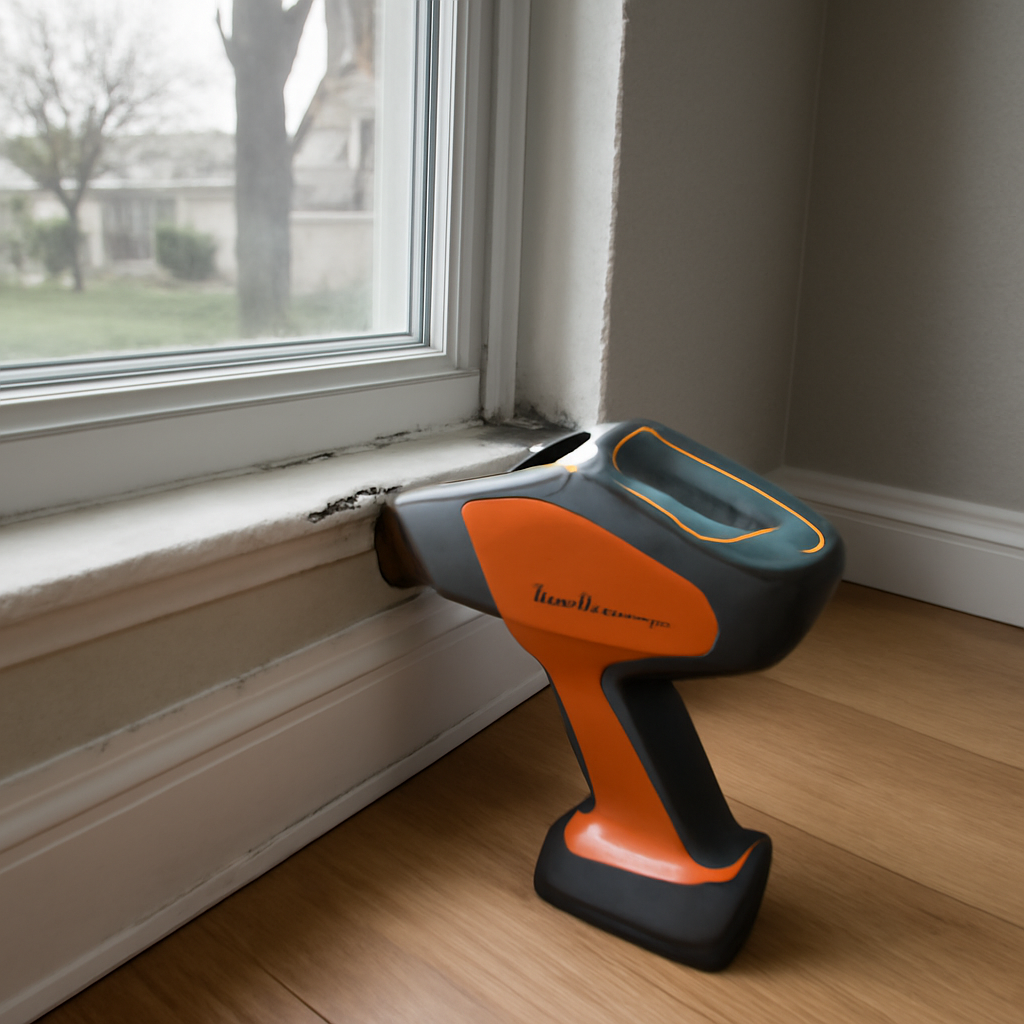
Testing takes several forms. A certified lead inspector or risk assessor uses an XRF analyzer to read paint in place, collects dust wipe samples from floors and windowsills, samples soil near the foundation, or draws a water sample for lab analysis. In Fort Collins, paint and dust testing matters most for the older housing, while water testing matters where old service lines or fixtures are suspected.
Why the focus on children under six? A young child’s body absorbs lead far more readily than an adult’s, and the developing brain is uniquely vulnerable to it. Children also spend time on the floor and put hands and objects in their mouths, which is exactly how lead-contaminated dust enters the body. Even low-level exposure has been linked to learning and behavioral problems, and the effects are not reversible. That is why families buying or renting an older Fort Collins home, especially near Old Town or the CSU campus, treat lead testing as a basic protective step rather than an optional extra.
How lead gets into a Fort Collins home
The dominant source is old paint, but lead rarely stays put as a tidy painted surface. It becomes a hazard as it ages and deteriorates. On windows and doors, the constant friction of opening and closing grinds painted surfaces into fine dust that settles on sills and floors, which is why these high-friction areas are the highest-risk spots in an older home. Chipping, peeling, and chalking paint on walls, trim, and porches creates chips and dust a child can ingest.
Soil is an underappreciated source. For a century, exterior lead paint on older Fort Collins homes has weathered and flaked off, concentrating lead in the soil along the drip line and where children play. Renovation is another major pathway: sanding, scraping, or demolishing old painted surfaces can spread lead dust through an entire house in hours if lead-safe practices are not followed. Old plumbing, including lead solder and brass fixtures, can also leach lead into drinking water, though this is less common than paint and dust. A risk assessment looks at all of these pathways to find where exposure is actually most likely. For water specifically, our guide to testing for lead in water walks through the process.
Why Fort Collins homes have lead risk
Age drives the risk. Old Town Fort Collins includes homes built before the 1920s, and the broader pre-1978 inventory across Midtown and Campus West was built when lead paint was standard. The older the home, the higher the likelihood and concentration of lead paint, especially on high-friction surfaces like windows and doors that grind out lead dust each time they move.
The CSU rental market raises the stakes further. Many older rentals near campus have been repainted repeatedly without proper lead-safe practices, and turnover renovations can disturb old paint layers. Families with young children renting or buying these homes face the most exposure. Even well-maintained pre-1978 homes can harbor lead under newer paint, where chipping and friction eventually expose it.
Because pre-1978 homes that contain lead paint frequently also contain asbestos, many owners test for both before a remodel; our guide to asbestos testing in Fort Collins covers the companion hazard.
What Fort Collins lead testing covers
A professional lead evaluation generally includes:
- Paint testing, often with an XRF analyzer that reads lead content in place without damaging the surface.
- Dust wipe sampling from floors and windowsills, the most common route of exposure for children.
- Soil sampling near painted exteriors and drip lines, where old exterior paint accumulates.
- Water testing where old service lines or fixtures are a concern, with samples sent to a certified lab.
- A written report identifying hazards and recommending controls or abatement.
A risk assessment goes a step beyond a simple inspection by identifying which hazards are most likely to cause exposure and how to address them. For the wider context on older-home hazards, see our pre-1978 housing hazard guide.
What lead testing results mean for your family
A lead inspection report identifies which surfaces and areas contain lead and at what levels, while a risk assessment goes further by ranking the hazards and recommending what to do about each. Not every positive result requires removal. Lead paint that is intact, well maintained, and on a surface that does not see friction can often be managed in place by keeping it sealed and in good repair. The hazards that demand action are deteriorating paint, lead dust on floors and sills, and bare contaminated soil where children play.
Controls range from simple to extensive. Interim controls include repainting deteriorated surfaces with proper preparation, specialized cleaning to remove lead dust, and covering contaminated soil. Permanent abatement, such as replacing old windows or fully removing lead paint, costs more but eliminates the hazard. Whatever the approach, the work must follow lead-safe practices, because careless removal creates more dust than it eliminates. For renters in CSU-area housing, a report documenting lead hazards is leverage to push a landlord toward proper remediation. To gauge whether a consumer swab kit is worth trying first, our guide to lead check kits explains their limits.
Lead testing cost in Fort Collins
A professional lead paint inspection in the Fort Collins area generally runs from about $300 to $600, depending on home size and number of surfaces tested. A combined inspection and risk assessment costs more. A DIY water test kit runs roughly $20 to $50, while a certified lab water analysis costs more but produces a defensible result.
For families with young children in a pre-1978 home, the cost of testing is small against the value of knowing where the hazards are. Ask whether the quote includes dust wipe lab fees and a written report.
Weigh the cost against what lead exposure can mean for a child. The effects of childhood lead exposure on learning and behavior are not reversible, so the value of identifying and controlling a hazard early is hard to overstate. Testing is also far cheaper than the alternative of discovering a problem after a child’s blood-lead level has already risen. For renters in CSU-area housing, the cost of a focused inspection can be the difference between a vague complaint and documentation that compels a landlord to act. And for buyers, knowing the lead status of a pre-1978 Fort Collins home before closing lets you plan and budget for any controls rather than inheriting a surprise. In every case, the modest testing fee buys clarity about a hazard that is otherwise invisible.
Fort Collins regulations and disclosure
Federal law requires sellers and landlords of pre-1978 housing to provide a Lead-Based Paint Disclosure and the EPA pamphlet to buyers and tenants, and to share any known lead information. The EPA RRP rule requires contractors who disturb painted surfaces in pre-1978 homes to be certified and to follow lead-safe work practices, which is directly relevant to the CSU rental remodel market.
Colorado’s Seller’s Property Disclosure also asks sellers to report known hazardous conditions. Colorado does not license home inspectors, so for lead work look for federal lead inspector or risk assessor certification rather than a state permit. Testing before a renovation keeps you on the right side of these rules.
The RRP rule deserves particular attention in the Fort Collins rental market. It requires that any contractor disturbing painted surfaces in a pre-1978 home be certified in lead-safe work practices, from containment and dust control to cleanup and verification. A landlord who hires an uncertified handyman to scrape and repaint an old rental can create a lead-dust hazard for the next tenant and incur liability. For families, the protection runs the other way: the disclosure rules ensure you receive the federal lead pamphlet and any known lead history before you sign, giving you the chance to test and plan before moving in with young children.
Neighborhoods and areas served
Lead inspectors serving Fort Collins commonly cover Old Town, Midtown, Campus West, and the older established neighborhoods, with the highest demand in the pre-1978 housing. Service usually extends to Loveland, Timnath, Wellington, and Windsor in Larimer County. An inspector who knows local construction eras can focus testing on the surfaces and areas most likely to carry lead.
That focus matters because lead is not spread evenly through a home. The highest-risk spots are predictable: original windows and their sills, door frames, painted porches and railings, and the soil along the drip line of an older home’s exterior. An experienced Fort Collins inspector starts with these high-friction and weathered surfaces, then expands the survey based on what they find. In a CSU-area rental that has been repainted many times, they also look for chipping at the edges where old layers show through. Knowing the local housing means the inspector spends testing effort where exposure is actually likely, giving a family a clear picture of where the real hazards are rather than a scattershot result.
How to choose a Fort Collins lead tester
Hire a certified lead inspector or risk assessor and confirm the certification, since lead work is federally regulated. Ask whether they use an XRF analyzer for paint and an accredited lab for dust and water samples, since the method and the lab determine how reliable and defensible your results will be.
If your main concern is protecting young children, ask for a risk assessment rather than just an inspection, because it prioritizes the hazards most likely to cause exposure. Request a written report you can use for a renovation contractor or a landlord, and ask the inspector to walk you through which hazards are most urgent so you know where to act first.
References
- Protect Your Family From Sources of Lead — U.S. Environmental Protection Agency
- Lead-Based Paint Disclosure Rules — U.S. Department of Housing and Urban Development
- About Childhood Lead Poisoning Prevention — Centers for Disease Control and Prevention
- Lead Exposure and Prevention — Colorado Department of Public Health and Environment
Families and landlords in Fort Collins who want lead testing from a certified professional can reach out through our contact page to connect with a vetted Larimer County inspector.