Pre-Purchase Inspection Greenwood Village | InspectandTest
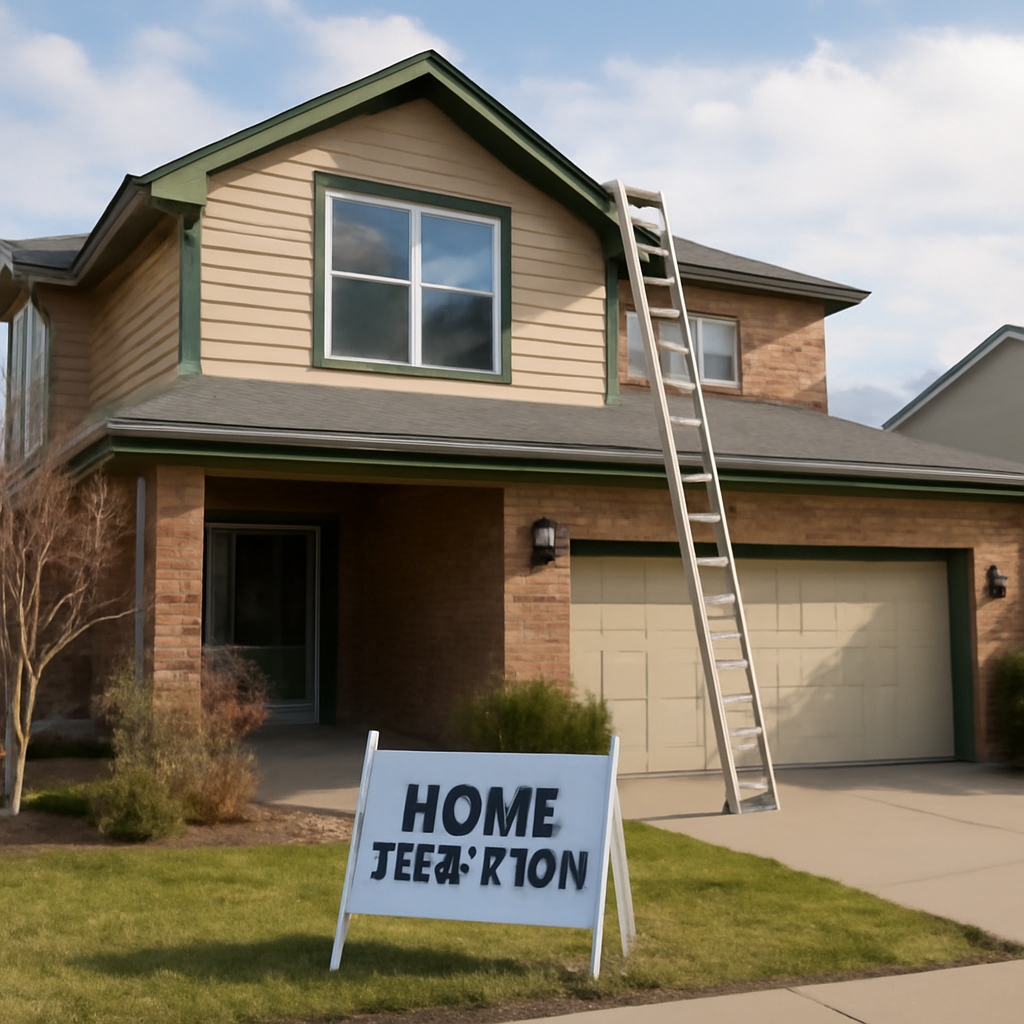
Greenwood Village is an affluent south-metro Arapahoe County community of large 1970s-through-1990s custom homes, deep finished basements, and newer luxury builds, where a purchase often involves a substantial sum and a complex property. A pre-purchase inspection is the contingency-period evaluation that turns a contract into an informed decision, examining a home’s condition before the buyer commits. For a high-value, system-heavy Greenwood Village home, it is the most important due-diligence step a buyer takes. This page explains what pre-purchase inspection greenwood village buyers should expect, why the local housing and stakes matter, and how to get the most from the inspection window.
Pre-purchase inspection in Greenwood Village: what to know
A pre-purchase inspection is a home inspection performed during the contract contingency period, specifically to inform the buyer’s decision and negotiation. The inspector evaluates the home’s major systems and structure and delivers a report the buyer uses to request repairs, negotiate a credit, or, if the problems are serious, exit the contract under the inspection objection deadline.
The defining feature is timing tied to a transaction. The inspection has to happen, and the report has to be digested, inside the contingency window, and in a complex Greenwood Village home that often means scheduling promptly so a thorough evaluation fits before the objection deadline. Our guide to hiring a home inspector explains how to line up the inspection so it fits the contract timeline.
For a substantial Greenwood Village purchase, the pre-purchase inspection is where a buyer confirms that expensive systems, multiple HVAC zones, a deep finished basement, a large roof, are sound before committing. The proportionally large cost of an overlooked defect in a high-value home makes a thorough, decision-focused report especially valuable.
This inspection is not a code audit or a warranty. It is a condition snapshot tied to a buying decision. The value is in catching the expensive surprises, foundation movement on a sloping lot, a failing zoned HVAC system, canal-corridor basement moisture, before the buyer is locked in, while there is still room to negotiate or walk.
Why Greenwood Village purchases need a pre-purchase inspection
The size of the purchase is the local pressure. A Greenwood Village home represents a large financial commitment, and the cost of discovering a major defect after closing, a failing HVAC system, structural movement, a roof at end of life, is proportionally high. The pre-purchase inspection is the buyer’s structured chance to find those problems while still under contingency.
Complexity demands a careful look before committing. Large custom homes carry multiple systems and decades of modifications, and a buyer cannot assess them from a showing. The inspection evaluates each furnace and AC zone, the extensive plumbing and electrical, and the deep finished basement, surfacing issues that listing photos and a walkthrough never reveal.
Canal-corridor drainage and mature landscaping create specific risks to evaluate before buying. Homes near the High Line Canal or Cherry Creek, on large landscaped lots, can carry basement moisture and grading problems. The pre-purchase inspection is the moment to check window wells, grading, sump systems, and signs that water intrusion was patched rather than fixed, before the buyer owns the problem.
Zone 1 radon makes testing a natural part of the pre-purchase process. Because elevated radon is common across Greenwood Village and the deep finished basements concentrate it, buyers typically add a radon test to the inspection so a mitigation request can be made during the same negotiation window. Catching an elevated basement reading before closing lets the buyer ask the seller to mitigate or credit.
What a Greenwood Village pre-purchase inspection covers
The pre-purchase inspection covers the same scope as a standard home inspection, roof, structure, exterior, plumbing, electrical, HVAC, and interior, with the findings framed for a buying decision on a complex, high-value home. The report flags safety concerns, major defects, and items likely to need attention soon, organized so the buyer can prioritize negotiation points.
Decision-focused reporting
A good pre-purchase report separates the urgent from the routine. A failing HVAC zone, a roof at end of life, or active foundation movement is a different conversation than a worn caulk line. For a Greenwood Village buyer, that prioritization is what makes a long report on a complex home actionable inside the contingency window.
Coordinated add-on testing
Because Greenwood Village sits in Zone 1 and includes large finished basements and older homes, buyers commonly add radon testing, and sometimes mold sampling or a sewer scope, to the pre-purchase visit. Coordinating these in one appointment ensures all results land before the inspection objection deadline, so every concern can be raised in a single negotiation.
Pre-purchase inspection cost in Greenwood Village
A pre-purchase inspection in the Greenwood Village and south-metro market typically runs about $450 to $750 for a single-family home, the same as a standard inspection since the scope is the same, with large estate homes at or above the upper end. Add-ons like radon testing, sewer scope, or mold sampling carry additional fees, usually discounted when bundled into the same visit.
Home size and system count drive the cost, as a sprawling custom home takes longer to inspect thoroughly. Bundling everything into one coordinated appointment is the efficient path: it keeps trip charges down and ensures all results arrive before the contingency deadline, giving the buyer one comprehensive report.
Against the size of the purchase, the inspection is small and high-leverage. A $650 inspection plus a $150 radon test that uncovers a failing HVAC zone and an elevated basement reading can support a five-figure repair credit or mitigation request, or save a buyer from a costly mistake on a substantial home. In this market, that protection is proportionally significant.
Confused by your home inspection report? Decode it free in plain English
Upload your inspector's PDF and get a plain-English summary, what actually matters, rough repair costs, and negotiation talking points. Educational only — not a professional re-inspection. Your file is analyzed and discarded, never stored.
Educational summary only. AI can be wrong and cost figures are rough estimates. This is not a professional re-inspection, appraisal, or legal/financial advice — confirm major items with your inspector or a licensed contractor.
Greenwood Village regulations and disclosure
Colorado does not license home inspectors, so a pre-purchase buyer should vet certification and experience directly, especially for a large custom home. Look for InterNACHI or ASHI credentials and a published standards of practice. The Colorado contract’s inspection objection and resolution deadlines govern the timeline, and missing them can forfeit the buyer’s leverage, so scheduling the inspection early in the contingency period is essential.
The Colorado Seller’s Property Disclosure lists known defects, and a buyer should compare it against the inspection findings; gaps between the two are worth raising. A radon disclosure is also required in Colorado residential sales, which fits the radon testing buyers commonly add in Zone 1 Greenwood Village. In a high-value transaction, documented findings carry real weight in negotiation.
Neighborhoods and areas served
Pre-purchase inspections cover all of Greenwood Village’s housing. Large custom homes in Greenwood Hills, The Preserve, Sundance Hills, and Cherry Hills Vista warrant attention to complex systems, finished basements, and canal-corridor drainage, while DTC-area condos and newer luxury builds warrant attention to their own systems and finishes. The inspection adapts to each home and contract timeline.
Service typically extends to adjacent Centennial, Englewood, Cherry Hills Village, and Littleton within the same south-metro climate and landscape. Buyers comparing options can also review our guide to pre-purchase inspection in Englewood to the west, and those wanting the full scope of a general evaluation can see home inspection in Greenwood Village.
How to choose a Greenwood Village pre-purchase inspector
Prioritize experience with large custom homes alongside credentials. A pre-purchase inspection of a complex Greenwood Village home is only useful if the inspector knows how to evaluate multiple HVAC zones, deep finished basements, and decades of modifications. Confirm InterNACHI or ASHI certification, ask for sample reports, and ask about experience with high-value properties.
Ask about scheduling and coordination. The inspection must fit the contingency window, and because radon, and sometimes mold or a sewer scope, are common here, an inspector who can bundle them into one visit ensures all results arrive before the objection deadline. Confirm the inspector budgets adequate time for a large home rather than rushing.
Finally, choose an inspector who will walk you through the findings and distinguish deal-breakers from routine maintenance. On a substantial, complex home, an inspector who explains which findings justify a negotiation, and which are normal for the home’s age and size, turns a long report into a confident decision on a significant purchase.
Pre-purchase priorities by Greenwood Village neighborhood
A pre-purchase inspection adapts its emphasis to the home’s neighborhood and era, because a buyer’s leverage depends on surfacing the costliest concerns before the objection deadline. For the large custom homes of Greenwood Hills, The Preserve, Sundance Hills, and Cherry Hills Vista, the priorities are the expensive, system-heavy items: multiple HVAC zones, a deep finished basement, a large roof, extensive plumbing and electrical, and foundation movement on a sloping lot. These are precisely the defects whose post-closing cost is proportionally large on a high-value home, so they belong at the top of the negotiation list, and an inspector must budget enough time to verify each one rather than sampling.
For DTC-area condos, townhomes, and newer luxury builds, the focus shifts to shared systems and shared-wall concerns in the attached units, and to modern systems and variable finish quality in the new construction. Across every Greenwood Village home, Zone 1 radon makes a bundled radon test a near-default, since the deep finished basements concentrate the gas and an elevated reading can become a mitigation request inside the same window. Coordinating radon, and where relevant a sewer scope or mold sampling, into the single pre-purchase visit ensures every result lands before the inspection objection deadline, so a buyer of a substantial home can raise all concerns in one negotiation rather than discovering them too late.
A Greenwood Village pre-purchase inspection scenario
Consider how timing and coordination protect a buyer of an expensive home. A family goes under contract on a 1992 Sundance Hills custom home with three HVAC zones and a deep finished basement, and books a pre-purchase inspection early in the contingency window, bundling a radon test and a sewer scope into the same visit so one inspector delivers a coordinated report before the objection deadline. The inspection flags a furnace zone with a failing blower and a water heater past its life; the radon monitors read above 4 pCi/L across the lower level; and the sewer scope reveals a bellied section in the lateral line, an expensive defect no showing would reveal.
Because all of the results arrive together and on time, the buyers raise every item in a single negotiation: a radon mitigation system, a sewer repair credit, an HVAC allowance, and a water-heater replacement. Had they scheduled late or chased the sewer scope as a separate trip, one or more findings might have landed after the deadline, forfeiting leverage on a five- and six-figure set of issues. The episode reflects the local rule for Greenwood Village’s complex, high-value homes: schedule early, give the inspector time to verify every system, bundle the add-ons, and treat the pre-purchase report as the buyer’s one structured chance to convert hidden defects into negotiated repairs before committing to a substantial purchase.
References
- Residential standards of practice — International Association of Certified Home Inspectors
- Home inspection standards of practice — American Society of Home Inspectors
- Radon risk and zone maps for add-on testing — U.S. Environmental Protection Agency
If you are buying a large, complex Greenwood Village home, a thorough pre-purchase inspection is your best protection before you are locked into a substantial purchase. To connect with a vetted local inspector experienced with high-value homes, get in touch through our contact page.