Pre Purchase Inspections Near Me: 2026 Local Hire Guide
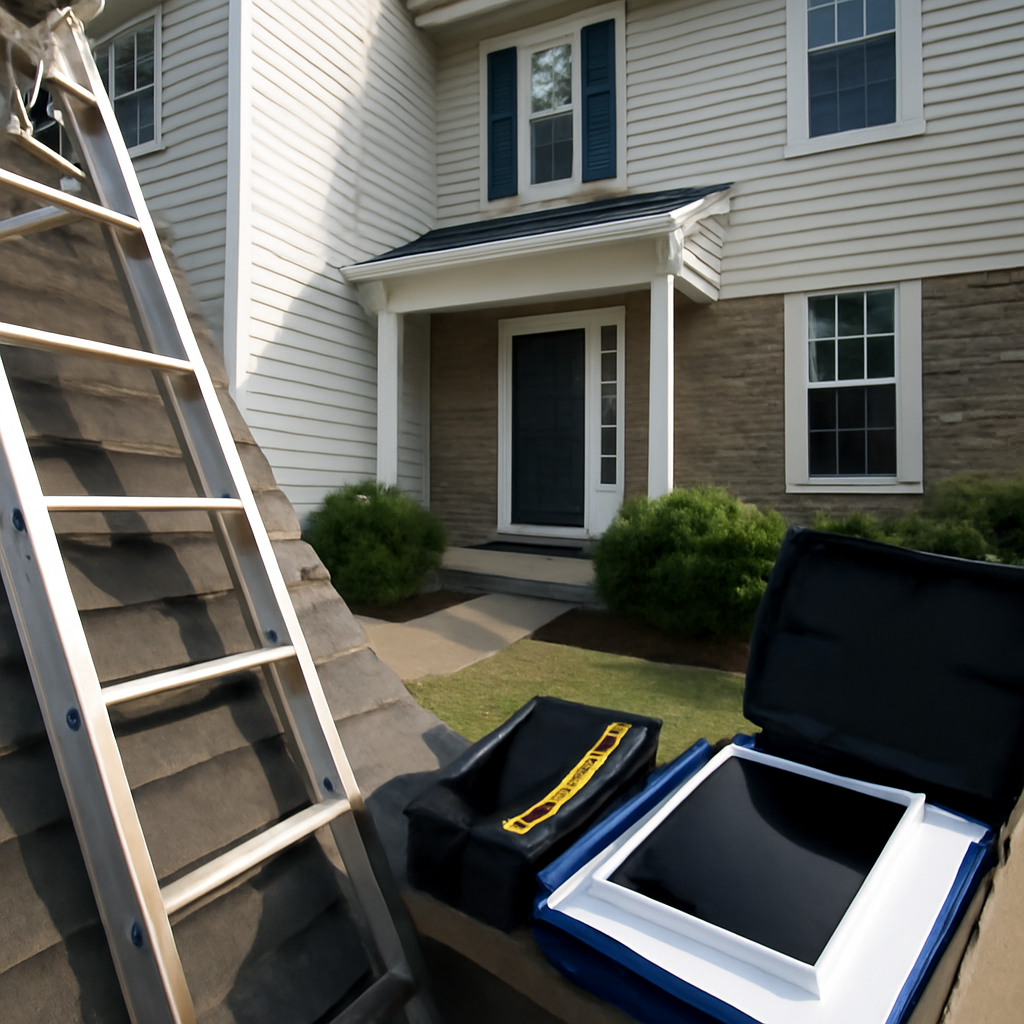
“Pre purchase inspections near me” is the search a buyer types when they have an accepted offer on a house, a contingency clock ticking, and somewhere between zero and modest experience choosing a residential inspector. The query is local because every inspector operates inside a service area, and the search is urgent because the inspection contingency in most real-estate contracts runs 7 to 14 days from offer acceptance. This guide is a practical 2026 hiring framework — how to find candidates near you, how to vet their credentials, what the inspection actually covers, what it costs, what to expect during the walkthrough, what the report should look like, and how to make decisions on the findings before the contingency deadline arrives.
Part of our Home Inspections Explained guide — start there for the full picture →
What is a pre purchase inspection?
A pre purchase inspection is a visual examination of a residential property’s major systems and components by a credentialed inspector, performed between the buyer’s accepted offer and the closing date. The inspector reviews the structural, exterior, roofing, plumbing, electrical, heating, cooling, interior, insulation, ventilation, and (where present) fireplace systems of the home according to a published standards-of-practice (SOP) document. The deliverable is a written report — typically 30 to 80 pages with photographs — that identifies defects, safety concerns, deferred maintenance items, and follow-up recommendations.
The inspection is non-invasive. The inspector does not open walls, remove finishes, or perform tests that could damage the property. The scope is what is readily accessible and visible at the time of the inspection. Items behind walls, inside pipes, under floor coverings, or in inaccessible attic and crawl space corners fall outside the standard scope.
How to find pre purchase inspections near me
Several local discovery paths work in 2026. The ASHI online member directory lets buyers search ASHI Certified Inspectors by ZIP code or city. The InterNACHI inspector search does the same for InterNACHI Certified Professional Inspectors. Both directories pull from the credentialed member lists at each association and produce a list of inspectors operating in or near the buyer’s service area. The buyer’s real-estate agent typically maintains a list of inspectors the agent has worked with before — a useful starting point but worth cross-checking against the association directories.
For Front Range buyers — Denver metro, Boulder, El Paso, Douglas, Arapahoe, Jefferson, Adams, and Broomfield counties — both directories return substantial inventory. Most Front Range counties have 50 to 200 active inspectors. The discovery question is less “can I find an inspector” and more “which of these is the right fit for this specific transaction.”
Credentials to verify before hiring
The vetting question anchors on credentials. Colorado does not license home inspectors at the state level, so the de facto credentials are ASHI Certified Inspector (CPI), InterNACHI Certified Professional Inspector (CPI), and specialty credentials like NRPP for radon work. In states that license home inspectors, the state license should be current and verified through the state’s license-lookup tool. The credential verification takes about five minutes and is standard pre-hire due diligence.
Beyond the credential itself, ask the inspector whether they carry errors-and-omissions insurance and general liability insurance, which standards-of-practice document the report follows, how many inspections per year they typically perform, and whether they offer specialty add-ons (radon testing, sewer scope, thermal imaging, mold sampling) in-house or through subcontracted specialists. Each of these questions surfaces information the credential alone does not.
What to ask before booking
Sample questions for the pre-hire phone call: how long does a typical inspection take for a property like mine; can I attend the inspection; how soon after the inspection do I receive the report; can you share a redacted sample report from a recent comparable property; what specialty add-ons do you offer and what do they cost; how do you handle defects discovered after the inspection; can you walk me through the report after delivery. The inspector’s answers to these questions are part of the vetting signal. Inspectors who answer clearly and patiently produce better reports than inspectors who deflect or rush.
The deeper pre-hire framework is in our hiring a home inspector pillar, and the buyer-side walkthrough checklist is in our 2026 definition guide.
What the inspection actually covers
A standard residential inspection per ASHI or InterNACHI SOP covers ten major system categories. Structural components: foundation, framing, floor systems, wall systems, ceiling systems, roof framing. Exterior: cladding, eaves, fascia, soffits, decks, walkways, drainage, exterior doors. Roofing: covering material, flashing, drainage components, penetrations, gutters and downspouts. Plumbing: water supply, drainage and waste systems, plumbing fixtures, water heater, fuel supply systems. Electrical: service entrance, panel and overcurrent devices, branch circuits, outlets and switches, smoke and carbon monoxide detection. Heating: equipment, distribution, venting, controls. Air conditioning: equipment, distribution, controls (when seasonal conditions permit safe operation). Interiors: walls, ceilings, floors, doors, windows, stairs, garage. Insulation and ventilation: visible insulation, ventilation in attic and crawl spaces, mechanical exhaust systems. Fireplaces and solid-fuel-burning appliances.
The inspector documents findings in each category with photographs and written descriptions. The report flags defects, safety hazards, deferred maintenance items, and recommendations for further evaluation by qualified specialists where the inspector’s scope does not extend.
What the inspection does not cover
Items outside standard scope include: areas not readily accessible (sealed wall cavities, sub-slab conditions, behind appliances unless safely movable); environmental testing (radon, mold, asbestos, lead, water quality) unless specifically retained as add-ons; concealed systems (in-floor radiant tubing inside concrete, in-wall plumbing); cost estimates for repairs (the inspector identifies; they do not engineer or estimate); code-compliance verification (the inspector references the SOP, not the local code).
For specialty concerns — radon, mold, asbestos in pre-1978 homes, sewer line condition, structural engineering analysis — buyers retain specialist services separately. Most pre purchase inspectors will offer or refer to these specialty services. Pricing for add-ons typically runs $150 to $300 each.
What the inspection costs
National average pricing for typical pre purchase inspections runs $300 to $500 for typical single-family homes. Larger or more complex homes run $500 to $900. Condos run $200 to $300. Add-on services like radon testing, sewer scope, thermal imaging, and mold sampling typically run $150 to $300 each. Front Range pricing tracks the national average closely; expect $400 to $600 for a typical 2,500 square foot single-family home in Denver metro counties as of 2026.
Pricing that is significantly below market is a vetting signal worth investigating. Chronic underpricing correlates with inadequate insurance coverage, rushed inspections, or report quality that misses defects. Pricing that is significantly above market should be justified by the inspector’s experience, the report’s depth, or specialty inclusions. The deeper pricing landscape is in our 2026 national pricing guide.
What to expect during the inspection
A typical residential inspection takes 2 to 4 hours on site. Buyers are usually welcome to attend, and attending is recommended — the inspector can point out findings in real time, explain context, and answer questions in a way that the written report alone cannot. The inspector typically starts with the exterior (roof, drainage, cladding, grading), works through accessible attic and crawl spaces, then moves indoors to systematically check each room.
The buyer’s job during the walkthrough is to observe, take notes, and ask clarifying questions. Concerns about specific items the buyer noticed during the showing — a sticky door, a stained ceiling, an outdated electrical panel — are worth flagging to the inspector. The buyer-side walkthrough checklist is in our buyer walk-along guide.
What the report should look like
A credible pre purchase inspection report runs 30 to 80 pages with photographs. It is organized by system category, with each defect or finding accompanied by a photograph, a written description, an indication of severity (safety hazard, defect, deferred maintenance, monitor), and a follow-up recommendation. The summary section consolidates the most important findings — typically the items the buyer should consider in renegotiation or contingency-removal decisions.
The report is delivered within 24 to 48 hours of the inspection in most workflows. Some inspectors deliver same-day. The faster turnaround matters when the contingency clock is tight. A report that takes a week to arrive is too slow for most transaction timelines.
How to use the report
The buyer uses the report to make one of three decisions: accept the property as-is, request repairs or credits through a renegotiation, or terminate the contract on the inspection contingency. The dollar threshold for which findings warrant renegotiation is buyer-specific — some buyers focus only on safety hazards and major defects; others list every deferred-maintenance item. Real-estate agents typically advise on what the local market will bear in terms of credit or repair requests.
Major findings worth escalating to specialists: foundation issues warranting structural engineering review; electrical panel issues warranting licensed electrician evaluation; HVAC system age or condition warranting HVAC contractor evaluation; suspected hidden moisture warranting moisture and mold testing; suspected asbestos or lead in pre-1978 homes warranting specialty environmental testing.
Specialty add-ons to consider
Several specialty inspections commonly bundle with or follow the standard residential inspection. Radon testing — particularly important in Colorado where geology produces elevated radon zones in most counties — typically runs $150 to $250 and uses either a 48-hour short-term test or a 90+ day long-term test. Sewer scope inspection runs a camera through the main sewer line to identify root intrusion, breaks, or settled sections; pricing runs $150 to $300. Mold sampling, where visible moisture or musty odors raise concern, runs $150 to $400 depending on sample count and lab analysis. Thermal imaging supplements the visual inspection to find hidden moisture or insulation gaps. Water testing for properties on well systems checks for bacterial contamination, nitrates, and other quality parameters.
For Front Range homes built before 1978, lead-paint testing and asbestos surveys are worth considering, particularly if renovation is planned. The deeper specialty-test landscape is covered in companion guides on the asbestos and lead pillar.
The inspection-day logistics
Scheduling typically happens within 2 to 5 days of offer acceptance. The seller’s agent usually coordinates access — the seller may or may not be present, and the property is typically vacated for the inspection. The buyer’s agent often attends along with the buyer. The inspector arrives with a tool kit (flashlight, moisture meter, voltage tester, ladder, and depending on services purchased, thermal camera and other specialty tools), walks the property systematically, and documents findings as they go.
The buyer should bring a notebook, a charged phone for photos, comfortable clothing for crawl-space and attic visits if planning to follow the inspector closely, and any specific questions raised by the property showing.
When to call a specialist beyond the standard inspection
Several findings warrant immediate specialist follow-up rather than waiting until after closing. Active water intrusion warrants moisture testing and possibly mold sampling before contingency removal. Visible structural issues warrant structural engineering evaluation. Electrical service issues that include outdated panel brands flagged in industry guidance warrant licensed electrician review. HVAC systems near end-of-life warrant HVAC contractor inspection for replacement-cost planning.
The buyer’s leverage on these findings exists during the contingency window. After contingency removal or closing, the buyer absorbs the cost. Front Range buyers who want a connection to a vetted local inspector before their purchase can reach out through the contact page for a referral to a credentialed professional in their county.
References
- ASHI Find a Home Inspector directory — American Society of Home Inspectors
- InterNACHI inspector search — InterNACHI
- HUD home inspection consumer resources — U.S. Department of Housing and Urban Development
- FTC consumer guidance on buying a house — Federal Trade Commission Consumer Advice
- InterNACHI Standards of Practice — InterNACHI
Frequently asked questions
How much does a pre purchase inspection cost in 2026?
National averages run $300 to $500 for typical single-family homes, $500 to $900 for larger or complex properties, and $200 to $300 for condos. Add-on specialty services typically run $150 to $300 each.
How long does a pre purchase inspection take?
Typical residential inspections take 2 to 4 hours on site. The written report is delivered within 24 to 48 hours in most workflows. Buyers should plan for the inspection window inside the contingency timeline.
Should I attend the inspection?
Yes. Attending lets the inspector explain findings in real time, lets the buyer ask clarifying questions, and produces a better-informed buyer when reviewing the written report later.
What add-on services should I consider?
Radon testing is widely recommended in Colorado. Sewer scope is worth considering for any property with mature trees near the sewer line. Mold and moisture testing follows from visible water indicators. Lead and asbestos testing matters for pre-1978 homes.
What happens if the report finds major issues?
The buyer has three options during the contingency window: accept the property as-is, negotiate repairs or credits, or terminate the contract on the inspection contingency. The buyer's real-estate agent typically advises on local-market norms for renegotiation.
Front Range buyers looking for a connection to a credentialed local inspector before their purchase can get in touch through our contact page for a referral to a vetted ASHI or InterNACHI-certified professional in their county.