Pre-Purchase Inspection in Berthoud, CO
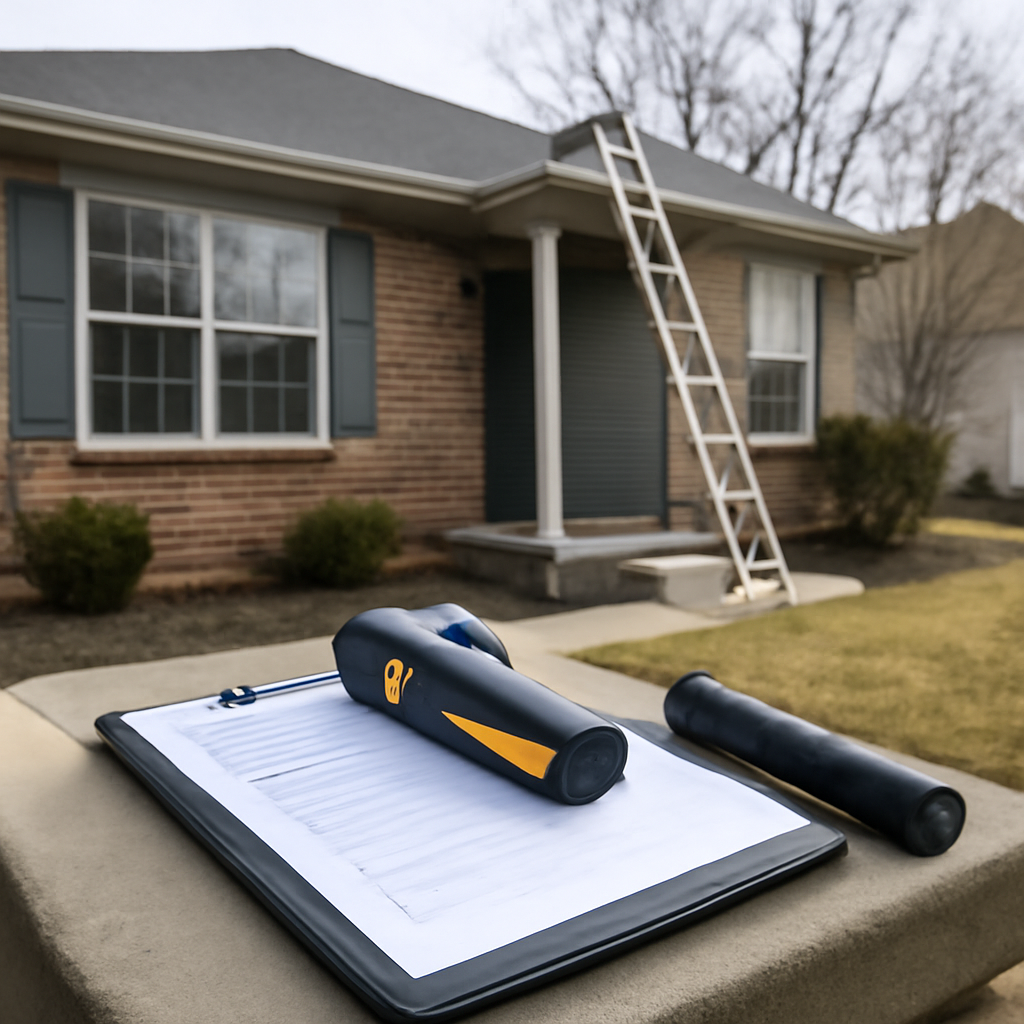
A pre-purchase inspection is the evaluation a buyer orders during the contract contingency period, before money and commitment are locked in. In Berthoud, the “Garden Spot of Colorado” between Loveland and Longmont, that timing matters across a market that ranges from century-old historic downtown homes to brand-new subdivisions like Heron Lakes and Hammond Farm. Whether the risk is age-related wear in an old home or builder oversights in a new one, learning the facts inside the contingency window is what gives a Berthoud buyer room to negotiate, request repairs, or walk away. This page explains what a pre-purchase inspection berthoud buyers should expect, why the local stock shapes the findings, and how the inspection protects a deal.
Part of our Home Inspections Explained guide — start there for the full picture →
Pre-purchase inspection in Berthoud: what to know
A pre-purchase inspection is a standard home inspection scheduled inside the buyer’s due-diligence window. The inspector performs a non-invasive, visual review of the roof, structure, foundation, electrical, plumbing, heating and cooling, and built-in systems, then delivers a written report in time for the buyer to act before the inspection deadline passes. The defining feature is timing: the report has to land while the buyer still holds contractual leverage, which separates a pre-purchase inspection from one ordered out of general curiosity.
The purpose is to convert unknowns into negotiating facts. A 1910 downtown Berthoud home is expected to show wear, and even a 2022 subdivision build can have overlooked defects, so the report’s job is to put numbers and priorities on what it finds so a buyer can request repairs, ask for a credit, or adjust their offer. For the broader mechanics of vetting an inspector and understanding scope, our guide to hiring a home inspector walks through credentials and what a report should deliver.
It helps to know what the inspection does not cover so a buyer can plan additional services within the same window. A standard inspection is visual and excludes radon, mold, asbestos, lead, sewer-line, and well-and-septic evaluation unless added. In Berthoud, where the whole town sits in EPA Radon Zone 1, the downtown holds pre-1978 stock, and rural parcels rely on wells and septic, those add-ons frequently matter, and the contingency period is the right time to order them so every result arrives before the buyer must decide.
Why Berthoud buyers need a pre-purchase inspection
The historic downtown is one reason. Early-1900s Berthoud homes carry aging roofs, dated electrical and plumbing, fieldstone or settled foundations, and basements built before modern moisture standards. A pre-purchase inspection turns those age-driven risks into a documented list a buyer can use to negotiate before the deadline, rather than discovering them as expensive surprises after closing on a century-old home.
The new subdivisions are another. A brand-new Heron Lakes or Prairie Star home should have no age-related wear, but fast-paced construction can leave overlooked defects, incomplete grading, rushed plumbing or electrical work, or an unbalanced HVAC system. A pre-purchase inspection on a new build generates a punch list the buyer can press the builder to fix while the warranty still applies, which is leverage that fades once the contingency window and warranty period pass. Buying new is not a reason to skip the inspection.
Berthoud’s setting adds reasons that make timing important. Rural parcels near the Little Thompson River and toward Carter Lake often rely on wells and septic systems, and the contingency window is the right time to order well-water testing and septic evaluation alongside the structural inspection. Freeze-thaw cycles and local soils that drive foundation movement, plus the town’s Zone 1 radon status, all give a buyer specific things to verify, and verifying them inside the negotiation window is what makes the findings useful.
What a Berthoud pre-purchase inspection covers
The inspection follows recognized standards of practice and evaluates the visible, accessible major systems, with the report timed to the buyer’s contingency deadline.
Exterior, roof, and structure
The inspector assesses the roof covering and flashings, then the foundation, framing where visible, grading, and drainage. In a downtown home, settling cracks and aging roofs are common negotiation items; in a new build, grading, drainage, and finish quality come into focus. Documented during due diligence, these findings become leverage rather than after-the-fact regrets.
Systems, hazards, and add-on testing
Inside, the inspector evaluates the electrical panel and visible wiring, plumbing supply and drain materials, the water heater, and the heating and cooling equipment, flagging function and remaining life. Because the contingency window is the right time to test for local hazards, many buyers pair the inspection with radon testing in Berthoud, and for older downtown homes with lead and asbestos testing, so every result is in hand before the inspection objection deadline.
Pre-purchase inspection cost in Berthoud
A standard pre-purchase inspection in the Berthoud market typically runs about $350 to $600, with smaller or newer homes at the lower end and larger or older downtown homes toward the higher end. Add-on services ordered within the same window, radon, sewer scoping, well-and-septic evaluation, or lead and asbestos assessment, carry their own fees, but bundling them into a single visit usually costs less than separate appointments and ensures all results land before the deadline.
Measured against the transaction, the fee is small. In a downtown home, a few hundred dollars routinely surfaces an aging roof, a failing furnace, or an overloaded panel, findings worth thousands in repair credit while the contract still allows it. In a new build, the same inspection catches builder oversights the buyer can press to fix under warranty. Skipping the inspection to strengthen an offer can leave a buyer owning those problems with no recourse, which makes the pre-purchase inspection among the highest-return steps in the purchase.
For rural Berthoud parcels, the inspection’s value extends to the well and septic systems that a city buyer might overlook. Ordering well-water testing and septic evaluation during the contingency period lets a buyer budget for or negotiate over systems that can be expensive to repair, and learning their condition while the contract still allows objection is far better than inheriting an unknown after closing.
Berthoud regulations and disclosure
Colorado does not license home inspectors, so the buyer is responsible for vetting credentials; reputable Berthoud inspectors carry InterNACHI or ASHI certification and follow a published standard of practice. The Colorado contract to buy and sell real estate gives buyers a defined inspection objection and resolution window, and a pre-purchase inspection exists to produce actionable findings before that deadline. The seller’s property disclosure reports known material defects but is not a substitute for an independent inspection.
For pre-1978 downtown homes, federal lead-disclosure rules also apply, giving buyers a 10-day opportunity to inspect for lead-based paint hazards. For new builds, the builder warranty timeline is the key date to inspect against, and for rural parcels, well and septic evaluation often warrants separate attention. In a town as varied as Berthoud, using the contingency period to match testing to the property type is what protects a buyer most.
Confused by your home inspection report? Decode it free in plain English
Upload your inspector's PDF and get a plain-English summary, what actually matters, rough repair costs, and negotiation talking points. Educational only — not a professional re-inspection. Your file is analyzed and discarded, never stored.
Educational summary only. AI can be wrong and cost figures are rough estimates. This is not a professional re-inspection, appraisal, or legal/financial advice — confirm major items with your inspector or a licensed contractor.
Neighborhoods and areas served
Pre-purchase inspection demand in Berthoud spans Historic Downtown Berthoud, the newer subdivisions of Heron Lakes, Prairie Star, Hammond Farm, and Vantage, and the rural parcels through the surrounding farmland near the Little Thompson River and toward Carter Lake. Service typically extends to adjacent Loveland, Longmont, Johnstown, Mead, and Campion, which share the same Larimer-area climate and mix of historic, new, and rural housing.
Because the property types differ so much, due-diligence findings vary by neighborhood: age-related wear in the historic core, finish-and-warranty items in the new subdivisions, and well-and-septic considerations on rural parcels. A buyer weighing a downtown home against a new build benefits from a consistent, standards-based pre-purchase inspection that lets them compare both on equal, documented terms, and many also review a home inspection in Berthoud for the same property to understand full scope before booking.
How to choose a Berthoud pre-purchase inspector
Choose an inspector certified by InterNACHI or ASHI who can schedule promptly within your contingency window and deliver a clear, photo-documented report fast enough to act on. Ask whether they are experienced with both century-old downtown homes and new subdivision construction, since the findings and the right framing differ sharply, and many Berthoud purchases involve one or the other.
Confirm turnaround time explicitly, because a pre-purchase inspection that arrives after the objection deadline loses much of its value. A good inspector welcomes the buyer to attend, explains findings in plain terms, and separates safety issues from cosmetic wear and end-of-life items from urgent repairs, so the buyer can prioritize what to raise with the seller. For rural parcels, confirm they can evaluate or coordinate well-and-septic assessment within the same window.
Ask to see a sample report before booking. The clarity of the deliverable, how well it prioritizes major concerns and documents each finding with photos, is the best preview of what a buyer will receive and how effectively they can use it at the negotiating table. In a market spanning historic, new, and rural homes, an inspector’s ability to rank and explain findings across all three is what turns a long observation list into real negotiating leverage before the deadline.
Sequencing due diligence within the contingency window
A Berthoud purchase often involves several evaluations, and sequencing them well inside the contingency window is what keeps a buyer from running out of time. The core home inspection comes first because its findings shape what else is worth ordering, a flagged moisture concern may prompt thermal imaging, an older downtown home triggers lead and asbestos consideration, and any home calls for radon given the town’s Zone 1 status. Scheduling the inspection early in the window leaves room to add these targeted tests and still have every result in hand before the objection deadline.
Rural Berthoud parcels add steps that take longer to complete. Well-water testing involves a laboratory turnaround, and septic evaluation may require scheduling a specialized contractor, so a buyer under contract on a parcel near the Little Thompson River or toward Carter Lake should order these promptly rather than waiting until the inspection report arrives. Building the timeline backward from the objection deadline, accounting for lab turnaround on water and any specialist availability, prevents the common mistake of a result landing a day too late to use.
The payoff of good sequencing is a complete, simultaneous picture. When the structural report, radon result, any hazard tests, and well-and-septic findings all arrive before the deadline, the buyer can craft a single, well-supported objection rather than reacting piecemeal or, worse, discovering a problem after the window closes. In Berthoud’s varied market, where a purchase might involve a historic home’s age-related wear, a new build’s warranty items, or a rural parcel’s systems, that coordinated timing is what turns due diligence into real protection.
Booking early also guards against scheduling bottlenecks. In a busy Front Range market, qualified inspectors and specialty contractors fill their calendars quickly, and a buyer who waits until mid-contingency to call may find no available slot before the deadline. Reaching out to schedule the core inspection as soon as the contract is signed, and asking the inspector which add-ons they can perform or coordinate, compresses the whole process into the available window. For a Berthoud buyer balancing a structural inspection with radon, possible hazard testing, and rural-system evaluation, that head start is often the difference between a thorough due-diligence package and a rushed, incomplete one.
References
- Residential standards of practice — International Association of Certified Home Inspectors
- Finding a qualified home inspector — American Society of Home Inspectors
- Lead disclosure in home purchases — U.S. Department of Housing and Urban Development
Frequently asked questions
What is the difference between a pre-purchase inspection and a regular home inspection?
The inspection itself is the same; the difference is timing. A pre-purchase inspection is scheduled inside the buyer's contract contingency window so the report arrives before the objection deadline, while leverage to negotiate or walk away still exists.
How much does a pre-purchase inspection cost in Berthoud?
Typically about $350 to $600, with smaller or newer homes at the lower end and larger or older downtown homes higher. Add-ons such as radon, sewer scope, well-and-septic, or lead and asbestos testing carry separate fees but cost less bundled into one visit.
Should I inspect a brand-new Berthoud subdivision home?
Yes. A new build can have construction oversights, and a pre-purchase inspection produces a punch list you can press the builder to fix while the warranty still applies, leverage that fades once the contingency and warranty periods pass.
What about rural parcels on wells and septic?
Order well-water testing and septic evaluation during the contingency window alongside the structural inspection. These systems are expensive to repair, so confirming their condition before the deadline lets you negotiate or budget rather than inherit an unknown.
When should I schedule the inspection during my contract?
As early in the contingency period as possible, so the report and any add-on test results arrive with time to raise objections, request repairs, or renegotiate before the deadline.
In Berthoud’s mix of historic, new, and rural homes, a well-timed pre-purchase inspection turns unknowns into negotiating power before your deadline. To connect with a vetted Front Range inspector who can move quickly within your contingency window, get in touch through our contact page.