New Home Inspection Checklist PDF: Builder Walkthrough Guide
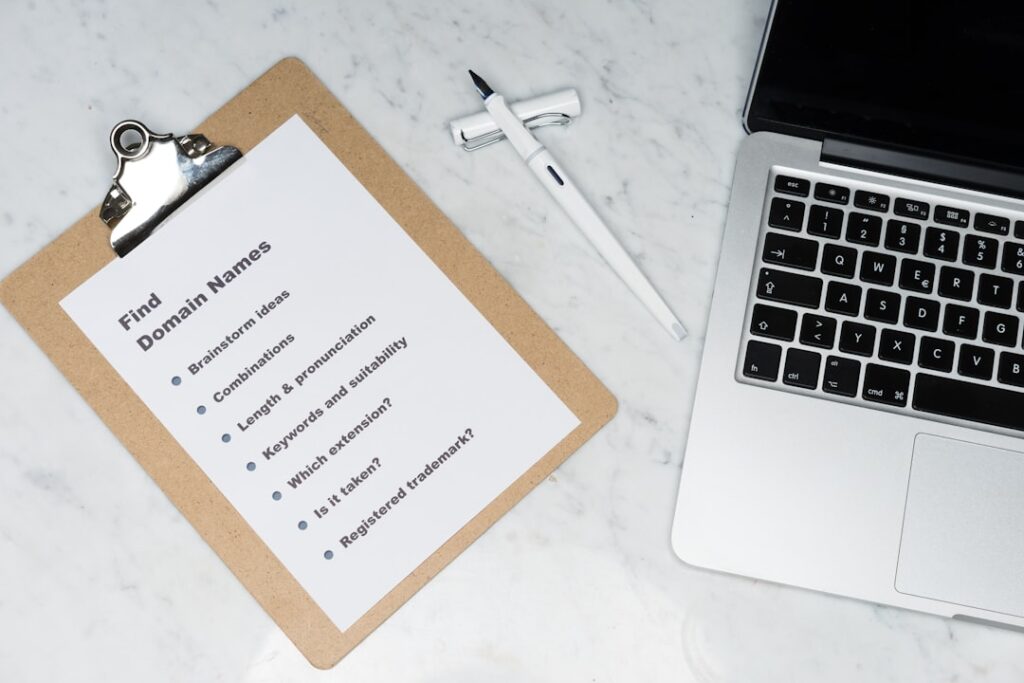
A new home inspection checklist PDF for new construction differs from a resale-property checklist in three substantive ways: the inspector is checking that everything was built correctly rather than that everything has aged well, the warranty timing creates specific follow-up windows after closing, and the buyer typically faces both a builder-conducted walkthrough and an independent inspection. New construction defects cluster in different categories than resale defects, with surface-finish issues, mechanical-systems startup problems, and grading-related drainage issues all overrepresented. This guide walks through the buyer-facing checklist for new construction inspection, the builder walkthrough versus independent inspection distinction, and the warranty windows that determine when each follow-up must occur.
Part of our Home Inspections Explained guide — start there for the full picture →
What a new home inspection checklist PDF covers
The new construction checklist covers the same systems as a resale checklist but with different emphasis. Surface finishes (paint, drywall, flooring, trim) receive more attention because they reveal installation quality. Mechanical systems (HVAC, plumbing, electrical) receive attention to verify startup commissioning rather than long-term wear. Grading and drainage receive attention because new construction often has incomplete or improper grading work. Builder-installed appliances and fixtures receive attention to verify proper installation.
Defects that are unlikely in resale property include rough framing left exposed in unfinished spaces, missing insulation in selected wall sections, drywall finishing flaws, paint runs and drips, mis-installed flooring transitions, plumbing fixtures with shipping caps still in place, and electrical panels with breakers not yet labeled. Each of these is rare in older properties but routine in new construction walkthroughs.
Builder walkthrough versus independent inspection
Most builders conduct a pre-closing walkthrough with the buyer to identify defects requiring punch-list correction before transfer. The builder walkthrough is typically 60 to 90 minutes and covers visible items the buyer raises during the walk. Items identified during the walkthrough go onto the punch list for builder remediation before or shortly after closing.
An independent inspection by an ASHI or InterNACHI inspector before closing provides the buyer with a second set of eyes from someone whose interests are aligned with the buyer rather than the builder. The independent inspection typically runs 3 to 5 hours and produces a written report with photographs. The findings supplement the builder walkthrough rather than replacing it.
The InterNACHI Standards of Practice apply to new construction inspection just as they do to resale inspection. The visual non-invasive methodology produces a comprehensive findings list within the same documentation standards.
Common new construction defect categories
Surface finishes and aesthetics
Drywall finish flaws including visible joint compound seams, nail pops, and texture inconsistencies appear in nearly every new construction inspection. Paint defects including drips, runs, and color inconsistencies show up at lower frequency but still commonly. Trim work including baseboards and casings often has visible gaps at corners and joints. None of these are structural issues but all warrant punch-list inclusion before closing.
Mechanical startup and commissioning
HVAC systems require proper commissioning including airflow balancing, refrigerant charging, and thermostat calibration. New homes frequently have unbalanced airflow with some rooms 5 to 10 degrees off the thermostat setpoint. Plumbing systems require proper venting verification and TPR valve testing on water heaters. Electrical systems require complete circuit labeling and GFCI/AFCI verification.
Site work and grading
New construction often closes before grading is complete or before the final grade has settled. Standing water near the foundation, slope toward the house rather than away, and missing downspout extensions are common findings. Grading defects can lead to long-term foundation moisture issues if not corrected during the warranty period.
Builder shortcuts in concealed spaces
Attic, crawlspace, and basement examinations often reveal builder shortcuts that the buyer would not see otherwise: insulation gaps at the top plate, plumbing vent terminations through roof flashing that was not properly sealed, framing details that don’t match the building plans, electrical wiring without proper protection plates. These items require inspector access to identify.
Warranty timing windows
Most new home warranties include three coverage windows. The first-year warranty covers all defects in workmanship and materials. The two-year warranty covers mechanical systems (electrical, plumbing, HVAC). The ten-year warranty covers structural defects. The specific coverage terms vary by builder and by state. Some builders offer extended warranties beyond these defaults.
The buyer must report defects within the applicable warranty window for builder remediation at no cost. After the warranty expires, the buyer pays for repairs regardless of whether the defect existed at construction time. The inspection scheduling around these windows is critical: the 11-month inspection (just before the first-year warranty expires) is the most important follow-up appointment.
The 11-month inspection
The 11-month inspection occurs roughly one month before the first-year warranty expires. The inspection identifies all defects that have appeared during the first year of occupancy. Many defects don’t surface immediately upon move-in: settlement-related drywall cracks, paint issues from initial cure, mechanical-system issues that surface under load, and grading-related drainage issues that show during the first rainy season all appear within the first year but after closing.
The 11-month inspection cost ($400 to $700 for a typical home) often produces builder-remediation savings worth tens of thousands of dollars. Defects identified during this inspection are repaired at builder expense rather than buyer expense. The cost-versus-value math strongly favors this inspection for any new construction purchase.
Final pre-closing walkthrough specifics
The final walkthrough before closing should verify that all builder punch-list items from earlier walkthroughs have been remediated. The buyer arrives with the prior punch list and confirms each item. Items not remediated should delay closing or be addressed through escrow holdback. Modern transaction practices often include holdback amounts equal to 150 percent of the estimated repair cost until verification.
The walkthrough also tests all mechanical systems one final time: every faucet, every light switch, every outlet, every appliance, the HVAC in both heating and cooling modes (if seasonally possible), and the garage door. Any mechanical issue surfaced during this walkthrough goes onto the closing-day punch list.
Working with the builder on punch-list items
Builder responsiveness to punch-list items varies. Tier-one national builders typically have established processes for warranty work and respond within agreed timelines. Smaller regional builders may have less structured response systems. Buyers should establish written communication for all warranty items, with photographs documenting both the defect and the remediation completion.
Disputes over warranty coverage are common, particularly for items the builder argues fall outside coverage. The buyer’s leverage comes from the documented inspection findings, the warranty terms, and ultimately consumer-protection law. The FTC consumer information on home buying covers buyer protections in real estate transactions including new construction warranty enforcement.
Confused by your home inspection report? Decode it free in plain English
Upload your inspector's PDF and get a plain-English summary, what actually matters, rough repair costs, and negotiation talking points. Educational only — not a professional re-inspection. Your file is analyzed and discarded, never stored.
Educational summary only. AI can be wrong and cost figures are rough estimates. This is not a professional re-inspection, appraisal, or legal/financial advice — confirm major items with your inspector or a licensed contractor.
Document retention for new construction owners
The new construction buyer should retain a comprehensive document file including: the builder contract and warranty terms, all pre-closing inspection reports, the builder walkthrough punch lists with completion dates, the 11-month inspection report, photographs of all defects identified and their remediation, and any communication with the builder regarding warranty items. The file supports future warranty claims and provides documentation if the property is later sold.
The companion hiring a home inspector Front Range buyer guide covers inspector selection for new construction. The home inspection checklist printable for field use covers the printable format design.
Front Range new construction specifics
Denver-area new construction in 2026 faces specific regional issues: expansive soil considerations require proper drainage installation that builders sometimes shortcut, altitude-related HVAC sizing requires specific design that less-experienced builders sometimes get wrong, radon mitigation system installation is increasingly required and should be verified during inspection, and snow-load considerations affect roof design and gutter sizing.
The ICC’s I-Codes library covers Colorado adoption of residential code requirements. Regional code amendments in Denver, Boulder, and surrounding municipalities sometimes exceed the IRC baseline. Inspection should verify code-as-built compliance with applicable local amendments.
National builder versus regional builder considerations
New construction quality varies significantly by builder. Tier-one national builders (Lennar, D.R. Horton, KB Home, Toll Brothers) have established quality control processes that produce relatively consistent results. Mid-tier regional builders vary more widely. Small-volume custom builders depend heavily on the specific superintendent and trade subcontractors assigned to the project. Buyer expectations should adjust based on builder tier.
Online buyer review platforms like Hopfully and the Better Business Bureau provide community-sourced feedback on builder responsiveness to warranty issues. The reviews are imperfect but provide signal about how a specific builder typically handles post-closing issues. Buyers researching new construction should consult these sources before committing.
Energy efficiency and modern building envelope
New construction in 2026 typically includes higher-efficiency building envelope than older homes. Insulation levels meet or exceed current International Energy Conservation Code minimums. Windows are typically Low-E coated double or triple glazing. Mechanical ventilation systems including HRV or ERV units appear in tightly sealed homes to maintain indoor air quality. The Department of Energy’s energy assessment guidance describes residential energy standards.
Inspection of the energy-efficiency systems requires understanding of how these systems should perform. An HRV unit that is not running, or running with disconnected ductwork, defeats the design intent of the building envelope. The inspector should verify that all installed systems are operational and configured correctly.
Smart home and electronic systems
Modern new construction often includes smart home integration: networked thermostats, programmable lighting, security systems, and home automation hubs. These systems can fail in non-obvious ways. The inspector should verify that all smart home systems are configured and operational at closing. Failed smart home systems are typically covered under the first-year workmanship warranty.
The inspector also documents the smart home system architecture: which hub, what protocol, which devices are connected. This documentation supports future troubleshooting and helps the buyer understand the systems they are inheriting. Many new homeowners discover smart home systems they don’t know how to operate months after closing.
Final inspection checklist for closing day
The closing-day walkthrough should verify: all builder punch-list items completed, all mechanical systems operational, all appliances functional (if included in purchase), keys for all locks delivered, garage door openers programmed and remotes provided, smart home system credentials transferred, warranty documentation provided, manufacturer warranty cards filled out for appliances and major systems, and the construction site cleaned of debris.
Any items not completed by closing day should be addressed through escrow holdback or written commitment with timeline. Buyers should not accept verbal promises that items will be completed after closing without written documentation. The companion printable checklist field-use design guide covers documentation format.
References
- InterNACHI Standards of Practice — InterNACHI
- ASHI Standard of Practice — American Society of Home Inspectors
- International Code Council I-Codes Library — International Code Council
- Buying a Home: FTC Consumer Information — Federal Trade Commission
Frequently asked questions
Do I need a home inspection on new construction?
Yes. An independent inspection by an ASHI or InterNACHI inspector identifies defects the builder walkthrough often misses. The cost ($400 to $700) is small relative to typical new construction transaction values. The findings provide leverage for builder remediation before closing.
What is the 11-month inspection?
An inspection conducted roughly one month before the first-year warranty expires. The inspection identifies defects that have appeared during the first year of occupancy, all of which qualify for builder remediation at no buyer cost. This inspection often produces remediation value worth tens of thousands of dollars.
What are the typical new home warranty windows?
Most builder warranties include first-year coverage for all workmanship and materials defects, two-year coverage for mechanical systems, and ten-year coverage for structural defects. Specific terms vary by builder and state. Defects must be reported within the applicable window for no-cost remediation.
What defects are common in new construction?
Surface finish flaws including drywall and paint issues, mechanical commissioning problems including HVAC airflow imbalance, grading and drainage issues from incomplete site work, and builder shortcuts in concealed spaces like attics and crawlspaces. These defect categories differ from typical resale findings.