New Home Inspections: Why New Builds Need Them
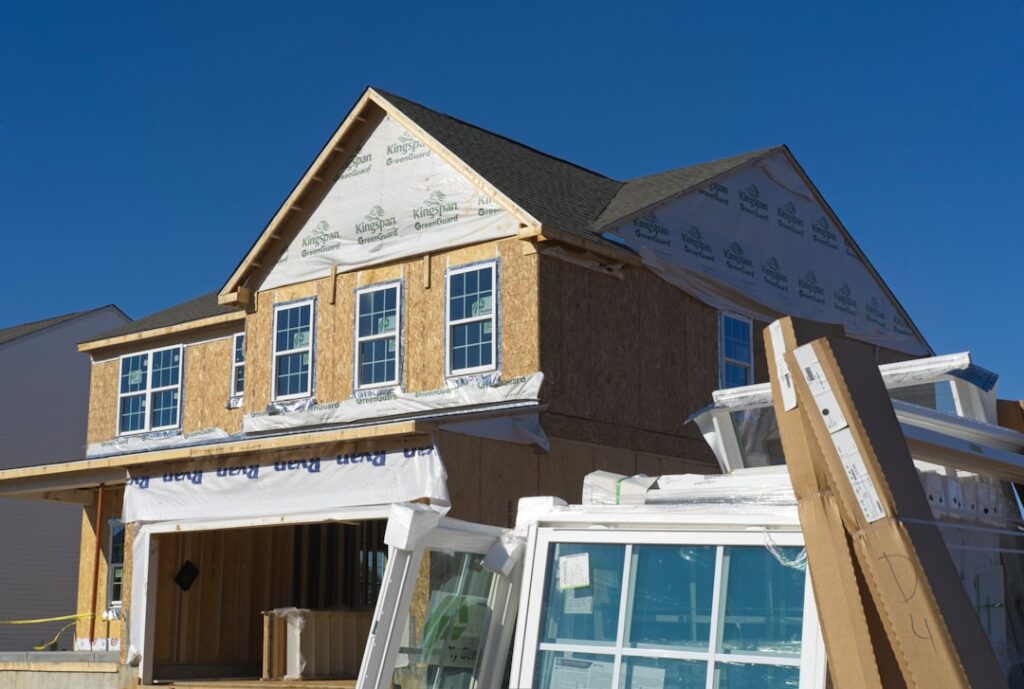
It is tempting to assume a brand-new house needs no inspection, the materials are new, the systems untested, the paint barely dry. In practice, new home inspections routinely uncover defects, because new construction is built fast, by many trades, under deadline pressure, and oversight is not always thorough. This guide explains why new builds still warrant independent inspection, which phases are worth inspecting, the defects that commonly turn up, and how an inspection works alongside a builder’s warranty to protect a buyer.
Part of our Home Inspections Explained guide — start there for the full picture →
Why New Home Inspections Matter
The belief that new construction is defect-free does not hold up. A home is assembled by many different trades, often under tight schedules, and mistakes happen, missed connections, skipped steps, materials installed incorrectly. Municipal building inspections check for code compliance at certain milestones, but they are not the same as a detailed, buyer-focused inspection of the finished home’s condition and workmanship.
An independent inspector works for the buyer, not the builder, and examines the home with a critical eye the buyer cannot bring themselves. Catching defects before closing, or before a warranty period expires, can save significant money and frustration. Far from being unnecessary, a new home inspection is often where buyers first learn that “new” does not automatically mean “flawless.” Our guide to hiring a home inspector covers how to choose someone qualified for this work, and the dedicated new construction home inspection guide goes deeper on the specifics.
The Phases Worth Inspecting
New construction offers inspection opportunities at several stages, and inspecting more than once catches problems while they are still easy to fix.
Pre-Drywall Inspection
Before the walls are closed up, the framing, wiring, plumbing, and mechanical systems are all visible. This is a valuable window, because defects in the structure or systems can be seen and corrected before drywall hides them forever. An inspector checks framing, the rough-ins, and how the components fit together.
Final Walk-Through Inspection
Just before closing, a final inspection evaluates the completed home: finishes, fixtures, appliances, systems operating, and the workmanship throughout. This is the standard new home inspection most buyers get, and it generates a punch list of items for the builder to address before or shortly after closing.
End-of-Warranty Inspection
Many builder warranties run for a defined period, often around a year for many components. An inspection near the end of that period catches defects that have surfaced with use, so they can be claimed under warranty before it lapses. This phase is easy to forget and costly to skip.
Common Defects Found in New Homes
New construction defects cluster in predictable areas. Grading and drainage problems are frequent, where the lot is not sloped to carry water away from the foundation, inviting future water intrusion. Roofing defects, missing or improperly installed flashing, nail pops, and shingle problems, show up regularly. HVAC systems are sometimes undersized, improperly installed, or missing components.
Plumbing and electrical rough-ins can have errors that a pre-drywall inspection catches, while finished-home inspections reveal cosmetic and functional issues: doors and windows that do not seal, missing insulation, incomplete caulking, and trim and drywall flaws. None of these means the builder did poor work overall; they reflect the reality that complex assemblies built quickly produce errors. Our guide on what home inspectors look for details how these findings are documented and prioritized.
How Inspections Work With Builder Warranties
A builder warranty and an independent inspection complement each other. The warranty obligates the builder to fix qualifying defects within a set period, but it only helps if defects are identified and reported in time. An inspection generates the documented list of issues that drives warranty claims, turning a vague sense that “something is off” into specific, actionable items.
The timing strategy matters. A final-walk-through inspection captures defects at closing for the builder’s initial punch list. An end-of-warranty inspection captures problems that emerge with months of living in the home, while they are still covered. Without these inspections, buyers risk discovering defects after the warranty expires, when repair costs fall entirely on them. The inspection is what makes the warranty’s protection real rather than theoretical, which is why pairing the two is the smart approach for any new-build buyer.
Choosing an Inspector for a New Build
Not every inspector is equally suited to new construction. The work rewards someone familiar with current building practices and code expectations, who can evaluate workmanship and catch the subtle defects that distinguish a properly built home from a hastily finished one. For a pre-drywall inspection especially, an inspector who understands framing, structural connections, and system rough-ins adds the most value.
Hire an inspector who works independently for you, not one recommended by or affiliated with the builder, so the evaluation is genuinely on your side. Ask about their experience with new construction specifically, since it differs from inspecting an older resale home. The hiring process guide and our overview of what a property inspection involves walk through vetting credentials and independence, both of which matter even more when the builder has a stake in the outcome.
Builder Inspections Versus Independent Inspections
New-home buyers sometimes assume that the inspections a builder arranges, and the municipal inspections a project must pass, make an independent inspection redundant. They do not, because each serves a different purpose. Municipal building inspections verify that the construction meets code at specific milestones; they are pass-or-fail compliance checks, not detailed evaluations of workmanship or the finished home’s condition from a buyer’s perspective.
The builder’s own quality checks, where they exist, serve the builder’s interests in completing and selling the home. They are not an advocate for the buyer, and a builder under deadline pressure has incentives that may not align with catching every defect. An independent inspector, hired by and working for the buyer, brings a critical, buyer-focused eye that neither the municipality nor the builder provides.
This independence is the whole point. The inspector’s loyalty is to the buyer, so findings are reported plainly without concern for the builder’s schedule or the sale. For a purchase as large as a home, having a professional whose sole job is to find problems on the buyer’s behalf is worth the cost, regardless of how many other inspections the project has passed. Our guide to hiring a home inspector emphasizes this independence as a core principle of choosing an inspector.
Documenting Defects for the Builder
An inspection of a new home produces the most value when its findings are documented and communicated effectively to the builder. The inspection report becomes a punch list, an organized record of defects the builder is expected to address. A clear, specific report, with photographs and locations, makes it harder for issues to be dismissed or overlooked and gives the buyer a concrete basis for follow-up.
Prioritization helps the process. Separating safety and structural concerns from cosmetic items lets both buyer and builder focus on what matters most, and a reasonable, well-organized list tends to get a more cooperative response than a sprawling catalog of trivial complaints. Reputable builders expect a punch list and address legitimate defects, especially when they are documented professionally.
Keeping the report is also important for the warranty period that follows. Defects that emerge over the first months of living in the home can be matched against the original inspection and claimed under warranty, and a documented record strengthens those claims. Scheduling an end-of-warranty inspection before coverage lapses, and documenting any new defects then, captures problems while the builder is still obligated to fix them. This documentation-driven approach turns inspections into leverage that protects the buyer well beyond closing day, complementing the condition record a standard property inspection provides.
Why Quality Varies in New Construction
Understanding why new homes contain defects at all helps buyers approach the inspection with the right mindset. Modern home construction moves fast, often on tight schedules driven by financing and sales targets, and speed creates room for error. A house passes through many hands, framers, electricians, plumbers, roofers, drywallers, finishers, and coordination gaps between trades let mistakes slip through, like a missed connection or a step completed out of sequence.
Labor and supervision quality vary from site to site and even from crew to crew within a single project. A subcontractor stretched across several jobs may not give each one full attention, and oversight is not always tight enough to catch every shortcut or honest slip. Material handling matters too; products installed incorrectly or damaged before installation create defects that look fine on the surface.
None of this means new homes are poorly built as a rule. Most are sound, and reputable builders deliver quality work. But the realities of fast, complex, multi-trade construction make some defects nearly inevitable, which is exactly why an independent inspection earns its place. The inspection is not a verdict on the builder’s character; it is a practical response to how new homes actually get built, catching the errors that the process, despite everyone’s best efforts, tends to produce. Recognizing this keeps a buyer’s expectations realistic and their inspection findings in perspective, complementing the broader view in our new construction inspection guide.
Making New Home Inspections Worthwhile
To get the most from inspecting a new build, plan inspections at the phases that matter rather than relying on a single final look. Schedule a pre-drywall inspection if the build timeline allows, attend the inspections to see findings firsthand, and keep the report as documentation for builder follow-up and warranty claims. Mark your calendar for an end-of-warranty inspection before the coverage period closes.
Treat the inspection findings as a constructive list for the builder, prioritizing safety and structural items over cosmetic ones. A reputable builder will address legitimate defects, and the documented report gives you the leverage to ensure they do. New home inspections are not a sign of distrust; they are due diligence on one of the largest purchases most people make. Brand-new construction earns the same scrutiny as any other home, and often reveals exactly why that scrutiny was warranted. The buyers who get the most from the process plan their inspections deliberately, keep thorough records, and follow through on warranty claims, treating the new-home inspection not as a one-time formality but as part of protecting a major investment from the day they take possession through the end of the warranty period and beyond.
References
- Standards of Practice for Home Inspections — International Association of Certified Home Inspectors
- Consumer Resources on Inspections — American Society of Home Inspectors
- Building Code and Construction Standards — International Code Council
- New Construction Inspection Guidance — International Association of Certified Home Inspectors
Frequently asked questions
Do new homes really need an inspection?
Yes. New construction is built quickly by many trades and routinely contains defects, from grading and drainage problems to roofing and HVAC errors. Municipal code inspections are not the same as a detailed, buyer-focused evaluation of the finished home.
What is a pre-drywall inspection?
It is an inspection done before the walls are closed up, while framing, wiring, plumbing, and mechanical systems are still visible. It catches structural and rough-in defects that drywall would otherwise hide permanently, making them far easier to correct.
Why is an end-of-warranty inspection important?
Many builder warranties cover components for about a year. An inspection near the end of that period catches defects that have surfaced with use, so they can be claimed under warranty before it expires and the repair cost shifts to the owner.
Should I use the builder's recommended inspector?
It is better to hire an independent inspector who works for you, not one affiliated with the builder, so the evaluation is genuinely on your side. Ask specifically about their experience with new construction, which differs from inspecting older homes.