Mold.test Kit: What Homeowners Need to Know
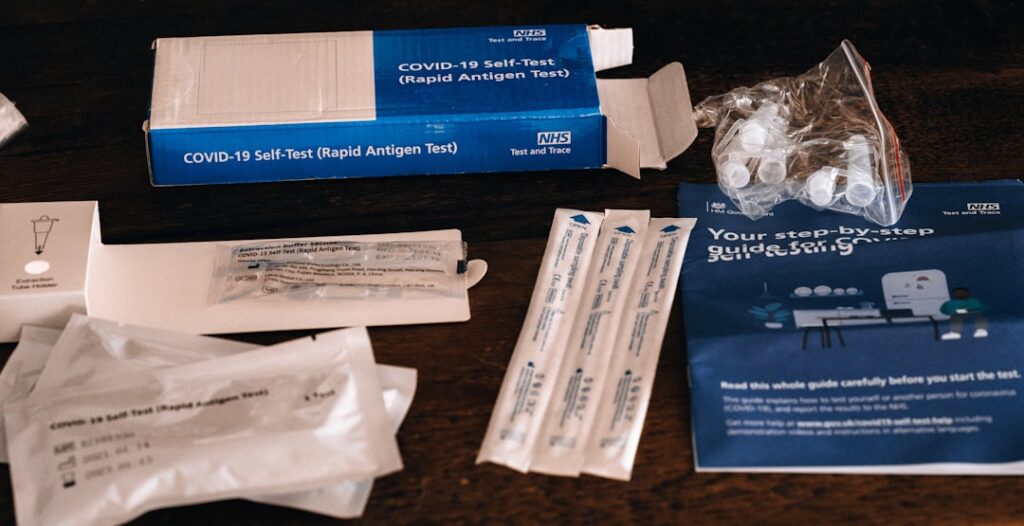
Walk down any hardware-store aisle and you will find mold test kits promising quick answers about the air in your home. A mold.test kit and similar products appeal to homeowners who want certainty without paying for a professional, but these kits have real strengths and significant limits. Knowing what they actually measure, and what they cannot tell you, prevents both false alarms and false reassurance. This guide summarizes EPA and CDC guidance current as of 2026 and is educational only; consult your physician about health symptoms and a certified professional for testing decisions.
Is this mold, asbestos, or water damage? Get a free instant screen
Upload a clear photo of the suspect area. You'll get an instant AI screening opinion and what to do next. This is screening guidance, not a professional determination.
Screening guidance only. AI can be wrong. Confirm asbestos, mold type, or lead with lab testing or a licensed professional before acting.
What Is a Mold.test Kit?
A mold.test kit is a consumer home-testing product designed to detect the presence of mold spores, typically through a settling-plate method, a tape lift, or an air-sampling cassette mailed to a lab. The simplest versions use a petri dish with growth medium that you expose to room air; spores that land grow into visible colonies over several days. More advanced kits collect a sample for laboratory analysis that identifies genera and estimates spore counts.
The marketing promise is straightforward: confirm whether your home has a mold problem. The reality is more nuanced, because mold spores are present in virtually every indoor environment, so a positive result alone rarely tells you whether you have an actual problem.
What These Kits Actually Measure
Settling-plate kits measure whether airborne spores will land and grow on a culture medium. Because spores are everywhere, nearly every plate left out long enough will grow something. That makes the basic dish test prone to “positive” results that simply reflect normal background spores rather than a hidden colony. The EPA and CDC both note that sampling without context is difficult to interpret.
Lab-analysis kits provide more, an identification of genera and a comparison of indoor to outdoor spore levels, but only if the kit includes a paired outdoor sample. Without that outdoor baseline, even a lab number lacks the comparison needed to judge whether indoor levels are elevated.
The Big Limitation: Mold Is Always Present
The central reason professionals are cautious about consumer kits is that the CDC states sampling is generally unnecessary, because the response to any visible indoor mold is the same regardless of type: remove it and fix the moisture. If you can see or smell mold, you already know to act; a kit adds little. If you cannot, a dish that grows colonies may only be capturing the spores that exist in all homes.
This is why the EPA does not recommend routine mold testing for most homeowners. The presence of spores is expected; the question that matters is whether there is sustained moisture allowing a colony to grow, and a settling plate does not answer that.
When a Home Test Kit Can Help
Kits are not useless. A lab-analysis kit with a paired outdoor control can offer a rough sense of whether indoor spore levels are unusually high, which may support a decision to investigate further. For renters or buyers documenting a suspected problem, a dated, lab-backed result can be a piece of evidence, though it is weaker than a professional assessment.
Homeowners trying to decide between a kit and a professional can review the mold inspection and testing hub, which explains where simple tests fit and where they fall short.
Accuracy and Interpretation Concerns
Several factors undermine consumer-kit reliability. Exposure time, room airflow, humidity, and where you place the dish all skew results. A kit left near an open window reads differently than one in a closed closet. Settling plates cannot distinguish viable from nonviable spores well, and they over-represent fast-growing species. Without lab analysis and an outdoor comparison, the result is essentially uninterpretable beyond “spores exist here,” which is true everywhere.
Even lab results require interpretation. There is no federal “safe” spore-count threshold, so a number on a report does not map cleanly to a pass-or-fail verdict. This is part of why the guide to mold test kits for home stresses managing expectations.
What a Professional Does Differently
A professional assessor does not rely on a single dish. They locate the moisture source with meters and sometimes thermal imaging, inspect HVAC and hidden cavities, and, when sampling is warranted, collect paired indoor and outdoor air samples analyzed by an accredited lab. The interpretation accounts for outdoor baselines, building conditions, and the moisture story, context a consumer kit cannot supply.
For documentation or disputes, professional sampling carries more weight than a self-administered kit, and an independent assessor avoids the conflict of selling you the remediation.
Health Considerations
The CDC and NIEHS link indoor dampness and mold to respiratory irritation, coughing, wheezing, and aggravated asthma, with greater risk for sensitive groups. No mold test kit, consumer or professional, diagnoses a mold-related illness. A kit tells you about the building, not your body. Anyone with persistent symptoms should consult a physician rather than interpret a test result as a medical answer.
How to Use a Kit Sensibly
If you choose to use a mold.test kit, pick one that includes lab analysis and a paired outdoor sample, follow the timing instructions exactly, and treat the result as a screening signal rather than a verdict. A positive that aligns with visible growth or a musty odor supports calling a professional. A positive with no other signs may just reflect normal background spores. Either way, the corrective action for any confirmed indoor mold is the same: remove it and fix the moisture.
When to Skip the Kit and Call a Pro
If you can already see mold or smell a persistent musty odor, skip the kit and address the moisture and growth directly, the EPA notes testing rarely changes the response. Call a professional for suspected hidden mold, growth over roughly 10 square feet, HVAC involvement, contaminated-water sources, or any health concern in the household. A professional assessment costs more than a kit but answers the question that matters: where is the water, and how big is the problem.
Types of Consumer Mold Test Kits
Settling-Plate (Petri Dish) Kits
The cheapest and most common kits use a petri dish with growth medium left open to room air for a set time. Whatever spores settle and grow form visible colonies. The problem is that spores are present in every home, so these plates nearly always grow something. They cannot tell you whether the growth reflects a hidden colony or simply normal background spores, which is their core weakness.
Tape-Lift and Swab Kits
These collect a sample from a visible suspect spot to send to a lab for identification. They can confirm what is growing on a surface, but if you can already see mold, the EPA notes you generally know to remove it regardless of type, so the added information rarely changes your action.
Air-Cassette Lab Kits
The most informative consumer option uses an air-sampling cassette, ideally with a paired outdoor sample, mailed to a lab. This approach most closely mimics professional sampling, but it depends on correct technique and on including that outdoor control, without which the indoor number lacks meaning.
How to Read a Lab Result Without Overreacting
A lab report typically lists genera and spore-count estimates for indoor and, ideally, outdoor samples. The meaningful comparison is indoor versus outdoor: indoor counts substantially higher than outdoor, or a different species mix indoors, can suggest an indoor source. A single indoor number with no outdoor baseline is difficult to interpret, and there is no federal “safe” threshold to measure it against.
Resist the urge to treat any positive as an emergency or any “normal” reading as a guarantee. A kit is a screening tool. It points toward or away from further investigation; it does not deliver a verdict on whether your home is safe.
Cost Comparison: Kit Versus Professional Assessment
Consumer kits are inexpensive, often a fraction of the cost of a professional assessment, which is their main appeal. A lab-analysis kit with shipping and per-sample fees can still add up if you test multiple rooms. A professional assessment costs more but includes moisture mapping, expert interpretation, paired sampling, and a written report that carries weight for insurance or a real-estate dispute.
For a quick personal screen with no stakes, a kit may suffice. When money, health, or a transaction is on the line, the professional assessment usually delivers the better value because it answers the question that matters: where is the moisture, and how large is the problem.
Common Misconceptions About Mold Kits
A frequent misconception is that a “positive” kit proves a dangerous mold problem. Because spores are ubiquitous, most kits read positive in ordinary homes. Another is that identifying “black mold” specifically changes what you should do; the CDC is clear that the response is the same for any indoor mold. A third is that a kit can tell you whether mold is affecting your health, which no test, consumer or professional, can do. Understanding these limits keeps a kit useful as a rough screen rather than a source of false alarm or false comfort.
What to Do With a Positive Result
A positive kit result is a prompt to investigate, not a diagnosis. The sensible next step is to look for the moisture and visible growth the result might reflect: check the dampest rooms, under sinks, around windows, in the basement, and note any musty odor. If you find visible mold and a moisture source, the path is clear, fix the water and remove the growth, regardless of what the kit said about species. If you find nothing visible, the positive may simply reflect the normal background spores present in every home, in which case a professional assessment can clarify whether a hidden problem exists.
Either way, a kit result should never drive a panicked, expensive response on its own. It is one input that, combined with what you can see and smell, helps you decide whether to call a professional.
Renters, Landlords, and Test Kits
Renters sometimes use kits to document a suspected mold problem in a dispute with a landlord. A self-administered kit is weak evidence on its own, but a lab-analysis kit with a paired outdoor sample, combined with dated photos and notes on the moisture source, builds a stronger case. The most persuasive documentation pairs any test result with a clear account of where the water is coming from, since that is what actually determines responsibility for the fix. For significant disputes, a professional assessment carries more weight than any consumer kit.
Why Professionals Rarely Rely on Settling Plates
The settling-plate method that anchors the cheapest kits is the one professionals trust least, precisely because it captures the spores present in all indoor air. A plate left out long enough in any home will grow colonies, which makes a “positive” almost meaningless without context. Professionals favor calibrated air sampling with paired outdoor controls, interpreted alongside moisture mapping and a visual inspection. Understanding this gap helps homeowners set realistic expectations: a hardware-store dish is a curiosity, not a diagnostic instrument, and treating its result as a verdict leads to both false alarms and false reassurance.
The Bottom Line on Mold Test Kits
A mold.test kit can be a reasonable, low-cost first screen, provided the user understands what it can and cannot do. Choose a kit with lab analysis and a paired outdoor sample, follow the timing instructions precisely, and treat any result as a signal to look closer rather than as a verdict on the home’s safety. A positive that lines up with visible growth or a musty odor supports calling a professional; a positive with no other evidence may simply reflect the ordinary background spores found everywhere. The corrective action for any confirmed indoor mold remains the same, remove it and fix the moisture, which is why the species a kit reports rarely changes what should happen next.
For decisions that carry real weight, a purchase, a sale, a dispute, or a health concern, a professional assessment that maps moisture and uses calibrated, interpreted sampling is the sounder investment, as the broader guide to mold testers explains. The kit answers a narrow question imperfectly; the professional answers the question that matters, where is the water and how large is the problem, with the context a consumer product cannot supply.
References
- Mold and Health — U.S. Environmental Protection Agency
- About Mold and Health — Centers for Disease Control and Prevention
- Mold and Your Health — National Institute of Environmental Health Sciences
If a test result or musty odor has you unsure about mold in your Front Range home, reach out through our contact page to connect with a vetted local inspector for a clear assessment.