Mold Remediation Alexandria: A Homeowner Guide
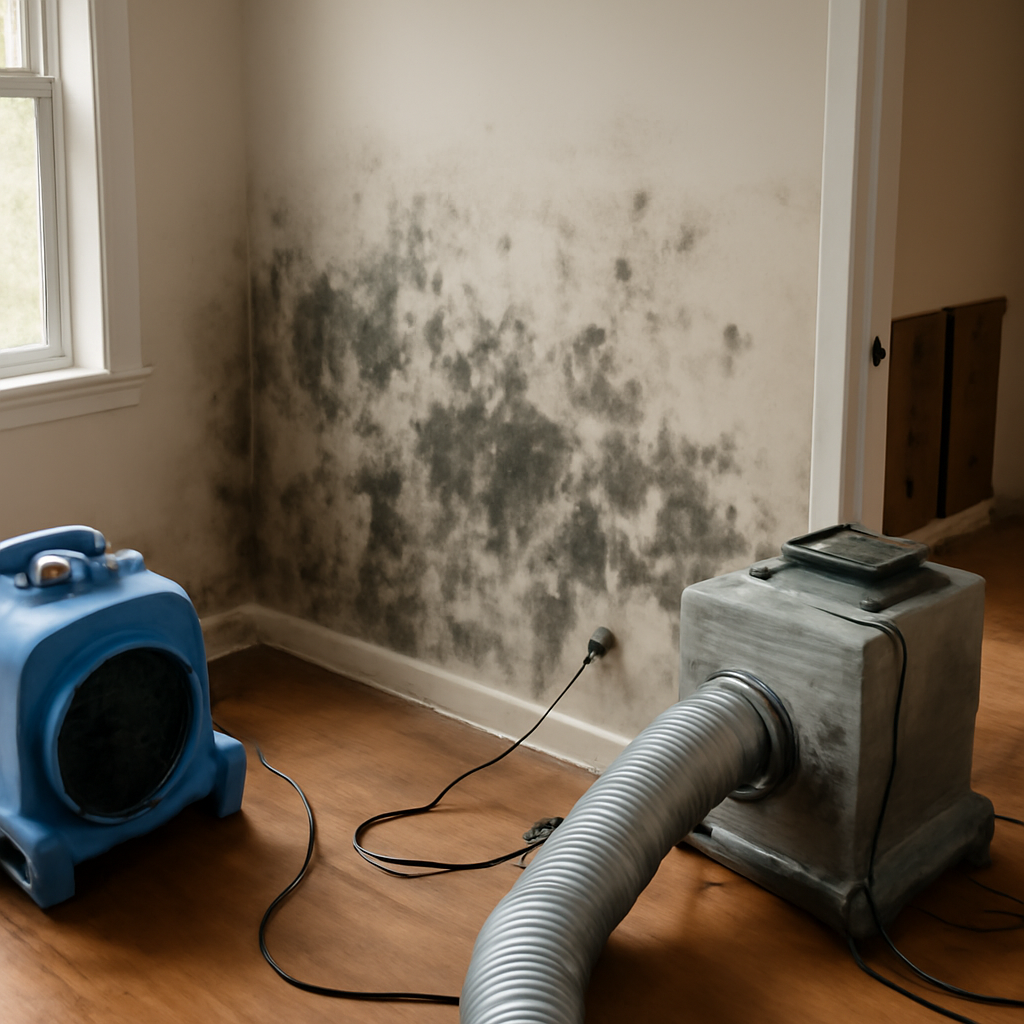
Alexandria, Virginia hugs the tidal Potomac just south of Washington, D.C., where humid summers, a high water table near the river, and a deep stock of historic and mid-century homes keep moisture problems common. Old Town’s centuries-old brick rowhouses and the postwar bungalows of Del Ray each have their own ways of trapping water. Understanding how mold remediation Alexandria projects work helps homeowners respond before small leaks damage plaster, framing, and finishes. This guide summarizes EPA and CDC guidance current as of 2026 and is educational only; consult a physician about symptoms and a certified professional for testing or remediation decisions.
Is this mold, asbestos, or water damage? Get a free instant screen
Upload a clear photo of the suspect area. You'll get an instant AI screening opinion and what to do next. This is screening guidance, not a professional determination.
Screening guidance only. AI can be wrong. Confirm asbestos, mold type, or lead with lab testing or a licensed professional before acting.
What Mold Remediation in Alexandria Involves
Remediation removes active mold and fixes the moisture that feeds it. The EPA is clear that cleaning a colony without correcting the water source simply invites regrowth. In Alexandria the source is frequently basement humidity, a tidal-influenced high water table, or a leak hidden inside old plaster walls.
A proper project moves through containment, removal of saturated porous materials, cleaning of salvageable surfaces, drying, and verification. The goal is to return indoor spore levels to normal background levels, not to sterilize the home.
Why Alexandria Homes Develop Mold
The tidal Potomac climate is the main pressure. Summers are hot and humid, and proximity to the river raises groundwater, especially in low-lying neighborhoods. Several local patterns recur:
- Basement and below-grade moisture. Homes near the waterfront sit close to the water table, and humid air condenses on cool foundation walls.
- Historic construction. Old Town’s brick and plaster homes lack modern vapor barriers and ventilation, so interior moisture lingers.
- Roof and gutter leaks. Intense mid-Atlantic thunderstorms overwhelm aging gutters on older homes, sending water into walls and attics.
Because the region is humid for months, problems develop steadily and often go unnoticed until odor or staining appears.
The diversity of Alexandria’s housing stock means no single playbook fits every home. A federal-era rowhouse with a stone-and-brick foundation handles moisture differently than a 1950s bungalow with a poured concrete basement, which differs again from a 1990s townhouse with modern framing. The same humid summer that produces efflorescence on old masonry produces classic drywall staining in a newer home. A contractor diagnosing an Alexandria mold problem has to read the building’s era before choosing a method, because the materials respond to water on their own terms.
Proximity to the District adds a transactional dimension. Alexandria’s housing market moves quickly, and mold discovered during a sale can stall a closing. Sellers who address a known moisture problem before listing, with documentation, tend to fare better than those who leave it for a buyer’s inspector to find, when the discovery carries more leverage and more alarm.
Signs You May Need Remediation
A persistent musty odor is the most reliable early signal. The CDC notes that this smell often indicates hidden growth behind walls or under floors even when surfaces look clean. Visible cues include efflorescence and dark speckling on basement walls, bubbling plaster, and warped baseboards.
Some occupants experience congestion, coughing, or eye irritation that ease away from home, though only a physician can connect symptoms to a cause. For a structured detection walkthrough, see the guide on how to check for black mold.
Alexandria’s older housing reads its warning signs differently than newer construction. In an Old Town rowhouse, the first clue is often a chalky white bloom on a brick or plaster basement wall, which is efflorescence left behind as moisture moves through masonry and evaporates. That mineral deposit is not mold itself, but it marks a moisture path that mold will follow. Plaster that sounds hollow when tapped or shows hairline bubbling can hide dampness behind it.
In the postwar bungalows of Del Ray and similar neighborhoods, the tells are more familiar: staining at the base of drywall, warped baseboards near the floor, and a basement that smells earthy after a summer storm. Either way, the tidal influence means homeowners should pay particular attention after heavy rain and during the highest river stages, when groundwater pressure peaks.
Common Mold Types in Mid-Atlantic Homes
The CDC explains that identifying the precise species of indoor mold is generally unnecessary, because every visible growth gets the same response. A handful of types recur in Alexandria’s humid, riverine setting.
Cladosporium shows as green-black speckling on damp plaster, drywall, and around windows. Penicillium and Aspergillus colonize water-damaged paper, dust, and the cellulose common in older homes, producing much of the musty smell residents notice. Stachybotrys, the greenish-black mold associated with the “toxic black mold” label, requires sustained saturation and tends to appear after a prolonged leak or a basement that stayed wet for days. Color is not a dependable measure of risk, and the EPA recommends removing all indoor mold regardless of type.
The Remediation Process Step by Step
A reputable Alexandria contractor documents each stage rather than spraying and leaving.
Moisture Assessment
Technicians trace the water with moisture meters and infrared cameras. In historic homes this means probing plaster walls carefully to avoid unnecessary demolition.
Containment
Plastic sheeting and HEPA-filtered negative air machines isolate the work area so spores do not migrate through the home.
Removal and Cleaning
Saturated drywall, plaster, and insulation are removed. Framing and masonry are HEPA-vacuumed and wiped with detergent. The EPA generally discourages routine indoor biocide use.
Drying and Clearance
Air movers and dehumidifiers dry the structure to a baseline, and a clearance check confirms readiness for rebuild. Independent verification is stronger than a self-check by the crew.
How Much Does Mold Remediation Cost in Alexandria?
Costs scale with the size of the affected area and access difficulty. Industry estimates put small contained jobs in the low four figures and whole-basement projects considerably higher once demolition and rebuild are added. The D.C. metro carries some of the higher labor and disposal rates in the country, so Alexandria pricing usually runs above national averages, and historic-home work can add cost when finishes must be matched.
Cost drivers include:
- Square footage of contaminated material
- Whether full containment is required
- Working carefully around historic plaster and trim
- Repairing the underlying leak or drainage problem
Before accepting a low bid, homeowners should review how affordable mold removal is priced, because underbid jobs that skip containment often fail clearance.
DIY Versus Hiring a Professional
The EPA’s guidance is that homeowners can usually clean mold under about 10 square feet with gloves, an N95 respirator, and standard cleaners. Larger areas, sewage contamination, and mold in HVAC systems should go to professionals.
Alexandria’s historic homes raise the stakes on DIY work. Aggressive scrubbing can damage original plaster, and surface cleaning does nothing for moisture trapped inside a masonry wall. Professionals locate the water, protect historic finishes, and contain the work so spores do not spread.
Preventing Mold After Remediation
Prevention targets the humid-climate moisture that drives Alexandria mold. The CDC recommends keeping indoor relative humidity below 50 percent, which usually means a basement dehumidifier running from late spring through early fall.
Other durable fixes include improving foundation drainage, maintaining and extending gutters, adding bathroom and kitchen exhaust fans that vent outdoors, and sealing crawl-space vapor barriers. The broader mold inspection and testing hub collects prevention checklists for humid and historic homes.
Working With Historic Homes in Old Town
Alexandria’s historic districts carry rules and realities that ordinary remediation overlooks. Many Old Town homes predate modern materials, and their plaster-on-lath walls, original trim, and masonry foundations behave differently than drywall and framing. Aggressive demolition that would be routine in a 1990s house can destroy irreplaceable finishes and, in regulated districts, run afoul of preservation requirements on exterior work.
A contractor experienced with older homes approaches the job surgically. Moisture is traced with meters and infrared before anything is opened, so the smallest possible area is disturbed. Plaster is removed in sections where it is genuinely saturated rather than torn out wholesale. Masonry is cleaned and dried rather than replaced where possible. Rebuild then aims to match the original profile, which is where the cost of historic work climbs.
Pre-1978 homes carry a second concern that intersects with mold work: older paint and building materials may contain lead or asbestos. Disturbing them during demolition can release those hazards, so a careful contractor screens for them first. The guidance on lead and asbestos in older housing is collected in the pre-1978 housing hazard guide, which is worth reviewing before any wall in an Old Town home is opened.
The Tidal Potomac and Basement Moisture Timing
Alexandria’s relationship with the river shapes its basement risk in a way inland towns do not share. The lower neighborhoods sit close to the tidal Potomac, where the water table responds to both rainfall and river stage. After a wet stretch or a period of high water, hydrostatic pressure against foundations rises, and that pressure drives moisture through cracks, cold joints, and porous masonry.
The practical effect is that basement dampness here is partly weather-driven and partly tied to the river. A summer thunderstorm that raises the Potomac can leave a waterfront-adjacent basement damp days later, even after the rain stops. Homeowners in low-lying parts of the city benefit from watching both the forecast and the river, keeping sump systems maintained, and pulling stored belongings off the floor during the wettest stretches.
Grading and drainage carry extra weight near the river. Soil that slopes toward the foundation, downspouts that discharge at the base of the wall, and clogged gutters all add water the structure does not need. Correcting those is often the highest-value prevention step for an Alexandria basement, more so than any interior treatment.
Insurance Considerations for Virginia Homeowners
Coverage follows the same pattern seen elsewhere: sudden, accidental water damage is frequently covered, while gradual humidity, seepage, and groundwater intrusion usually are not. A burst pipe or a failed water heater may trigger a covered claim that extends to the resulting mold when the homeowner mitigates promptly. Tidal and surface-water intrusion typically falls under flood or seepage exclusions and may require separate flood coverage, which matters in Alexandria’s low-lying zones.
Document carefully. Photograph the water and its source, record dates, and keep receipts for emergency drying. In an older Old Town home, also keep the contractor’s notes on any lead or asbestos screening, since that affects both safety and the scope an insurer evaluates. Review the policy’s mold sublimit before filing.
Health Considerations for Alexandria Households
The CDC reports that mold-sensitive people may experience nasal congestion, throat irritation, coughing, or itchy eyes, and that those with asthma or weakened immune systems can react more severely. This is general information, not a diagnosis. Symptoms that ease away from a damp room should be raised with a physician.
The humid mid-Atlantic season means exposure can persist for months in an untreated basement. Households with children, older adults, or anyone undergoing immune-suppressing treatment have particular reason to address a musty lower level promptly rather than waiting for the next humid summer to make it worse.
Choosing a Qualified Alexandria Contractor
Virginia does not maintain a separate license for mold remediation contractors, so credentials and documented process matter. Look for technicians certified through recognized industry programs, a written scope of work, and independent post-remediation verification. Hiring separate firms for assessment and cleanup reduces the conflict of interest that arises when one company both diagnoses and profits from the repair.
Collect at least two itemized estimates, confirm liability insurance, ask about experience with historic homes, and get in writing what happens if clearance testing fails.
References
- Mold Cleanup in Your Home — U.S. Environmental Protection Agency
- About Mold and Your Health — Centers for Disease Control and Prevention
- Mold and Indoor Air Quality — American Lung Association
If you are buying or selling along the Front Range and want a connection to a vetted local inspector, get in touch through our contact page.