Mold Prevention Company: A Homeowner Guide
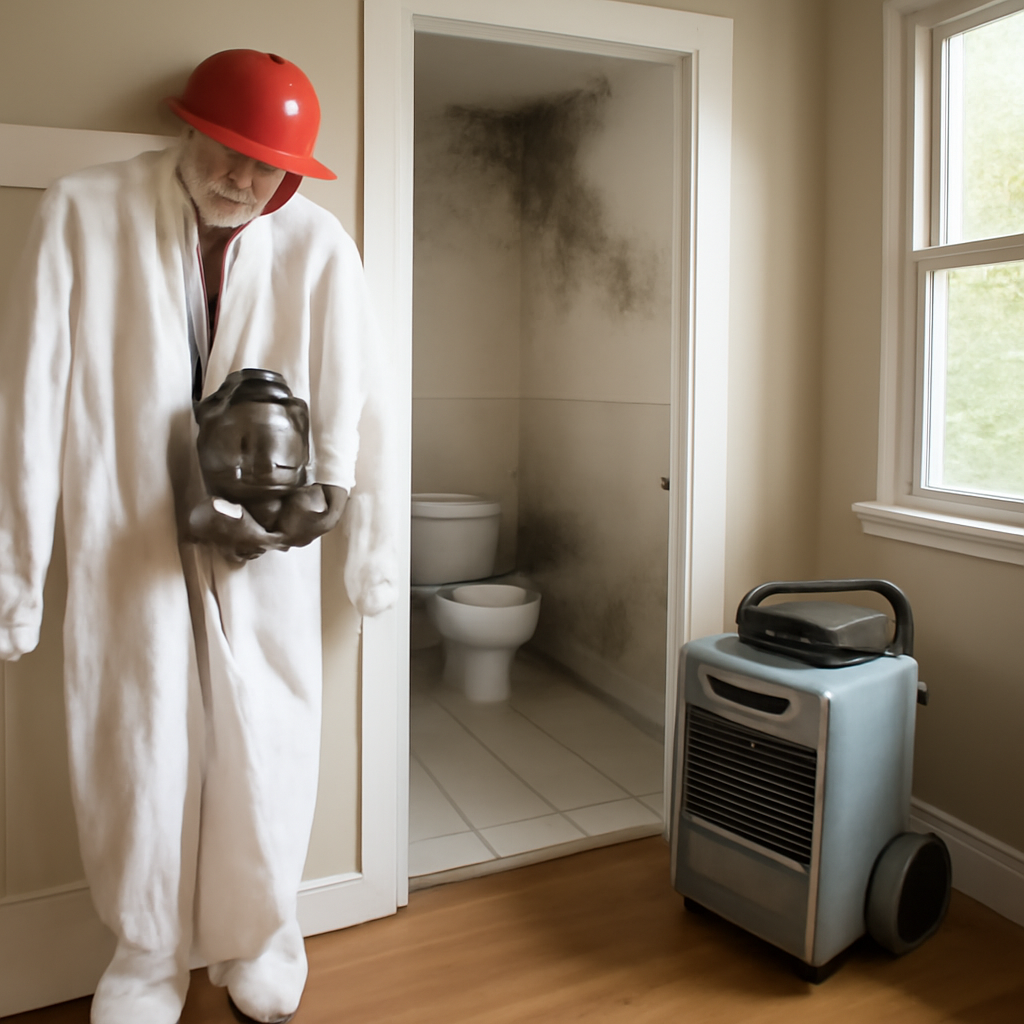
Most homeowners only think about mold after they find it. A mold prevention company flips that logic, focusing on the moisture conditions that allow mold to grow so the problem never takes hold. These services range from humidity control and waterproofing to ongoing monitoring, and they can be especially valuable for homes with a history of dampness. Knowing what a mold prevention company actually offers helps you decide whether the investment fits your situation. This guide summarizes EPA and CDC guidance current as of 2026 and is educational only; consult your physician about symptoms and a certified professional for testing decisions.
Part of our Types of Mold guide — start there for the full picture →
Is this mold, asbestos, or water damage? Get a free instant screen
Upload a clear photo of the suspect area. You'll get an instant AI screening opinion and what to do next. This is screening guidance, not a professional determination.
Screening guidance only. AI can be wrong. Confirm asbestos, mold type, or lead with lab testing or a licensed professional before acting.
What Does a Mold Prevention Company Do?
A mold prevention company works on the root cause of mold rather than the mold itself: moisture. The EPA is consistent on this point, mold cannot grow without sustained dampness, so controlling water is the entire game. A prevention-focused firm assesses where moisture enters or accumulates in a home and installs systems and habits to keep surfaces and air dry.
Typical work includes measuring indoor humidity, inspecting for leaks and condensation, evaluating drainage and grading, checking crawlspaces and basements, and recommending or installing controls such as dehumidifiers, vapor barriers, improved ventilation, and waterproofing. The goal is a home where spores, which are always present, never find the dampness they need.
Prevention Versus Remediation
It helps to separate two distinct services. Remediation removes existing mold and fixes the immediate moisture source after a problem has occurred. Prevention aims to stop mold before it grows, often in a home that is currently clean but vulnerable. Some companies do both; many remediation firms offer prevention add-ons after a cleanup.
Homeowners who have just completed a cleanup are often the best candidates for prevention services, since the conditions that caused the first problem may still exist. The mold inspection and testing hub explains how an assessment identifies those lingering risk factors.
Common Prevention Services
Humidity Control
Keeping indoor relative humidity below 50 percent is the foundation of prevention. A prevention company may install whole-house or crawlspace dehumidifiers, add humidistats, and tune HVAC systems so they manage moisture as well as temperature. In humid climates, this is the single highest-impact measure.
Waterproofing and Drainage
Basement and crawlspace waterproofing, interior drainage, sump pumps, and exterior grading keep groundwater and stormwater out of the structure. These measures address the chronic seepage that feeds long-term mold and wood decay in below-grade spaces.
Ventilation Improvements
Adding or upgrading bathroom and kitchen exhaust fans, improving attic ventilation, and ensuring dryers vent outside removes moisture-laden air at the source. Poor ventilation is a leading cause of recurring bathroom and attic mold.
Vapor Barriers and Encapsulation
In crawlspaces, sealing the ground with a vapor barrier and encapsulating the space blocks soil moisture from rising into the home. This is a well-established prevention technique for the damp crawlspaces common in many regions.
What Prevention Services Cost
Costs vary widely by service. A humidity assessment and a quality dehumidifier may run a few hundred dollars, while crawlspace encapsulation or full basement waterproofing can reach several thousand depending on size and conditions. Ventilation upgrades fall somewhere in between. Because prevention is an investment against future damage, compare the cost against the price of a future remediation plus repairs.
Homeowners weighing that trade-off can review the cost to remediate mold guide to see what they may be avoiding by investing in prevention now.
Who Benefits Most From a Prevention Company
Prevention services make the most sense for homes with a damp basement or crawlspace, properties in humid climates, houses with a history of leaks or past mold, and buildings that sit vacant for stretches. Homeowners with family members who have asthma or allergies also benefit from keeping indoor dampness low, since the CDC links damp indoor environments to respiratory symptoms.
For a home that is consistently dry and well-ventilated, prevention may amount to simple maintenance habits rather than installed systems. A good company will tell you when you do not need expensive equipment.
Health Considerations
The CDC and NIEHS associate indoor dampness and mold with respiratory irritation, coughing, wheezing, and aggravated asthma, with greater risk for sensitive groups. Prevention reduces the conditions linked to these symptoms, but no service guarantees a mold-free home, and prevention is not medical treatment. Anyone experiencing persistent symptoms should consult a physician.
How to Choose a Mold Prevention Company
Look for firms with relevant certifications (IICRC for moisture and water-restoration work), proof of insurance, and a willingness to assess before they sell. Be wary of any company that pushes a single expensive product without first measuring your home’s actual moisture conditions. A trustworthy provider explains why a given measure addresses your specific risk.
Ask for references, a written scope, and a clear explanation of what maintenance the systems require. Independence matters too: a company that profits from selling equipment has an incentive to recommend it, so a separate assessment can be worthwhile. Pairing prevention with a professional mold cleaning service only when needed keeps the spending proportional to the problem.
Prevention Steps You Can Do Yourself
Not everything requires a contractor. Homeowners can keep humidity below 50 percent with a hygrometer and a dehumidifier, run exhaust fans, fix leaks within 24 to 48 hours (the EPA’s window for stopping colonization), clean gutters, slope soil away from the foundation, and avoid storing cardboard and fabric on damp floors. These habits handle most everyday risk; companies add value where structural moisture or specialized equipment is involved.
What a Prevention Assessment Looks Like
A thorough prevention assessment starts with measurement, not sales. The company should record indoor relative humidity in several rooms, inspect the basement and crawlspace for seepage and condensation, check the HVAC system and condensate drain, evaluate exterior grading and gutters, and look for the early warning signs of past moisture, such as efflorescence, staining, or musty odor.
From that data, a credible provider builds a prioritized plan: the highest-impact, lowest-cost measures first. A reputable assessment distinguishes between problems that genuinely need installed equipment and risks a homeowner can manage with simple habits. Be wary of any company that arrives with a single product to sell before it has measured anything.
Prevention for Different Home Types
The right prevention strategy depends on the building. A home with a damp basement benefits most from drainage, a sump system, and a dedicated dehumidifier. A house with a vented crawlspace often needs encapsulation and a ground vapor barrier. A slab home in a humid climate leans on HVAC sizing and humidity control. An older home with poor ventilation needs exhaust-fan upgrades and attic airflow improvements.
A one-size-fits-all package rarely fits any specific home well. The value of a prevention company lies in matching the measure to the moisture pathway, which is why measurement should always precede recommendations.
Ongoing Monitoring and Maintenance Plans
Some prevention companies offer recurring service: periodic humidity checks, dehumidifier maintenance, drain cleaning, and seasonal inspections. For homes with chronic moisture challenges or owners who travel, this can be worthwhile, since the equipment that prevents mold only works if it keeps running. A clogged dehumidifier drain or a tripped sump pump can quietly undo the protection you paid for.
Homeowners who prefer to self-manage can replicate much of this with a smart humidity sensor, a calendar reminder for filter and drain checks, and a quick seasonal walk-through of basements, crawlspaces, and the areas around plumbing.
Prevention Versus the Cost of Doing Nothing
The case for prevention is essentially a comparison of two numbers: the cost of controlling moisture now versus the cost of remediation, repairs, and lost time later. A few hundred dollars in dehumidification and ventilation is small against a multi-thousand-dollar remediation with reconstruction, and prevention also avoids the disruption and potential health exposure that come with an active mold problem. For homes with known risk factors, prevention is usually the cheaper long-term path.
Seasonal Prevention Strategies
Mold risk shifts with the seasons, and a good prevention plan adapts. In humid summer months, the priority is dehumidification and AC maintenance to keep indoor moisture in check. In cooler months, condensation becomes the bigger threat as warm indoor air meets cold windows and exterior walls, so ventilation and addressing cold-surface condensation matter most. Spring snowmelt and rain test drainage and gutters; fall is the time to clear them before winter.
A prevention company that understands these cycles can schedule checks and maintenance to match, rather than treating the home as static. Homeowners managing it themselves can build a simple seasonal checklist around the same logic.
Red Flags When Hiring a Prevention Company
Several warning signs should give a homeowner pause. A company that quotes expensive equipment before measuring the home’s actual moisture conditions is selling a product, not solving a problem. Claims that a single device will “eliminate all mold” misunderstand the science, since spores are always present and the real target is moisture. High-pressure sales tactics, vague scopes, and reluctance to provide references or proof of insurance are all reasons to look elsewhere.
The strongest providers lead with assessment, explain why each recommended measure addresses your specific moisture pathway, and are willing to tell you when simple habits will do the job without costly installation.
Combining Prevention With Periodic Inspection
Prevention works best alongside periodic checks that confirm the controls are still doing their job. A dehumidifier with a clogged drain, a tripped sump pump, or a disconnected dryer vent can quietly undo months of protection. Pairing installed prevention measures with an annual or seasonal inspection, whether by a professional or a diligent homeowner walking the basement, crawlspace, and plumbing areas, ensures small failures get caught before they become mold problems. Prevention is not a one-time purchase so much as an ongoing habit supported by the right equipment.
Measuring the Return on Prevention
Homeowners naturally want to know whether prevention spending pays off, and the honest answer is that it depends on the home’s risk profile. For a property with a chronically damp basement, a humid climate, a vulnerable crawlspace, or a history of mold, prevention almost always returns more than it costs, because the alternative, repeated remediation plus reconstruction plus the disruption and potential health exposure, is far more expensive. A few hundred dollars in dehumidification and ventilation, or a few thousand in crawlspace encapsulation, looks small against a multi-thousand-dollar cleanup that may recur. For a home that is already dry, well-ventilated, and free of moisture intrusion, the return is lower, and simple maintenance habits may suffice instead of installed equipment.
The clearest way to judge the value is to have a prevention company, or an independent assessor, measure the home first and identify the actual moisture pathways. With that information, a homeowner can weigh the specific cost of controlling a real risk against the specific cost of the problem it would prevent, rather than buying equipment on speculation. A trustworthy provider welcomes this analysis, because its recommendations rest on measured conditions rather than on a generic upsell. Prevention, approached this way, becomes a calculated investment in avoiding a known and quantifiable future cost, which is a far stronger footing than reacting to mold after it has already done its damage.
More Questions About Mold Prevention Companies
How do I find a reputable mold prevention company?
A reputable mold prevention company starts with a moisture assessment, explains the cause it finds, and provides a written scope with itemized costs before any work begins.
Ask for proof of liability insurance, relevant training such as IICRC water damage or mold credentials, and references from recent jobs. Check state contractor licensing where it applies. Compare at least two or three bids. Be cautious of firms that push a whole-house treatment without identifying a moisture source, or that sell testing and prevention in a single high-pressure visit.
Do mold prevention companies offer warranties?
Many mold prevention companies offer warranties, but the terms vary widely and often cover only the installed product, not future mold growth.
A crawl space encapsulation may come with a liner warranty, and a dehumidifier carries a manufacturer warranty, while antimicrobial coatings are sometimes sold with short guarantees. Read the conditions carefully: many require annual service visits, exclude new leaks or flooding, and become void if the home’s moisture conditions change. A warranty is only as good as the company’s history and staying power.
Are antimicrobial fogging treatments worth paying for?
Antimicrobial fogging is generally not worth paying for as a stand-alone prevention service, because it does not remove existing growth or fix the moisture that allows mold to return.
The EPA’s guidance focuses on moisture control and physical removal of mold rather than chemical treatments. Fogging may have a narrow role after professional cleaning in some projects, but it should never substitute for repairing leaks, improving ventilation, and drying materials. A proposal built mainly around fogging is a reason to get a second opinion.
Should I hire a mold prevention company before buying a house?
Hiring a mold prevention company before buying a house is rarely necessary; a home inspection, plus a moisture-focused evaluation when red flags appear, is usually the right first step.
Signs worth a closer look include basement water stains, efflorescence on foundation walls, a damp crawl space, musty odors, and evidence of past leaks. A home inspector can flag these, and the buyer can request quotes for drainage, dehumidification, or encapsulation during the inspection period. Those estimates help negotiate repairs or a price credit.
Do mold prevention companies work on commercial properties and rentals?
Yes, many mold prevention companies also serve rental properties, condos, and small commercial buildings, often through scheduled inspection and maintenance contracts.
Landlords use these services to catch leaks and humidity problems between tenants and to document conditions in case of disputes. Multi-unit buildings add shared walls, plumbing stacks, and common ventilation, which can spread moisture problems between units. Property owners should confirm the company has experience with the building type and understands local housing code requirements related to moisture and mold.
References
- A Brief Guide to Mold, Moisture and Your Home — U.S. Environmental Protection Agency
- About Mold and Health — Centers for Disease Control and Prevention
- Mold and Your Health — National Institute of Environmental Health Sciences
Frequently asked questions
What is the difference between a mold prevention company and a remediation company?
A prevention company controls moisture to stop mold before it grows, while a remediation company removes existing mold after a problem occurs. Some firms offer both, and prevention is often added after a cleanup to keep the issue from returning.
Is hiring a mold prevention company worth it?
It can be, especially for homes with damp basements, crawlspaces, humid climates, or past mold history. Compare the cost of prevention against the likely cost of future remediation and repairs to judge the value.
What is the most important mold-prevention measure?
Humidity control. Mold cannot grow without sustained dampness, so keeping indoor relative humidity below 50 percent with ventilation and dehumidification is the highest-impact step the EPA emphasizes.
Can I prevent mold without hiring a company?
Often yes. Keeping humidity below 50 percent, running exhaust fans, fixing leaks within 24 to 48 hours, and maintaining drainage handle most everyday risk. Companies add value for structural moisture and specialized equipment.
How often should a mold prevention company inspect a home?
Once a year is a common schedule for a mold prevention inspection, with extra checks after major storms, plumbing leaks, or flooding. Homes with crawl spaces, finished basements, or a history of moisture problems benefit most from regular visits. Between inspections, a homeowner can track humidity with an inexpensive hygrometer.
Can a mold prevention company help with musty odors?
Yes, a mold prevention company can usually trace musty odors to their moisture source, such as a damp crawl space, a leaking fixture, or a clogged condensate line. Fixing the source and lowering humidity typically removes the smell. Masking odors with deodorizers or ozone does not address the cause.
Is mold prevention tax deductible?
Mold prevention work on a personal residence is generally not tax deductible. Expenses on a rental property may count as repairs or improvements under different rules. Some medical-related home modifications can qualify in limited cases. A tax professional can confirm how a specific project should be treated.
If you want to protect a Front Range home from moisture problems before they start, get in touch through our contact page to connect with a vetted local inspector who can assess your risk.