Mold Inspection Broward: A Homeowner Guide
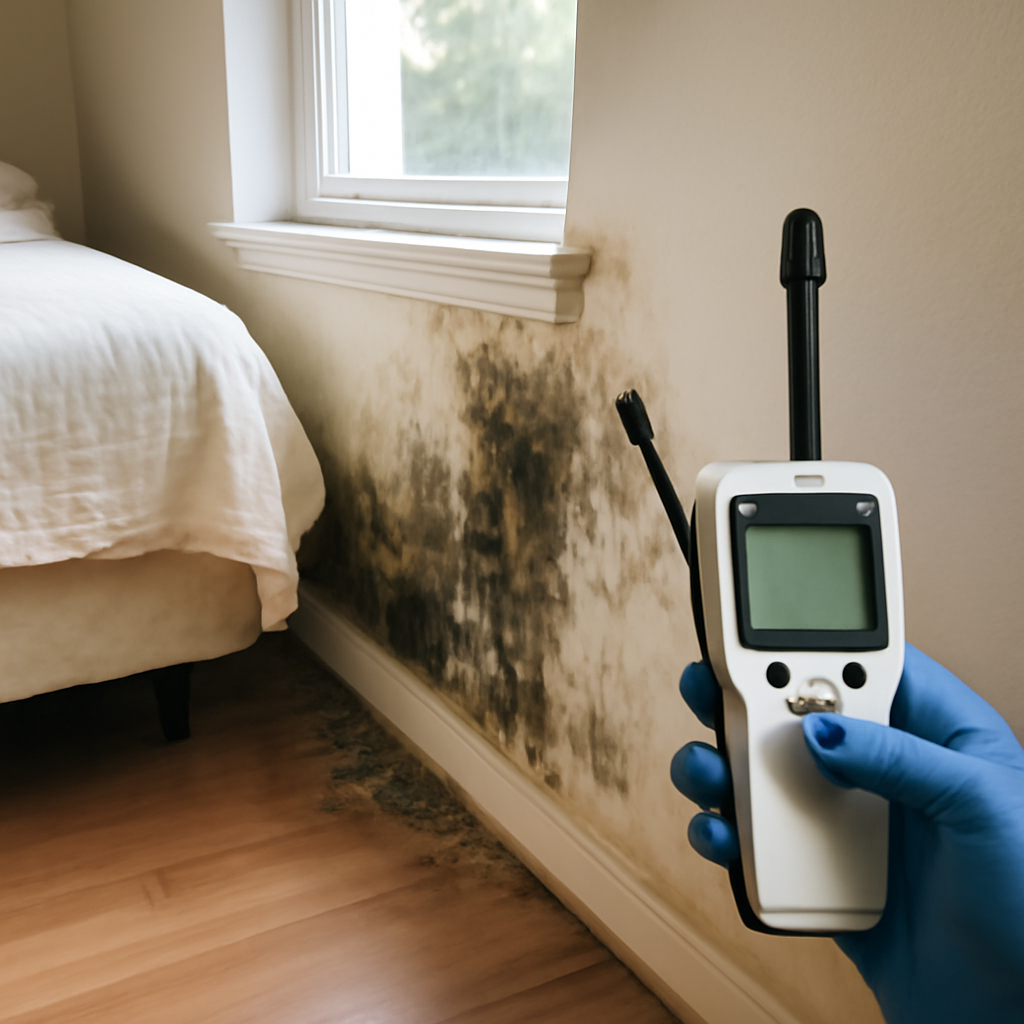
Broward County, anchored by Fort Lauderdale and stretching across South Florida’s humid coastal plain, ranks among the most mold-prone places in the country. Year-round heat, daily summer rain, hurricanes, and homes that sit closed up while owners travel give mold constant opportunity. A proper mold inspection broward residents schedule does more than confirm a stain, it traces the moisture source so the problem can actually be solved. This guide summarizes EPA and CDC guidance current as of 2026 and is educational only; consult your physician about symptoms and a certified professional for testing decisions.
Is this mold, asbestos, or water damage? Get a free instant screen
Upload a clear photo of the suspect area. You'll get an instant AI screening opinion and what to do next. This is screening guidance, not a professional determination.
Screening guidance only. AI can be wrong. Confirm asbestos, mold type, or lead with lab testing or a licensed professional before acting.
What a Mold Inspection in Broward Involves
A mold inspection is a systematic search for visible growth, hidden moisture, and the conditions that allow mold to thrive. A qualified inspector walks the property, uses moisture meters and sometimes thermal imaging to find dampness behind finishes, checks the HVAC system, and documents findings with photos. In Florida, a licensed mold assessor follows a defined protocol and produces a report distinct from any remediation work.
The EPA stresses that the inspection’s real job is identifying the water source. Finding mold on a closet wall matters less than learning why that wall is wet, whether from a roof leak, a plumbing failure, condensation, or chronic high humidity.
Why Broward County Is So Mold-Prone
South Florida combines high heat, dew points in the 70s for much of the year, and intense afternoon storms. The CDC notes that mold needs only sustained dampness, and Broward supplies it relentlessly. Concrete-block homes resist some moisture but trap it in wall cavities, while flat or low-slope roofs common in the area are prone to leaks.
Air conditioning is the front line of defense, so when seasonal residents or absentee landlords shut it off, indoor humidity climbs past 70 percent within days and mold blooms on vents, drywall, and furnishings. Hurricane intrusion through roofs and windows adds sudden, large-scale moisture events.
What the Inspector Checks
A thorough Broward inspection covers the AC system and ductwork, a frequent source of hidden mold in Florida, along with bathrooms, kitchens, laundry areas, window frames, and any room with reported odors. The inspector measures indoor humidity, scans suspect walls with a moisture meter, and may use a borescope to view inside cavities without major demolition.
Homeowners deciding whether they need a full inspection or just a visual check can review the mold inspection and testing hub for guidance on matching the assessment to the problem.
Air and Surface Sampling
Inspectors may collect air samples (indoor versus outdoor spore counts) and surface samples (tape lifts or swabs) sent to a lab. Sampling can confirm whether indoor levels exceed the outdoor baseline and document conditions for insurance or real-estate disputes. The CDC does not require species identification to justify cleanup, since the response to any indoor mold is the same. Sampling’s value is documentation, not deciding whether to remove mold you can already see.
When Sampling Adds Value in Broward
Sampling is most useful when mold is suspected but not visible, when a buyer and seller disagree, or when an insurance claim needs supporting evidence. For obvious visible growth with a known leak, the EPA notes that testing rarely changes the corrective action.
Mold Inspection Costs in Broward
A visual mold inspection in the Broward area typically falls in a modest flat-fee range, with lab sampling adding a per-sample charge. Larger homes, AC-system assessments, and multiple sample points raise the total. Industry estimates put a basic inspection with a couple of samples in the low-to-mid hundreds, though pricing varies by company and home size.
If the inspection reveals significant growth, remediation is a separate cost. The cost to remediate mold guide helps homeowners understand what may follow an inspection that finds a problem.
Health Considerations
The CDC and NIEHS link indoor dampness and mold to respiratory irritation, coughing, wheezing, and worsened asthma, with greater risk for children, older adults, and immunocompromised people. No home test diagnoses mold-related illness, and an inspection assesses the building, not your health. Persistent symptoms call for a physician’s evaluation.
Choosing a Mold Inspector in Broward
Florida licenses mold assessors through the Department of Business and Professional Regulation, and state rules generally bar one company from both assessing and remediating the same project. That separation protects you from a built-in incentive to find more work. Verify the assessor’s current state license, ask for a sample report, and confirm the inspection includes moisture mapping rather than just a visual walk-through.
For owners who already suspect a problem, pairing the inspection with a residential mold remediation contractor afterward, kept as a separate party, preserves that independence.
Acting on the Report
A good inspection report names the moisture source, maps the affected area, and recommends next steps. Prioritize fixing the water, repairing the leak, improving AC and ventilation, or correcting drainage, before or alongside any mold removal. The EPA’s 24-to-48-hour drying window applies to any new water intrusion, so prompt action prevents the next colonization.
Mold Inspection During a Real Estate Transaction
In Broward’s busy housing market, a mold inspection is frequently part of due diligence before closing. Buyers of older homes, post-storm properties, or houses that have sat vacant are wise to add a mold assessment to the standard home inspection. The findings can support a repair request, a price adjustment, or a decision to walk away from a property with hidden moisture damage.
Sellers benefit too. A clean, documented inspection, or a documented remediation with clearance testing, removes a common point of negotiation friction. Because Florida separates the assessor and remediator roles, the inspection report carries independent weight that both parties can trust.
What the Inspection Report Should Contain
A useful Broward inspection report does more than note “mold present.” It identifies the moisture source, maps the affected area with measurements, documents indoor humidity readings, includes photos, and recommends specific next steps. If sampling was done, it should compare indoor to outdoor spore levels and name the genera found, with interpretation rather than a bare number.
Be cautious of a one-page report that simply states a result with no moisture diagnosis. Without identifying where the water comes from, even a thorough mold count leaves the underlying problem unsolved, which is exactly what the EPA warns against.
Common Hidden Mold Locations in Broward Homes
Beyond the obvious bathrooms and windows, Broward inspectors pay special attention to the air handler closet, where condensation collects, and the supply plenum and registers, which can distribute spores through the home. Behind kitchen cabinets near plumbing, under laundry-room appliances, inside wall cavities below leaking windows, and in attics with poor ventilation are other frequent finds.
Concrete-block exterior walls deserve scrutiny too. Moisture that penetrates stucco or migrates through block can grow mold on the interior drywall facing, often without any visible exterior sign until staining appears inside.
Seasonal and Vacant-Home Inspections
Broward’s snowbird and rental market means many homes sit empty for months. A mid-season or pre-arrival inspection catches problems that bloom when the AC is off and humidity climbs. Owners returning to a closed-up home that smells musty should schedule an assessment before assuming the odor will simply air out, since the smell usually signals an active colony that will keep growing until the moisture is addressed.
Inspection Versus Testing: Knowing the Difference
Homeowners often use “inspection” and “testing” interchangeably, but they are distinct. An inspection is the broader process: a trained assessor examines the property, maps moisture, checks the HVAC system, and identifies the source and extent of any growth. Testing, air or surface sampling sent to a lab, is one optional tool within an inspection. The EPA notes that for visible mold with a known moisture source, sampling rarely changes what you should do, so a quality inspection often matters more than a lab number.
In Broward, a good inspection answers the practical questions, where is the water, how far has mold spread, and what needs to happen, while testing mainly adds documentation. Paying for sampling without a thorough moisture investigation gives you data without direction.
How to Prepare for a Mold Inspection
A little preparation makes an inspection more productive. Note where you have seen growth or smelled musty odors, and when. List any past leaks, storm intrusion, or vacancy periods. Make sure the inspector can access the AC closet, attic, under-sink cabinets, and any rooms with reported problems. Avoid running fans or opening all the windows right before the visit, since that can temporarily mask humidity and odor the inspector needs to assess.
Sharing the home’s history, especially storm damage or prior remediation, helps the inspector target the assessment rather than starting blind.
After the Inspection: Next Steps
A useful report names the moisture source, maps the affected area, and recommends action. If it finds significant growth, the priority is fixing the water, repairing a leak, clearing a condensate drain, improving ventilation, before or alongside removal. For larger problems, a separate remediation contractor handles the cleanup, and an independent clearance test confirms success. The EPA’s 24-to-48-hour drying window applies to any new intrusion, so acting promptly on the report’s findings prevents the next round of growth in Broward’s humid climate.
How Often Broward Homeowners Should Inspect
Given South Florida’s relentless humidity, periodic mold awareness pays off more here than in drier regions. While a full professional inspection is not an annual necessity for most homes, an attentive homeowner gains a great deal from regular self-checks of the high-risk zones: the air handler closet, around AC vents, under sinks, behind the washing machine, along window frames, and in any room that smells musty. Catching a musty odor or a small stain early, and tracing it to its moisture source, often prevents the larger problem that a delayed discovery becomes.
A professional inspection makes sense at specific moments: before buying a home, after any storm or flood, when reopening a property that has sat vacant, when a persistent musty odor has no obvious source, or when household members report symptoms that ease away from the house. Seasonal owners and landlords benefit from a check between occupancies, since a closed-up Broward home with the AC off can develop a problem within weeks. Building this rhythm of attention, frequent informal checks plus professional assessment at key transitions, matches the inspection effort to the genuine risk the climate poses, and it keeps small moisture issues from quietly becoming the kind of hidden, system-wide growth that is expensive to remediate. The goal is not constant worry but informed vigilance in a place where moisture never really lets up.
This rhythm also pays off financially. A homeowner who catches and addresses a small moisture problem during a routine self-check avoids the far larger expense of remediating growth that has spread through walls or the HVAC system undetected. The cost of an occasional professional inspection at key moments, plus the time spent on regular informal checks, is trivial against the price of a full remediation with reconstruction. In Broward, where the climate works steadily in mold’s favor, that modest, ongoing attention is the most cost-effective form of protection a homeowner has. The homeowners who fare best are not the ones who never encounter mold, but the ones who notice it early, understand where the moisture is coming from, and act before a small problem spreads into the walls and air system of the house.
References
- Mold and Health — U.S. Environmental Protection Agency
- About Mold and Health — Centers for Disease Control and Prevention
- Mold and Indoor Air Quality — American Lung Association
Buying or maintaining a home in Broward County and want clarity on a moisture or mold concern before you commit? Get in touch through our contact page to connect with a vetted inspector.