Moisture Meter Amazon: What Homeowners Need to Know
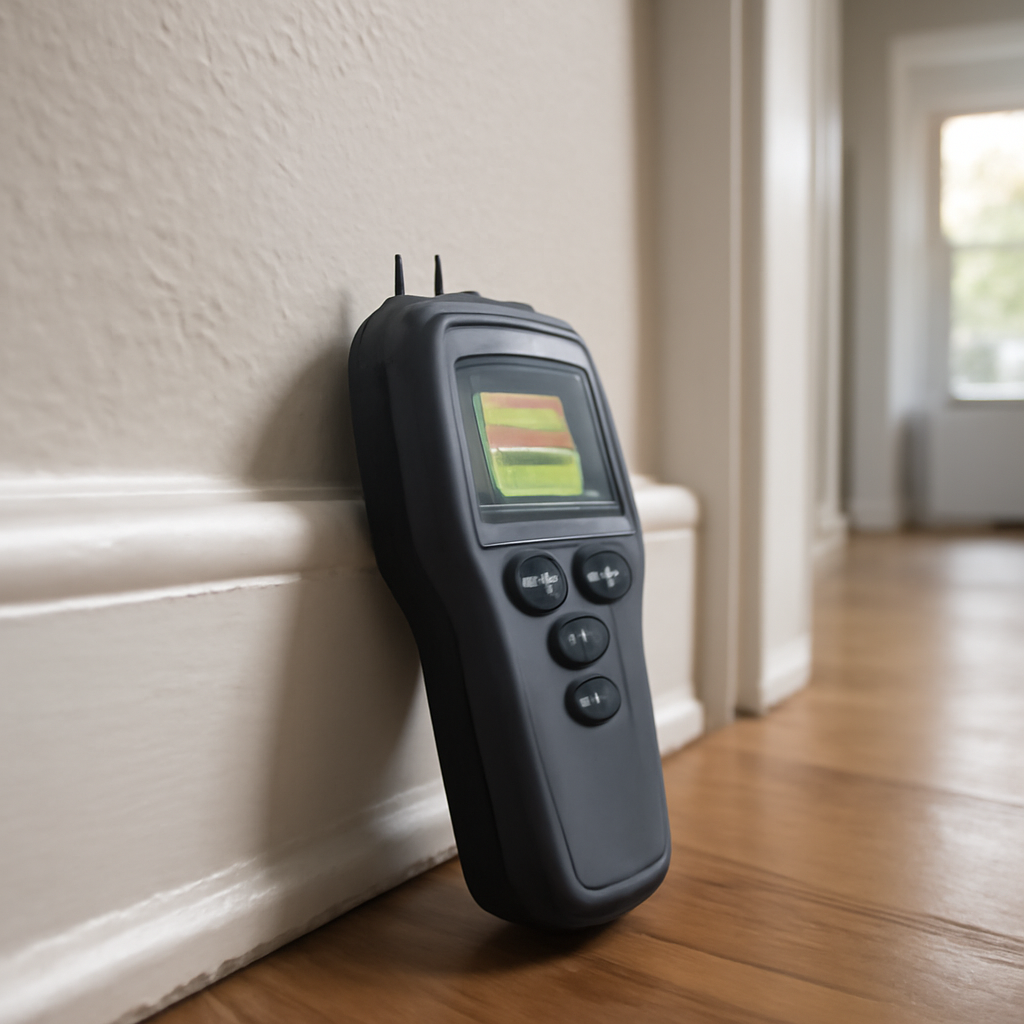
Searching moisture meter Amazon turns up thousands of listings, and the platform’s filters and presentation choices shape what most shoppers actually end up buying. This guide focuses on the browsing experience itself, the filters that narrow the field productively, the product photos and listings that signal credibility, and the suspect patterns that indicate a listing worth skipping. The angle is methodology rather than specific product picks. For tool standards we route to energy.gov, ASHRAE, InterNACHI, and ICC publications rather than manufacturer marketing.
The Filter Sequence That Saves Time
Amazon’s left-sidebar filters on the moisture meter category page handle the heavy lifting if applied in order.
Category Department
Starting in the Tools & Home Improvement department rather than the general search results filters out the listings that are unrelated to building moisture meters, like hydroponics meters for plants. The category narrows the field by roughly an order of magnitude.
Price Range
Setting a price range early reflects the tier shopping you are actually doing. Under $40 selects the budget tier. $40 to $120 selects the mid-tier dual-mode meters. $120 and up selects professional-grade. Each tier has different buying considerations and mixing them produces an unhelpful comparison set.
Average Customer Review
The 4-stars-and-up filter eliminates the listings with consistent quality complaints. It does not eliminate all the problem listings, but it removes most of them.
Brand
If you have specific brands in mind from independent research, brand filtering produces the cleanest comparison. If you are open to discovery, leaving brand unfiltered helps surface alternatives but produces more noise.
What to Look For in Product Photos
Product photography on Amazon listings ranges from professionally produced manufacturer images to phone-snapped images on a kitchen counter. The differences matter.
Multiple Angles of the Actual Device
Legitimate listings typically show the meter from front, back, and side, plus a close-up of the LCD readout and a shot of the probe area. Listings with only a single hero shot or only renderings rather than photographs of the actual product deserve more scrutiny.
Calibration Block or Accessories Included
Photos showing what is actually in the box including any calibration verification block, replacement probe set, carrying case, or batteries help confirm the listing matches what arrives. Listings that show items in the photo that the description does not mention are a common bait pattern.
Scale Reference
A hand holding the meter, or a coin or ruler in the frame, gives the buyer accurate size information. Pure white-background isolation shots can make small budget meters look like professional handheld units.
Real Use in Context
Photos of the meter being used on actual building materials suggest the seller has tested the product or at least understands the use case. Listings with only studio shots and no contextual usage often come from generic resellers rather than manufacturers or specialty distributors.
Suspect Listing Patterns
Five patterns recur on listings that disappoint buyers.
Identical Photos Across Multiple Brands
The same product image appearing under three or four different house-brand names indicates a single factory-direct meter being relabeled. The cheapest of the bunch is usually the same meter at a lower margin. The most expensive is the same meter with markup. Choose by price and seller reputation rather than by brand.
Spec Mismatches Within the Listing
The bullet-point summary, the description, and the technical specification table sometimes disagree. Listings with internal contradictions about accuracy, measurement range, or pin count typically reflect a seller copying text from multiple sources without verification.
Overstated Accuracy Claims
Budget meters claiming plus or minus 0.5 percent accuracy across all materials are not credible. Mid-tier meters realistically achieve 2 to 3 percent. Professional-tier reaches 1 to 2 percent under controlled conditions. Listings claiming accuracy that does not match the price tier are exaggerating.
Reviews That Praise Unrelated Products
Some listings inherit reviews from older or unrelated products on the same ASIN. Reviews that praise the wrong feature set, mention specifications the current listing does not have, or describe a different device entirely indicate a listing that has been swapped or merged.
Brand New Listings With Hundreds of Five-Star Reviews
A listing dated within the past few weeks with high review volume is improbable through organic accumulation and often indicates review manipulation. The verified-purchase filter helps separate this.
Pin Versus Pinless: What the Listing Should Say
The pin-versus-pinless distinction is important enough that it should be one of the first details a credible listing clarifies. Pin meters drive small probes into the material. Pinless meters scan electromagnetically through a contact pad. Dual-mode meters do both. The listing should tell you which mode the meter operates in within the title or first bullet point. Listings that bury this detail or use the terms inconsistently are not making it easy for the buyer.
For most homeowner use cases the dual-mode meter at the mid-tier price point is the practical choice. Pin mode for accurate readings on wood and framing. Pinless mode for non-destructive scanning of finished surfaces. Our companion article on portable moisture meter options covers the form-factor decisions.
Reading the Reviews Productively
Reviews on Amazon listings can inform a purchase decision if read systematically.
Sort by Most Helpful Critical
The most-helpful three-star and four-star reviews typically contain the actionable information. Specific complaints about accuracy, durability, battery life, or shipped condition help calibrate expectations.
Look for Use-Case Match
Reviews from buyers using the meter for similar projects to yours have more relevance than general praise. A reviewer using the meter on firewood may have different priorities than one using it on basement drywall.
Watch for Repeated Failure Modes
Multiple reviews mentioning the same specific failure point, like a particular pin breaking or the readings drifting after a few months, indicate a known weakness in that model.
Check Recent Reviews Separately
Manufacturers sometimes change suppliers or specifications mid-listing. Reviews from the past three months may reflect a different actual product than reviews from a year ago on the same ASIN.
Verifying Before Trusting
The buyer should verify the meter performs as claimed before relying on readings. A calibration check block, often included with mid-tier and professional meters and inexpensive to purchase separately, has a known moisture-equivalent reading. Pressing the meter against the block and confirming the readout matches the block value verifies the meter works. Energy.gov building-science publications and ASHRAE moisture-management references treat meter verification as standard practice on any project where readings inform decisions.
Return Process When the Meter Disappoints
Amazon’s 30-day return window applies to most moisture meter listings. The verification testing in the first week protects the buyer if the meter fails to perform. Documenting the verification with photos protects against any return dispute. Most returns process within a week of the meter arriving back at the warehouse. Refunds typically apply to the original payment method.
Front Range Considerations
Colorado homes show moisture patterns that benefit from periodic meter verification rather than visual guesswork. Snowmelt at basement foundations, ice-dam leaks at eaves, sprinkler overspray against siding, and humidifier-driven condensation in HVAC plenums all produce measurable elevations on building materials. Denver, Boulder, Douglas, Jefferson, and Arapahoe County homes encounter these patterns seasonally. A homeowner with a meter and a basic understanding of what readings mean catches problems early enough to avoid larger remediation costs.
When to Step Up From a DIY Meter
The homeowner moisture meter is a diagnostic tool. It is not a replacement for a professional inspection when readings suggest a significant problem. Elevated readings across multiple wall sections, readings that do not respond to source-correction attempts, or any reading associated with HVAC components warrant a licensed inspector. The meter helps identify what should be looked at. The professional determines what should be done. Homeowners researching the broader tool category can read our home inspection tools buyer guide.
Comparing Multiple Listings Side by Side
Amazon’s compare feature works adequately on category pages but produces sparse results because manufacturers populate the comparison fields inconsistently. A more useful approach: open three or four candidate listings in separate browser tabs and build a personal comparison table with the rows you actually care about. Sensor type and modes. Native accuracy at the relevant moisture range. Battery type and life. Display readability in bright and dim conditions. Calibration approach and whether a check block is included. Warranty length. Total cost including any meaningful accessories you would otherwise add separately. This personal comparison frequently surfaces meaningful differences that Amazon’s structured comparison hides.
The Question and Answer Section
Many Amazon listings carry a customer Q&A section below the reviews. The Q&A often surfaces details that the listing description omits, including whether the meter handles specific materials, how it performs on textured surfaces, and what the actual battery life looks like in real use. Reading through the Q&A before purchase catches details that would otherwise emerge only after the meter arrives. Sellers sometimes respond directly to questions, providing clearer answers than the listing copy. This is one of the more underused sources of information on the platform.
What the Shipped Box Should Contain
Before clicking buy, identify what should be in the box when it arrives. Most listings include this information in the description or specification table but the level of detail varies. Typical inclusions for a mid-tier dual-mode meter: the meter itself, batteries or rechargeable battery with charger, replacement pin set if pin-style mode is supported, protective cap for the pins, simple carrying pouch, manufacturer manual. Notably-absent items that some buyers expect: calibration check block (often sold separately), reference materials specific to wood species (sometimes in the manual, sometimes not), and warranty registration card (frequently online-only now).
What Working Tradespeople Watch For
Tradespeople doing daily meter work on Amazon look for slightly different details than occasional homeowner buyers. Replaceable probe assemblies that can be swapped without replacing the meter. Compatibility with calibration check blocks they already own. Compatibility with reporting software they already use. Warranty length, since daily use shortens the effective life of any meter. Battery type, with rechargeable preferred for users who go through batteries weekly. These details rarely matter to homeowner buyers but separate the professional-grade listings from the homeowner-grade ones.
The Cross-Reference Practice
Buyers who get the most value from Amazon listings cross-reference the product against the manufacturer’s own website, the manufacturer’s authorized distributor network, and third-party review sites like trade publications and independent tool-testing channels. The cross-reference catches counterfeit listings where the Amazon page shows a name-brand meter that the manufacturer’s distributor list does not authorize Amazon to sell. It catches discontinued products being cleared without disclosure. It catches inflated accuracy claims that the manufacturer’s own spec sheet contradicts. The cross-reference takes 10 minutes and is the single highest-value habit a buyer can adopt for this category.
References
- Department of Energy: Moisture Control — energy.gov
- ASHRAE: Standards and Guidelines — American Society of Heating, Refrigerating and Air-Conditioning Engineers
- InterNACHI: Moisture Mapping in Buildings — International Association of Certified Home Inspectors
- ASHI: Standards of Practice — American Society of Home Inspectors
Moisture meters for home inspection
Pin meters read deep but leave marks; pinless meters scan surfaces non-destructively. Many inspectors carry both.
| Product | Why | Buy |
|---|---|---|
 Klein Tools ET140 Pinless Klein Tools ET140 Pinless | Non-destructive scanning; affordable. | Amazon — $49.97 |
 General Tools MMD4E General Tools MMD4E | Best-selling pin meter for drywall/wood. | Amazon — $39.98 |
 Lignomat Mini-Ligno Lignomat Mini-Ligno | Trusted by woodworkers; species-calibrated. | Amazon — $99.00 |