Louisville Radon Mitigation: A Homeowner’s Guide
Louisville radon mitigation is a topic many Kentucky homeowners encounter after a test comes back higher than expected. Radon is a colorless, odorless radioactive gas produced by the natural breakdown of uranium in soil and rock, and the EPA identifies it as a leading cause of lung cancer among non-smokers. Parts of Kentucky, including the Louisville area, sit in geology that can produce elevated indoor radon, so testing and, where needed, mitigation are sensible steps for homeowners. This guide explains how radon mitigation works, what it costs, and how to verify the result, using Louisville as the regional context. It is informational only and summarizes EPA and CDC guidance current as of 2026; consult a certified professional for testing and mitigation decisions. The guidance here applies to any home, because radon science and the EPA’s mitigation standards are national; the city in the title simply provides a familiar regional context for a problem and a solution that look much the same whether the house sits in Kentucky, Colorado, or anywhere else with elevated indoor radon.
Part of our Radon Mitigation Systems guide — start there for the full picture →
Why Radon Matters in the Louisville Area
Indoor radon levels depend heavily on local geology and on how a home interacts with the soil beneath it. The EPA maps the country into radon zones based on predicted indoor levels, and many Kentucky counties, including areas around Louisville, fall into zones where elevated radon is more likely. That does not mean every home is affected; neighboring houses can test very differently based on construction and soil.
Because radon cannot be seen or smelled, the only way to know a home’s level is to test. The EPA and CDC recommend that every home be tested, regardless of zone, and that homes with results at or above 4 pCi/L be mitigated. For homeowners researching their own area, our guide on how common radon is in homes puts the risk in perspective.
How Radon Mitigation Works
Mitigation lowers indoor radon by intercepting the gas before it enters living space, or by venting it out. The most common and effective approach is active sub-slab depressurization (ASD).
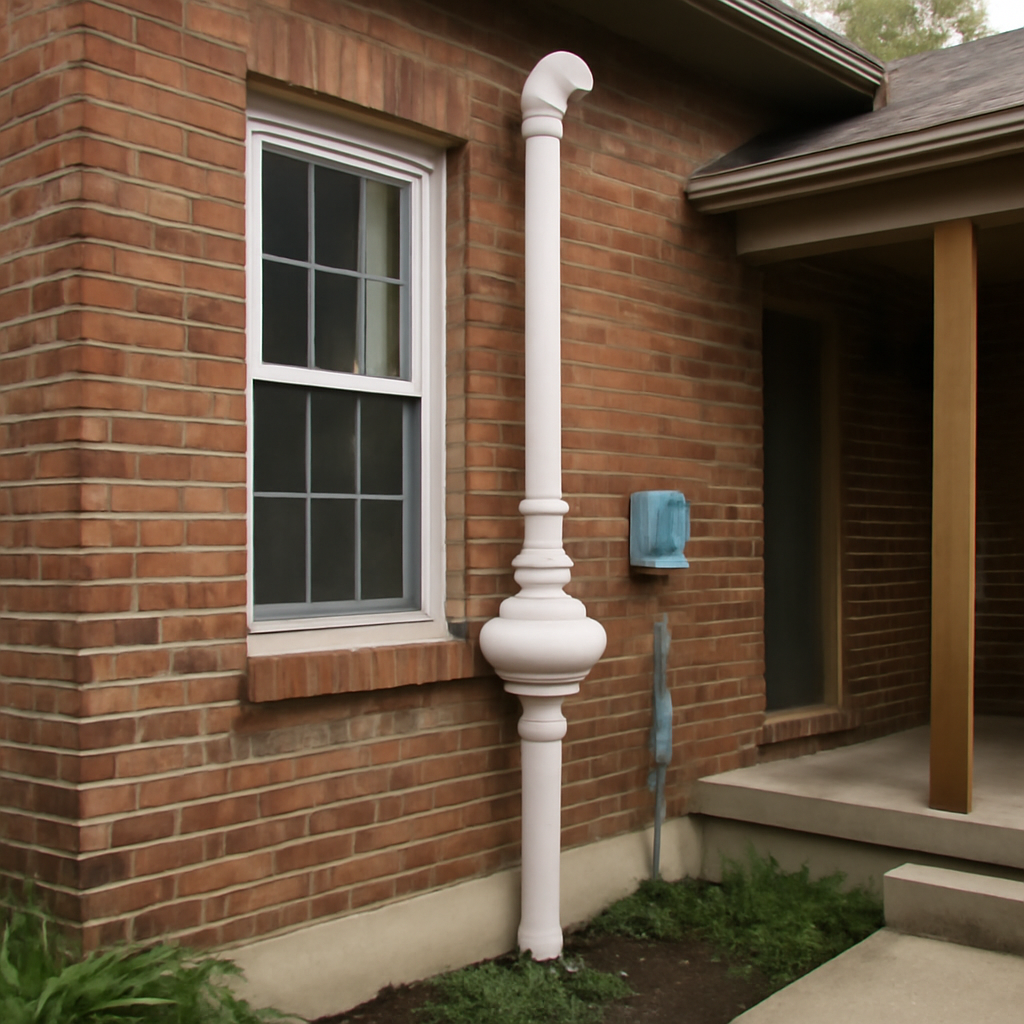
In an ASD system, a contractor cores a hole in the foundation slab, inserts PVC piping into the soil or aggregate beneath, and connects it to a continuously running fan. The fan creates suction under the slab, drawing radon-laden air and venting it through piping that discharges above the roofline, where it dissipates safely. Sealing cracks, the sump pit, and other openings improves performance. For crawl-space foundations, a sealed membrane with sub-membrane depressurization serves the same purpose. Our guide on how to get rid of radon explains these methods in more depth.
What Radon Mitigation Typically Costs
Costs vary by home and region, so treat these as general planning ranges rather than local quotes. Across the country, a typical single-family radon mitigation system runs roughly $800 to $2,500, with many basement installations falling near $1,000 to $1,800.
The same factors apply everywhere: foundation type (a single basement is cheapest, crawl spaces and multiple foundations cost more), routing distance to a safe discharge point, starting radon level, home size, and whether the basement is finished. A standard quote usually includes the fan, piping, a system monitor, electrical hookup, sealing, and a post-installation test. Homeowners should gather multiple bids from certified contractors and confirm each includes verification testing.
The EPA Action Level and What It Means
The number that drives every mitigation decision is 4 pCi/L. The EPA recommends taking action to reduce radon when a home’s average level reaches or exceeds 4 picocuries per liter, and it notes that levels between about 2 and 4 pCi/L are also worth considering for reduction, since no level is entirely risk-free.
This is not a medical diagnosis; it is an exposure threshold. Radon’s health risk comes from long-term inhalation of its radioactive decay products, and the danger accumulates over years. A home testing above the action level does not mean immediate illness, but it does mean the long-term risk is high enough that the EPA and CDC recommend fixing it. For symptoms or personal health questions, homeowners should consult a physician rather than rely on a radon reading.
Verifying That Mitigation Worked
Installing a system is only half the job; confirming it worked is the other half. After the fan has run for at least 24 hours, a follow-up radon test should show the indoor level has dropped below 4 pCi/L. A reputable installation includes this post-mitigation test, and a manometer on the pipe lets a homeowner see at a glance that the fan is creating suction.
Homeowners should keep documentation of the before-and-after readings, especially for a future home sale. Periodic retesting, every couple of years and after any major foundation or HVAC change, confirms the system keeps performing. Our guide on removing radon from your home covers ongoing maintenance.
Testing Before You Mitigate
Mitigation always begins with a reliable test, because the system is designed around your home’s measured level. The EPA and CDC recommend that every home be tested regardless of its radon zone, since neighboring houses can differ widely. Testing options range from inexpensive short-term charcoal kits and long-term alpha-track detectors analyzed by a lab, to continuous electronic monitors that display a running average at home.
For an accurate result, test in the lowest livable level, keep the device away from drafts and vents, and run a short-term test under closed-house conditions or, better, a long-term test that averages out radon’s natural swings. If a short-term test reads at or above 4 pCi/L, the EPA suggests confirming before committing to mitigation. For a result that will drive a home purchase or a system installation, a measurement by a certified radon professional with calibrated equipment carries the most weight. Our guide on how much radon testing costs walks through the choices. Only once you have a dependable number does mitigation design make sense, since the fan size and suction points depend on how much radon must be removed.
Choosing a Certified Mitigation Contractor
Because mitigation is a health measure, the contractor’s qualifications matter. Look for a contractor certified through a recognized national radon proficiency program, and verify any state credential where required. A qualified installer assesses the foundation, sizes the fan, plans the pipe route to discharge above the roofline, seals entry points, and, critically, performs a post-installation test to prove the system brought levels below 4 pCi/L.
Gather more than one written bid, and confirm each includes that verification test and a guarantee to reach below the action level. Ask about the fan warranty, the system monitor, and whether the discharge meets the required clearances from windows and the roofline. Be cautious of unusually low quotes that may skip proper design or testing, since an improperly built system can fail to reduce radon or affect how the home pulls soil gas. State radon programs maintain lists of certified measurement and mitigation providers, which is a reliable starting point whether you are in Louisville, the Front Range, or elsewhere. The same standards apply nationwide, which is why this guidance travels well beyond any one city.
Radon Risk in Context
It is worth framing radon honestly, neither downplaying nor overstating it. Radon is a recognized health hazard: the EPA identifies it as a leading cause of lung cancer among non-smokers, and the risk comes from long-term inhalation of its radioactive decay products, accumulating over years rather than causing immediate symptoms. A home testing above 4 pCi/L does not mean anyone is sick; it means the long-term exposure risk is high enough that reducing it is worthwhile.
The reassuring part is that radon is one of the more fixable home hazards. A properly installed mitigation system reliably lowers levels, often dramatically, and confirms the result with a follow-up test. The American Lung Association and CDC both emphasize testing and mitigation as effective steps homeowners can take. For personal health questions or symptoms, a physician is the right resource; a radon reading measures exposure risk in the home, not a medical condition. Our broader overview of how common radon is helps put a single home’s result in perspective alongside national patterns.
When to Call a Professional
Radon mitigation is professional work whether you are in Louisville, the Colorado Front Range, or anywhere else. A certified mitigation contractor sizes the fan, places suction points, routes piping to code, and verifies the result with a post-installation test. Begin by confirming your radon level with a reliable test, since the system is designed around your starting number, and state radon programs maintain lists of certified measurement and mitigation providers. For a fuller walkthrough of testing and next steps, see our radon testing guide. When a test reads at or above 4 pCi/L, hiring a certified professional is the right call.
How Mitigation Systems Are Maintained
A radon mitigation system is largely hands-off, but a little awareness keeps it doing its job for years. The single most useful habit is glancing at the system monitor, the U-tube manometer mounted on the pipe, every so often. As long as the two liquid columns sit at different heights, the fan is creating suction and the system is working. If the columns ever level out, the fan has probably failed and needs attention, since a stopped fan means radon is no longer being drawn away.
The fan runs continuously and adds only modestly to the electric bill, and most fans last several years to over a decade before wearing out; budgeting for an eventual replacement is sensible. Beyond watching the monitor, the main maintenance task is retesting radon every couple of years and after any major change to the home, a new HVAC system, foundation work, or finishing a basement, since these can alter how soil gas moves. Keeping the original installation paperwork and periodic test results documents the system’s performance over time. This light maintenance is part of why mitigation is considered such a practical fix relative to the lung-cancer risk the CDC and EPA associate with elevated radon.
Avoiding Doorway and Marketing Confusion
When researching radon mitigation for a specific city, homeowners encounter a mix of genuinely informative content and thin local pages that exist mainly to capture searches. The useful guidance is the same everywhere because radon science and the EPA’s mitigation standards are national: test reliably, act at or above 4 pCi/L, install an active system designed by a certified contractor, and verify with a post-installation test. A page that promises local specifics but offers no real information beyond a city name in the title adds little.
For homeowners in any area, the practical steps are to use your state radon program’s resources and lists of certified providers, gather multiple quotes, and insist on verification testing. The geology of your specific region and lot determines your radon level, which is why testing your own home matters more than any regional average. Treat city-specific searches as a way to find certified local providers, and rely on the underlying EPA-based standards, summarized in our guide to removing radon from your home, for the actual decisions. The standards travel; the testing is local.
References
- Consumer’s Guide to Radon Reduction — U.S. Environmental Protection Agency
- Radon and Your Health — Centers for Disease Control and Prevention
- Radon and Lung Health — American Lung Association
Frequently asked questions
Why do Louisville-area homes sometimes test high for radon?
Indoor radon depends on local geology and how a home interacts with the soil beneath it. Many Kentucky counties, including areas near Louisville, fall into EPA radon zones where elevated levels are more likely. The only way to know a specific home's level is to test it.
How does radon mitigation lower the level?
The most common system, active sub-slab depressurization, uses a fan to draw radon-laden air from beneath the foundation slab and vent it above the roofline before it enters living space. Sealing cracks and the sump pit improves how well it works.
What radon level requires mitigation?
The EPA recommends action at or above 4 picocuries per liter (pCi/L), and suggests considering reduction between about 2 and 4 pCi/L since no level is entirely risk-free. The threshold reflects long-term exposure risk, not an immediate medical diagnosis.
How do I know mitigation worked?
After the fan runs for at least 24 hours, a follow-up radon test should show levels below 4 pCi/L. A reputable installation includes this post-mitigation test, and the manometer on the pipe lets you confirm the fan is still creating suction.
Test your home for radon
Radon is invisible and odorless, so a test is the only way to know your level. A short-term kit gives a first reading in days; a digital monitor tracks it over time.
| Product | Why | Buy |
|---|---|---|
 AirChek Charcoal Radon Test Kit | Lab fee usually included; EPA short-term protocol. | Amazon — $21.95 |
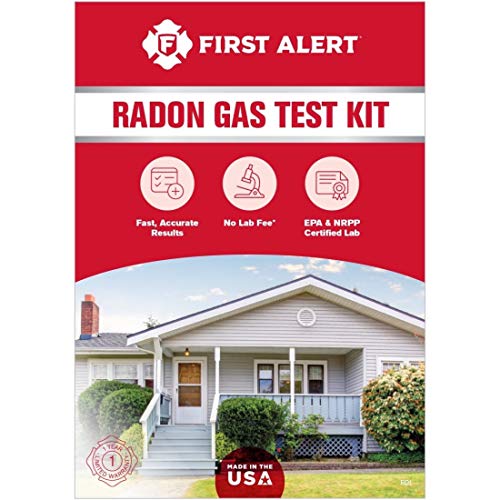 First Alert RD1 Radon Test Kit | Widely stocked; 48-hour charcoal test. | Amazon — $16.98 |
 Airthings Corentium Home | Digital monitor with a long-term average. | Amazon — $142.99 |