How Does a Mini Split Work? Ductless Heat Pump Basics
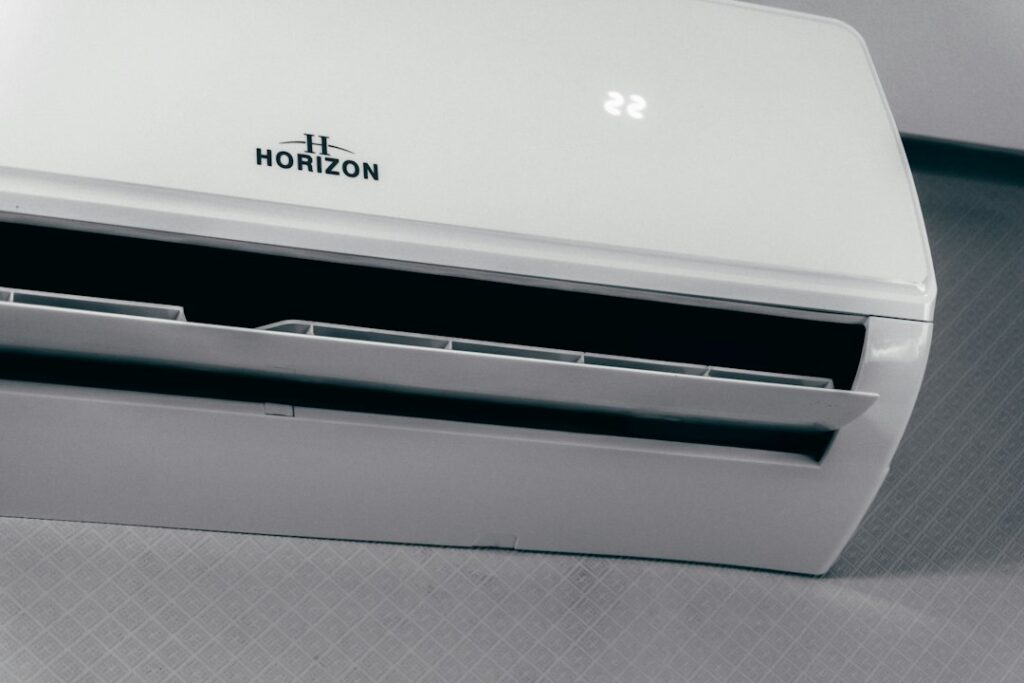
A mini split is a ductless heat pump: an outdoor unit moves heat through a pair of refrigerant lines to one or more indoor units mounted in the rooms they serve, so no ductwork is needed. In summer it pulls heat out of the room and dumps it outside, and in winter it reverses the flow and pulls heat from the outdoor air into the house, even on cold days. This guide walks through each part, the main configurations, efficiency ratings, Front Range winter performance, maintenance, typical costs and what a home inspector looks at. It summarizes general manufacturer and ENERGY STAR guidance as of 2026; the installation manual for a specific model takes priority.
Part of our Heating, Cooling & Ventilation guide — start there for the full picture →
Heating or cooling trouble? Talk to a local HVAC technician.
📞 Call (833) 491-1876What a Mini Split Is, in Plain Terms
ENERGY STAR describes ductless heat pumps as systems in which a head unit, or several head units, are mounted on an interior wall or ceiling, paired with a unit outside. The outside unit extracts heat from the air, refrigerant carries that heat directly to the indoor head, and the head delivers warm air to the room. In warmer months the same system runs in reverse for cooling.
“Split” means the system has two halves connected by piping, like a central air conditioner; “mini” means each indoor unit serves one room or zone rather than a whole house through ducts. Some older or budget units are cooling-only, so check the model plate before assuming a system heats.
Because a mini split moves heat rather than making it by burning fuel or running electric resistance coils, it can deliver more heat energy than it consumes in electricity. ENERGY STAR states that certified mini splits use up to 60% less energy than standard electric radiators.
How a Mini Split Works, Step by Step
Every heat pump, ducted or ductless, runs the same refrigeration cycle. ENERGY STAR’s explainer on heat pumps puts it simply: at low pressure the refrigerant absorbs heat and evaporates; at high pressure it gives off heat and condenses back to a liquid. Controlling that pressure lets the system move heat in whichever direction is needed. In cooling mode, a mini split runs that cycle in this order:
- The indoor head pulls in room air. A long cross-flow fan draws air through a washable filter and across a cold coil.
- Cold refrigerant absorbs heat. Refrigerant in the indoor coil boils into a gas as it picks up heat; moisture condenses on the coil and drips into a drain pan.
- The gas travels outside through the larger, insulated copper line.
- The compressor squeezes it, raising its pressure and temperature well above the outdoor air.
- The outdoor coil rejects the heat as the fan blows air across it, and the refrigerant condenses back into a liquid.
- An expansion valve drops the pressure and sends cold liquid back indoors through the smaller line to repeat the cycle.
What changes in heating mode
Heating uses the same hardware with the flow reversed. A reversing valve in the outdoor unit switches which coil acts as the cold, heat-absorbing side and which acts as the hot, heat-releasing side. In winter the outdoor coil gets colder than the outside air, so it can soak up heat even when it is below freezing outdoors. The compressor raises that heat to a useful temperature, and the indoor coil releases it into the room.
Because the outdoor coil runs below freezing in cold weather, frost builds on it. Every so often the system runs a defrost cycle, briefly reversing to warm the outdoor coil. The indoor fan usually stops and the outdoor unit may steam and drip; that is normal. ENERGY STAR’s installation tips specifically warn against placing the outdoor unit near doors and walkways, because defrost meltwater can form icy patches.
Why the inverter compressor matters
Most modern mini splits use an inverter-driven, variable-speed compressor. Instead of running at full power and shutting off, like an older single-stage air conditioner, the inverter ramps the compressor speed up and down to match the load. On a mild day it may idle along at a fraction of its capacity for hours; on a cold morning it runs near its maximum. The payoff is steadier room temperatures, less noise, fewer on-off cycles and better efficiency. It also explains a common surprise for new owners: a mini split often runs almost constantly at low speed, and that is how it is meant to work.
ENERGY STAR’s savings tips follow from this design: pick a comfortable temperature and leave it there, and set the unit to “heat” or “cool” rather than “auto” so it does not flip modes on shoulder-season days.
Best Mini Split: our top 3 picks
| Product | Best for | Key features | Price | Buy |
|---|---|---|---|---|
| COSTWAY Blast Pro 12K | Best overall single room |
| $485.99as of Oct 20, 2026 10:58 pm GMT+0000 | Buy now →Check current price |
| Rellytech 11,500 BTU | Bedrooms and cold snaps |
| $399.99as of Oct 20, 2026 10:58 pm GMT+0000 | Buy now →Check current price |
| Rellytech 9,000 BTU | Small rooms, stated HSPF2 |
| $309.99as of Oct 20, 2026 10:58 pm GMT+0000 | Buy now →Check current price |


Prices are Amazon’s listed prices as of the time shown and change often; check Amazon for today’s price. As an Amazon Associate we earn from qualifying purchases.
The Main Parts of a Mini Split System
A buyer will see three things: a box outside, a line-hide cover running up the wall, and one or more indoor units.
Outdoor unit (compressor and condenser)
The outdoor cabinet holds the compressor, the outdoor coil, the fan, the reversing valve, the expansion valve and the control board. In cooling mode the outdoor coil acts as the condenser, which is why many people simply call the outdoor unit “the condenser.” Outdoor units are commonly mounted on a ground pad, a raised stand or wall brackets.
Line set
The line set is the bundle that connects outdoor and indoor units. It typically contains two copper refrigerant lines (a larger insulated suction line and a smaller liquid line), a communication and power cable, and the condensate drain hose from the indoor head. The bundle passes through a small hole in the wall, usually around three inches, which is one reason mini splits are easy to retrofit. Line set length, flare connections and insulation quality are frequent sources of trouble, and our guide to the AC line set covers those details.
Indoor air handlers (heads)
Each indoor unit contains a coil, a fan, a filter, a drain pan, sensors and a small control board. Each one has its own remote or wall control, so each room can be set to its own temperature. The available styles are compared in the table below.
| Indoor unit type | Where it goes | Strengths | Trade-offs |
|---|---|---|---|
| High-wall head | Mounted high on an interior or exterior wall | Most common and usually least expensive; easy access for filter cleaning | Visible on the wall; air throw can be uneven in long rooms |
| Ceiling cassette | Recessed into the ceiling, often a 2×2 grid footprint | Discreet; spreads air in four directions | Needs ceiling cavity space; condensate often requires a pump; harder to service |
| Floor console | Low on the wall, like a radiator | Good for heating, since warm air starts low; works under windows or in rooms with sloped ceilings | Takes floor space; can be blocked by furniture |
| Concealed (slim) duct unit | Hidden in an attic, soffit or crawl space with short ducts to grilles | Nearly invisible; one unit can serve two or three small rooms | Higher installed cost; ducts and return path must be designed properly |
Single-Zone Versus Multi-Zone Systems
A “zone” is any space controlled by its own indoor unit. Mini splits come in two basic layouts, and the difference affects cost, redundancy and comfort.
| Feature | Single-zone (one-to-one) | Multi-zone (one-to-many) |
|---|---|---|
| Configuration | One outdoor unit paired with one indoor unit | One outdoor unit serving two or more indoor units, often up to about five to eight depending on the model |
| Typical use | A bonus room, garage, addition, basement or single problem room | Several rooms or a whole home without ductwork |
| Efficiency | Usually the highest ratings, since the outdoor unit is matched to one head | Often slightly lower ratings; oversized heads on a small room can short-cycle |
| Redundancy | A failure affects one room | An outdoor unit failure takes every connected room offline |
| Exterior footprint | One outdoor unit per zone, which can mean several boxes on the wall | One larger outdoor unit |
| Mode limits | Each system heats or cools independently | Most residential multi-zone units cannot heat one room while cooling another at the same moment |
ENERGY STAR notes that proper sizing should come from a Manual J load calculation rather than a rule of thumb. Oversizing a head for a small bedroom is one of the most common design mistakes: the unit satisfies the thermostat quickly, shuts down, and never runs long enough to dehumidify well in summer or deliver steady heat in winter.
Efficiency Ratings: SEER2, HSPF2 and Cold-Climate Labels
Mini splits carry the same federal efficiency ratings as other heat pumps. Since 2023, those ratings use the updated “2” test procedures.
- SEER2 (Seasonal Energy Efficiency Ratio 2) measures cooling over a typical season. ENERGY STAR’s key product criteria define it as total heat removed during the cooling season divided by electrical energy used. Higher is better. Our guide to SEER ratings explains how the old and new numbers relate.
- HSPF2 (Heating Seasonal Performance Factor 2) measures heating efficiency over a season. For a Front Range home that heats far more than it cools, this is the more important number.
- COP (Coefficient of Performance) is heat delivered divided by electricity used at a single operating condition. A COP of 2 means two units of heat for every unit of electricity.
ENERGY STAR’s current criteria set a separate Cold Climate designation. For non-ducted split systems, its cold climate requirements list at least 8.5 HSPF2 and at least 15.2 SEER2. To earn the cold climate label, a heat pump must also show a COP of at least 1.75 at 5°F and keep at least 70% of its 47°F heating capacity at 5°F, verified with a controls procedure that mirrors how the unit runs in a real home. Those are minimums; many cold-climate mini splits on the market publish heating capacity well below 0°F.
Mini Splits in Front Range Winters
The single biggest question Colorado buyers ask about mini splits is whether they actually heat when it is cold. Modern cold-climate units generally do, with some caveats that are specific to this region.
- Cold snaps. Most Front Range winters are dominated by sunny days near or above freezing, punctuated by arctic outbreaks that drop temperatures below zero for a night or several days. ENERGY STAR notes that a cold-climate unit will keep working below 5°F, but recommends pairing it with a backup heat source for the most efficient operation in even lower temperatures. In practice, many local homes keep a furnace, boiler or baseboard heat as backup.
- Altitude. Thinner air at 5,000 to 7,000 feet carries less heat per cubic foot, and some manufacturers publish capacity corrections for high elevation, so sizing should account for it.
- Snow. Outdoor units should sit on a stand or brackets above typical snow depth, away from roof edges that dump snow and ice.
- Hail and debris. Hail can flatten the thin coil fins and cut airflow; cottonwood fluff and wind-blown dust can mat the coil.
A properly sized cold-climate mini split can carry most of a Front Range heating season, while a non-cold-climate unit may lose much of its capacity during the coldest weeks.
Mini Split Versus Central Air and Ducted Heat Pumps
A mini split is not automatically better or worse than a ducted system. It solves different problems.
Mini splits shine in homes with no ductwork (boilers, radiators or electric baseboard), in additions, finished garages and rooms over garages, in hot upstairs bedrooms that a central system never balances, and wherever room-by-room control is wanted. Ducted systems make more sense where good, sealed ductwork already exists, where owners want whole-house filtration or humidification tied to one air handler, or where several wall heads would be needed to match one central system in a large, open home.
Our comparisons of central air versus a mini split and of a ducted heat pump versus a mini split go deeper into costs, comfort and resale considerations.
Maintenance a Homeowner Can Do, and What Needs a Technician
Neglected indoor units are the source of most odor and dripping complaints.
Owner tasks
- Wash the filters. ENERGY STAR advises cleaning heat pump filters when they are visibly dirty or when the filter light comes on, which can mean every few weeks in dusty or pet-heavy homes. Most slide out and rinse clean; let them dry before reinstalling.
- Keep the outdoor unit clear of snow, shrubs, grass clippings and leaves.
- Watch the drain and your nose. Drips or wall stains below a head point to a clogged condensate line; a musty start-up smell usually means the coil or blower wheel needs cleaning.
Technician tasks
ENERGY STAR’s HVAC maintenance checklist calls for annual pre-season check-ups that include tightening electrical connections, checking controls and start-up, inspecting the condensate drain and cleaning the coils. For mini splits, that typically includes cleaning the indoor coil and blower wheel. Refrigerant work requires an EPA Section 608 certified technician; federal rules prohibit intentionally venting refrigerants during service or disposal.
Signs a Mini Split Has a Problem
Most problems give warning signs well before a breakdown.
| Symptom | Common causes | First step |
|---|---|---|
| Water dripping from the indoor head | Clogged condensate line, dirty drain pan, failed condensate pump, unit not level | Turn off cooling and call for a drain cleaning |
| Musty or sour smell at start-up | Dirty coil, mold or biofilm on the blower wheel | Clean filters; schedule a deep cleaning |
| Weak heating or cooling | Dirty filters, blocked outdoor coil, low refrigerant from a leak, undersized unit | Clean filters and check the outdoor unit for blockage |
| Ice on the indoor coil or line set | Low airflow or low refrigerant | Shut down to thaw; call a technician |
| Flashing lights or error code | Sensor, board, communication cable or refrigerant fault | Note the code and look it up in the manual |
| Rattling, buzzing or grinding | Loose panel, failing fan motor, debris in the outdoor fan, compressor stress | Turn off if grinding; schedule service |
Our guide to mini split repair covers diagnosis and repair options in more detail. One normal behavior that often gets mistaken for a problem: steam and dripping water at the outdoor unit during a winter defrost cycle.
Typical Mini Split Costs and Cost Drivers
Costs vary widely by region, brand, number of zones and installation difficulty. The ranges below are typical national figures for 2026 and should be treated as starting points, not quotes.
- Single-zone, wall-mounted, installed: typically about $3,000 to $7,000.
- Multi-zone, three to five heads, installed: typically about $9,000 to $25,000 or more.
- Professional deep cleaning of indoor heads: typically about $150 to $400 per head.
- Common repairs: a cleared drain or replaced condensate pump typically runs a few hundred dollars; a sensor or control board typically about $300 to $1,200; finding and repairing a refrigerant leak typically about $400 to $1,500; a compressor replacement can approach the cost of a new outdoor unit.
The main cost drivers are the number and type of indoor units, cold-climate capability, line set length, electrical work and permit fees. Our guide to ductless mini split installation cost breaks those factors down further. Utility rebates on ENERGY STAR certified heat pumps are common; ENERGY STAR’s rebate finder lists programs by zip code. Federal tax credit rules for heat pumps have changed, and ENERGY STAR’s tax credit page lists the window for the air-source heat pump credit as ending December 31, 2025, so check current IRS guidance before counting on a federal credit.
What a Home Inspector Checks on a Mini Split
The ASHI Standard of Practice directs inspectors to inspect installed heating equipment and central and permanently installed cooling equipment, and to describe the energy source and the type of system. A mini split falls within that scope. During a standard visual inspection, an inspector will typically:
- Note the brand, approximate age (from the data plate where readable) and number of zones
- Operate each indoor unit in heating or cooling mode, as outdoor temperature allows, and confirm it responds
- Look for dirty filters, stained or dripping heads, and mold-like growth visible through the grille
- Check the outdoor unit for level mounting, clearance, damaged fins, hail damage and a stand that keeps it above snow
- Inspect visible line set insulation and the wall penetration, and look for a disconnect near the outdoor unit
- Follow the condensate line to see where it discharges
A home inspection is not a refrigerant charge test, a load calculation or a teardown; problems are usually referred to a licensed HVAC contractor. Our heating and cooling hub collects related guides on heat pumps, furnaces and air conditioning.
When to Call a Pro or an Inspector
Safety first: turn off power at the disconnect before opening anything beyond the filter cover, and never try to add or recover refrigerant yourself. Call an HVAC technician when a mini split stops heating or cooling, ices up, leaks water or refrigerant, smells of burning, trips its breaker or shows a persistent error code. For buyers, the moment to ask questions is before closing: how old the system is, whether it is a cold-climate model, whether it has backup heat, and whether service records exist.
A home inspector can confirm that each head operates and flag visible defects that call for a specialist. If you are buying a home with ductless heating or cooling and want it checked as part of a full inspection, contact our team to schedule a Front Range visit.
References
- Ductless Heating and Cooling — ENERGY STAR
- Air-Source Heat Pumps Key Product Criteria — ENERGY STAR
- How Does a Heat Pump Work? — ENERGY STAR
- HVAC Maintenance Checklist — ENERGY STAR
- Managing Refrigeration and A/C Equipment (Section 608) — U.S. Environmental Protection Agency
- ASHI Standard of Practice for Home Inspection — American Society of Home Inspectors
Frequently asked questions
Does a mini split need ductwork?
No. A mini split sends refrigerant through a small line set to indoor heads mounted in each room, so no ducts are needed. Concealed duct models use short duct runs, but standard wall, ceiling cassette and floor units are fully ductless.
Can a mini split heat a home in a Colorado winter?
A cold-climate model generally can. ENERGY STAR's cold climate label requires tested heating performance at 5°F, and many units keep working well below that. Many Front Range homes still keep a furnace, boiler or baseboard heat as backup for the coldest nights.
Why does my mini split run all the time?
Inverter-driven mini splits are designed to run for long periods at low speed instead of cycling on and off. Steady, quiet operation is normal. Constant high-speed running with poor comfort can point to dirty filters, an undersized unit or a refrigerant problem.
How often should mini split filters be cleaned?
ENERGY STAR advises cleaning heat pump filters when they look dirty or when the filter light comes on. In homes with pets or dust, that can mean every few weeks in peak seasons, plus an annual professional cleaning of the coil and blower.
Why is water coming out of my outdoor mini split unit in winter?
That is usually normal defrost meltwater. The outdoor coil collects frost in cold weather, and the system periodically warms it to melt the ice. Place the unit where that water cannot freeze on walkways or steps.
Buying a Front Range home with a mini split or heat pump? Get in touch with our team to arrange an inspection.