Home Inspection North Richland Hills: A Buyer Guide
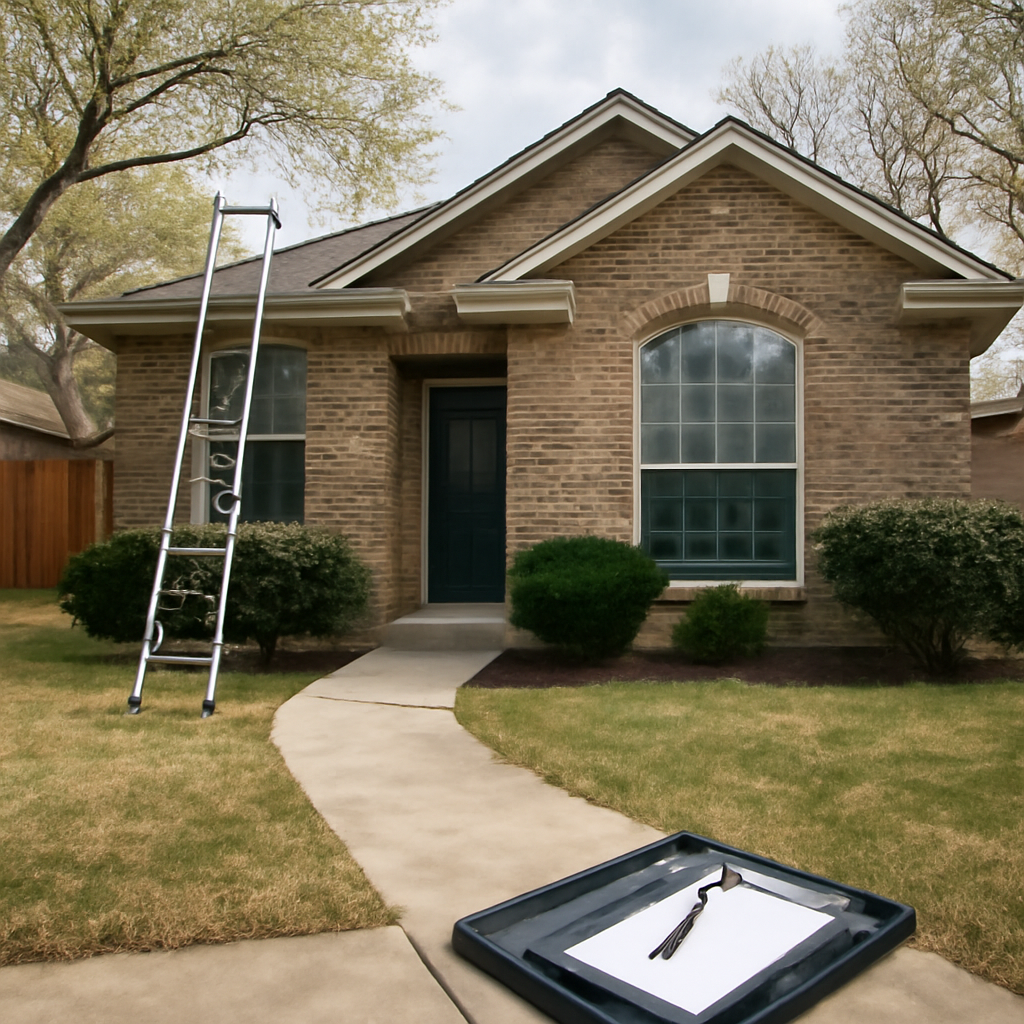
Buying a home in North Richland Hills, the established suburb between Fort Worth and the DFW airport, means navigating a Texas market with its own rules and regional quirks. A home inspection in North Richland Hills is the buyer’s best tool for understanding a property’s true condition before closing, and Texas happens to have one of the most structured inspection-licensing systems in the country. This guide explains what an inspection covers, how Texas licensing works, the local conditions worth watching, and how to choose a qualified inspector. It draws on the standards of practice from ASHI and InterNACHI and the Texas regulatory framework.
Part of our Home Inspections Explained guide — start there for the full picture →
What Does a Home Inspection in North Richland Hills Cover?
A home inspection in North Richland Hills follows the same core structure as inspections elsewhere: a licensed inspector performs a visual, non-invasive examination of the home’s accessible systems and reports the findings in writing. In Texas, the scope is unusually well defined because the state mandates a standard inspection report form that licensed inspectors must use, which brings consistency to what buyers receive.
The inspection covers structural components, the roof and attic, exterior cladding and grading, the electrical system, the heating and cooling equipment, plumbing supply and drainage, the water heater, built-in appliances, and interior elements such as walls, ceilings, and floors. The Texas standard report uses defined categories — typically marking items as inspected, not inspected, not present, or deficient — so a buyer can quickly see where the problems are.
As with any general inspection, certain things fall outside the standard scope. Radon, mold, asbestos, lead, sewer-line scoping, and pest or wood-destroying-insect inspections are usually separate services, though a wood-destroying-insect report is common in Texas given the regional termite pressure. Buyers can review our broader property inspection checklist to understand how the standard scope and add-ons fit together.
Texas Licensing: What Sets It Apart
Texas regulates home inspectors more tightly than many states. The Texas Real Estate Commission, known as TREC, licenses inspectors, sets the standards of practice, mandates the standard report form, and handles complaints. For buyers in North Richland Hills, this means an inspector should hold a current TREC license, and that license can be verified online before hiring.
TREC defines tiers of licensure, including apprentice, real estate inspector, and professional inspector, with the professional inspector level able to operate independently. The commission also requires continuing education and carries enforcement authority. Buyers should confirm an inspector’s license status and standing rather than assuming a business card means a valid license. Comparing the Texas approach to other states is instructive; our overview of a house inspector license shows how requirements vary nationwide.
Local Conditions to Watch in North Richland Hills
Every region has signature issues, and the North Texas climate and soils drive several that buyers should keep in mind.
Foundation and Expansive Soils
North Texas sits on expansive clay soils that swell when wet and shrink when dry. This cycle stresses slab-on-grade foundations, the dominant type in the area, leading to cracking, uneven floors, and sticking doors. Foundation movement is one of the most common and most expensive findings in the region. An inspector flags visible signs, and significant concerns often warrant a follow-up evaluation by a structural engineer.
Heat, Roofing, and HVAC
Long, hot summers put heavy demand on air conditioning and accelerate roof wear. Inspectors pay close attention to the age and condition of HVAC equipment and the roof covering, both of which are costly to replace. Hail is a recurring threat across the DFW metroplex, and storm damage to roofs is common enough that buyers should ask about roof age and any recent insurance claims.
Plumbing and Drainage
Soil movement and older neighborhoods can mean plumbing concerns, from slab leaks to drainage problems around the foundation. Proper grading that directs water away from the slab is important precisely because the clay soils react so strongly to moisture changes. Inspectors look at grading and visible drainage, and a sewer scope is a worthwhile add-on for older homes.
What an Inspection Costs and How Long It Takes
Inspection fees in the DFW area vary with home size, age, and the services added, but a general single-family inspection commonly falls in the range of a few hundred dollars, often roughly $300 to $500, with larger or older homes costing more. A wood-destroying-insect report, sewer scope, or pool inspection adds to the total.
The inspection itself typically takes two to four hours, and the Texas standard report usually arrives within a day. Buyers are encouraged to attend the walkthrough portion, because seeing a foundation crack or an aging HVAC unit explained in person is far more useful than reading a line on a form. For a fuller breakdown of how to approach the whole process, our overview of hiring a home inspector applies across markets.
How to Choose an Inspector in North Richland Hills
Start with the TREC license and verify it online. Beyond licensing, look for membership in ASHI or InterNACHI, errors-and-omissions insurance, experience in the local market, and a sample report that is clear and detailed. An inspector familiar with North Texas expansive soils and the regional roofing and HVAC realities will spot issues a generalist might gloss over.
Independence matters. Buyers should hire their own inspector rather than defaulting to one recommended solely by the listing side, and they should resist choosing on price alone. A thorough inspector who takes the full time and explains findings is worth more than a fast, cheap one. Reading sample reports and checking reviews helps separate credible professionals from the rest.
The Texas Standard Report Form
One feature sets a Texas inspection apart from many other states: the mandated report form. TREC requires licensed inspectors to use a standardized report, which brings unusual consistency to what buyers receive. Rather than each company designing its own format, the state defines categories and a checklist structure that every licensed inspector follows.
The form organizes findings by system and uses defined status markings — typically inspected, not inspected, not present, and deficient. The “deficient” marking flags items that, in the inspector’s judgment, do not function as intended, are unsafe, or need repair. For a buyer, this structure makes the report easier to scan and compare, because the categories are the same from one inspector to the next. It also reduces the risk of an inspector burying a serious finding in vague prose. Buyers should still read the full report, including the inspector’s comments under each deficient item, since the narrative explains why something was flagged and how serious it is. The standardized form is a genuine consumer protection, but it rewards a buyer who engages with the detail rather than just counting the deficiencies.
The North Richland Hills Housing Stock
North Richland Hills grew substantially through the latter half of the twentieth century and into the present, so its housing stock spans several decades of construction styles and standards. That range affects what an inspection turns up. Mid-century and older homes may carry dated electrical systems, original plumbing materials, and aging components that have reached or passed their service life, alongside the foundation concerns the local clay soils produce.
Newer subdivisions bring their own considerations, including the performance of recent construction on the same expansive soils and the condition of builder-grade systems as they age. Across the age range, the North Texas climate drives the same core concerns: foundation movement, roof and HVAC wear from heat and hail, and moisture management around the slab. A buyer touring a 1970s ranch and one touring a recent build both benefit from an inspector who knows how each era’s construction behaves in the local environment. Matching the inspection to the home’s age and the regional soil reality is what separates a useful report from a generic checklist.
Negotiating With the Report in North Richland Hills
A Texas inspection report, with its standardized deficiency markings, is a strong negotiating tool when used well. After receiving the report, a buyer can request repairs, ask for a price reduction or closing credit, or — within the option period that Texas contracts commonly include — terminate the contract if the findings are serious enough. The option period, a paid window during which the buyer can walk away for any reason, gives Texas buyers meaningful flexibility to act on inspection results.
Strategy should track severity. Foundation movement, roof storm damage, failing HVAC, and active leaks are the items that justify serious negotiation, because they carry significant repair costs. Cosmetic deficiencies and routine maintenance rarely warrant reopening the price and can erode goodwill if pressed. A buyer who focuses requests on the consequential deficiencies the report flags negotiates credibly, while the standardized form gives those requests documentary weight that a seller and agent find hard to dismiss.
Add-On Inspections Worth Considering Locally
Beyond the standard inspection, several add-on services carry particular weight in North Richland Hills and the surrounding metroplex. A wood-destroying-insect report is near the top of the list, because North Texas has significant termite pressure and the report is frequently required by lenders. It is usually performed by a separately licensed provider and pairs naturally with the general inspection.
A foundation evaluation by a structural engineer is the second to weigh seriously, given the expansive-clay soils that drive so many regional defects. When the general inspection flags movement, an engineer’s report quantifies the concern and recommends remedies, which is invaluable in negotiation. A sewer scope is worthwhile for older homes, where soil movement and aging lines can hide costly drainage problems behind walls and underground. Pool and spa inspections matter for the many area homes with backyard pools, since pool equipment and structures are costly to repair.
Each add-on carries its own fee, so buyers should weigh which apply to the specific property. A newer home without a pool may need only the general inspection and a termite report, while an older home on shifting soil with a pool might warrant the full slate. Discussing the property’s age, features, and any visible concerns with the inspector up front helps decide which services are worth the added cost in this market.
When a Specialist Is Needed
A general inspection identifies concerns but does not resolve all of them. In North Richland Hills, foundation findings frequently lead to a structural engineer’s evaluation, given the expansive-soil environment. Roof storm damage may call for a roofing contractor, HVAC concerns for a licensed mechanical contractor, and older homes for a sewer scope. Treating the general inspection as the start of due diligence ensures the costliest local risks get the focused attention they deserve before closing.
For North Richland Hills buyers specifically, the foundation question deserves emphasis one more time. The expansive clay soils of North Texas make foundation movement the single most consequential and most commonly debated finding in the region. A general inspector documents the visible signs — cracks, uneven floors, doors that no longer latch, separations at the brick veneer — but quantifying the movement and recommending a repair approach is a structural engineer’s job. Because foundation repairs can run into the tens of thousands of dollars, an engineer’s report is often the deciding document in a negotiation, and buyers who suspect movement should not skip it to save a few hundred dollars. The same logic applies to roofs after a hail event, a frequent occurrence across the metroplex, where a roofing contractor’s assessment and the insurance history together tell the real story. Spending modestly on the right specialist after the general inspection flags a concern is how prudent buyers avoid an expensive surprise. The option period that Texas contracts commonly include gives buyers the window to arrange these follow-ups and to act on what they learn, so scheduling the general inspection early in that period leaves room for an engineer or roofer to weigh in before the deadline arrives.
References
- Standard of Practice — American Society of Home Inspectors
- Standards of Practice — InterNACHI
- For Your Protection: Get a Home Inspection — U.S. Department of Housing and Urban Development
Frequently asked questions
Do home inspectors in North Richland Hills need a license?
Yes. Texas requires home inspectors to be licensed by the Texas Real Estate Commission (TREC), which sets the standards of practice and mandates a standard report form. Buyers should verify an inspector's current TREC license and standing online before hiring, rather than assuming a business card confirms a valid license.
What is the most common inspection finding in North Texas?
Foundation issues tied to expansive clay soils are among the most common and costly. The soil swells and shrinks with moisture, stressing slab foundations and causing cracks, uneven floors, and sticking doors. Significant foundation findings often warrant a follow-up evaluation by a structural engineer.
Should I get a termite inspection too?
Often, yes. A wood-destroying-insect report is a common add-on in Texas because of regional termite pressure, and it is frequently required by lenders. It is usually a separate service from the general inspection, so ask your inspector whether they provide it or can recommend a licensed provider.