Home Inspection Cost in Florida: Fees and Add-Ons
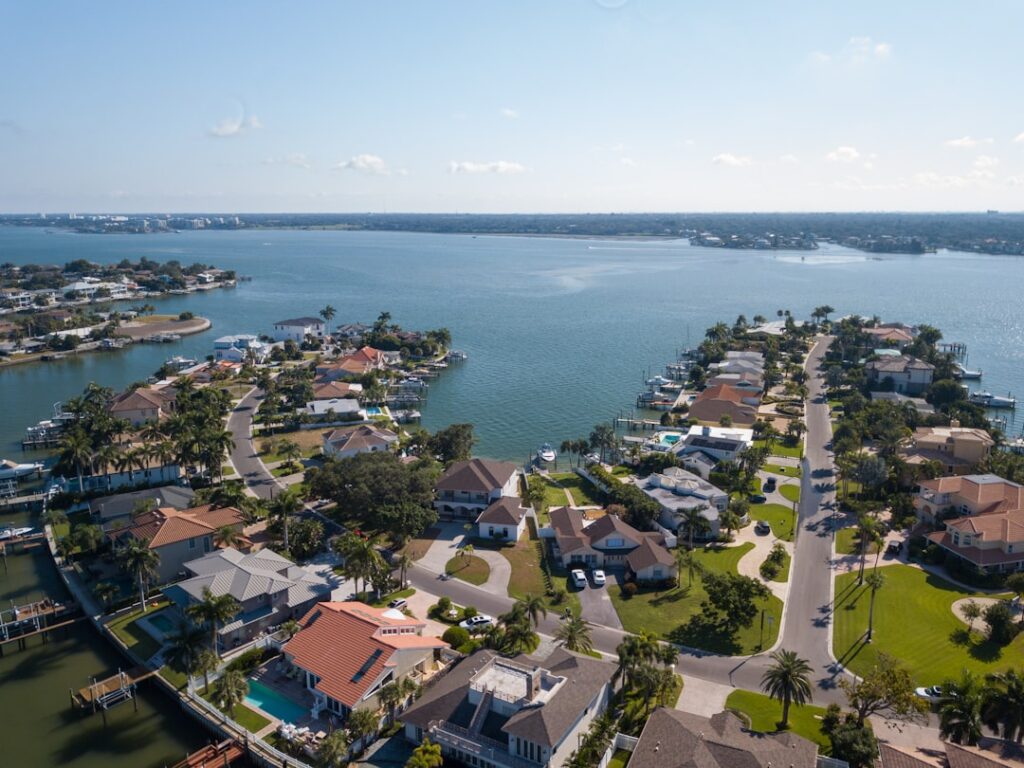
InspectandTest is based on Colorado’s Front Range, and most of our guides focus on Denver-area homes. Plenty of readers, though, are buying a second home in Florida, relocating there, or helping a parent purchase a condo, and they ask the same question: what should a Florida home inspection cost, and what extras will the insurer or lender expect? This guide is written as an honest outside reference. It explains how Florida inspection pricing is usually structured, the add-ons that are far more common there than in Colorado, how state licensing works, and why hurricane and flood exposure shape the process. Prices below are typical ranges reported by inspectors and buyers, not survey data, and they vary by county, home size and season. Always get written quotes from Florida-licensed inspectors before committing.
Part of our Home Inspections Explained guide — start there for the full picture →
How Much Does a Home Inspection Cost in Florida?
For a typical single-family home, a general home inspection in Florida is commonly quoted in roughly the same band as much of the country, often in the low-to-mid hundreds of dollars, with condos lower and large or older homes higher. What makes Florida different is not the base fee but the number of add-ons a buyer is likely to need. Insurance-driven reports, termite inspections and pool checks can push the total well above the base price.
The base fee usually reflects:
- Square footage. Larger homes take longer to inspect and write up.
- Age. Older homes tend to have more findings and more systems to explain, such as older electrical panels, cast-iron drains or original roofs.
- Type. A condo inspection typically covers the unit, not the building’s shared structure, roof or common systems, so it often costs less.
- Location. Fees in major metros and on barrier islands can differ from inland rural areas, partly because of travel time and demand.
- Timing. Busy seasons and short contract deadlines can limit availability.
For a national comparison, see our overview of home inspection cost and the summary of the average cost of a home inspection. The broader hiring process pillar covers how to choose and schedule an inspector anywhere.
Typical Florida inspection price ranges
The table shows commonly quoted ranges. Treat them as a starting point for budgeting rather than a price list; actual quotes depend on the inspector, the property and what is bundled.
| Service | Typical range (estimate) | Notes |
|---|---|---|
| General inspection, condo | About $200–$400 | Usually limited to the unit’s interior systems |
| General inspection, single-family (about 1,500–2,500 sq ft) | About $300–$550 | Rises with size, age and travel |
| General inspection, large or older home | About $500–$900+ | More systems, more time |
| Four-point inspection | About $75–$200 | Often discounted when bundled |
| Wind mitigation inspection | About $75–$175 | Often discounted when bundled |
| WDO (termite) inspection | About $75–$150 | Typically done by a licensed pest control business |
| Pool and spa inspection | About $75–$200 | Equipment, visible shell, safety barriers |
| Mold inspection or sampling | About $200–$600+ | Depends on number of samples and lab fees |
| Roof certification | Varies widely | May be issued by a roofer or inspector, per insurer rules |
| Sewer camera scope | About $150–$350 | Useful for older homes and cast-iron drains |
| Radon test | About $100–$250 | Short-term test by a qualified tester |
Many Florida inspectors package the general inspection with a four-point and wind mitigation report. A bundle can cost noticeably less than ordering each separately, so ask for package pricing up front.
What the General Inspection Covers in Florida
The general inspection is the same kind of visual, non-invasive evaluation buyers get in any state. Under the ASHI Standard of Practice, which many inspectors follow or reference, the inspector looks at readily accessible, visually observable installed systems and components. In a Florida home that typically includes:
- Roof. Covering material, flashing, penetrations, drainage and visible signs of leaks. Tile, shingle and metal roofs are all common, and tile roofs are often inspected from the edge or with a drone rather than walked.
- Exterior and structure. Stucco cracks, block walls, slab-on-grade foundations, grading and drainage, and the condition of screen enclosures and lanais.
- Electrical. Service, panel, visible wiring, GFCI protection and any panel brands that insurers tend to question.
- Plumbing. Supply piping, visible drain lines, water heater, fixtures and signs of leaks. Older homes may have cast-iron drains or polybutylene supply lines.
- Heating and cooling. Air conditioning runs hard in Florida, so condensate drainage, air handler condition and visible ductwork get close attention.
- Interior, attic and insulation. Ceilings, walls, windows, doors, attic framing, ventilation and visible moisture staining.
The standard also lists what the inspector is not required to do, including determining the property’s market value or whether it is advisable to buy it. Anything behind walls, under the slab or inside sealed systems is outside a visual inspection, which is why the specialty add-ons below exist.
Florida Add-Ons and Why They Matter
Insurance is the biggest reason Florida inspections include extras. Insurers in hurricane-exposed markets want specific documentation before writing a policy, and some of these reports can lower premiums.
Four-point inspection
A four-point inspection documents the age, type and visible condition of four systems: roof, electrical, plumbing and HVAC. Florida insurers commonly ask for one on older homes before writing or renewing coverage. It is not a full inspection. It is a short report built for underwriting, often on a carrier-specific or widely used form. A home with an older roof, a panel type insurers dislike or older plumbing materials may face conditions, surcharges or difficulty finding coverage, so buyers of older homes often order it during the inspection period rather than after closing.
Wind mitigation inspection
A wind mitigation report records features that help a house resist hurricane winds: roof covering, roof deck attachment, roof-to-wall connections such as clips or straps, roof shape, secondary water resistance and opening protection like shutters or impact-rated windows and doors. Florida law generally requires insurers to offer discounts or credits for qualifying wind-resistance features, and this report is how the features get documented, generally on a standard state verification form. Discounts vary by insurer and home, so the value of the report depends on what the house has. Our guide to the wind mitigation inspection walks through each item.
WDO and termite inspection
Wood-destroying organisms, including subterranean and drywood termites, are a serious concern across much of Florida. A WDO inspection looks for visible evidence of active infestation, previous infestation, damage and prior treatment. In Florida these reports are typically completed by a licensed pest control business on a state form, and lenders on some loan types may ask for one. Some home inspection companies coordinate the WDO with a partner pest company. More background is in our termite inspection guide.
Mold inspection
Florida’s heat and humidity make mold a common concern, especially in homes that have sat closed up, had roof leaks or flooded. A general inspector will report visible suspected growth and moisture stains, but sampling and a moisture investigation are usually a separate service. Our guide to mold inspection cost explains what drives the price, and inexpensive consumer kits are covered in our mold test kit category, with the caveat that they cannot locate hidden growth.
Pool and spa
Pools are common in Florida listings. A pool inspection typically covers visible shell condition, tile and coping, pumps, filters, heaters, electrical bonding visible at the equipment, and safety barriers such as fences, gates and door alarms. Leak detection is a separate specialty.
Roof certification
Some insurers ask for a roof certification or a letter estimating remaining roof life, particularly for older roofs. Who can issue it, and what form it takes, depends on the insurer. Ask the carrier what it accepts before paying for one.
Other specialty checks
Depending on the property, Florida buyers sometimes add services that are less common in a standard package:
- Well and septic. Rural and some suburban homes rely on private wells and septic systems. Water quality testing and a septic evaluation are usually separate from the home inspection and may be done by different specialists.
- Seawalls and docks. Waterfront properties may need a marine contractor or engineer to look at seawalls, lifts and docks, which general inspectors typically exclude.
- Ground stability concerns. In parts of the state where sinkholes are a known issue, buyers who see cracking patterns or have insurer questions may consult a geotechnical engineer. This is engineering work, not part of a home inspection.
- Infrared scanning. Some inspectors offer thermal imaging to look for temperature patterns that may indicate moisture or missing insulation, usually as an add-on.
None of these are needed on every purchase. Ask what applies to the specific property rather than buying every option offered.
Confused by your home inspection report? Decode it free in plain English
Upload your inspector's PDF and get a plain-English summary, what actually matters, rough repair costs, and negotiation talking points. Educational only — not a professional re-inspection. Your file is analyzed and discarded, never stored.
Educational summary only. AI can be wrong and cost figures are rough estimates. This is not a professional re-inspection, appraisal, or legal/financial advice — confirm major items with your inspector or a licensed contractor.
Licensing, Standards and Choosing a Florida Inspector
Unlike Colorado, which does not license home inspectors at the state level, Florida licenses home inspectors under state law, with the program administered by the Florida Department of Business and Professional Regulation (DBPR). Licensing generally involves pre-licensing education, an exam, insurance and continuing education. Rules change, so confirm current requirements on the state’s own site and verify any inspector’s license there before booking.
Licensing sets a floor, not a ceiling. The CFPB’s home-buying guidance recommends choosing an inspector with a reputation for being honest and thorough, scheduling the inspection as soon as possible after choosing a home, and attending it if possible. It also warns that an inspector paid by someone else, or not paid until closing, might underemphasize problems, and that in some areas home inspectors may not be required to be licensed, so checking references and history matters.
Questions worth asking any Florida inspector:
- Is the four-point and wind mitigation report included, discounted or separate?
- Who performs the WDO inspection, and is that company licensed?
- Which standard of practice do you follow? Many inspectors reference the ASHI Standard of Practice, which covers readily accessible, visually observable systems and components such as the roof, structure, electrical, plumbing, heating and cooling.
- How soon will the report be delivered, and does it include photos?
- Do you walk the roof, and what happens if it is too steep or wet?
- Are you available for a re-inspection after repairs?
Our article on home inspector costs explains what drives fees on the inspector’s side, from insurance to report software. Sellers preparing to list in a competitive market can also consider a pre-listing inspection to surface insurance-sensitive items, like an older roof, before a buyer’s inspector does.
Hurricane, Flood and Radon Context
Florida buyers face risks that a general home inspection only partly addresses, and some of them affect cost and insurability more than any single finding in the report.
Hurricane exposure
Roof age and attachment, opening protection and the condition of exterior doors and windows drive both insurance pricing and real-world performance in a storm. A general inspection will describe the roof’s visible condition. The wind mitigation report documents attachment details. Neither predicts how a house will perform in a specific hurricane.
Flood zones and the NFIP
Flood is the risk buyers most often overlook. FEMA’s flood insurance page notes that most homeowners insurance does not cover flood damage and that flood insurance is a separate policy available through the National Flood Insurance Program (NFIP), delivered by participating insurance companies and NFIP Direct. It states that homes in high-risk flood areas with mortgages from government-backed lenders are required to have flood insurance, and that there is typically a 30-day waiting period before an NFIP policy takes effect, with some exceptions.
FEMA’s flood maps page explains that areas with a 1 percent or higher annual chance of flooding are considered high risk, which works out to at least a one-in-four chance of flooding over a 30-year mortgage, and that there is no such thing as a no-risk zone. Before or during the inspection period, buyers can:
- Look up the property on FEMA’s Flood Map Service Center.
- Ask the seller about past flood claims and any elevation certificate.
- Get a flood insurance quote alongside the homeowners quote, not after.
- Ask the inspector to note signs of past water intrusion, such as stains, replaced drywall at the base of walls or corrosion on lower electrical components.
Radon
Radon is usually associated with places like Colorado, but it is not limited to them. The EPA describes radon as a naturally occurring radioactive gas that can cause lung cancer, says testing is the only way to know your level of exposure, and states that all homes should be tested. A short-term radon test is an inexpensive add-on in most Florida markets.
Condos, Older Homes and Negotiating After the Report
Condo purchases
A condo inspection usually covers the unit’s interior, its electrical panel, plumbing fixtures, water heater, air handler and any condenser assigned to the unit. The building’s roof, structure, exterior walls and shared systems are generally the association’s responsibility and outside the inspector’s scope. Florida has tightened rules on inspections and reserves for many older multi-story condominium buildings in recent years, and requirements differ by building height, age and location. Buyers should ask the association for recent structural or milestone inspection reports, reserve studies and any planned special assessments. Those documents can matter more to the total cost of ownership than the unit inspection fee.
Older homes
Homes built several decades ago are where Florida add-ons pay off most. Original roofs, older electrical panels, galvanized or polybutylene supply lines and cast-iron drains are common, and any of them can affect insurability. Pairing the general inspection with a four-point report and, where drains are original, a sewer camera scope gives a clearer picture before the inspection period ends.
Using the report
The CFPB notes that if repairs are needed, a buyer may want to negotiate with the seller about who makes or pays for them, and that depending on the contract and local market the seller may or may not agree. It adds that if a purchase contract is contingent on a satisfactory inspection, the buyer has the right to cancel without penalty if not satisfied with the results. The CFPB also points out that some loan programs may require the property to meet specified standards, and that a lender can require major repairs, such as a new roof, before closing. In Florida, where the roof can determine whether a policy is available at all, those points carry extra weight. Read the contract’s inspection terms carefully, since Florida purchase contracts vary in how repairs and inspection periods are handled.
Florida vs. Other States
Base inspection fees in Florida generally fall within the same broad range seen in other large markets. The differences come from what each state’s climate, insurers and laws add on top.
- Texas. Texas also licenses inspectors and uses a state-promulgated report form. Foundation movement on expansive clay and wind or hail exposure are common themes. See Texas home inspection cost and the Dallas-specific guide to home inspection cost in Dallas.
- Michigan. Without the hurricane-driven insurance reports, Michigan buyers more often add radon, sewer scope and well or septic testing. Our Michigan home inspection cost page covers those.
- Colorado. On the Front Range, radon testing and sewer scopes are the common add-ons, hail-damaged roofs are a frequent finding, and inspectors are not licensed by the state. Four-point and wind mitigation reports are rarely requested.
The practical takeaway is to budget for the base inspection plus the add-ons your insurer and lender will want. In Florida that usually means a four-point, wind mitigation and WDO report on top of the general inspection, and possibly pool and mold checks.
Ways to Manage the Total Cost
Inspection fees are small compared with the cost of a missed roof or flood problem, but there are sensible ways to keep the total reasonable.
- Bundle. Ask for a combined price on the general inspection, four-point and wind mitigation.
- Ask the insurer first. Find out exactly which reports it requires, and in what form, so nothing has to be redone.
- Reuse recent reports carefully. A seller’s recent wind mitigation report may still be accepted by some insurers if nothing has changed. Ask the insurer before relying on it.
- Prioritize by risk. A sewer scope matters more for an older home with original drains; a pool inspection matters only if there is a pool.
- Schedule early. Short inspection periods leave little time to add specialists if the general inspection turns up something serious.
Buyers new to the process can find a plain-language overview of report contents and scheduling in our home inspection basics hub.
References
- Schedule a home inspection — Consumer Financial Protection Bureau
- Flood Insurance (National Flood Insurance Program) — Federal Emergency Management Agency
- Flood Maps — Federal Emergency Management Agency
- ASHI Standard of Practice for Home Inspections — American Society of Home Inspectors
- Radon — U.S. Environmental Protection Agency
Frequently asked questions
How much does a home inspection cost in Florida?
A general inspection on a typical single-family home is commonly quoted in the low-to-mid hundreds of dollars, with condos lower and large or older homes higher. Add-ons such as four-point, wind mitigation, WDO and pool inspections can raise the total.
Do Florida home inspectors need a license?
Yes. Florida licenses home inspectors under state law, administered by the Department of Business and Professional Regulation. Verify an inspector's license on the state's website before booking.
Is a wind mitigation inspection worth it in Florida?
Often. Insurers must offer credits for qualifying wind-resistance features, and the wind mitigation report documents them. The savings depend on the home's features and the insurer.
Does a home inspection check flood risk?
Not directly. An inspector may note signs of past water intrusion, but flood zone status comes from FEMA flood maps, and flood coverage is a separate policy, usually through the National Flood Insurance Program.
Who performs a WDO termite inspection in Florida?
WDO reports are typically completed by a licensed pest control business on a state form. Some home inspection companies coordinate the WDO with a partner pest company.
Comparing Florida inspection quotes with what you would pay on the Front Range? Drop us a line and we can help you sort out which reports your purchase actually needs.