Florida Home Inspector License: A Clear Guide
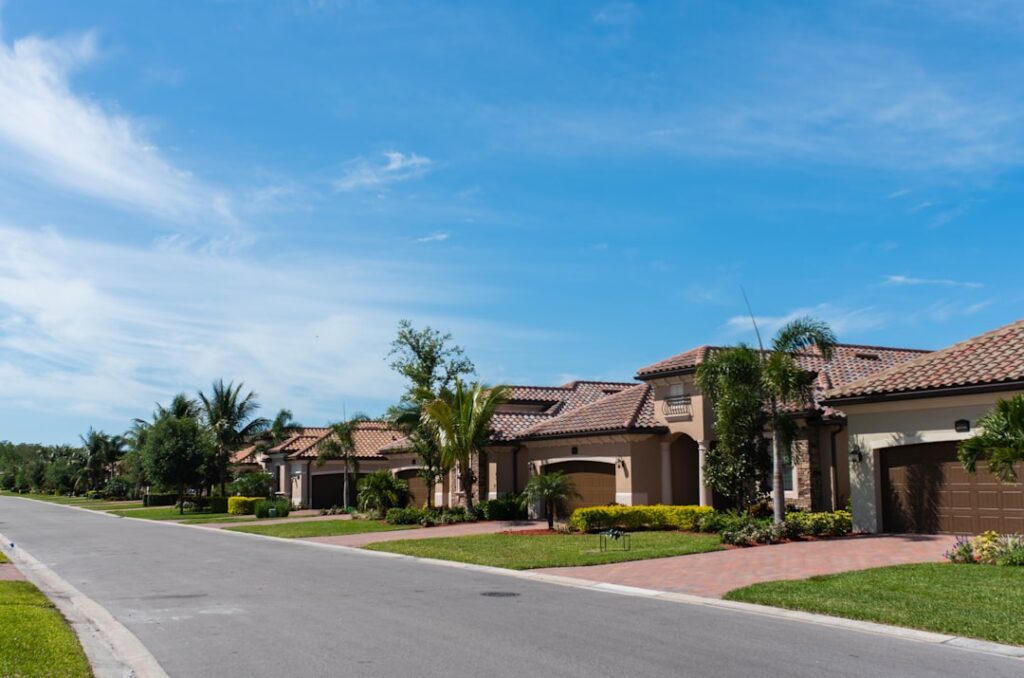
Anyone planning a career inspecting homes in Florida — or a relocating inspector wondering whether their credentials transfer — needs to understand how a Florida home inspector license works. Florida is one of roughly 30 states that license home inspectors, and its requirements are specific: education hours, a passing exam score, insurance, and ongoing continuing education. This matters for buyers too, because a state license sets a baseline of accountability that states like Colorado, which does not license inspectors, leave to professional associations instead. This guide walks through the Florida requirements and explains how the licensed-versus-unlicensed landscape affects the inspector you eventually hire.
What does a Florida home inspector license require?
Florida requires home inspectors to complete a state-approved 120-hour training course, pass an approved national examination, carry commercial general liability insurance, and submit an application with fingerprinting and a background check through the Florida Department of Business and Professional Regulation (DBPR). Once licensed, inspectors must complete continuing education to renew every two years. There is no separate experience-hour requirement beyond the coursework, which makes Florida more accessible than some states but stricter than the many states with no licensing at all.
For people weighing this as a career rather than just hiring an inspector, the broader picture of working with and becoming a home inspector puts the licensing step in context alongside training and business setup. The license is the legal gate to practice in Florida, but it is only one piece of building a credible inspection business.
The step-by-step licensing path
The Florida route follows a clear sequence:
- Step 1 — Education: Complete a DBPR-approved 120-hour home inspection course. These are offered online and in person and cover building systems, the standards of practice, and report writing.
- Step 2 — Examination: Pass an approved exam. Florida accepts national exams such as the National Home Inspector Examination, which tests systems knowledge and standards.
- Step 3 — Insurance: Obtain commercial general liability coverage; many inspectors also carry errors-and-omissions insurance.
- Step 4 — Application: Submit the DBPR application, fees, fingerprints, and proof of education and insurance.
- Step 5 — Renewal: Complete the required continuing-education hours each two-year cycle to keep the license active.
The total cost — course, exam, insurance, and fees — commonly lands in the low four figures before factoring in tools and business setup. Anyone planning the broader career move should also study the path to becoming a home inspector nationally, since requirements vary sharply by state and a credential earned in one state does not automatically carry to another.
The coursework and exam in detail
The 120-hour course is the substantive core of Florida licensing. It covers the major building systems — roofing, structure, electrical, plumbing, HVAC, and the interior and exterior — along with report writing and the standards of practice that define what an inspector must and must not do. Reputable courses include field components or simulated inspections, because reading about a furnace is different from recognizing a cracked heat exchanger in person.
The examination tests both systems knowledge and standards-of-practice judgment. The National Home Inspector Examination, accepted in Florida and many other states, is a psychometrically validated test, meaning a passing score reflects a measured baseline of competence rather than a casual quiz. Candidates who treat the course as exam prep, and who supplement it with ride-alongs alongside an experienced inspector, tend to be far more capable on their first solo inspections.
Why insurance is part of the license
Florida ties insurance to licensure deliberately. A home inspection is an opinion of condition, and inspectors are occasionally sued when a buyer discovers a defect after closing. Liability and errors-and-omissions coverage protect both the inspector and the consumer, which is why the state will not issue a license without proof of coverage. Buyers hiring an inspector — in any state — should confirm this coverage is current, a point covered in depth in the guide to home inspector liability insurance. An uninsured inspector leaves a buyer with little recourse if a major issue is overlooked.
How Florida compares to Colorado
Here is the contrast that matters for Front Range buyers and relocating inspectors: Colorado does not license home inspectors at the state level. There is no Colorado equivalent of the DBPR home-inspection license. Instead, Colorado inspectors demonstrate competence through membership in professional associations like ASHI and InterNACHI, which require training, exams, continuing education, and adherence to a standard of practice.
That means a Florida license does not automatically authorize anyone to inspect in Colorado, and a Colorado inspector does not need a state license to work — but reputable ones still hold national certifications. For buyers, the practical takeaway is the same in both states: verify the inspector’s credentials, certifications, and insurance directly, rather than assuming a license exists. A buyer in Denver cannot look up a “Colorado inspector license number” because there is none; they verify ASHI or InterNACHI membership instead.
National certifications that travel
Because licensing is patchy across states, national certifications carry weight everywhere. InterNACHI’s Certified Professional Inspector designation and ASHI’s certification both require coursework, a passing exam, and continuing education, and they are recognized regardless of state lines. An inspector who holds one of these and carries insurance meets a meaningful professional bar whether or not the state issues a license.
For a relocating Florida-licensed inspector, the most portable assets are these national certifications, a clean insurance record, and a documented inspection history — not the state license itself. An inspector moving from Florida to Colorado would not need to surrender their experience; they would simply maintain their national certification and insurance and continue practicing, since Colorado imposes no state license to obtain or transfer.
Renewal, continuing education, and staying current
A Florida license is not a one-time achievement. Inspectors renew every two years and must complete continuing-education hours during each cycle. The requirement exists because building products, codes, and best practices change — new wiring methods, updated roofing materials, evolving standards of practice — and an inspector who stopped learning in their licensing year would gradually fall behind. Continuing education keeps the credential meaningful rather than letting it become a stale certificate on a wall.
For buyers, an inspector’s commitment to ongoing education is a quality signal worth asking about regardless of state. An inspector who pursues additional certifications — in radon measurement, infrared thermography, or wood-destroying-organism inspection — is demonstrating the same impulse the renewal requirement enforces. In a non-licensing state like Colorado, where there is no mandatory renewal cycle, this voluntary continuing education becomes even more telling, because nothing forces the inspector to do it.
The same logic applies to professional-association membership. ASHI and InterNACHI both require continuing education to maintain certification, which means a current member is, by definition, keeping up. When a buyer in Denver or Aurora confirms an inspector’s active InterNACHI or ASHI standing, they are confirming not just past training but ongoing currency — the same assurance a Florida renewal cycle is designed to provide. The credential’s value lies as much in what it requires every two years as in what it required at the start.
Building a career beyond the license
The license is the entry ticket, not the finish line. A new Florida inspector who passes the exam and binds insurance still has to build a business: tools, report-writing software, marketing, relationships with real estate agents, and the field experience that turns book knowledge into confident judgment. Many new inspectors shadow an experienced one for a stretch of inspections before working solo, because recognizing a failing component in a dim crawlspace is a skill that develops with repetition.
Specialization can set an inspector apart in a crowded market. Add-on certifications in radon measurement, infrared thermography, wind mitigation, mold assessment, or wood-destroying-organism inspection let an inspector offer bundled services and command higher fees. In Florida, wind mitigation and four-point inspections are steady revenue because insurers require them; in Colorado, radon measurement is the analogous high-demand add-on given the state’s geology. The base license or certification gets an inspector in the door, but the supplementary skills fill the calendar.
Reputation ultimately drives the business more than any credential. Agents refer inspectors who write clear reports, communicate well, and stand behind their work. A pattern of thorough, fair inspections earns repeat referrals; a reputation for either missing obvious defects or being needlessly alarmist drives clients away. The license and certification establish competence at the start, but a sustainable inspection career is built on the accumulated trust of clients and the agents who recommend them.
How buyers should use licensing information
When hiring an inspector, ask three questions: Are you certified by ASHI or InterNACHI? Do you carry general liability and errors-and-omissions insurance? May I see a sample report? In a licensing state like Florida, add: What is your DBPR license number? Then verify it through the state board’s online lookup. In a non-licensing state like Colorado, lean harder on certification, insurance, references, and the sample report. The goal is the same either way — confirming the person walking your future home is competent and accountable. A license is a useful signal where it exists, but it is never the only one worth checking.
It also helps to understand what a license does and does not guarantee. A state license confirms an inspector met minimum education, exam, and insurance requirements at the time of issuance; it does not certify that any given inspection will be thorough, that the report will be clear, or that the inspector keeps current with their education unless renewal enforces it. That is why even in a licensing state, buyers should read a sample report and check reviews rather than treating the license number as the end of due diligence.
For Colorado buyers specifically, the absence of a state license is not a gap to fear but a prompt to verify the things that actually matter: active ASHI or InterNACHI certification, current general liability and errors-and-omissions insurance, a strong sample report, and a pattern of good reviews. An inspector who clears those bars is at least as accountable as a licensed inspector in another state, because the professional associations enforce standards, continuing education, and a code of ethics. The license question, in the end, is less about the credential itself and more about the underlying competence and accountability it is meant to signal — and those can be confirmed directly in any state.
One last point for anyone weighing a move into the profession across state lines: research the destination state’s rules before assuming a credential transfers. Some states have reciprocity arrangements; others require their own coursework and exam regardless of prior licensure. Colorado’s lack of a state license means a qualified inspector can begin working there without a state application, but maintaining national certification and insurance remains essential. A Florida-licensed inspector relocating to the Front Range loses nothing of substance — their training, experience, and national certifications all carry over — but they should confirm the local landscape rather than assuming Florida’s framework applies everywhere.
References
- InterNACHI certification and membership requirements — International Association of Certified Home Inspectors
- ASHI membership and certification — American Society of Home Inspectors
- International Residential Code reference — International Code Council
Home inspector exam prep & study picks
Studying for the National Home Inspector Examination (NHIE) or a state licensing exam? These are the study guides and field references aspiring inspectors rely on.
| Product | Why | Buy |
|---|---|---|
 NHIE Exam Prep Study Guide NHIE Exam Prep Study Guide | Practice questions + content review for the national exam. | Amazon — $11.99 |
 Principles of Home Inspection (Carson Dunlop) Principles of Home Inspection (Carson Dunlop) | Widely used training reference series. | Amazon — $159.00 |
 Code Check Complete Code Check Complete | Illustrated building-code field guide inspectors carry. | Amazon — $55.99 |
 Home Inspector Starter Tool Kit Home Inspector Starter Tool Kit | Flashlight, outlet tester, and basics to get started. | Amazon — $54.99 |