Become a Home Inspector: The National Path
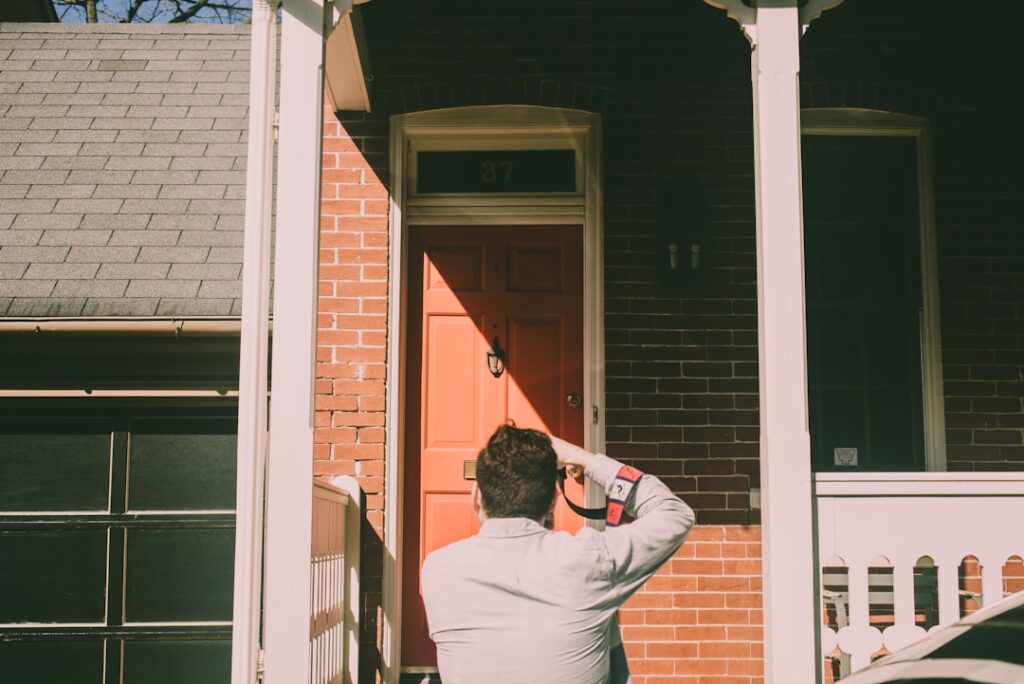
People decide to become a home inspector for good reasons: a flexible schedule, a hands-on trade that pays well, and the chance to run their own business. The path is real but it is not uniform, because home inspection is regulated state by state rather than nationally. Some states require a license, formal training, and an exam; others have no license at all. Understanding the general route, education, the national exam, certification, and the state-specific layer on top, is the first step. This guide maps the national path and points to where the state details diverge.
How do you become a home inspector?
The broad sequence is consistent even where the rules differ: get training in home-inspection fundamentals, pass a recognized exam, meet any state licensing requirements, join a professional association for standards and support, then build experience and a business. The order and the specifics shift by state, but those building blocks appear almost everywhere.
The single most important early step is to check your own state’s requirements, because they determine everything that follows, from how many training hours you need to whether a license exists at all. A state that licenses inspectors will dictate required training hours, the exam, supervised inspections, and continuing education. A state with no licensing leaves it to you to build credibility through certification and a strong reputation. Skipping this check is the most common way new inspectors waste time on training that does not match where they intend to work.
Step one: education and training
Formal training teaches the systems an inspector evaluates, structure, roofing, electrical, plumbing, HVAC, insulation, and the standards of practice and report-writing that turn observations into a professional product. Training comes through association courses, online programs, classroom providers, and sometimes apprenticeship under a working inspector.
Licensed states usually specify a minimum number of training hours; unlicensed states leave the amount to you, though serious inspectors still train thoroughly because clients and associations expect competence. Hands-on practice matters as much as coursework, since reading about a failing furnace is different from recognizing one in a dim basement. Our overview of home inspector training options covers the kinds of programs available.
Online versus classroom training
Training comes in several formats, and the right choice depends on how you learn. Online courses offer flexibility and let you study around a job, which suits career-changers, but they can lack the hands-on practice that builds real competence. Classroom and in-person programs add live instruction and, in the best cases, mock inspections on real homes. Apprenticeship under a working inspector is the most hands-on path of all, and many successful inspectors combine formats: coursework for the knowledge, ride-alongs for the judgment. Whatever the format, the goal is the same, the ability to recognize a defect in the field, not just to recite it on a test.
Step two: the National Home Inspector Examination
The National Home Inspector Examination, or NHIE, is the standardized test many states use to confirm baseline competency. It covers the systems an inspector evaluates and the professional practices that govern the work, and a passing score is a credential recognized across much of the country.
Even in states that do not mandate it, passing the NHIE signals competence to clients and supports membership in professional bodies. Candidates typically prepare through their training program plus dedicated exam study. Treat it as the national anchor of the profession: not every state requires it, but it is the closest thing to a common standard the field has.
Step three: licensing and the state-by-state variance
This is where the path forks, and it is the part newcomers most often underestimate. Roughly two-thirds of states regulate home inspectors, and their requirements vary widely in training hours, exams, supervised inspections, background checks, and insurance.
Licensed states
A licensed state spells out exactly what you must complete, often a set number of training hours, the NHIE or a state exam, a number of supervised or parallel inspections, proof of insurance, and ongoing continuing education to renew. Florida is a clear example, with its own course-hour and license-type requirements; our dedicated guide on how to become a home inspector in Florida walks through that state’s specific path.
Unlicensed states
Where no license exists, anyone can technically call themselves an inspector, which makes voluntary credentials more important, not less. In these states, certification through a major association and a clean reputation are what separate a credible inspector from an amateur. The home inspector license guide explains how to find your state’s rules.
Supervised inspections and experience requirements
Many licensed states require more than passing an exam; they require a number of supervised or parallel inspections before granting a full license. The logic is sound: home inspection is a judgment skill, and judgment comes from doing the work under guidance, not from a classroom alone.
Under this model, a new inspector performs inspections alongside an experienced one, or completes a set number of inspections that are reviewed, before working independently. Even where the state does not require it, serving an informal apprenticeship is the fastest way to build competence. The difference between knowing that a furnace can fail and recognizing the specific signs of a failing one in a dim basement is exactly the gap that supervised experience closes. New inspectors who skip this step often struggle, because the field is full of situations no course fully prepares you for.
Step four: certification and professional membership
Joining a recognized association such as ASHI or InterNACHI provides the standards of practice and code of ethics that define professional work, plus training, marketing support, and credibility with clients. Certification through these bodies often involves coursework, an exam, and a number of completed inspections, and it carries weight everywhere, including the unlicensed states where it is the main proof of competence.
Membership also keeps an inspector current as codes and best practices evolve, through continuing education. For most new inspectors, association certification is not optional in practice; it is how you demonstrate to wary buyers that you know the work. Our guide to the certified home inspector designation explains what these credentials mean to clients.
What does a home inspector earn?
Income is a fair question for anyone considering the career, and the honest answer is that it varies widely. Earnings depend on location, experience, the number of inspections completed, the fees charged, and whether the inspector runs a solo practice or works for a firm. A new inspector building a client base earns less than an established one with a steady referral stream from agents and past clients.
The business model matters as much as the per-inspection fee. Independent inspectors keep more of each fee but carry all the costs and marketing burden; those who work for a franchise or larger company trade some income for a steadier flow of work and shared overhead. Add-on services like radon testing, mold assessment, or sewer scoping can increase revenue per visit. Our guide on home inspector salary covers the factors that move the number, and they reward experience and reputation over time.
Is home inspection a good career?
The profession appeals to people who want independence, hands-on work, and the ability to build their own business, and those who succeed tend to be detail-oriented, good communicators, and comfortable explaining problems to anxious buyers. The flexibility is real, but so is the reality of running a small business, which means marketing, scheduling, paperwork, and slow seasons.
There are also responsibilities to weigh. An inspector carries liability for what they report and miss, which is why errors-and-omissions insurance is standard and why thoroughness is not optional. The work can be physical, crawling through attics and crawl spaces, climbing onto roofs, in all weather. For the right person, those tradeoffs are well worth the autonomy and the steady demand that comes with a real estate market that needs inspections. Our overview of home inspector jobs covers the career landscape.
Building experience and a business
Passing the exam and getting licensed is the beginning, not the destination. New inspectors build competence by performing inspections, often alongside a seasoned mentor at first, and by working through the full range of homes and systems until the patterns become familiar. The judgment that lets an inspector tell a cosmetic crack from a structural one comes from volume, not coursework.
The business side matters just as much. Most inspectors are independent operators who must carry errors-and-omissions and liability insurance, market themselves to agents and buyers, and run the administrative side of a small company. Some start by joining a franchise or an established firm to learn the ropes before going solo. The broader guide to the home inspection profession covers what clients look for, which is exactly what a new inspector must deliver.
Building referral relationships is often the quiet make-or-break factor. Real estate agents send a great deal of repeat business to inspectors they trust to be thorough but fair, and a reputation for clear reports and good communication compounds over the years into a steady stream of work. New inspectors who treat every inspection as a chance to earn the next referral grow faster than those who chase the cheapest job. Report-writing software, scheduling tools, and a professional online presence round out the practical toolkit a modern inspection business needs to compete.
Common questions newcomers ask
Two questions come up constantly. The first is how long it takes to become a home inspector. The answer depends entirely on the state and the path: in a state with a license, completing the required training hours, passing the exam, and finishing supervised inspections can take a few months of focused effort, while building enough experience to inspect confidently takes longer. In an unlicensed state, you could technically start sooner, but a credible practice still requires real training and certification first.
The second is whether a prior trade background helps. It does. Experience in construction, electrical, plumbing, or HVAC gives a head start on recognizing how systems work and fail, though it is not required, and plenty of successful inspectors come from unrelated fields. What matters more than any specific background is a willingness to learn the breadth of home systems and the discipline to inspect thoroughly every time. The path rewards diligence over any single prior credential.
References
- Becoming a Certified Inspector — InterNACHI
- Membership and Certification Requirements — American Society of Home Inspectors
- Standards of Practice — InterNACHI
- Home Inspection Guidance — U.S. Department of Housing and Urban Development
Home inspector exam prep & study picks
Studying for the National Home Inspector Examination (NHIE) or a state licensing exam? These are the study guides and field references aspiring inspectors rely on.
| Product | Why | Buy |
|---|---|---|
 NHIE Exam Prep Study Guide NHIE Exam Prep Study Guide | Practice questions + content review for the national exam. | Amazon — $11.99 |
 Principles of Home Inspection (Carson Dunlop) Principles of Home Inspection (Carson Dunlop) | Widely used training reference series. | Amazon — $159.00 |
 Code Check Complete Code Check Complete | Illustrated building-code field guide inspectors carry. | Amazon — $55.99 |
 Home Inspector Starter Tool Kit Home Inspector Starter Tool Kit | Flashlight, outlet tester, and basics to get started. | Amazon — $54.99 |