Florida Home Inspection: A Buyer’s Hiring Guide
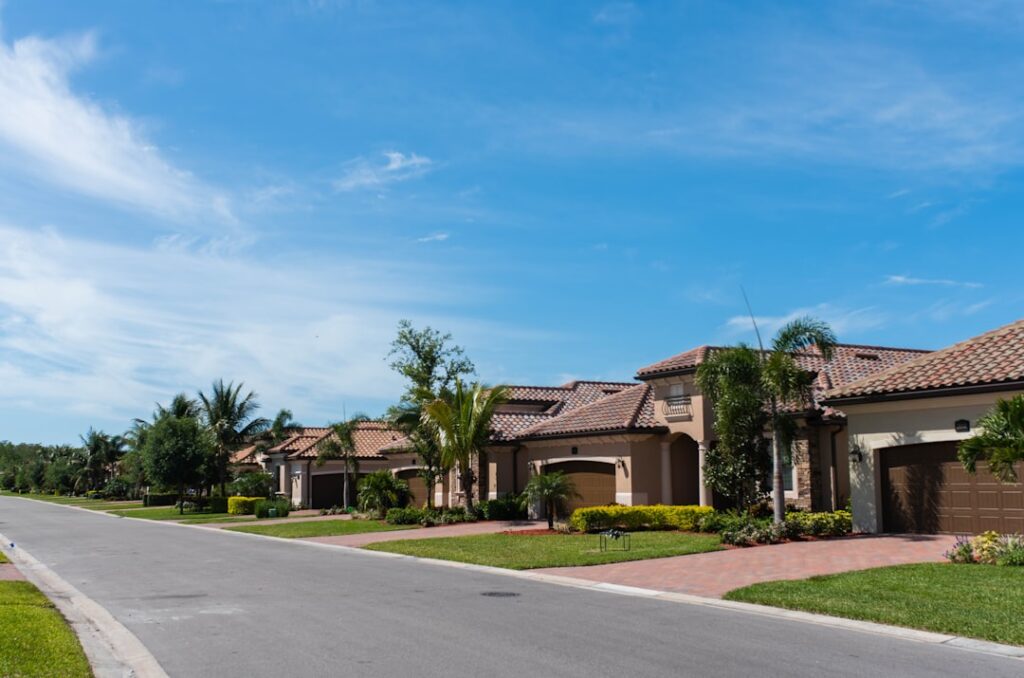
A Florida home inspection carries weight that buyers from other states sometimes underestimate, because in Florida the inspection often determines not just the purchase decision but whether you can even insure the home affordably. Hurricanes, humidity, and an aging coastal housing stock have produced inspection requirements and specialty reports that are largely unique to the state. This guide explains how Florida licenses inspectors, what a standard inspection covers, the four-point and wind mitigation reports that insurers demand, typical costs, and how to vet a candidate. It extends the fundamentals in our broader guide to hiring a home inspector.
Part of our Home Inspections Explained guide — start there for the full picture →
Are Florida home inspectors licensed?
Yes. Florida licenses home inspectors through the Department of Business and Professional Regulation. Earning the license requires completing approved education, passing a state-recognized examination, carrying insurance, and renewing through continuing education. That regulatory structure gives Florida buyers a baseline of accountability and a way to verify that an inspector meets minimum standards.
The first step is to confirm the license is active. A licensed Florida inspector should furnish a license number on request. Beyond the state license, national credentials from ASHI or InterNACHI indicate adherence to a recognized standard of practice and additional training. In Florida’s demanding inspection environment, an inspector who holds both the state license and a strong national certification is a reassuring sign.
What does a Florida home inspection cover?
A standard Florida inspection is a visual, non-invasive examination of the home’s accessible systems, following the recognized standards of practice. The inspector reports the condition of each system, identifies defects, and recommends specialist follow-up where needed. As elsewhere, it is not a code-compliance review or a warranty.
Core systems
The inspection addresses the roof and its covering, the structure and foundation or slab, the exterior walls and grading, the attic and ventilation, the electrical service and visible wiring, the heating and cooling systems, the visible plumbing, and the interior finishes including windows and doors. Our overview of what a house inspector looks for details each component in plain terms.
Florida-specific concerns
Florida’s climate drives a distinct defect profile. High humidity and frequent rain make moisture intrusion, mold, and wood rot leading concerns, especially around windows, roofs, and air-conditioning condensate systems. Air conditioning is essential rather than optional, so HVAC condition and age get close scrutiny. Coastal salt exposure corrodes fasteners and metal components. Older homes may have polybutylene plumbing, aluminum wiring, or aging electrical panels that insurers and inspectors flag. Roof age is critical in Florida because insurers often refuse or surcharge coverage on roofs nearing the end of their service life.
The four-point and wind mitigation reports
Two Florida-specific reports often matter as much as the general inspection because insurers require them.
The four-point inspection
A four-point inspection focuses on four systems: the roof, electrical, plumbing, and HVAC. Insurers commonly require it for older homes before they will write or renew a policy, since these four systems drive the bulk of claims. It is narrower than a full inspection and serves a different purpose, documenting the condition and remaining life of the systems most likely to fail.
The wind mitigation inspection
A wind mitigation inspection documents features that help a home resist hurricane-force wind, such as roof shape, roof-to-wall connections, roof deck attachment, and the presence of impact-rated openings or shutters. Homeowners use it to qualify for insurance premium discounts, which can be substantial. Many buyers schedule the four-point and wind mitigation reports alongside the general inspection, and Florida inspectors frequently offer all three together.
How much does a Florida home inspection cost?
A standard single-family inspection in Florida generally falls in a typical national range, often the low-to-mid hundreds of dollars, scaling with size and age. The specialty reports add to that total: a four-point inspection and a wind mitigation report are usually modest add-ons, and many inspectors bundle them. Additional services such as mold sampling, sewer scope, or pool and dock inspections raise the price further.
Given how directly the inspection affects insurability in Florida, the cheapest option can backfire. An inspector who carefully documents roof age and wind-resistant features can save a buyer far more in insurance premiums than the fee difference. Value, not price alone, should guide the choice.
How to vet and hire a Florida inspector
Florida’s licensing helps, but inspector quality still varies widely. Targeted screening protects the buyer.
Verify license, insurance, and specialty capability
Confirm the state license is active and ask for the number. Ask whether the inspector carries errors-and-omissions and liability insurance. In Florida, also ask whether they perform four-point and wind mitigation inspections, since you will likely need both for insurance. An inspector who handles all three in one visit saves time and coordination.
Review a sample report
A sample report shows whether an inspector documents clearly. Look for sharp photos, a prioritized summary, and specific recommendations. Understanding the structure of the visit, laid out in our home inspection process guide, lets you judge whether the reported scope is complete.
Attend the inspection
Walking the home with the inspector is especially useful in Florida, where roof condition, attic moisture, and HVAC issues benefit from in-person explanation. An inspector who welcomes your presence and answers questions plainly is usually thorough.
Common defects in Florida homes
Several issues dominate Florida inspections. Roof problems lead, both physical wear and the insurance complications of an aging roof. Moisture intrusion and mold follow closely, fed by humidity and rain, and often appear around windows, roof penetrations, and AC condensate lines. HVAC systems take a beating in the heat, so aging or poorly maintained units are flagged regularly.
Plumbing and electrical concerns surface in older homes, including polybutylene supply lines, corroded fittings, and outdated panels. Coastal corrosion of fasteners and connectors is a structural concern near the water. Pool and screen enclosure defects appear often given how common those features are statewide.
Reading the report and acting on it
Most Florida inspectors deliver the report within a day or two, with photos and a summary by system, often alongside the four-point and wind mitigation forms. Read the summary first, then dig into the detail. Major findings like a failing roof, active moisture intrusion, or an unsafe panel can support a repair request or price negotiation. Buyers should approach that step with realistic expectations, and our guide on asking for a price reduction after a home inspection helps frame the conversation. Remember that in Florida the report may also dictate what you must repair to obtain insurance, which changes the calculus on which items are truly negotiable.
How the inspection connects to Florida insurance
In Florida, the home inspection and home insurance are tightly linked in a way that surprises buyers from other states. Insurers in the state scrutinize roof age, roof condition, and the four core systems before agreeing to write a policy, and they reward wind-resistant construction with premium discounts. The inspection and its companion reports effectively determine whether a home is insurable and at what price.
This connection changes how a buyer should weigh findings. A roof near the end of its life is not just a maintenance concern; it can be the difference between an affordable policy and no policy at all. The wind mitigation report can unlock discounts that offset the inspection’s cost many times over. Buyers should treat the inspection as part of their insurance due diligence, not a separate exercise, and confirm with prospective insurers what documentation they require before closing. Approaching the inspection with the insurance angle in mind often reveals which findings are truly urgent.
What a Florida inspection does not cover
A standard inspection has limits buyers should understand. It is visual and non-invasive, so the inspector does not open walls, dismantle equipment, or move stored items to reach concealed areas. Mold sampling, radon testing, and detailed pest inspections are separate services rather than part of the standard scope. The general inspection is also distinct from the four-point and wind mitigation reports, which serve insurance purposes and must be requested.
The inspection reflects the home’s condition on the day of the visit and does not warrant future performance. An air conditioner that cools well during the inspection could fail later in the relentless Florida heat, which is ordinary wear rather than a missed defect. In a humid climate, the inspection cannot guarantee that a currently dry area will stay free of moisture and mold. Knowing these boundaries helps a buyer decide which add-on services and specialty reports to order and keeps expectations grounded.
Inspecting condominiums and coastal properties
Florida’s housing mix includes a large share of condominiums and coastal homes, each with its own inspection wrinkles. For a condominium, the inspection generally focuses on the interior of the unit and the systems serving it, since the building’s structure, roof, and common elements are the association’s responsibility. A buyer should still ask about the building’s condition and any structural assessments, since association issues can translate into special assessments that fall on owners.
Coastal properties demand extra attention to corrosion. Salt-laden air attacks fasteners, connectors, railings, and metal components, and an inspector near the water should scrutinize these closely. Hurricane exposure makes roof condition, window and door protection, and the wind-resistant features documented in a wind mitigation report especially important. Coastal homes also face heightened moisture and flooding considerations. A buyer of a beachfront or near-coastal Florida home benefits from an inspector experienced with these conditions rather than one accustomed only to inland properties.
How long a Florida inspection takes
A thorough inspection of an average Florida single-family home generally takes a few hours, and longer when the four-point and wind mitigation reports are performed during the same visit. Larger homes, older properties, and added services such as mold sampling or a sewer scope extend the timeline. An inspector who rushes through a full-size home in under an hour is unlikely to have examined the roof, attic, and systems with the care Florida conditions require.
The time invested pays off because Florida’s defect profile rewards careful examination. Attic moisture, AC condensate handling, roof condition, and signs of past water intrusion all take time to assess properly in a humid climate. Attending the inspection lets a buyer see these areas firsthand and understand the inspector’s findings on roof age and moisture, which are precisely the items most likely to affect both the purchase decision and the home’s insurability. Budgeting for an unhurried, in-person inspection is one of the best uses of a buyer’s time before closing.
When to call a specialist
A general inspector flags symptoms and recommends deeper evaluation. In Florida, common referrals include roofing contractors for roof age and condition, mold assessors for suspected fungal growth, HVAC technicians for aging systems, and licensed plumbers or electricians for polybutylene or panel concerns. Following these referrals before closing clarifies both the condition of the home and your path to insuring it.
Timing matters: these referrals belong in the inspection contingency period so the findings can shape negotiation and insurance planning before the buyer is committed. A roofing contractor’s assessment of remaining roof life, or a plumber’s confirmation of polybutylene supply lines, gives a buyer concrete information about both repair costs and insurability. In Florida more than most states, that information can determine whether the purchase makes financial sense at all, which is why following through on every recommended referral is worth the effort.
References
- InterNACHI Standards of Practice for home inspectors — International Association of Certified Home Inspectors
- ASHI inspector search and standards of practice — American Society of Home Inspectors
- Building code and wind-resistance standards background — International Code Council
Frequently asked questions
Are home inspectors licensed in Florida?
Yes. Florida licenses home inspectors through the Department of Business and Professional Regulation, which requires education, an exam, insurance, and continuing education. Buyers should verify the license is active and look for additional ASHI or InterNACHI credentials.
What is a four-point inspection in Florida?
A four-point inspection evaluates the roof, electrical, plumbing, and HVAC systems. Insurers commonly require it for older homes before issuing or renewing a policy because those four systems drive most claims. It is narrower than a full home inspection.
What is a wind mitigation inspection?
A wind mitigation inspection documents hurricane-resistant features such as roof shape, roof-to-wall connections, deck attachment, and impact-rated openings. Homeowners use the report to qualify for insurance premium discounts, which can be significant.
How much does a Florida home inspection cost?
A standard single-family inspection typically runs in the low-to-mid hundreds of dollars, scaling with size and age. Four-point and wind mitigation reports are usually modest add-ons, and many inspectors bundle all three.