Garage Floor Drains: Where They Drain and Why It Matters
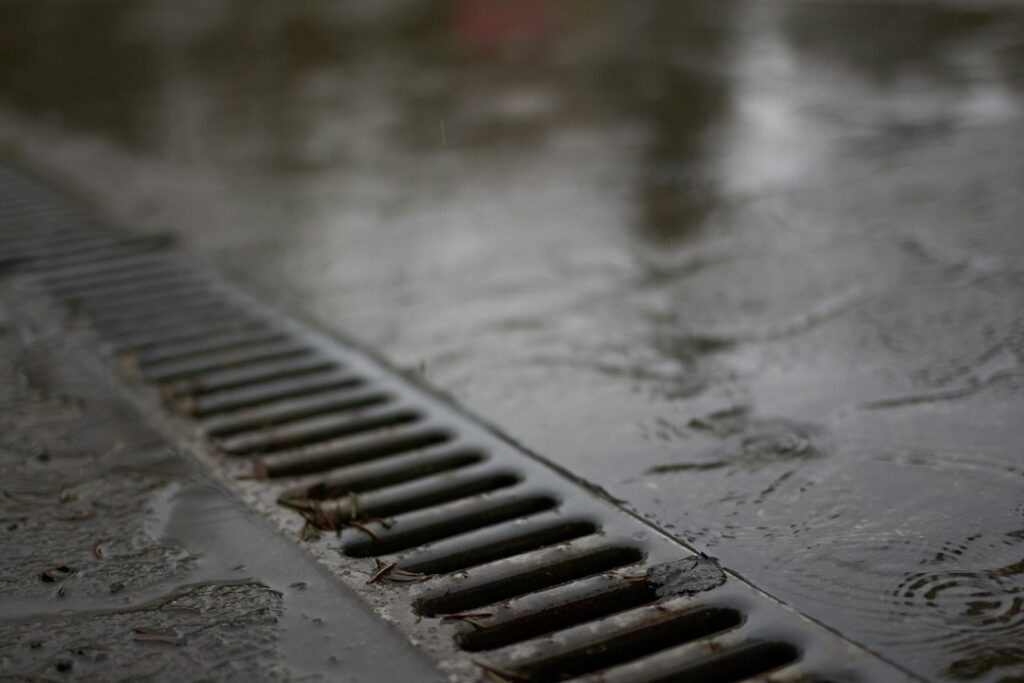
A drain in the middle of a garage slab looks like a simple convenience: a place for snowmelt from the car to go, a spot to hose down the floor, a way to keep puddles from spreading toward the door into the house. The grate is the only part anyone sees, though, and the real questions sit below it. Where does the pipe go? Is it connected to a sanitary sewer, a dry well, a storm system, or simply out to the yard? Does the floor actually slope toward it? Is it plugged with years of sand and road grit? A garage floor drain that discharges to the wrong place can carry motor oil and antifreeze into the ground, and one that does not drain at all simply becomes a low spot full of slush. This guide explains how these drains work, the discharge options and the rules that often apply, oil separators and sediment traps, clogs, environmental concerns, slab slope, what an inspector can and cannot confirm, and typical costs. Rules vary widely by city and county, so treat this as background before checking with your local building and wastewater authorities.
Part of our Structure & Exterior guide — start there for the full picture →
What a Garage Floor Drain Is and Why Homes Have One
Most residential garage drains fall into one of three types:
- Point drains. A single round or square grate set at a low point in the slab, usually near the center of a bay. The floor is sloped toward it from several directions.
- Trench or channel drains. A long, narrow grated channel, often across the width of the garage near the overhead door or down the middle of the floor. These catch water across a line rather than at a point. Our guide to trench drains covers their design and maintenance in more detail.
- Catch basins with sumps. A deeper box below the grate that lets sediment settle before water leaves through an outlet pipe higher in the box.
On the Colorado Front Range, the most common reason for a garage drain is winter. A car that has been driven through slush brings in snow packed in the wheel wells, and that snow melts on the slab overnight. Melting slush carries sand, gravel, and road deicers. Without a drain, the water spreads across the floor, refreezes near the door, and can work into cracks and joints. Some homeowners also want a drain for washing the floor, rinsing a workshop area, or handling water from a utility sink.
Not every garage has a drain, and many do not need one. In some areas, new garage drains are discouraged or tightly controlled because of where the water ends up. A garage without a drain is not automatically a defect; a garage with a drain that goes somewhere it should not can be a bigger problem.
Where Garage Drains Discharge
The single most important fact about any garage floor drain is its destination. There are four broad possibilities, and the right one depends on local rules, site conditions, and how the garage is used.
Sanitary sewer
Some garage drains connect to the home’s sanitary drain line and from there to the municipal sewer or, in rural areas, to a septic system. Where this is allowed, codes commonly require a trap so sewer gas cannot enter the garage, and many jurisdictions also call for an oil or sand interceptor ahead of the connection. A dry trap is a frequent problem: if the drain rarely receives water, the trap evaporates and sewer odor comes up through the grate. Connecting a garage drain to a septic system raises separate concerns, because oil, solvents, and sediment are not things a septic system is designed to treat. Some homes have the opposite risk as well: if the garage drain ties into a sewer lateral that backs up, sewage can come out at the lowest fixture. See our guide to sewer backups for how that happens and how backwater valves help.
Dry well or soakaway
A dry well is a buried pit, often filled with gravel or built from a perforated tank, that lets water soak into the surrounding soil. Dry wells were common for older garage drains because they avoided a sewer connection. They are also the discharge type that draws the most regulatory attention. The U.S. Environmental Protection Agency treats shallow systems that put fluids into the ground as Class V injection wells, and it notes that most Class V wells are shallow disposal systems that rely on gravity. The EPA’s page on motor vehicle waste disposal wells describes typical examples as floor drains in service bays that connect to a septic system or dry well, and says these are regulated because vehicle fluids can contaminate groundwater. That rule is aimed at businesses that service vehicles, including vehicle repair home businesses, rather than an ordinary family garage, but it shows why local authorities are cautious about garage drains that feed directly into the soil.
Daylight or storm drain
Some garage drains run to daylight, meaning the pipe exits on a slope or at the curb and lets water flow out onto the ground or into a gutter. Others tie into a storm sewer. Storm sewers in most cities carry water to creeks and rivers with little or no treatment, so many municipalities prohibit connecting anything that might carry oil, antifreeze, or soap to them. A daylight outlet also needs a clear, protected exit; a buried or crushed outlet means the drain backs up, and an outlet near the foundation can send water right back toward the house.
Holding tank or no outlet
A few garages have a sealed holding tank that must be pumped out, and some drains have no discernible outlet at all. Occasionally a grate sits on top of a short pipe stub that ends in the gravel under the slab. That can work for a cup of water, but it can also saturate the soil beneath the slab and the adjacent foundation, which is a particular concern on the expansive clay soils found across parts of the Front Range.
Oil Separators, Sand Traps and Local Rules
Where garage drains are allowed to connect to a sewer, many jurisdictions call for an interceptor, sometimes called an oil separator, sand-oil interceptor, or triple-basin trap. These devices slow the water so sand settles to the bottom and lighter oils float to the top, with the outlet drawing water from the middle. They need periodic cleaning; an interceptor full of sludge no longer separates anything.
Whether a single-family garage needs an interceptor, whether a garage drain may connect to the sewer at all, and whether new garage drains are allowed varies by city, county, utility district, and sometimes by the age of the house. Some Colorado communities restrict new floor drains in residential garages; others permit them with a sand-oil interceptor; still others allow a connection only through a specific type of trap. Because rules change and differ even between neighboring towns, the safest approach before adding, altering, or reconnecting a garage drain is to call the local building department and the wastewater utility and ask what they currently permit.
For buyers, the practical question is whether the existing drain was permitted. Permit records are not always available, but a drain that looks recently added, with fresh saw cuts and new concrete around the grate, is worth asking the seller about.
Car Fluids, Deicers and Environmental Concerns
What goes down a garage floor drain is different from what goes down a basement drain. The EPA lists engine oil, transmission fluid, power steering fluid, brake fluid, antifreeze, solvents, and degreasers as motor vehicle wastes that may contaminate groundwater when they reach a shallow disposal system. A typical home garage will see small drips of several of these from parked vehicles, plus anything spilled during do-it-yourself maintenance.
Some practical habits reduce the risk regardless of where the drain goes:
- Never pour used oil, coolant, solvents, or paint down a garage drain. Take them to a household hazardous waste collection site or an auto parts store that accepts them.
- Use drip pans under vehicles that leak and absorbent material for spills, then dispose of the absorbent properly.
- Avoid washing the floor with strong degreasers that flush accumulated oil into the drain.
- Keep the grate clear so slush melts into the drain rather than spreading across the floor and tracking into the house.
Road deicers deserve a separate mention on the Front Range. Magnesium chloride and salt brines are widely used on Colorado roads, and they come into the garage on vehicles. Chloride-laden meltwater is hard on concrete over many freeze-thaw cycles and on metal grates and pipes. Rinsing the slab occasionally during winter, where the drain is set up for it, helps limit that buildup.
Fire safety is part of the same picture. The U.S. Fire Administration advises storing oil, gasoline, paints, propane, and varnishes in a shed away from the home and keeping items that can burn on shelves away from appliances. A drain that collects fuel vapors or flammable drips sits in the room where those materials are most often kept, so housekeeping in the garage matters as much as the drain itself.
Clogs, Odors and Maintenance
Garage drains clog for predictable reasons. Sand and gravel from tires settle in the trap or the sump. Leaves blow in under the door. Ice can block a grate in a cold garage. Over time, oil and grit form a dense sludge that slows flow and eventually stops it. Signs of trouble include:
- Water that pools around the grate long after the car has dripped dry.
- Gurgling or slow draining when the floor is rinsed.
- A sewer smell, usually a dry trap on sanitary-connected drains.
- Rust staining or a sheen of oil around the grate.
- Water backing up out of the grate during heavy rain, which may suggest a storm connection or a blocked outlet.
Routine maintenance is simple: lift the grate, scoop out sediment from the sump or catch basin, and flush with clean water. Where the drain has a trap, pouring water down it every few weeks keeps the seal from drying out. If the drain still runs slowly, a plumber can snake or jet the line and, if needed, run a camera to find the outlet and check for breaks or roots. Camera inspection is also the most reliable way to learn where an undocumented drain actually goes; dye tests are another option, and the EPA notes that a local health department or a plumber using dye or smoke tests may be able to help determine where a drain discharges.
Slab Slope, Cracks and Drainage Problems
A drain only works if the floor sends water to it. Garage slabs are usually built with a slight slope, either toward the overhead door or toward a central drain. Over time, settlement, heaving, or poor finishing can leave low spots where water collects away from the drain. On expansive soils, slab movement can reverse the intended slope entirely.
Common slope-related problems include:
- Birdbaths. Shallow puddles that remain after the rest of the floor dries.
- Water running toward the house. If meltwater flows toward the door into the living space or toward a foundation wall, it can cause damage that is far more expensive than a drain.
- Cracks that channel water. Cracks can carry water and deicers into the subgrade, and a crack that opens and closes with moisture can indicate soil movement. Our guide to garage floor cracks explains which patterns are cosmetic and which deserve a closer look.
- Raised drain bodies. If the slab settled around a drain that is supported on a pipe, the grate may now sit slightly above the floor, so water never reaches it.
Coatings can change how a floor drains as well. Epoxy and polyaspartic coatings create a smoother surface that sheds water readily but can be slick when wet; textured additives help. If a coating is planned, the grate should be cleaned and masked so the coating does not glue it in place. See our guide to garage floor epoxy for preparation and moisture testing before coating.
Correcting slope usually means grinding high spots, adding a thin overlay toward the drain, or cutting in a trench drain at the low edge. Severe settlement may call for slab jacking or replacement. Each approach should account for where the water will ultimately go.
What a Home Inspector Checks
The American Society of Home Inspectors Standard of Practice calls for inspecting interior drain, waste, and vent systems including fixtures, along with surface drainage and grading on the exterior. In practice, an inspector looking at a garage drain will note whether a drain is present, whether the grate is intact, whether there is visible sediment or standing water, whether the slab appears to slope toward it, and whether there are odors, staining, or signs of backup. An inspector may run some water to see whether it drains.
What an inspector generally cannot do during a standard inspection is determine where a buried drain line goes, confirm whether a connection is permitted, or verify that an interceptor is properly sized. Those questions usually lead to a recommendation for a plumber with a camera or a call to the local authority. For a broader view of the exterior and structural items an inspection covers, see our section on structure and exterior inspections, and for help choosing an inspector start with our guide to hiring a home inspector.
Buyers can add their own questions to the seller disclosure: Was the drain permitted? Where does it discharge? Has it ever backed up? Has it been cleaned or camera-scoped? Is there an interceptor, and when was it last pumped?
Garage Floor Drain Costs
Costs depend heavily on what is involved and where the house is. The figures below are rough 2026 ranges for the Front Range and should be confirmed with local quotes.
- Cleaning out a grate and sump yourself: essentially free beyond a shovel, bucket, and gloves.
- Professional drain cleaning or jetting: often in the low hundreds of dollars for a straightforward line.
- Camera inspection to locate the outlet: commonly a few hundred dollars, sometimes bundled with cleaning.
- Replacing a damaged grate: usually modest for a standard size, more for heavy-duty or custom grates.
- Adding a new point drain with a sewer connection: can run from the low thousands to several thousand dollars, depending on concrete cutting, trenching distance, interceptor requirements, and permits.
- Installing a trench drain: often comparable to or higher than a point drain, depending on length and the grate rating.
- Abandoning a non-compliant drain: filling the line and patching the slab can be relatively inexpensive, but closing a dry well correctly may require following a regulator’s instructions and can cost more.
References
- Motor Vehicle Waste Disposal Wells — U.S. Environmental Protection Agency
- Class V Wells for Injection of Non-Hazardous Fluids into or Above Underground Sources of Drinking Water — U.S. Environmental Protection Agency
- Basement and Garage Fire Safety — U.S. Fire Administration
- ASHI Standard of Practice for Home Inspections — American Society of Home Inspectors
Frequently asked questions
Where should a garage floor drain discharge?
It depends on local rules. Some jurisdictions allow a connection to the sanitary sewer, often through a trap and sand-oil interceptor; others restrict garage drains, dry wells or storm connections. Check with the local building department and wastewater utility before adding or changing one.
Why does my garage drain smell like sewer gas?
On a drain connected to the sanitary sewer, the most common cause is a dry trap. Pouring water down the drain every few weeks usually restores the seal. A persistent odor can point to a damaged trap or vent and is worth having a plumber check.
Can I pour used oil or antifreeze down a garage drain?
No. The EPA lists engine oil, antifreeze, solvents and similar vehicle fluids as wastes that can contaminate groundwater. Take them to a household hazardous waste site or a retailer that accepts them.
Will a home inspector tell me where the garage drain goes?
Usually not. An inspector can see the grate, sediment, slope and whether water drains, but a buried line's destination typically requires a plumber's camera or dye test, or records from the local authority.
How much does it cost to add a garage floor drain?
Adding a new drain with a sewer connection often runs from the low thousands to several thousand dollars, depending on concrete work, trenching, interceptor requirements and permits. These are general 2026 ranges; local quotes vary.
Not sure where the drain in your future garage actually goes? Reach out to us to connect with a Front Range inspector who can evaluate the slab, the drain and the drainage around it.