Cladosporium Herbarum: What Homeowners Need to Know
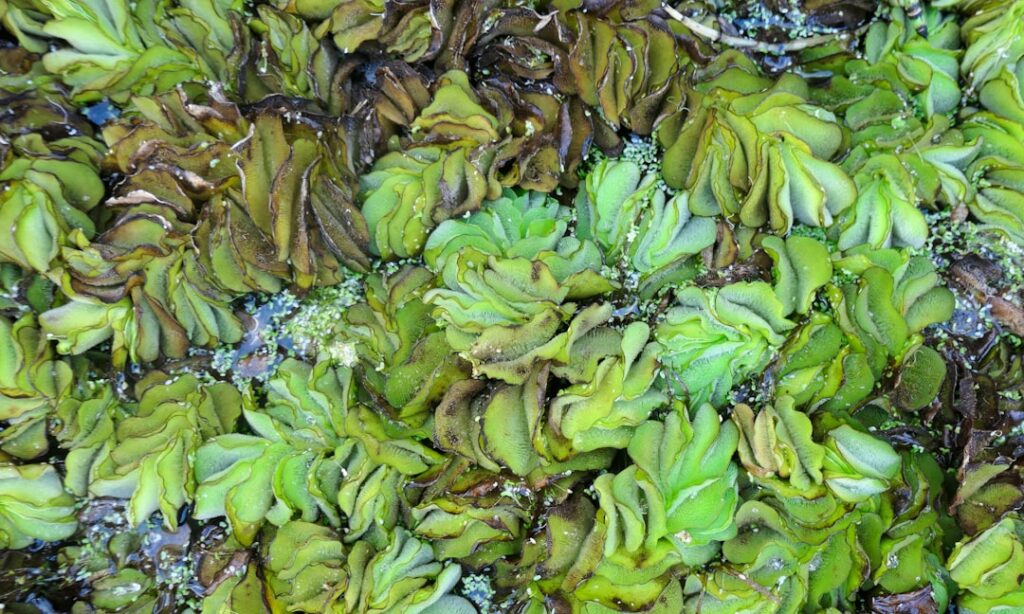
Cladosporium herbarum is one of the most common molds on the planet, found in outdoor air nearly everywhere and drifting indoors through windows, doors, and HVAC systems. It shows up as olive-green to brown patches on damp surfaces and is a frequent trigger for seasonal and indoor allergies. This guide summarizes EPA and CDC guidance current as of 2026 and is educational only; it does not diagnose any condition, and a physician should evaluate any health symptoms while a certified professional handles testing decisions. Homeowners who understand cladosporium herbarum can spot it early, control the moisture that feeds it, and know when the problem has outgrown a household fix.
Part of our Types of Mold guide — start there for the full picture →
Dealing with mold or water damage? Talk to a remediation pro now.
📞 Call (833) 723-1134What Is Cladosporium Herbarum?
Cladosporium herbarum is a species of mold in the Cladosporium genus, a group that includes dozens of species commonly found in homes and outdoors. It is one of the most abundant airborne molds worldwide and is often the dominant fungus in outdoor air samples, especially in late summer and fall. Indoors, it grows on damp materials and on surfaces where condensation collects. The CDC notes that Cladosporium is among the molds people encounter most often, and exposure is essentially universal because its spores are a normal part of the air we breathe.
The mold appears as powdery or velvety patches that range from olive green to brown or nearly black. Because color overlaps with other molds, appearance alone cannot confirm the species. Only laboratory analysis of a sample can identify cladosporium herbarum with certainty.
Where Cladosporium Herbarum Grows Indoors
Like all molds, cladosporium herbarum needs moisture and an organic food source. Indoors it favors cool, damp areas and materials that hold water. Common locations include:
Window frames and sills where condensation forms in cold weather. Bathrooms on grout, caulk, and painted walls. Basements and crawl spaces with high humidity or past water intrusion. HVAC systems, particularly cooling coils and drip pans where moisture lingers. Textiles and stored items such as fabrics, cardboard, and wood left in damp areas.
Unlike some molds that demand a soaking-wet surface, certain Cladosporium species tolerate slightly drier conditions, which is part of why they are so widespread. They can colonize a chronically damp window frame without an active leak. For homeowners trying to identify what they are seeing, our mold identification chart compares the color and texture of the most common indoor species.
Health Concerns Linked to Cladosporium Herbarum
Cladosporium herbarum is best known as an allergen. It is one of the most clinically significant outdoor and indoor allergenic molds, and sensitized people may react to even modest exposure. Reported symptoms in the general literature include sneezing, nasal congestion, runny nose, itchy or watery eyes, and a sore throat. People with asthma may notice worsened symptoms when airborne spore counts climb.
These are general associations, not a diagnosis. Many conditions cause similar symptoms, and only a physician can determine whether mold exposure is involved in a particular case. The CDC emphasizes that sensitivity varies widely between individuals, and that infants, older adults, people with weakened immune systems, and those with chronic lung disease may be more vulnerable. Anyone experiencing persistent respiratory symptoms should consult a healthcare provider rather than attempting to self-diagnose based on a visible mold patch.
Serious invasive infections from Cladosporium are rare and largely confined to people who are significantly immunocompromised. For the typical household, the practical concern is allergy and irritation, not infection.
How to Identify and Confirm Cladosporium Herbarum
Visual clues point toward Cladosporium, but they cannot confirm the species. Olive-green to brown patches on a damp window frame or bathroom wall are a reasonable suspicion. A musty odor often accompanies any active mold growth.
Definitive identification requires sampling. A professional can collect a surface or air sample and send it to a laboratory, where analysts examine spore structure under a microscope or culture the sample. Homeowners do not need to know the exact species to act, though. The EPA’s position is consistent across mold types: if you can see or smell mold, address the moisture and clean it up, regardless of the species name. Species testing matters more when a physician is investigating a specific health question. For a related profile, our overview of the broader Cladosporium genus explains how the species in this group differ.
Cleaning and Controlling Cladosporium Herbarum
Small patches of cladosporium herbarum on hard, non-porous surfaces respond to the same cleanup approach as other common molds. The EPA advises homeowners to handle areas smaller than roughly 10 square feet themselves and to call a professional for anything larger or tied to sewage or persistent water damage.
Wear an N95 respirator, gloves, and eye protection. Clean the surface with detergent and water, scrubbing to lift the growth, then dry it thoroughly. On porous materials such as drywall, ceiling tile, or fabric that stay stained or saturated, replacement is often the better answer because mold roots into the material. Always fix the underlying moisture first, since cleaning alone will not stop regrowth on a surface that keeps getting wet.
Controlling the Moisture That Feeds It
Keep indoor relative humidity between 30 and 50 percent. Run exhaust fans in bathrooms and kitchens, vent appliances outdoors, and address condensation on windows by improving ventilation or adding insulation. On the Front Range, where outdoor humidity is usually low, the recurring trouble spots are basements, crawl spaces, and the inside of cooling equipment rather than whole-house dampness. Servicing the HVAC system and keeping drip pans clean removes a quiet but common breeding ground.
Window condensation deserves special attention because it is the classic Cladosporium habitat. In cold weather, warm indoor air meets the cold glass and frame, and the moisture that condenses there can support growth on the frame, the sill, and the surrounding paint. Wiping down condensation, improving room ventilation, and addressing single-pane or poorly insulated windows all cut off this recurring source. Heavy curtains that trap cold, damp air against a window can make the problem worse, so allowing some airflow helps. In homes where condensation is severe, a modest reduction in indoor humidity often clears the window problem entirely.
Storage areas are another quiet source. Cardboard boxes, fabric, books, and wood kept in a damp basement give Cladosporium both the food and the moisture it needs, and because these areas are checked rarely, growth can spread before anyone notices. Storing items off the floor, leaving space for air to move, and keeping the area’s humidity in check prevents most of this. Plastic bins seal better than cardboard and do not feed mold the way paper-based packaging does.
Cladosporium Herbarum and Outdoor Air
One feature that sets this mold apart from many indoor species is how strongly it is tied to the outdoor environment. Cladosporium herbarum lives on living and dead plant material, decaying leaves, soil, and crops, and it releases enormous numbers of spores into the air, particularly in warm, dry weather. Outdoor spore counts for Cladosporium typically peak in late summer and early fall, and on a dry, breezy day those counts can be very high.
This matters indoors for two reasons. First, much of the Cladosporium found inside a home simply blew in from outside through open windows, doors, and the ventilation system, and it settles on surfaces as ordinary house dust. Finding some Cladosporium on an indoor air sample is therefore normal and does not by itself prove an indoor growth problem. What signals an actual indoor colony is visible growth, a musty smell, or indoor spore levels notably higher than the outdoor baseline. Second, for people sensitized to this mold, outdoor exposure during peak season can drive symptoms regardless of how clean the house is, which is why some allergy sufferers feel worse in late summer even with a spotless home.
For homeowners on the Front Range, the seasonal pattern lines up with the dry, windy stretches of late summer when plant debris and soil dust are easily lofted. Keeping windows closed during high-count days and running the HVAC system with a good filter can reduce how much outdoor Cladosporium enters and settles. None of this is a substitute for medical advice; people with significant seasonal symptoms should work with a physician on management.
How Cladosporium Differs From Other Common Molds
Cladosporium herbarum is one of several molds homeowners regularly encounter, and knowing how it compares helps put a discovery in context. Compared with Stachybotrys, the so-called black mold, Cladosporium is far more common and far less associated with the alarming claims that surround toxic mold, though both should be cleaned up and their moisture sources fixed. Compared with Penicillium and Aspergillus, which also grow indoors on damp materials, Cladosporium tends to favor cooler surfaces and tolerates slightly drier conditions, which is why it shows up so reliably on window frames where condensation forms in cold weather.
Color is not a reliable way to separate these molds, because several of them can appear in overlapping shades and because growth stage changes appearance. A patch that looks olive-green could be Cladosporium, but it could also be another genus, and only laboratory analysis distinguishes them with confidence. From a practical cleanup standpoint, the species name rarely changes what you do. The EPA’s guidance is consistent across mold types: fix the moisture, clean small areas of hard surfaces, remove saturated porous materials, and call a professional for large or recurring growth. Species identification becomes important mainly when a physician is investigating a specific allergy or when a remediation plan needs documentation.
That consistency is reassuring for homeowners who feel they must identify exactly what they are looking at before acting. The action is the same whether the patch on the bathroom wall is Cladosporium, Penicillium, or something else: treat it as mold, address the dampness, and clean or remove it safely.
When to Call a Professional
Reach out to a qualified inspector or remediation contractor when mold covers a large area, returns after cleaning, follows flooding or a major leak, or is suspected inside walls or ductwork. A professional can locate hidden moisture, identify the species if a physician requests it, and remediate safely with containment and proper disposal. Households where someone has asthma, a mold allergy, or a weakened immune system have a lower threshold for getting expert help, because reducing exposure quickly matters more in those cases. The broader options for testing and cleanup are covered in our mold inspection and testing hub.
Common Questions Homeowners Have About Cladosporium
A few recurring concerns come up once homeowners learn the name of the mold on their window frame. One is whether finding Cladosporium means the house is unsafe. In most cases it does not; this mold is so common in ordinary air and dust that small amounts are expected, and the meaningful signal is visible growth, a musty smell, or a clear moisture problem rather than the mere presence of the species. The response is to clean what is growing and fix the dampness, not to panic about a name.
Another question is whether painting over a cleaned spot is enough to keep it away. Paint alone does not stop mold if the underlying moisture remains, and growth will push back through the new coat. The durable fix is to remove the growth, correct the condensation or dampness that fed it, and only then repaint, ideally with a mold-resistant product in the affected area. A fresh coat over a damp, colonized surface tends to fail within a season.
Homeowners also ask how quickly Cladosporium comes back after cleaning. If the moisture source is gone, a properly cleaned hard surface can stay clear indefinitely. If the condensation, leak, or humidity persists, the mold often returns within weeks, because the spores are always present in the air and only need the dampness to restart. This is the same lesson that runs through all mold management: the cleanup handles the symptom, while controlling moisture handles the cause. Treating Cladosporium as a moisture indicator rather than just a stain to wipe away leads to results that last.
References
- About Mold and Your Health — Centers for Disease Control and Prevention
- A Brief Guide to Mold, Moisture and Your Home — U.S. Environmental Protection Agency
- Mold and Indoor Air Quality — American Lung Association
Frequently asked questions
Is cladosporium herbarum dangerous?
For most people it is an allergen rather than a serious threat, causing symptoms like sneezing, congestion, and itchy eyes in sensitized individuals. Serious infections are rare and mainly affect people with weakened immune systems. Anyone with persistent symptoms should see a physician.
What color is cladosporium herbarum?
It typically appears olive green to brown or nearly black in powdery or velvety patches. Color alone cannot confirm the species, since several molds look similar, so laboratory analysis is needed for certain identification.
How do I get rid of cladosporium herbarum at home?
Fix the moisture source first, then clean small patches on hard surfaces with detergent and water while wearing an N95 respirator and gloves. Porous materials that stay stained or wet often need replacement, and areas larger than about 10 square feet call for a professional.
Front Range homeowners who keep finding olive-green mold on windows or in a damp basement can reach a vetted local inspector through our contact page to track down the moisture behind it.