Cladosporium Sphaerospermum: Homeowner Guide
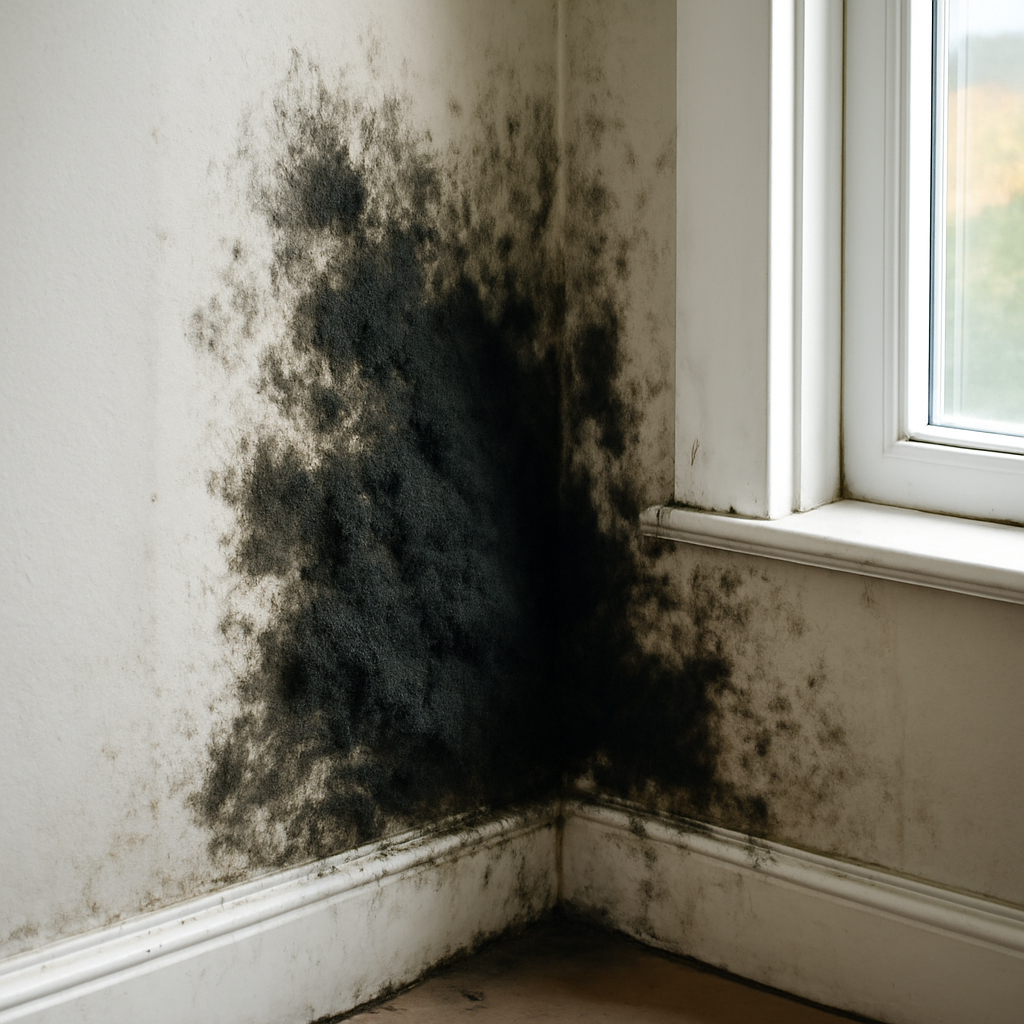
A lab report that names Cladosporium sphaerospermum can look intimidating, but it points to one of the more frequently identified indoor mold species rather than an exotic threat. It is a specific member of the broad Cladosporium genus, and it favors the damp, cooler surfaces found inside many homes. This guide summarizes EPA and CDC guidance current as of 2026 and is educational only. Consult your physician about any symptoms and a certified professional for testing or removal, because identifying a species and judging its health impact both require expertise beyond a webpage.
Dealing with mold or water damage? Talk to a remediation pro now.
📞 Call (833) 723-1134What is Cladosporium sphaerospermum?
Cladosporium sphaerospermum is a darkly pigmented mold species within the larger Cladosporium genus. Where the genus as a whole dominates outdoor air, C. sphaerospermum is noted by mycologists for being one of the species most often recovered from indoor environments specifically, particularly from damp building materials and house dust. It produces chains of small, round to oval spores, and its dark pigment, a form of melanin, helps it tolerate stress and cooler conditions.
The species earned a footnote of scientific fame for surviving in extreme settings, including radiation-heavy environments, which speaks to how hardy it is. For a homeowner, the practical meaning is simpler: it is a resilient indoor colonizer that thrives where surfaces stay intermittently damp. Readers comparing it with its relatives can review the broader Cladosporium overview to see how the genus behaves as a whole.
That hardiness has practical consequences inside a home. Many molds need a surface to stay continuously wet, but C. sphaerospermum tolerates the intermittent dampness of condensation cycles, where a surface gets wet, dries partially, and gets wet again. It also produces large numbers of small, lightweight spores that disperse easily and settle into household dust, which is why it turns up so consistently in dust samples even in homes without an obvious moisture problem. The dark melanin pigment that colors it is part of what makes it stress-tolerant, helping it survive temperature swings and light exposure that would set back more delicate molds.
Where this species grows indoors
Cladosporium sphaerospermum settles in the same moisture-prone spots as its relatives, with a particular tendency to show up in dust and on cooler condensing surfaces. Inspectors and lab studies commonly associate it with:
- Bathroom walls, ceilings, and tile surrounds
- Window frames and sills with winter condensation
- HVAC components, including coils and drip pans
- Damp basements, crawl spaces, and below-grade rooms
- House dust and settled debris on horizontal surfaces
- Wallpaper, painted surfaces, and textiles in humid rooms
Because it does well on intermittently damp materials rather than only soaking-wet ones, its presence usually signals a humidity or condensation issue rather than a single burst pipe. That distinction matters for the fix: lowering ambient moisture and improving ventilation often does more than chasing one leak. The wider mold inspection and testing hub walks through how inspectors trace these diffuse moisture sources.
The dust connection changes how homeowners should think about prevention. With molds that grow only on a visible wet surface, the fix is local: clean the spot, fix the leak. With a species that lives heavily in settled dust, reducing the overall dust reservoir matters too. Regular HEPA vacuuming of floors and upholstery, damp-wiping horizontal surfaces, and changing HVAC filters on schedule all lower the amount of spore-laden dust in circulation. None of that replaces moisture control, but for this particular species it is a meaningful complement, because the dust itself is part of where it lives.
Health effects to be aware of
For most healthy people, Cladosporium sphaerospermum acts as an allergen. It is recognized as a common cause of mold allergy and can contribute to asthma symptoms in sensitized individuals. Typical reactions mirror other allergenic molds: nasal congestion, sneezing, watery eyes, throat irritation, coughing, and wheezing. People with existing mold allergies or asthma tend to react more readily, and dust containing its spores can stir up symptoms when disturbed.
Invasive infection from this species is uncommon and generally limited to people with seriously compromised immune systems, where medical literature documents rare cases. The CDC’s broader message about mold applies here: any indoor growth deserves cleanup and moisture correction, and the everyday concern for most households is allergic and respiratory irritation rather than poisoning. A lab naming this species does not change the response, which is the same regardless of which mold is identified. Persistent or worsening symptoms warrant a physician’s evaluation, not self-diagnosis from a test result.
Why a species name on a report matters less than people think
Homeowners who pay for sampling sometimes expect the species name to dictate a unique treatment. The EPA’s position is that visible mold should be removed regardless of type, so a precise identification rarely changes the cleanup. Where it does help is in documenting a problem, distinguishing an indoor source from normal outdoor spores, or guiding a physician treating a sensitized patient. Knowing it is C. sphaerospermum rather than another mold is interesting, but the wall still gets cleaned and dried the same way.
How to clean and remove it
The removal process follows standard EPA mold guidance. For an area under roughly 10 square feet on a washable surface:
- Stop the moisture source first, usually condensation or elevated humidity for this species.
- Put on an N95 respirator, gloves, and eye protection, and ventilate the space.
- Scrub hard, non-porous surfaces such as tile, glass, and metal with detergent and water.
- Dry the surface fully, since this mold returns readily to damp spots.
- Discard porous materials like saturated drywall, carpet, or fabric that cannot be cleaned.
Because this species is so often found in dust, routine HEPA vacuuming and damp-dusting of horizontal surfaces help reduce its reservoir in a home. When it appears inside HVAC equipment, professional duct and coil cleaning is the safer route, since a wipe-down cannot reach the components that recirculate spores through the house.
Preventing recurrence
Long-term control targets moisture and dust together. The EPA recommends indoor humidity between 30 and 50 percent. Practical steps include running bathroom and kitchen exhaust fans, wiping window condensation in winter, maintaining HVAC drip pans and filters, dehumidifying damp basements, and addressing leaks within 24 to 48 hours. Regular cleaning to keep dust down complements the moisture work, given how readily this species lives in settled debris.
Front Range homes see this species turn up where winter condensation collects on windows and where finished basements stay humid. Swamp coolers add summer moisture that favors it as well. Treating the recurring cause, rather than repeatedly wiping the same surface, is what keeps it from coming back.
When to call a professional
The threshold for professional help mirrors the general mold guidance, since the species name does not change the cleanup decision. Bring in a professional when the affected area exceeds about 10 square feet, when growth followed water damage, when it is hidden inside walls or the HVAC system, when it keeps returning after cleanup, or when an occupant has asthma, a serious allergy, or a weakened immune system. Because this species favors HVAC components and house dust, contamination inside ductwork or an air handler is a particularly common reason to move from DIY cleaning to professional service.
A professional can also help interpret a confusing lab report. Homeowners who receive a result naming Cladosporium sphaerospermum sometimes worry that a specific species identification implies a specific danger. A qualified inspector or industrial hygienist can put the result in context, comparing indoor findings to outdoor baseline levels and connecting the mold to a moisture source rather than treating the name as a verdict. That interpretation, paired with finding the dampness behind the growth, is usually more valuable than the species name itself.
How this species fits the bigger mold picture
For a homeowner, the most useful way to hold all of this is to treat Cladosporium sphaerospermum as a typical, expected member of the indoor mold community rather than an unusual threat. It is one of the molds that show up in nearly every home to some degree, present in dust and on the cool, damp surfaces where condensation collects. Its appearance in a sample or on a surface is a routine finding, not a rare or alarming one.
What changes the picture is concentration and visible growth. A small amount in dust reflects the normal background that exists everywhere. Heavy growth on a surface, or indoor air levels well above the outdoor baseline, points to a moisture problem that has let the mold amplify beyond normal. The response scales accordingly: routine cleaning and humidity control for the background presence, and targeted removal plus moisture correction where it has clearly amplified. This proportionate approach, neither ignoring it nor overreacting to the species name, is the same logic the EPA applies to mold generally, and it keeps homeowners focused on the variable that actually matters, which is moisture.
The practical checklist for living with this species is short. Keep humidity in the 30 to 50 percent range, maintain the HVAC system and change filters, vacuum and damp-dust to limit the dust reservoir it favors, address condensation on windows and cool surfaces, and clean any visible growth promptly while wearing protection. Done consistently, those habits keep a common, hardy mold in the background where it belongs rather than letting it become a recurring surface problem.
What the research says about indoor relevance
Mycological surveys of indoor environments repeatedly rank Cladosporium among the most frequently recovered molds, and C. sphaerospermum is one of the species most associated with indoor settings specifically rather than only outdoor air. That body of work is the reason inspectors and labs treat it as a routine finding. It also informs how its detection should be weighed: because it is so commonly present, its mere identification on a sample is expected, and significance comes from elevated levels relative to outdoors or from visible growth on indoor surfaces.
For a homeowner, the useful translation of that research is restraint in interpretation. A report listing Cladosporium sphaerospermum is not evidence of an unusual or dangerous condition on its own; it is evidence of a mold that is nearly always around to some degree. The questions that matter are whether levels are high relative to the outdoor baseline and whether there is growth to remove, both of which a qualified professional can assess. Anchoring the response to those questions, rather than to the appearance of a specific Latin name on a page, keeps the focus where the agencies place it: on finding and correcting moisture and on removing any visible growth, regardless of which common species the lab happens to name.
The reassurance worth holding onto is that a finding of this species, on its own, is not a cause for alarm. It is a routine, expected presence in indoor environments, and the existence of a precise species name does not transform a common mold into a special hazard. Where it has clearly amplified, the response is the standard one: remove the growth, correct the moisture, and keep humidity in range. Where it is simply present at background levels, ordinary cleaning and humidity control suffice. For anyone with health concerns, a physician remains the right resource, since the species name on a report cannot predict how a particular person will respond. That measured, moisture-focused approach serves homeowners better than reacting to the name itself. In short, a report naming this species is a routine finding to act on proportionately, with cleaning and humidity control for ordinary presence and targeted removal plus a moisture fix where it has clearly amplified, rather than a special diagnosis to fear.
References
- Basic facts about mold and dampness — Centers for Disease Control and Prevention
- A brief guide to mold, moisture and your home — U.S. Environmental Protection Agency
- Cladosporium species in indoor environments — National Center for Biotechnology Information
If a lab report flagged Cladosporium sphaerospermum in your Front Range home and you want help tracing the moisture behind it, get in touch through our contact page to connect with a vetted local inspector.