Cladosporium: What Homeowners Need to Know
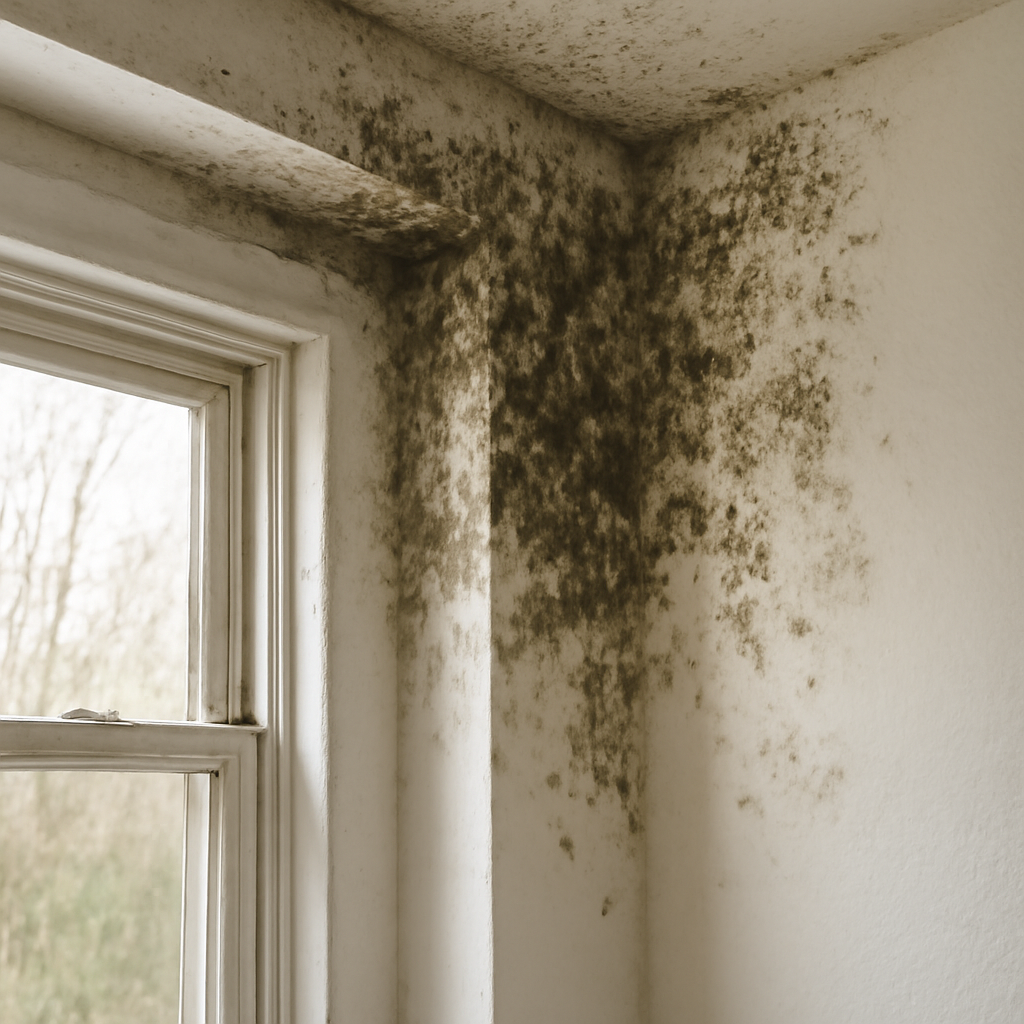
Of all the molds that turn up in a home inspection report, Cladosporium is among the most common, and one of the most misunderstood. It shows up as olive-green, brown, or black speckling on window frames, bathroom walls, and damp fabrics, and it is one of the most abundant molds in outdoor air worldwide. This guide summarizes EPA and CDC guidance current as of 2026 and is educational only. Consult your physician about any symptoms and a certified professional for testing or removal, since species identification and health assessment are not things a webpage can do for you.
Part of our Types of Mold guide — start there for the full picture →
Dealing with mold or water damage? Talk to a remediation pro now.
📞 Call (833) 723-1134What is Cladosporium?
Cladosporium is a genus of mold with hundreds of species, found both outdoors and indoors across nearly every climate. Outdoors it lives on decaying plants, leaf litter, and soil, and its spores are a major component of the air people breathe every day, especially in late summer and fall. Indoors it colonizes damp surfaces and is one of the molds inspectors find most often.
Unlike some molds that demand soaking-wet, cellulose-rich materials, Cladosporium tolerates cooler temperatures and slightly drier conditions, which is why it appears on window sills where condensation forms and inside refrigerators and HVAC systems. It typically presents as a powdery or suede-like growth in shades of green, gray, brown, or black. Color alone never confirms a species, though; only laboratory analysis can do that, which is one reason our mold identification chart stresses pairing appearance with location and texture rather than relying on a single clue.
Its sheer abundance shapes how lab results should be read. Because Cladosporium is one of the most common molds in outdoor air across most of the country, finding it on an indoor air sample does not automatically mean the home has a problem; some indoor presence simply reflects what is drifting in from outside. What matters is whether indoor levels are markedly higher than outdoors and whether there is visible growth on indoor surfaces. That comparison, rather than the mere detection of the genus, is what separates normal background presence from an indoor moisture issue that needs attention.
Where Cladosporium grows in your home
This mold favors spots that stay intermittently damp rather than constantly flooded. Common indoor locations include:
- Window frames and sills where condensation collects
- Bathroom walls, ceilings, and around tubs and showers
- Behind and beneath sinks with slow leaks
- HVAC ducts, drip pans, and air handlers
- Basements and crawl spaces with elevated humidity
- Damp fabrics, upholstery, carpets, and stored items
- Painted surfaces and wallpaper in humid rooms
Because Cladosporium can grow on the cool surfaces where moisture condenses, it often signals a humidity or ventilation problem rather than a single dramatic leak. A bathroom without a working exhaust fan, a poorly insulated window that sweats in winter, or an HVAC system that never gets its drip pan cleaned all create the conditions it likes. Homeowners who keep finding it in one room should treat it as a moisture-control message, a theme covered across the broader mold inspection and testing hub.
The condensation angle deserves emphasis because it explains the seasonal pattern many homeowners notice. In winter, warm indoor air meets cold window glass and metal frames, and the moisture in that air condenses on the cool surface. That thin film of water is enough to support Cladosporium, which is why window sills and the corners of single-pane windows are such reliable spots for it. Closets and rooms on the cold, shaded north side of a house behave similarly, staying cooler and collecting more condensation than sunlit rooms. Furniture pushed flat against an exterior wall traps a pocket of cool, still air behind it where the same process plays out, which is why growth sometimes appears on the wall behind a bed or bookshelf.
Is Cladosporium dangerous to your health?
For most healthy people, Cladosporium is an allergen rather than a toxin. The CDC and American Lung Association group it with the molds that commonly trigger allergy and asthma symptoms. Reported reactions include nasal congestion, sneezing, watery or itchy eyes, throat irritation, coughing, and wheezing. People with asthma may find that exposure provokes attacks, and those with existing mold allergies tend to react more strongly.
Serious infections from Cladosporium are uncommon and largely confined to people with significantly weakened immune systems, such as transplant or chemotherapy patients, where rare invasive cases have been documented in medical literature. The agency consensus is that the everyday concern for a typical household is allergic and respiratory irritation, not poisoning. As with any mold, dead spores can still cause allergic reactions, so removal matters more than simply killing it. Anyone with persistent or worsening symptoms should see a physician rather than try to connect a wall stain to their health on their own.
Cladosporium and seasonal allergies
Because outdoor Cladosporium spore counts climb in late summer and fall, people sensitive to it sometimes mistake their reaction for ragweed or general hay fever. Allergists can test for mold sensitivity specifically. For those who react indoors year-round, the indoor source is the more controllable target, since outdoor spore counts cannot be managed but indoor humidity can.
How to clean and remove Cladosporium
The cleanup follows the same EPA framework used for mold generally. For an area under about 10 square feet on a washable surface, a homeowner can usually handle it.
- Correct the moisture source first, whether that is condensation, a leak, or high humidity.
- Wear an N95 respirator, gloves, and eye protection, and ventilate the room.
- Scrub hard, non-porous surfaces such as tile, glass, and metal with detergent and water.
- Dry the area completely with fans.
- Discard porous materials like saturated drywall, carpet, or upholstery that cannot be cleaned.
On window frames, pay attention to whether the frame material is painted wood or vinyl; vinyl wipes clean, while painted wood that stays stained may need repainting after the growth is removed and the surface dried. HVAC contamination is a special case, because the system can distribute spores throughout the house. If Cladosporium is growing inside ductwork or an air handler, that points toward professional cleaning rather than a DIY wipe-down.
Preventing Cladosporium long term
Prevention centers on the two things this mold needs: moisture and a surface to settle on. The EPA recommends keeping indoor humidity between 30 and 50 percent. Beyond that, the practical measures are familiar but effective:
- Run exhaust fans in bathrooms and kitchens and after showers
- Wipe condensation off windows in cold weather and improve window insulation
- Clean and maintain HVAC drip pans, coils, and filters on schedule
- Use a dehumidifier in damp basements and crawl spaces
- Address leaks within 24 to 48 hours before mold establishes
- Improve airflow in closets and behind furniture on exterior walls
On the Front Range, winter window condensation and humid finished basements are the two settings where Cladosporium reappears most reliably. A swamp cooler raising summer indoor humidity adds another opportunity. Managing those moisture sources does more to keep this mold away than any cleaning product can on its own.
When to involve a professional
Most Cladosporium that a homeowner spots on a window sill or bathroom wall is a small, manageable job. The situation changes when the growth is extensive, recurring despite cleanup, or tied to the HVAC system. The EPA recommends professional remediation when the affected area exceeds about 10 square feet, when mold followed water damage, when it is hidden inside walls, or when an occupant has asthma, a serious allergy, or a weakened immune system. Because Cladosporium is so often found in HVAC equipment and ductwork, growth in those components is a common reason homeowners move from a DIY wipe-down to a professional cleaning, since a contaminated system recirculates spores through every room it serves.
A professional adds value beyond the cleaning itself by pinpointing the moisture source that keeps feeding the mold. Tools like moisture meters and thermal imaging can reveal condensation behind walls or chronic dampness in a crawl space that a visual check would miss. For a mold that thrives on the subtle, recurring moisture of condensation rather than a single dramatic leak, that diagnostic step is often what finally breaks the cycle of cleaning the same surface every season. Confirming whether the cause is a one-time event or an ongoing condition is the difference between a permanent fix and a recurring chore.
Living with a common mold
Because Cladosporium is so widespread, the realistic goal is management rather than elimination. Its spores exist in the air everywhere, indoors and out, and no home can be kept entirely free of them. What homeowners can control is whether those spores find the damp surfaces they need to grow into visible colonies. That control comes down to moisture and routine maintenance, not to chasing a sterile environment that does not exist.
A practical routine keeps it in check. Wiping condensation from windows during cold weather, running the bathroom fan long enough to clear steam, keeping the HVAC drip pan and coil clean, and running a dehumidifier in a damp basement together deny the mold the steady moisture it depends on. Catching small spots early, while they are still a quick wipe rather than an established patch, prevents the kind of growth that needs serious cleanup. For most households, that combination of moisture awareness and prompt small-scale cleaning is enough to keep a very common mold from becoming a recurring problem, reserving professional help for the cases where it has clearly amplified beyond the everyday background level.
Cladosporium and seasonal patterns
Homeowners who pay attention often notice that Cladosporium follows the calendar. Outdoors, its airborne spore counts climb in late summer and fall as it grows on decaying vegetation, which is why people sensitive to it sometimes feel worse during those months and assume it is ordinary hay fever. Indoors, the pattern flips toward the cold months, when window condensation gives it the moisture it needs, so growth on sills and cool walls is most common in late fall and winter.
Recognizing the seasonal rhythm helps with both prevention and diagnosis. If indoor symptoms worsen in winter and ease in summer, condensation-driven indoor growth is a plausible culprit, and improving window insulation and ventilation during cold weather targets it directly. If symptoms track the outdoor seasons instead, the outdoor spore load is more likely the driver, and the indoor moisture measures will help less. An allergist can clarify which pattern applies through testing. For prevention, the takeaway is to be especially vigilant about condensation in the cold months and about damp, humid conditions in the warm ones, since this adaptable mold finds an opening in both seasons if given the chance.
For homeowners who want a single summarizing thought, it is this: Cladosporium is the mold most people will encounter, and the reasonable goal is to keep it small and rare rather than to eliminate something that exists everywhere. A wipe of a window sill in winter, an exhaust fan run after a shower, a clean HVAC drip pan, and a hygrometer confirming humidity stays in range add up to a quiet, effective defense. When growth does appear, addressing it promptly while it is still a minor surface patch keeps it from becoming the kind of established problem that needs serious cleanup, and pairing that with attention to the moisture source keeps it from simply returning to the same spot. For the cases where it has clearly amplified beyond that background level, a professional moisture assessment is the step that finally identifies and corrects the dampness driving it, turning a recurring seasonal chore into a resolved problem.
References
- Basic facts about mold and dampness — Centers for Disease Control and Prevention
- A brief guide to mold, moisture and your home — U.S. Environmental Protection Agency
- Mold and indoor air quality — American Lung Association
Frequently asked questions
What does Cladosporium look like?
Cladosporium usually appears as powdery or suede-like growth in olive-green, gray, brown, or black, often on window frames, bathroom walls, and damp fabrics. Color alone does not confirm the species; only lab analysis can identify it definitively.
Is Cladosporium dangerous?
For most healthy people it is an allergen that causes congestion, sneezing, and asthma symptoms rather than poisoning. Serious infections are rare and mostly affect people with weakened immune systems. See a physician for persistent symptoms instead of self-diagnosing from a wall stain.
How do I get rid of Cladosporium?
Fix the moisture source, then scrub hard surfaces with detergent and water while wearing an N95 respirator and gloves, and dry the area fully. Discard porous items that cannot be cleaned. Areas over about 10 square feet or growth inside HVAC ducts call for a professional.
Why does Cladosporium keep coming back?
It returns when the moisture that feeds it is not corrected, commonly window condensation, high humidity, or a dirty HVAC drip pan. Keeping indoor humidity between 30 and 50 percent and improving ventilation is the most reliable prevention.
If Cladosporium keeps reappearing on Front Range windows or inside a damp basement, the underlying moisture is still active. Reach out through our contact page to connect with a vetted local inspector who can pinpoint the source.