Best Riding Lawn Mower (2026): How to Choose the Right One
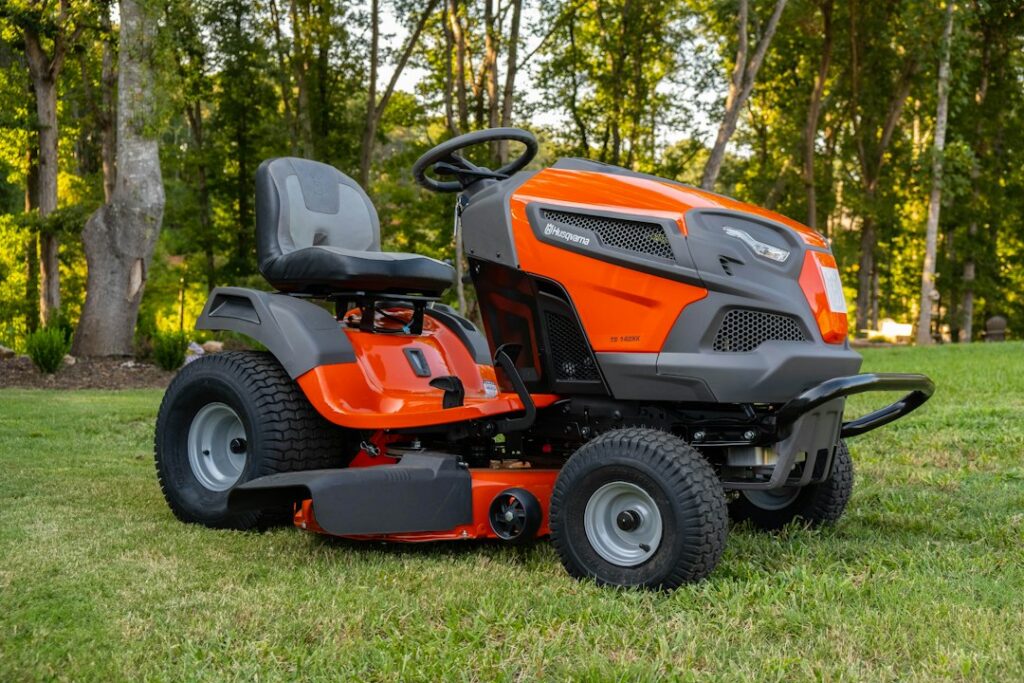
The best riding lawn mower is the one matched to three things: how much grass you cut, how steep and cluttered the yard is, and where the machine will live between mowings. Get those right and almost any well-built rider will do the job; get them wrong and even an expensive machine will be too wide for the gate, too tippy for the slope, or too big for the garage. “Riding mower” is an umbrella term. It covers small rear-engine riders, front-engine lawn tractors, heavier garden tractors, and zero-turn mowers, plus a growing set of battery-powered versions of each. This guide explains how to choose between them and what to check before you buy. A note on method: we don’t test mowers. The guidance below is drawn from manufacturer specifications, CPSC safety guidance and the conditions homeowners face on the Colorado Front Range.
Part of our Structure & Exterior guide — start there for the full picture →
This page contains affiliate links; we may earn a commission at no extra cost to you.
Quick Decision Table: Which Type of Riding Mower Fits Your Yard?
Start with the format, then narrow down by deck width and power. Price bands are typical 2026 ranges for residential machines and move with deck size, engine, transmission and promotions.
| Type | Who it suits | Typical price band | Key spec to check |
|---|---|---|---|
| Rear-engine rider | Lots of roughly half an acre to one acre with tight gates and small storage space | Typical $1,800–$3,200 | Deck width (often 28–33 in.), bagging option, turning radius |
| Lawn tractor (front-engine) | One to three acres of mostly open lawn; owners who want to tow a cart or spreader | Typical $2,000–$4,000 | Deck width (42–54 in.), transmission type, hitch rating |
| Garden tractor | Larger lots and owners who want ground-engaging attachments or heavy snow work | Typical $4,000–$8,000 | Frame and front axle build, heavy-duty hydrostatic drive |
| Residential zero-turn | One to four acres with lots of trees, beds and edges to steer around on mostly flat ground | Typical $3,000–$6,000 | Deck width, fabricated vs stamped deck, slope limit in the manual |
| Battery-electric rider or zero-turn | Owners who want quiet, low-maintenance mowing and have a garage outlet | Typical $3,500–$8,000+ | Rated acres per charge, charge time, battery warranty |
If you are still deciding whether you need to ride at all, our overview of the best lawn mower compares push, self-propelled, robotic and riding options. For a yard under about half an acre, a self-propelled walk-behind mower is usually cheaper, easier to store and safer on slopes.
Riding mower vs lawn tractor: what’s the difference?
Every lawn tractor is a riding mower, but not every riding mower is a lawn tractor. A lawn tractor has the engine in front, a mid-mounted deck and a frame built to pull light attachments. A rear-engine rider is smaller and shorter, with the engine behind the seat. A zero-turn steers with two lap bars that drive each rear wheel independently, so it can pivot in place. If towing, plowing or year-round attachments matter to you, read our dedicated guide to the best lawn tractor, which goes deeper on hitches, frames and attachments. This page covers the wider choice.
What Actually Matters When Choosing a Riding Mower
Deck width and acreage
Deck width sets how many passes you make. A rough rule of thumb, not a standard, that many retailers use:
- Half an acre to one acre: a 30-inch rear-engine rider or a 42-inch tractor.
- One to two acres: a 42- to 46-inch tractor or a 42- to 48-inch zero-turn.
- Two to four acres: a 48- to 54-inch tractor or a 50- to 60-inch zero-turn.
Wider is not always better. Measure the narrowest gate, the space between trees and play equipment, and the garage or shed door before you choose. A 54-inch deck that cannot pass the side gate will leave you finishing the back yard with a push mower. Deck width is also listed without the discharge chute; add several inches when measuring openings.
Stamped vs fabricated decks
Most lawn tractors and entry zero-turns use a stamped deck, pressed from a single sheet of steel. Higher-end zero-turns use fabricated decks, welded from thicker steel plate. Fabricated decks resist dents from rocks and roots and usually last longer, but they add weight and cost. For a typical suburban lawn, a stamped deck with a wash-out port is fine. If your yard has rocky areas, landscape boulders or tree roots at the surface, the extra durability may be worth it. Check whether the deck has anti-scalp wheels or rollers, which keep the blades from gouging uneven ground.
Engine: size, cylinders and altitude
Residential riders use single-cylinder or V-twin gas engines. V-twins run smoother and usually last longer under load, and they are standard on larger decks. Engine size is listed in cubic centimeters (cc) or horsepower; compare it against deck width rather than chasing the largest number. A 42-inch tractor runs comfortably on a mid-size single; a 54-inch deck cutting thick spring growth benefits from a V-twin.
Altitude matters here. Naturally aspirated gas engines lose power as air thins, and a common rule of thumb is roughly 3 percent per 1,000 feet of elevation. At Denver’s mile-high elevation that can mean noticeably less power than the sticker suggests, and more at higher foothill homes. If you live along the Front Range, size up slightly for a wide deck and ask the dealer whether the engine maker offers a high-altitude carburetor jet. Battery machines do not lose power with altitude, which is one quiet advantage for mountain-adjacent buyers.
Transmission
- Manual (gear) drive: the cheapest option. You pick a speed with a shift lever and stop to change it. Fine for open lawns, tedious around obstacles.
- Automatic (CVT or belt-driven variable speed): pedal-controlled speed without shifting. A common middle ground on mid-priced tractors.
- Hydrostatic: fluid-driven, smooth, with forward and reverse on pedals. The easiest to use and the best choice for yards with lots of turning. Heavier-duty hydrostatic units with serviceable fluid suit owners who tow or mow large areas.
Zero-turns always use dual hydrostatic drives, one per rear wheel. The quality of those units is a large part of what you pay for in a pricier zero-turn.
Slopes and terrain
This is the factor buyers most often underestimate. Riding mowers can tip, and zero-turns steer with their rear wheels, which gives them less traction when going downhill on wet grass. Read the operator’s manual before you buy: it states the maximum slope the maker considers safe, and for many riders that figure is around 15 degrees, while some zero-turn manuals set it lower. A smartphone level app held on a straight board laid on the slope gives a good estimate. If a section of your yard is steeper than the limit, plan to mow it with a walk-behind or a string trimmer instead.
Wet slopes, slopes near retaining walls, ditches, and the banks of a drainage swale are where rollovers happen. A lawn tractor’s lower center of gravity and steering wheel make it more forgiving on moderate grades than a zero-turn of the same width.
Gas vs battery
Battery riders and zero-turns have improved quickly. They start instantly, run quietly enough to mow early in the morning, and skip oil changes, spark plugs, air filters and stale fuel. The trade-offs are price, run time and charging. Manufacturers rate battery riders in acres per charge; check that figure against your lot with some margin for tall spring grass and hills, which drain batteries faster. Charging requires a garage outlet, and lithium-ion packs should not be charged in freezing temperatures. The U.S. Fire Administration advises against charging lithium-ion batteries below 32°F or above 105°F, which matters in unheated Front Range garages during spring and fall cold snaps.
Gas machines cost less up front for the same deck width, refuel in a minute, and handle very large lots without a break. They need seasonal maintenance and safe fuel storage, covered below. Over years of ownership, the fuel and maintenance savings of a battery machine narrow the price gap. Before you buy, also ask what a replacement battery pack costs and how long the battery warranty runs, since packs lose capacity with age.
Cutting options: mulch, bag or discharge
Most riders side-discharge by default. Mulching kits recut clippings and drop them back into the turf, where they return nutrients; EPA’s WaterSense program notes that clippings left in place are a good natural source of fertilizer and can reduce how much fertilizer a lawn needs. Bagging attachments are useful for leaf season and for overseeded lawns where you don’t want clumps smothering new grass. Check the bagger capacity, how easily it empties from the seat, and whether a mulch kit is included or sold separately.
Comfort, controls and storage
You may spend an hour or more on the seat each week from April to October. A high-back seat, adjustable seat position, cup holder and a deck-height lever you can reach without straining all matter more than they sound. Cruise control is helpful on big lots. Measure your storage space; lawn tractors are typically 5.5 to 6 feet long, and zero-turns can be wider than their deck. Rear-engine riders are the easiest to fit into a small shed.
Front Range lawn conditions
Front Range lawns are mostly cool-season grasses that grow fastest in spring and early fall, then slow in the heat and under watering restrictions. Mowing high helps them hold moisture: EPA’s WaterSense guidance recommends a blade height between two and four inches and warns against cutting off more than one-third of the blade at once. Choose a mower with an easy, wide range of height settings, ideally up to four inches. Clay soils that crust when dry and turn soft after storms make wide turf tires worth having; narrow tires rut wet lawns. If you are renovating a tired lawn alongside buying a mower, our guide to the best grass seed covers which grasses suit the region.
Riding Mower Buyer’s Checklist
| Spec | What to look for | Why it matters |
|---|---|---|
| Deck width | Matched to acreage and narrowest gate | Too narrow wastes time; too wide will not reach parts of the yard |
| Deck construction | Stamped with wash port, or fabricated for rough ground | Determines dent resistance and deck life |
| Engine | Single for small decks; V-twin for 48 in. and wider or high altitude | Power loss at elevation and heavy spring growth bog small engines |
| Transmission | Hydrostatic for frequent turning or towing | Smoother control and less wear in obstacle-heavy yards |
| Slope limit | Stated maximum in the operator’s manual vs your steepest grade | Rollover is the most serious riding mower hazard |
| Safety interlocks | Operator presence seat switch, blade stop, reverse mowing control | Stops blades when you leave the seat or back up |
| Cutting height range | Up to about 4 in., lever adjustment | High mowing protects Front Range lawns in summer heat |
| Battery (if electric) | Acres per charge with margin, charge time, warranty years | Run time drops with tall grass and hills |
| Dealer and service | Local service center, parts availability, warranty terms | Riders need belts, blades and occasional repairs |
| Storage footprint | Length and width vs garage or shed door | A mower stored outdoors rusts and its battery or fuel suffers |
Safety, Storage and the Home-Inspection Angle
A home inspection does not evaluate your mower, but inspectors do look at the places a riding mower affects: the garage where fuel and batteries are stored, slopes and drainage features, and the condition of the yard around the foundation.
Rollover and runover hazards
The U.S. Consumer Product Safety Commission has tracked riding mower injuries for decades. In a 2025 letter to the Outdoor Power Equipment Institute, CPSC staff said they remain concerned about runover, back-over and rollover incidents, noting that a review of 20 recent in-depth investigations found 7 child runover or back-over incidents and 13 rollovers in a two-year period. CPSC’s long-standing safety tips for tractors and riding mowers still apply:
- Drive up and down slopes, not across them.
- Avoid sudden turns; slow, wide turns reduce the chance of tipping.
- If the machine stops while going uphill, disengage the blade and back straight down slowly.
- Never give children rides, and keep children out of the mowing area and supervised by an adult.
- Look down and behind before backing up.
- Keep guards, shields, switches and safety devices working, and clear rocks, toys and wire from the lawn before mowing.
Never bypass the seat switch or the reverse mowing control. They exist because of these incidents.
Fuel storage
Gas riders mean gasoline on the property. The U.S. Fire Administration recommends storing oil, gasoline, paints and propane in a shed away from the home rather than in an attached garage, and notes that garage fires tend to spread farther and cause more injuries and damage than fires starting elsewhere in the home. At minimum, use approved fuel cans, keep them away from water heaters and furnaces, and buy only what you will use within a few weeks; add stabilizer to fuel that will sit through winter. Let the engine cool before parking a mower in a garage with stored items nearby.
Battery charging
Charge battery riders with the manufacturer’s charger, on a dedicated wall outlet rather than an extension cord, and keep combustibles clear of the charging area. Stop using a pack that swells, smells or overheats. In winter, bring removable batteries indoors to room temperature for storage if the manual allows it.
Slopes, swales and drainage
When inspectors flag grading problems, the fix is often a regraded slope or a new swale, and both change how you mow. Before regrading, think about whether the finished slope can be mowed safely by a rider. Steep berms are better planted with groundcover than mown. Our guide to yard drainage covers grading that moves water away from the foundation without creating unmowable banks.
Buying a home with acreage
If you are buying a property with a large lawn, factor mower cost and storage into the budget. Ask whether the existing equipment conveys, look at where it has been stored, and check the condition of the shed or outbuilding. A general home inspection covers attached garages and, by agreement, some detached structures; our structure and exterior hub explains what inspectors look at outside the house.
Where to Buy a Riding Lawn Mower
Buy in late winter or early spring if you want the widest choice, or at the end of the season for clearance pricing. Ask whether delivery includes setup, fluid checks and a walk-through of the controls, and confirm where warranty service is performed: some brands require a dealer, others accept home-center service partners. Sit on the mower in the store, check the deck-height lever and the reach to the pedals, and measure your gate before checkout.
Where to shop for riding lawn mower
Links open the retailer's current selection — prices, stock and delivery/installation options vary by ZIP code.
We may earn a commission from qualifying purchases made through these links, at no extra cost to you.
Retailers carry brands such as John Deere, Cub Cadet, Craftsman, Husqvarna, Toro, Troy-Bilt, Ryobi and EGO, among others. Compare the specific model’s deck width, engine, transmission, slope limit and warranty rather than the brand name, and search the model on the CPSC recalls site before you buy. For zero-turn specifics, see our guide to the best zero-turn mower.
Frequently asked questions
What size riding mower is right for one acre?
As a rule of thumb, a 42-inch lawn tractor or a 42-inch zero-turn handles about one acre comfortably. A 30-inch rear-engine rider also works if gates and storage are tight, but takes longer. Measure your narrowest gate before choosing a wider deck.
Is a zero-turn better than a lawn tractor?
A zero-turn is faster on flat lawns with many trees and beds because it pivots in place. A lawn tractor is more forgiving on moderate slopes, cheaper for the same deck width, and can tow carts, spreaders and other attachments. Check the slope limit in each manual.
Are battery riding mowers worth it?
They can be for lots within the rated acres per charge. They are quiet, start instantly and need far less maintenance. They cost more up front, need a garage outlet, and lithium-ion batteries should not be charged below freezing, which matters in unheated Front Range garages.
How steep a slope can a riding mower handle?
It depends on the machine, so read the operator's manual, which states the maximum slope. Many riders list around 15 degrees and some zero-turns less. CPSC advises driving up and down slopes, not across, and avoiding sudden turns. Mow steeper areas with a walk-behind or trimmer.
Does altitude affect riding mower engines in Colorado?
Yes. Gas engines lose power as air thins, roughly 3 percent per 1,000 feet as a rule of thumb, so a mower at Front Range elevations has less power than at sea level. Size up the engine for wide decks and ask about high-altitude carburetor jets. Battery mowers are not affected.
References
- CPSC Staff Letter to OPEI on Riding Mower Hazards (2025) — U.S. Consumer Product Safety Commission
- Lawn Mower Safety: Tips for Tractors and Riding Mowers — U.S. Consumer Product Safety Commission
- Basement and Garage Fire Safety — U.S. Fire Administration (FEMA)
- Lithium-Ion Battery Fire Safety — U.S. Fire Administration (FEMA)
- Turfgrass and Water Efficiency — U.S. EPA WaterSense