Best Caulk (2026): 7 Picks by Location, From Showers to Siding
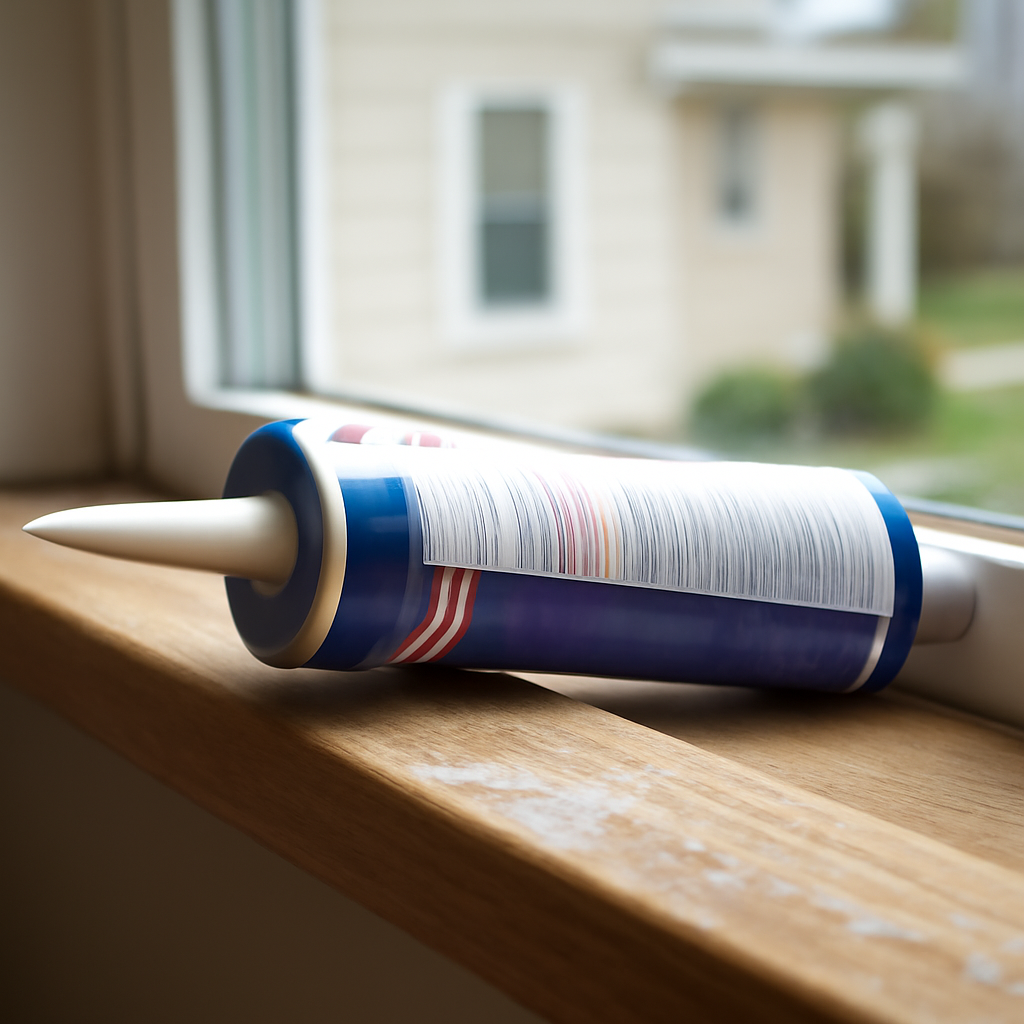
The best caulk is the one whose chemistry suits the joint. A shower seam needs a waterproof sealant that stays flexible and never needs paint. A gap between trim and drywall needs a caulk that takes paint and tools smoothly. An exterior joint around siding or a window has to survive sun, freezing nights and seasonal movement. Using the wrong type is the most common reason a bead peels, cracks or grows mildew within a year. Below are seven picks organized by location, from 100% silicone for wet areas to paintable acrylic latex for trim and a hybrid polymer for wet or awkward jobs, then a guide to choosing chemistry, prep and the safety issues hiding in old caulk.
Part of our Structure & Exterior guide — start there for the full picture →
As an Amazon Associate we earn from qualifying purchases.
How we compared: we compared 14 current Amazon listings for caulk and sealant, covering 100% silicone, siliconized and plain acrylic latex, adhesive caulk and hybrid polymer, on what each listing states: chemistry, water-ready and paint-ready times, indoor or outdoor use, paintability, standards named and container size. Several listings are the same product in different sizes or pack counts. None of the 14 is a polyurethane sealant, so we cover polyurethane in the buying guide instead. We did not lab-test these products or apply them. Prices and availability change often, so check the current listing before buying.
Quick picks: the best caulk by location
| Product | Best for | Key features | Price | Buy |
|---|---|---|---|---|
| GE Advanced Silicone (white) | Tubs, showers and sinks |
| $9.87as of Oct 21, 2026 6:31 pm GMT+0000 | Buy now →Check current price |
| GE All Purpose Silicone (clear) | Exterior windows and trim |
| $8.29as of Oct 21, 2026 6:31 pm GMT+0000 | Buy now →Check current price |
| Gorilla 100% Silicone | High-movement joints |
| $9.84as of Oct 22, 2026 12:08 pm GMT+0000 | Buy now →Check current price |
| DAP Alex Plus | Paintable trim and siding |
| $2.98as of Oct 21, 2026 6:31 pm GMT+0000 | Buy now →Check current price |
| DAP Alex Painter's | Budget interior painting prep |
| $2.58as of Oct 21, 2026 6:31 pm GMT+0000 | Buy now →Check current price |
| Flex Caulk hybrid polymer | Wet surfaces, no caulk gun |
| $19.86as of Oct 21, 2026 6:31 pm GMT+0000 | Buy now →Check current price |
| DAP Kwik Seal | Small kitchen and bath fixes |
| $4.99as of Oct 21, 2026 6:31 pm GMT+0000 | Buy now →Check current price |
Prices are Amazon’s listed prices as of the time shown and change often; check Amazon for today’s price. As an Amazon Associate we earn from qualifying purchases.
The 7 picks, compared listing by listing
1. GE Advanced Silicone 2812565 (White, 10 oz) — Best for Tubs, Showers and Sinks

100% silicone kitchen and bath caulk in a 10 oz cartridge: water-ready in 30 minutes, neutral cure, low odor.
Check price on Amazon$9.87 as of Oct 21, 2026 6:31 pm GMT+0000 — prices change; see Amazon for current price.Why we like it
- 100% silicone stays permanently flexible
- Water-ready in as little as 30 minutes
- Neutral-cure, low-odor formula for indoor use
- Full-size 10 oz cartridge
| Specification | Details |
|---|---|
| Chemistry | 100% silicone, neutral cure |
| Water-ready | About 30 minutes |
| Use | Kitchen and bath; consistent water exposure |
| Paintable | Not stated; silicone is generally not paintable |
| Container | 10 fl oz cartridge (needs a caulk gun) |
| Color | White |
GE Advanced Silicone 2812565 — 100% silicone, neutral cure, 30-min water-ready, 10 oz cartridge, white
Fast Water-Ready Time in a Low-Odor Formula
Six of the 14 listings are 100% silicone, the standard choice for joints that get wet every day. Four of those six are GE Advanced or All Purpose silicone in different sizes and colors. The 10-ounce white Advanced cartridge stands out for bathroom work because its listing pairs a 30-minute water-ready time with a neutral-cure, low-odor formula, so a shower can be back in use the same evening.
The odor point is real. The clear 2.8-ounce tube of the same Advanced line carries a caution that methanol and ammonia are released during application and cure. Whatever the formula, ventilate during and after caulking. The EPA advises increasing ventilation when using products that emit VOCs and following label precautions.
Silicone does not take paint, and the listing does not claim it does. That is fine on tile and fiberglass, but it means silicone is the wrong choice for painted trim. It also bonds poorly over old silicone residue, so the old bead has to come out completely first.
Pros
- 100% silicone, permanently flexible
- 30-minute water-ready time
- Low-odor neutral cure
Cons
- Not paintable
- Needs a caulk gun
- Will not bond over old silicone
Check GE Advanced Silicone (white) price on Amazon
2. GE All Purpose Silicone 2795576 (Clear, 10 oz) — Best for Exterior Windows and Trim

100% silicone for exterior and interior use: rain-ready in 12 hours, freeze and sun proof, bonds to stone.
Check price on Amazon$8.29 as of Oct 21, 2026 6:31 pm GMT+0000 — prices change; see Amazon for current price.Why we like it
- Marketed as freeze and sun proof
- Rain-ready in as little as 12 hours
- Lists stone, cement board and composites
- Clear finish hides on any color
| Specification | Details |
|---|---|
| Chemistry | 100% silicone |
| Weather | Rain-ready in about 12 hours; freeze and sun proof per title |
| Substrates named | Metals, wood, glass, drywall, plaster, granite, tile, natural stone, cement board, composites |
| Use | Exterior and interior |
| Container | 10 fl oz cartridge |
| Color | Clear |
GE All Purpose Silicone 2795576 — 100% silicone, rain-ready in 12 hours, freeze/sun proof, 10 oz, clear
The Only Silicone Here With a Rain-Ready Time
The other GE listings give a water-ready time for kitchens and baths. The All Purpose cartridge is the only one that gives a rain-ready figure, 12 hours, which is the number that matters outdoors. Its listing also names the widest range of exterior substrates, including natural stone, cement board and composites, which covers fiber-cement siding, stone veneer and composite trim common on newer Front Range homes.
Clear silicone works around windows and door frames where you do not want a white line. It does not take paint, so for painted wood trim or siding, an exterior-rated paintable acrylic like the DAP Alex Plus in pick 4 is the better match.
For energy savings, exterior caulk is only half the job; the bigger leaks are usually inside the attic and basement. ENERGY STAR estimates that air sealing combined with added insulation saves homeowners an average of 15 percent on heating and cooling costs.
Pros
- Rain-ready time stated
- Wide list of exterior substrates
- Freeze and sun resistance claimed
Cons
- Not paintable
- Clear beads show dirt over time
- Water-ready time not stated
Check GE All Purpose Silicone (clear) price on Amazon
3. Gorilla 100% Silicone 108318 — Best for High-Movement Joints

All-purpose 100% silicone that names ASTM C920 Class 35, mold and mildew resistant, water-ready in 30 minutes.
Check price on Amazon$9.84 as of Oct 22, 2026 12:08 pm GMT+0000 — prices change; see Amazon for current price.Why we like it
- Only listing that names ASTM C920 Class 35
- Mold and mildew resistant after cure
- Indoor and outdoor use
- Water-ready in 30 minutes
| Specification | Details |
|---|---|
| Chemistry | 100% silicone |
| Standard named | ASTM C920, Class 35 |
| Water-ready | About 30 minutes |
| Mold resistance | Mold and mildew resistant per listing |
| Use | Showers, sinks, windows, doors, gutters, vents; indoor and outdoor |
| Container | 10 oz cartridge, white |
Gorilla 108318 — 100% silicone, ASTM C920 Class 35, mold/mildew resistant, 30-min water-ready, 10 oz, white
The Only Listing That Names the Elastomeric Sealant Standard
Two listings on the shelf name an ASTM standard. The DAP Alex Plus names C834, the specification for latex sealants. This Gorilla silicone names C920, the specification for elastomeric joint sealants, rated Class 35. Class 35 is a movement class: the sealant is rated to handle joint movement of plus or minus 35 percent of the joint width. That is the kind of rating that matters on a gutter seam, a vent flashing or a siding joint that opens and closes with temperature.
The listing also claims mold and mildew resistance; the two Gorilla listings are the only ones on the shelf that make that claim. Mold resistance in a sealant slows surface growth but does not fix the moisture that feeds it, so pair it with a working bath fan.
Like all silicone, it is not paintable and needs a clean, dry, residue-free joint to bond.
Pros
- ASTM C920 Class 35 named
- Mold and mildew resistant
- Indoor and outdoor rated
Cons
- Not paintable
- Needs a caulk gun
- Rain-ready time not stated
Check Gorilla 100% Silicone price on Amazon
4. DAP Alex Plus 18152 — Best Paintable Caulk for Trim and Siding

Siliconized acrylic latex caulk, paint-ready in 30 minutes, exceeds ASTM C834, interior or exterior, 10.1 oz, white.
Check price on Amazon$2.98 as of Oct 21, 2026 6:31 pm GMT+0000 — prices change; see Amazon for current price.Why we like it
- Paint-ready in only 30 minutes
- Siliconized acrylic for added flexibility
- Names ASTM C834 for latex sealants
- Water cleanup, low odor
| Specification | Details |
|---|---|
| Chemistry | Acrylic latex with silicone |
| Paint-ready | About 30 minutes |
| Water-ready | 24 hours (per the 12-pack and 2.8 oz listings of the same product) |
| Standard named | Exceeds ASTM C834 |
| Use | Interior or exterior |
| Container | 10.1 fl oz cartridge, white |
DAP Alex Plus 18152 — siliconized acrylic latex, paint-ready 30 min, ASTM C834, interior/exterior, 10.1 oz
The Fastest Paint-Ready Time Among the Acrylics
Six listings are acrylic latex caulks, all from DAP. Three are Alex Plus in a single tube, a 12-pack and a 2.8-ounce squeeze tube; two are Alex Painter’s; one is Kwik Seal. Alex Plus has the fastest paint-ready time of the group at 30 minutes, versus 2 hours for Alex Painter’s, so trim can be caulked and painted in the same session.
The “plus” is added silicone, which DAP pitches as improving flexibility and adhesion. This single-tube listing is also the only acrylic that names a standard, exceeding ASTM C834. It is rated for interior and exterior use, which makes it the default for painted wood trim, baseboards, crown molding and exterior painted siding joints.
The trade-off is water. Same-product listings state a 24-hour wait before water exposure, and acrylic latex is not the choice for a shower or tub joint that stays wet.
Pros
- Paint-ready in 30 minutes
- ASTM C834 named
- Easy water cleanup
Cons
- 24 hours before water exposure
- Not for constantly wet joints
- Less flexible than silicone
Check DAP Alex Plus price on Amazon
5. DAP Alex Painter’s 18065 — Best Budget Caulk for Interior Paint Prep

All-purpose acrylic latex caulk for wood, plaster, drywall and masonry, paint-ready in 2 hours, water cleanup, 10.1 oz.
Check price on Amazon$2.58 as of Oct 21, 2026 6:31 pm GMT+0000 — prices change; see Amazon for current price.Why we like it
- Bonds to wood, plaster, drywall and masonry
- Paint-ready in 2 hours
- Low odor, cleans up with water
- Also sold in a 30-pack for big jobs
| Specification | Details |
|---|---|
| Chemistry | Acrylic latex |
| Paint-ready | About 2 hours |
| Water-ready | 24 hours |
| Substrates | Wood, plaster, drywall, masonry |
| Use | Interior and exterior |
| Container | 10.1 oz cartridge, white |
DAP Alex Painter’s 18065 — acrylic latex, paint-ready 2 h, water-ready 24 h, interior/exterior, 10.1 oz, white
The Plain Acrylic for Filling Gaps Before Paint
Alex Painter’s is the simpler formula of DAP’s two Alex lines, without the added silicone of Alex Plus, and it is the one sold in a 30-pack on this shelf. Painters use it to fill the small gaps between trim and walls, around door casings and along stair stringers before a fresh coat. Paint covers it; nobody sees the caulk.
Its 2-hour paint-ready time is slower than Alex Plus but still allows same-day painting. The listing does not name a standard, and it is described as all-purpose rather than flexible or crack-proof, so keep it to stable interior joints.
ENERGY STAR’s trim-sealing guidance specifies caulk for gaps a quarter inch or less, with backer rod in deeper gaps. Painter’s caulk shrinks into wider gaps and cracks; for those, add backer rod first or use foam.
Pros
- Simple, paintable acrylic
- Paint-ready in 2 hours
- Bulk 30-pack available
Cons
- No standard named
- Slower paint-ready time than Alex Plus
- Best on stable interior joints
Check DAP Alex Painter's price on Amazon
6. Flex Caulk Hybrid Polymer CFSWHTR675 — Best for Wet Surfaces Without a Caulk Gun

Hybrid polymer sealant with trigger-flow nozzle, no caulk gun needed, seals wet or dry, paintable, UV resistant, 9 oz.
Check price on Amazon$19.86 as of Oct 21, 2026 6:31 pm GMT+0000 — prices change; see Amazon for current price.Why we like it
- Only chemistry here that seals wet or dry
- Trigger nozzle, no caulk gun needed
- Paintable, unlike silicone
- UV and chemical resistant per listing
| Specification | Details |
|---|---|
| Chemistry | Hybrid polymer |
| Application | Adjustable trigger-flow nozzle; no gun needed; snap cap |
| Surfaces | Wet or dry; adheres to most surfaces per listing |
| Paintable | Yes |
| Resistance | UV and chemical resistant; will not shrink or crack per listing |
| Cure / water-ready time | Not stated in listing |
Flex Caulk CFSWHTR675 — hybrid polymer, trigger nozzle, wet or dry application, paintable, UV resistant, 9 oz, white
The Only Hybrid Polymer on the Shelf, and the Only One That Goes on Wet
Two listings on the shelf are Flex Caulk, in clear and white, and they are the only hybrid polymer products among the 14. Hybrid polymers sit between silicone and acrylic: flexible and water resistant like silicone, but paintable like acrylic. The listing is also the only one that claims to seal on a wet surface, which helps on an exterior repair after rain or a leaking gutter seam.
Its trigger-flow nozzle replaces the caulk gun entirely, which suits a quick fix or someone with limited hand strength.
The listing is short on numbers. It gives no cure time, no water-ready time, no temperature range and no standard. Its claims are broad, such as adhering to virtually any surface, so test it on a hidden spot first and read the can for cure times.
Pros
- Applies to wet or dry surfaces
- No caulk gun needed
- Paintable and UV resistant
Cons
- No cure or water-ready times stated
- No standard named
- Broad claims with few specifics
Check Flex Caulk hybrid polymer price on Amazon
7. DAP Kwik Seal 7079800954 — Best for Small Kitchen and Bath Fixes

Adhesive acrylic latex bath caulk in a 2.8 oz squeeze tube: joints to 3/8 in, apply above 40 F, 36 h to water.
Check price on Amazon$4.99 as of Oct 21, 2026 6:31 pm GMT+0000 — prices change; see Amazon for current price.Why we like it
- Bonds like glue and seals like caulk
- Squeeze tube, no caulk gun needed
- Clearest application limits on the shelf
- Waterproof once cured
| Specification | Details |
|---|---|
| Chemistry | Adhesive acrylic latex |
| Joint size | Up to 3/8 in wide by 3/8 in deep; use backer rod if deeper |
| Application temperature | Above 40 F |
| Water-ready | 36 hours |
| Limits | Not for continuous underwater use or high-temperature surfaces |
| Container | 2.8 oz squeeze tube, white |
DAP Kwik Seal — adhesive acrylic latex, joints to 3/8 x 3/8 in, apply above 40 F, 36 h water-ready, 2.8 oz tube
The Listing That Tells You Exactly Where It Will Fail
Most caulk listings on the shelf are optimistic. The Kwik Seal listing is the most specific about its limits: joints no wider or deeper than 3/8 inch, backer rod for anything deeper, application above 40 F, a 36-hour wait before water and no continuous underwater use. Those are the same rules most caulks follow, but few listings print them.
The adhesive formula grips like glue, which helps with a loose backsplash edge or a gap where a countertop meets the wall. The 2.8-ounce tube is right for one sink or a single tub edge without a caulk gun.
Its 36-hour water wait is the longest stated on the shelf, against 30 minutes for the silicones. For a shower you need back the same day, silicone is the better pick.
Pros
- Clear joint and temperature limits
- Adhesive grip for loose edges
- Small squeeze tube
Cons
- 36 hours before water exposure
- Not for continuous underwater joints
- Small tube for big jobs
Check DAP Kwik Seal price on Amazon
Silicone vs acrylic latex vs polyurethane: match the caulk to the location
100% silicone
Best for joints that get wet: tubs, showers, sinks, backsplashes, and non-painted exterior joints around glass and metal. It stays flexible and cures fast, often water-ready within 30 minutes on these listings. It does not take paint and does not stick to old silicone.
Acrylic latex and siliconized acrylic
Best for anything that will be painted: trim, baseboards, crown molding, drywall joints and painted exterior siding. It cleans up with water and has low odor. It needs about 24 hours or more before water exposure on these listings, and it is less flexible than silicone.
Polyurethane
None of the 14 listings on this shelf is a polyurethane sealant, but it belongs in the comparison. Polyurethane is the usual choice for joints that move a lot or take abuse outdoors, such as concrete driveway and sidewalk joints, foundation-to-slab gaps and some siding and roofing details. It is tough, paintable once cured and bonds well to masonry, but it is messier to tool, needs solvent cleanup and takes longer to cure. For concrete joints, buy a polyurethane sealant labeled for that use.
Hybrid polymer
A middle path: paintable, flexible and water resistant, and in the Flex Caulk listing, able to go on wet surfaces.
A quick location guide
- Shower, tub, sink: 100% silicone, ideally one listed as mold and mildew resistant.
- Painted interior trim: acrylic latex or siliconized acrylic.
- Painted exterior trim and siding: exterior-rated siliconized acrylic or hybrid polymer.
- Windows, glass, metal flashing: silicone or a sealant labeled for that material.
- Concrete joints and high-movement masonry: polyurethane.
For more on the most common wet-area choice, see our silicone caulk guide.
Prep and application: where most caulk jobs fail
- Remove the old bead completely. New silicone will not bond over old silicone, and new caulk over cracked caulk fails along the old line. A plastic scraper, a utility knife and a caulk remover make this easier.
- Clean and dry the joint. Wipe with a cleaner the caulk maker recommends and let it dry fully, unless the product specifically allows wet application.
- Never caulk over mold. The EPA’s mold cleanup guidance states plainly: do not paint or caulk moldy surfaces. Clean the mold and fix the moisture first. Our guide to black mold in shower caulk covers when to clean and when to replace.
- Size the joint. ENERGY STAR describes caulk as the material for gaps a quarter inch or less; use backer rod in deeper gaps, as the Kwik Seal listing also advises past 3/8 inch.
- Use a good gun. A smooth, dripless caulk gun gives an even bead; see our caulk gun guide.
- Respect cure times. Water-ready times on this shelf range from 30 minutes to 36 hours.
Front Range conditions
Colorado’s Front Range is hard on exterior caulk. Intense high-altitude sun breaks down sealants faster, big day-to-night temperature swings make joints open and close, and freeze-thaw cycles pry at any crack that lets water in. Choose exterior-rated products, look for UV and freeze claims on the label and plan on inspecting south- and west-facing joints every year. Apply exterior caulk in mild weather; the Kwik Seal listing’s 40 F minimum is typical, and cold cartridges are hard to push.
Indoors, the dry climate is gentler on caulk but not on wood trim, which shrinks in winter and opens gaps along baseboards and casings. A flexible paintable caulk handles that seasonal movement better than a rigid filler.
Safety: VOCs, PCBs and lead in old work
Ventilation and VOCs
Many sealants release chemicals as they cure. One GE silicone listing here cautions that it releases methanol and ammonia during application and cure. The EPA advises increasing ventilation when using products that emit VOCs, meeting or exceeding label precautions and, when a label calls for a well-ventilated area, working outdoors or with an exhaust fan running.
PCBs in old caulk
Caulk in older buildings can contain PCBs. EPA research notes that caulk installed between 1950 and 1979 may contain as much as 40 percent PCBs and can emit PCBs into surrounding air and contaminate adjacent masonry or wood. EPA’s guidance on PCBs in building materials focuses on schools and other buildings, but the same era applies to many homes. If original exterior caulk in a pre-1980 home is hard, brittle and cracked, consider testing before scraping it out.
Lead paint
Removing caulk in a pre-1978 home often disturbs painted trim. ENERGY STAR’s trim-sealing guidance notes that homes built before 1978 may need a professional to safely handle lead paint chips, and the EPA’s Renovation, Repair and Painting program sets lead-safe work practices for contractors who disturb paint in older homes.
When to call a pro
Caulk is a seal, not a repair. Cracks that reopen every season, gaps that keep widening along a foundation or between siding and trim, water stains below a window or soft wood under the caulk line all point to movement or a leak that caulk will not fix. Our guide to hiring for structure and exterior work covers who to call, and the broader hiring process section covers vetting contractors. Buying on the Front Range and want the building envelope, windows and wet areas checked? Connect with a vetted local inspector through our contact page.
Frequently asked questions
What is the best caulk for a shower or bathtub?
A 100% silicone caulk is the usual choice for showers and tubs because it stays flexible and handles constant water. The silicone listings we compared state water-ready times as short as 30 minutes. Remove all old caulk and any mold first, since the EPA advises against caulking moldy surfaces.
Can silicone caulk be painted?
Generally no. Paint does not stick well to silicone, and none of the silicone listings we compared claim to be paintable. For painted trim or siding, use acrylic latex, siliconized acrylic or a paintable hybrid polymer.
What caulk should be used outside?
Use an exterior-rated product matched to the material: silicone for glass and metal, siliconized acrylic or hybrid polymer for painted trim and siding, and polyurethane for concrete and masonry joints. Look for UV and freeze claims, and check the rain-ready time on the label.
How long does caulk take to dry?
It depends on chemistry. Among the listings we compared, silicones are water-ready in about 30 minutes, Alex Plus is paint-ready in 30 minutes but needs 24 hours before water, and DAP Kwik Seal needs 36 hours before water exposure.
Is old caulk dangerous to remove?
It can be in older buildings. EPA research found caulk installed between 1950 and 1979 may contain up to 40 percent PCBs, and pre-1978 homes may have lead paint on adjacent trim. Consider testing before removal and follow lead-safe practices.
References
- Mold Cleanup in Your Home — U.S. Environmental Protection Agency
- Polychlorinated Biphenyls (PCBs) in Building Materials — U.S. Environmental Protection Agency
- Volatile Organic Compounds’ Impact on Indoor Air Quality — U.S. Environmental Protection Agency
- Sealing Behind Window and Door Trim Project — ENERGY STAR
- Why Seal and Insulate? — ENERGY STAR
- Lead Renovation, Repair and Painting Program — U.S. Environmental Protection Agency