Asbestos Tile Removal: What Homeowners Should Know
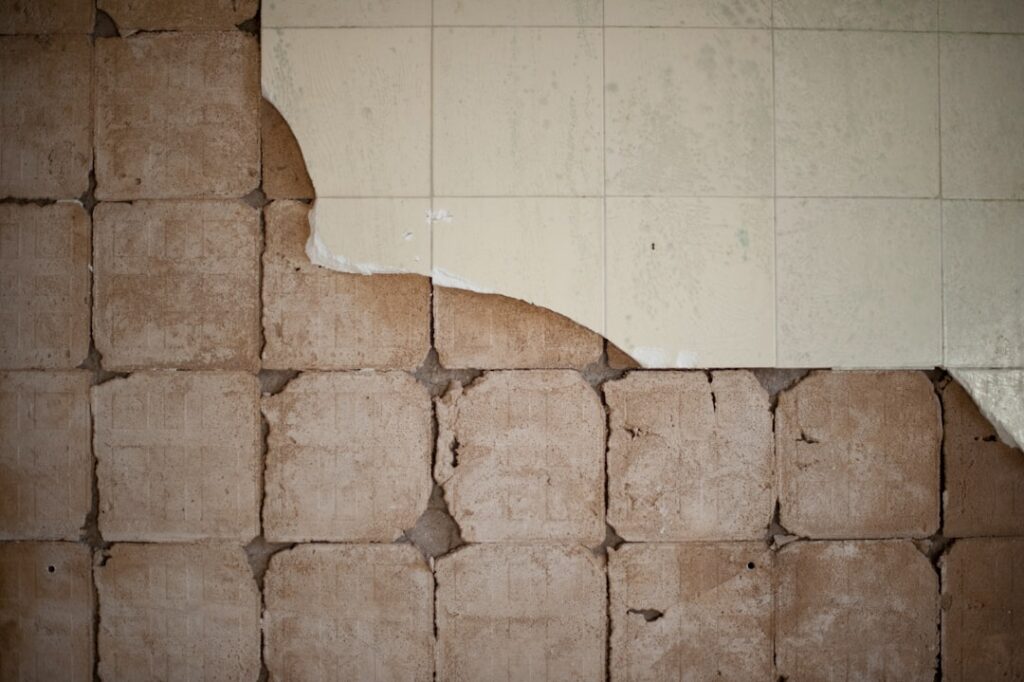
Asbestos tile removal is one of the most common reasons homeowners encounter asbestos, because old vinyl floor tiles, and the black adhesive beneath them, frequently contain it. Pulling up flooring in a mid-century home is a routine renovation that can quietly release fibers if handled carelessly. This guide summarizes EPA, OSHA, and state guidance current as of 2026 and is informational only — consult an accredited inspector for testing decisions and a physician for any exposure concerns. The aim is to explain the risks, the testing step, and the safe paths forward.
Is this mold, asbestos, or water damage? Get a free instant screen
Upload a clear photo of the suspect area. You'll get an instant AI screening opinion and what to do next. This is screening guidance, not a professional determination.
Screening guidance only. AI can be wrong. Confirm asbestos, mold type, or lead with lab testing or a licensed professional before acting.
Why old floor tiles often contain asbestos
Vinyl asbestos tile, typically nine-inch or twelve-inch squares, was widely installed through the mid-twentieth century. The tiles themselves can contain asbestos, and so can the black cutback adhesive, or mastic, used to glue them down.
Both layers matter. A homeowner might test the tile, get a negative result, and still face asbestos in the mastic. Treating the tile and the adhesive as separate materials, each potentially asbestos-containing, is essential to handling them safely.
The nine-inch tile size is a particularly strong clue. Because twelve-inch became standard later, nine-inch squares almost always date to the asbestos era and warrant testing before any disturbance. Color and pattern offer weaker hints, so the size and age of the flooring are the more reliable signals.
Test before you remove
The first step is never to start prying. Suspect tiles and mastic should be tested through an accredited lab before any disturbance. The guide to finding accredited asbestos testing explains how sampling and analysis work and why professional collection reduces risk.
Testing turns guesswork into a clear answer. A negative result on both layers clears the project; a positive result on either shifts the homeowner toward management or licensed removal rather than a weekend demolition.
Because the tile and the mastic are distinct materials, the sampling should capture both. A lab can often analyze a single sample that includes a tile and the adhesive stuck to its back, but confirming the protocol with the tester ensures both layers are evaluated rather than just the tile.
Why tiles are lower-risk than many materials
Intact vinyl asbestos tile is non-friable, meaning the asbestos is bound in a hard matrix that does not readily release fibers when undisturbed. Walking on sealed tile poses little risk. The hazard arises during removal, when grinding, sanding, or shattering tiles breaks that matrix.
This is why one valid option is to leave intact tile in place and install new flooring over it. Encapsulating old tile under a new surface avoids disturbance entirely and is often the simplest safe choice, echoing the management-in-place approach in the parent guide to asbestos and lead in pre-1978 housing.
Flooring over intact tile is a recognized strategy precisely because the non-friable matrix keeps fibers locked away when undisturbed. As long as the existing tile is sound and flat, a new floating floor or underlayment can go right on top, sidestepping the entire removal hazard.
Signs your flooring may be from the asbestos era
A few clues help homeowners gauge whether old flooring warrants testing. Nine-inch square tiles are a strong indicator, since that size predates the later twelve-inch standard. A dark, tarry adhesive underneath, the cutback mastic, is another signal common to the era.
The home’s age matters most. Flooring original to a house built before the early 1980s deserves testing before disturbance, regardless of how it looks. Layers of flooring are common in older homes, so a vinyl or laminate surface may sit atop original asbestos tile that only appears once the top layer comes up.
None of these clues is a substitute for a lab test. They simply tell a homeowner when caution and testing are warranted. When the signs point to the asbestos era, the right move is to stop, sample, and confirm before any removal begins.
The danger is in the removal method
Removal becomes hazardous when tiles are dry-scraped, broken, or sanded, and when the black mastic is ground off. These actions create dust that carries asbestos fibers into the air. Power tools are especially problematic because they pulverize material.
Safe removal, when it is necessary, relies on keeping material wet, lifting tiles whole rather than shattering them, and avoiding grinding the mastic. Even then, containment and HEPA cleanup are required, which is why licensed professionals handle confirmed asbestos tile work.
The temptation to speed the job with a rented power scraper or a grinder is exactly the impulse to resist. Those tools turn a contained, low-fiber situation into a dust-generating one in minutes, undoing every advantage that the tile’s non-friable nature provided.
Dealing with the black mastic
The cutback adhesive is often the trickier layer. Rather than grinding it, professionals may use specialized solvents and wet methods, or they may leave the mastic in place and cover it. Sanding mastic dry is exactly the kind of dust-generating action to avoid.
Leaving the mastic in place under a new floor is frequently the cleanest solution. If the tiles lift but the adhesive clings stubbornly, covering it with an appropriate underlayment avoids the grinding that would otherwise release fibers, provided the surface is suitable for the new flooring.
What asbestos tile removal costs
Costs vary with area, accessibility, and whether removal or encapsulation is chosen. Covering intact tile with new flooring is the least expensive option. Professional removal of confirmed asbestos tile and mastic, with containment and disposal, costs considerably more per square foot.
Homeowners should weigh removal against simply flooring over intact tile. When the tile is sound and the floor height allows, encapsulation saves money and avoids fiber release. A licensed contractor can quote both approaches.
The price gap between encapsulation and full abatement is often substantial, which is why getting both quotes is worthwhile. Unless the project specifically requires bare subfloor, the cheaper, safer cover-over option frequently wins on both cost and risk.
What proper tile removal looks like
When licensed removal is the chosen path, the process resembles other asbestos abatement. The crew seals off the room, shuts down HVAC, and may set up negative-air filtration for larger jobs. The floor is kept wet, and tiles are lifted whole with hand tools rather than shattered or ground.
The mastic is handled with wet methods or solvents, never dry grinding. Removed tiles and adhesive go into labeled disposal bags as the work proceeds, and the area is HEPA-vacuumed and wet-wiped afterward. Waste travels to a facility permitted to accept asbestos, with disposal documented.
For friable situations or larger areas, clearance testing confirms the air is safe before the room returns to use. This methodical approach is the difference between a controlled removal and the dust-spreading teardown that careless DIY work produces.
Disposal and lawful handling
Asbestos tile and mastic cannot go in ordinary household trash. They must be bagged, labeled, and taken to a facility permitted to accept asbestos waste, often with documentation that records the disposal. A licensed contractor handles this as a routine part of the job.
Homeowners attempting DIY removal of confirmed asbestos tile face this disposal hurdle on their own, along with the legal and safety risks. The disposal requirement alone is a strong reason to leave confirmed asbestos tile work to professionals who are equipped to handle the waste lawfully.
Keeping the disposal records matters. For resale disclosure, insurance, or future renovation, documentation that asbestos was removed and lawfully disposed of is valuable, providing proof that the hazard was addressed properly rather than swept under a new floor without resolution.
When to hire a licensed professional
If testing confirms asbestos and the tile must come up, licensed abatement is the safe route. A professional sets up containment, removes material with wet methods, and disposes of waste lawfully. The companion guide to choosing an asbestos abatement contractor explains how to verify credentials and disposal practices.
State rules often govern asbestos removal even in homes. Front Range homeowners can confirm a contractor’s certification through the Colorado asbestos program before any work begins, ensuring the job is done lawfully.
Encapsulation: flooring over old tile
For many homeowners, the best answer to asbestos tile is not removal at all but covering it. If the existing tile is intact, flat, and well-adhered, a new floor can often go right on top, encapsulating the asbestos and avoiding any fiber release. Floating floors and certain underlayment systems are well suited to this.
The approach has real advantages. It costs less than abatement, requires no containment or disposal, and eliminates the disturbance that creates the hazard in the first place. The old tile stays sealed beneath the new surface, posing little risk as long as it remains undisturbed.
There are limits to consider. The added floor height must work with doors and transitions, and the existing tile must be sound enough to serve as a stable base. Where those conditions are met, encapsulation is frequently the smartest path, balancing cost, safety, and simplicity.
Health context and precautions
Asbestos is a recognized hazard linked to long-latency disease, which is why disturbing confirmed tile without controls is discouraged. A tile-removal project addresses the material; it does not measure a person’s exposure. Anyone concerned about past exposure should consult a physician rather than self-assess.
The conservative posture, test first, leave intact tile alone when possible, and use licensed help for removal, reflects the caution that EPA and OSHA guidance recommends. For a single mid-century floor, that caution is inexpensive insurance against a household exposure.
The safe sequence
Putting it together: identify suspect tile, stop any demolition, test both the tile and the mastic, and let the result guide the choice. Negative results clear the work; positive results favor encapsulation or licensed removal over a do-it-yourself teardown.
Intact tile can often stay put under new flooring, sidestepping the entire hazard. When removal is unavoidable, a licensed contractor with proper containment is the right call, not a rented floor scraper and a dust mask.
The cost of patience is small and the cost of haste is large. A lab test takes only days and a few dollars, while a botched DIY teardown can contaminate a home and require expensive cleanup. For a single mid-century floor, testing first and choosing encapsulation or licensed removal is the path that protects both the household and the budget.
The reassuring reality is that asbestos floor tile is among the more manageable hazards in an older home. Its non-friable nature means it sits quietly when undisturbed, can be covered cleanly when sound, and is removed routinely by professionals when removal is truly necessary. Respecting the material, testing first and never grinding it dry, keeps a common renovation safe rather than turning it into a costly exposure event.
References
- Protect Your Family From Asbestos — EPA
- Asbestos Worker Protection — OSHA
- Colorado Asbestos Rules — CDPHE
- Asbestos Hazard Information — CDC
Front Range homeowners pulling up old flooring who want testing or a licensed removal referral can get in touch through our contact page for a connection to a vetted local pro.
Asbestos test kits
Asbestos can only be confirmed by a lab. A mail-in kit gets you a sealed sample container and accredited analysis — never sand or disturb suspect material first.
| Product | Why | Buy |
|---|---|---|
 Asbestos Test Kit (mail-in lab) Asbestos Test Kit (mail-in lab) | Includes PPE + sealed mailer. | Amazon — $29.99 |
 Pro-Lab Asbestos Test Kit Pro-Lab Asbestos Test Kit | Widely available; lab fee separate. | Amazon — $45.99 |