Asbestos Removal Las Vegas: What to Know
Older neighborhoods across the Las Vegas valley still hold homes built when asbestos was a routine ingredient in flooring, insulation, ceilings, and roofing. For owners of those properties, understanding asbestos removal Las Vegas regulations and practices matters before any renovation breaks ground, because disturbing asbestos-containing material releases microscopic fibers that cause serious, often fatal, lung disease decades later. Removal is heavily regulated and is not a do-it-yourself project. This guide summarizes EPA, OSHA, and CDC guidance current as of 2026; it is educational and not a substitute for a licensed abatement professional or medical advice from your physician about exposure concerns.
Part of our Asbestos in the Home guide — start there for the full picture →
Is this mold, asbestos, or water damage? Get a free instant screen
Upload a clear photo of the suspect area. You'll get an instant AI screening opinion and what to do next. This is screening guidance, not a professional determination.
Screening guidance only. AI can be wrong. Confirm asbestos, mold type, or lead with lab testing or a licensed professional before acting.
How Does Asbestos Removal Work in Las Vegas?
Asbestos removal, properly called abatement, is a regulated process performed by licensed contractors who contain the work area, remove the material under controlled conditions, and dispose of it as hazardous waste at approved facilities. In Nevada, abatement is governed by state and federal rules, and homeowners generally cannot legally hire just anyone, or do significant removal themselves, without violating those rules.
The process begins not with removal but with testing. A licensed inspector samples suspect materials, and a laboratory confirms whether asbestos is present and at what concentration. Only after confirmation does an abatement plan follow. Homeowners can learn how sampling and labs fit together through the guide on asbestos air quality testing before committing to any work.
Where Asbestos Hides in Older Las Vegas Homes
Asbestos was valued for heat resistance and durability, so it appears throughout mid-century construction. Common locations include vinyl floor tiles and the mastic beneath them, popcorn and other textured ceilings, pipe and duct insulation, roofing felt and shingles, and certain wall and joint compounds. Homes built before the 1980s are the most likely to contain it, though some products lingered later.
The fibers are dangerous only when disturbed and made airborne. Intact, undamaged asbestos material that is left alone generally poses little immediate risk, which is why the EPA often recommends managing material in place rather than removing it unnecessarily. The hazard arises during renovation, demolition, or deterioration. The textured-ceiling issue specifically is covered in the resource on asbestos popcorn ceiling removal.
Why You Cannot Remove Asbestos Yourself
Asbestos fibers are too small to see and, once inhaled, lodge permanently in lung tissue, where they can cause asbestosis, lung cancer, and mesothelioma years or decades later. There is no safe level of exposure recognized by health authorities. A homeowner without containment equipment, negative-air machines, and proper respiratory protection cannot safely remove asbestos, and doing so can contaminate the entire home.
OSHA sets strict standards for occupational asbestos work, including engineering controls and respiratory protection, precisely because the disease burden is so severe. Las Vegas-area abatement contractors must be licensed and follow these standards. Attempting removal yourself not only endangers your household but can also violate disposal laws, since asbestos waste must go to designated hazardous-waste facilities, not ordinary landfills.
The Asbestos Abatement Process
A professional abatement follows a defined sequence. The contractor seals the work area with plastic sheeting and establishes negative air pressure using HEPA-filtered machines so fibers cannot escape. Workers wear respirators and disposable protective suits. The material is wetted to suppress dust, removed carefully, and sealed in labeled, leak-tight containers for transport to an approved disposal site.
After removal, the area undergoes thorough HEPA vacuuming and wet cleaning, followed by air clearance testing to confirm fiber levels are safe before the containment comes down. This verification step is essential; it is the proof that the job was done correctly. The full sequence is described in the guide on the asbestos abatement process, which walks through each stage in detail.
Encapsulation as an Alternative
Removal is not always the right answer. Where asbestos material is intact and not in the path of a renovation, encapsulation, sealing it so fibers cannot escape, may be safer and less costly than disturbing it. A licensed professional can advise whether management in place or full removal is the appropriate response for a given material and location.
What Does Asbestos Removal Cost in Las Vegas?
Cost depends on the material type, the quantity, accessibility, and the disposal requirements. Small, contained jobs cost less than whole-house abatement or removal of material in hard-to-reach spaces. Industry estimates place professional abatement in a range that varies widely with scope, and the testing, containment, and disposal components all add to the total.
Be wary of unusually low bids, which may signal cut corners on containment or improper disposal. A legitimate contractor itemizes testing, abatement, and clearance, and provides documentation of proper waste handling. Whether insurance helps with the cost depends on the cause; sudden covered events sometimes qualify, while routine renovation rarely does, as discussed in the broader hub on asbestos and lead hazards in older homes.
Choosing a Licensed Abatement Contractor
Verify that any contractor holds the required Nevada licensing for asbestos abatement and carries appropriate insurance. Ask for proof of recent training, references from similar jobs, and documentation of how they handle disposal. A reputable firm will explain the abatement plan, including containment and clearance testing, before starting.
Separate the testing from the removal where possible, using an independent inspector to confirm the presence of asbestos and an abatement contractor to remove it. This separation reduces the conflict of interest that arises when the company diagnosing the problem also profits from the cure. Clear documentation at every stage protects you in any future sale or dispute.
The Health Risks That Make Asbestos Worth Taking Seriously
The reason asbestos rules are so strict lies in the diseases the fibers cause. When inhaled, the microscopic fibers lodge in lung tissue and remain there, since the body cannot break them down or expel them. Over years and decades, that persistent irritation can lead to asbestosis, a scarring of the lungs that impairs breathing; lung cancer; and mesothelioma, a rare and aggressive cancer of the lining of the lungs or abdomen that is almost exclusively linked to asbestos exposure.
A defining feature of these diseases is their long latency: symptoms often appear 20 to 50 years after exposure, which is why a careless renovation today can produce illness decades later. The CDC and health authorities recognize no safe level of asbestos exposure. There is also no way to reverse the damage once fibers are inhaled, which makes prevention the only meaningful protection. This is the calculus behind treating suspect material with caution rather than convenience, and behind leaving removal to trained, equipped professionals.
Asbestos and Real Estate Transactions in Nevada
Asbestos frequently surfaces during a home purchase or sale, and understanding how it factors into a transaction helps owners plan. A standard home inspection is visual and does not include asbestos testing or sampling, so a buyer concerned about an older Las Vegas home needs a separate asbestos assessment by a qualified inspector. Discovering asbestos does not automatically derail a sale; intact material that is managed in place is common and manageable.
For sellers, disclosure of known asbestos-containing materials is the honest and prudent course, and documentation of any past abatement reassures buyers. For buyers planning to renovate, identifying asbestos before closing allows the cost of testing and potential abatement to be factored into the offer rather than discovered as an expensive surprise afterward. Building the assessment into the transaction timeline, rather than rushing it, keeps both parties informed and the deal on solid footing.
Encapsulation Versus Removal: Choosing the Right Response
Removal is not always the correct answer, and a good assessment weighs the alternative. Encapsulation seals asbestos-containing material with a specialized coating so fibers cannot escape, and enclosure builds a barrier around it. For intact material that is not in the path of a renovation, these approaches can be safer and less costly than disturbing the material with full removal, since the riskiest moment for fiber release is during removal itself.
Removal becomes the right choice when material is deteriorating, friable, or directly in the way of planned work. A licensed professional evaluates the material’s condition, location, and the home’s renovation plans to recommend management in place, encapsulation, or abatement. A Las Vegas homeowner who assumes removal is always necessary may pay for disruptive, expensive work that creates more exposure risk than leaving stable material alone would. The decision should follow from a professional assessment of the specific material rather than a blanket assumption that all asbestos must come out.
What to Do If You Suspect Asbestos
The safest first move is to leave suspect material undisturbed and arrange professional testing. Do not scrape, sand, drill, or demolish material you think might contain asbestos. If material is already damaged, limit access to the area and avoid creating dust until a professional evaluates it.
Document the home’s age and any known renovation history, since that context helps an inspector target sampling. For a planned renovation in a pre-1980s Las Vegas home, schedule testing well before work begins so abatement, if needed, can be sequenced into the project. Acting before disturbance is far cheaper and safer than reacting after fibers are already airborne.
The throughline across every stage is patience over haste. Asbestos rewards a deliberate sequence: test first, evaluate the material’s condition and friability, choose between management in place, encapsulation, or removal, and verify the result with air clearance testing. Rushing any of these steps, or attempting the work without licensing and containment, trades a manageable, documented process for a hazard that can endanger a household and complicate a future sale. Treating asbestos with the caution its health risks warrant is the surest path to a safe, compliant outcome.
Friable Versus Non-Friable Asbestos Materials
Not all asbestos-containing materials behave the same way, and the distinction shapes how a professional handles them. Friable materials crumble easily under hand pressure and release fibers readily; examples include old pipe and boiler insulation, certain sprayed-on coatings, and deteriorating ceiling texture. These are the most hazardous because they shed fibers with minimal disturbance, and they demand the most rigorous containment during abatement.
Non-friable materials bind the asbestos tightly within a matrix, such as intact vinyl floor tile, asbestos cement siding, and roofing products. Left undisturbed, they pose limited risk, but cutting, grinding, or breaking them can convert non-friable material into a fiber-releasing hazard. This is why even seemingly stable materials require professional handling once a renovation disturbs them. A licensed assessor classifies each material’s condition and friability, which determines whether management in place, encapsulation, or full removal is the appropriate response. Understanding the category helps a Las Vegas homeowner grasp why an inspector reacts differently to a popcorn ceiling than to an intact tile floor.
Asbestos Disposal Rules and Why They Matter
Removing asbestos is only part of the job; disposing of it legally is the other. Asbestos waste is classified as hazardous and cannot go into ordinary trash or a standard landfill. It must be wetted, sealed in clearly labeled leak-tight containers, and transported to a facility specifically permitted to accept asbestos. Improper disposal endangers waste handlers and the public and can expose the responsible party to penalties.
A legitimate Las Vegas abatement contractor documents the entire disposal chain, providing manifests showing where the material went. This paperwork protects the homeowner by proving the hazard was handled correctly, which matters in a future sale or any regulatory inquiry. Unusually cheap bids sometimes hide improper dumping, which can leave a homeowner liable. Asking how a contractor handles disposal, and requesting the documentation, is a practical way to separate a compliant professional from one cutting corners. The disposal requirement is one more reason asbestos work is not a do-it-yourself project.
More Questions About Asbestos Removal in Las Vegas
Who regulates asbestos removal in Nevada?
Asbestos removal in Nevada is regulated by state agencies, primarily the Nevada occupational safety and health program, which licenses asbestos abatement contractors and certifies workers, along with environmental regulators who oversee air emissions and disposal. In the Las Vegas area, Clark County air quality authorities also have asbestos notification requirements for many projects.
Homeowners should confirm a contractor’s Nevada asbestos license and ask which permits or notifications the job requires. Licensed contractors normally file this paperwork.
How long does asbestos removal take in a Las Vegas home?
Asbestos removal in a Las Vegas home typically takes one to four working days on site for common jobs like popcorn ceilings, floor tile or a section of ductwork. Larger homes with several affected materials can take a week or more.
Allow extra lead time for testing, bids and any required notification. In the summer heat, crews may start early in the day, and exterior work on stucco or roofing can be scheduled around the hottest hours for worker safety.
Does Las Vegas summer heat affect asbestos removal?
Yes, Las Vegas summer heat affects asbestos removal mainly through worker safety and scheduling. Crews in sealed containment, disposable suits and respirators face heat stress, so work days may start early and include more breaks.
Interior jobs in air-conditioned homes are less affected, though the HVAC serving the work area must be shut off and sealed. Dry desert air also means wetted material dries quickly, so crews must rewet often. Exterior roofing or stucco jobs are often scheduled for cooler months.
Do Las Vegas homes from the 1970s and 1980s contain asbestos?
Yes, many Las Vegas homes built in the 1970s and early 1980s may contain asbestos in popcorn ceilings, drywall joint compound, stucco, vinyl flooring, mastic and HVAC duct components. The valley’s housing boom of that period used these products widely.
Homes built later are less likely to contain asbestos but are not guaranteed free of it. Testing by a licensed inspector before remodeling, ceiling scraping or flooring replacement is the only reliable way to know.
References
- Protect Your Family from Exposures to Asbestos — U.S. Environmental Protection Agency
- Asbestos Standards and Worker Protection — Occupational Safety and Health Administration
- About Asbestos and Health Effects — Centers for Disease Control and Prevention
Frequently asked questions
Can I remove asbestos from my Las Vegas home myself?
No. Asbestos fibers are too small to see and cause serious lung disease when inhaled. Removal requires containment, negative-air equipment, and respiratory protection, and abatement contractors must be licensed. DIY removal can contaminate the home and violate hazardous-waste disposal laws.
Where is asbestos commonly found in older homes?
Common locations include vinyl floor tiles and their mastic, popcorn and textured ceilings, pipe and duct insulation, roofing felt and shingles, and some wall and joint compounds. Homes built before the 1980s are most likely to contain it.
Is intact asbestos dangerous?
Intact, undamaged asbestos material that is left alone generally poses little immediate risk. The hazard arises when material is disturbed during renovation, demolition, or deterioration, releasing fibers into the air. The EPA often recommends managing intact material in place rather than removing it.
How much does asbestos removal cost in Las Vegas?
Cost varies widely with the material type, quantity, accessibility, and disposal requirements. Small contained jobs cost far less than whole-house abatement. Testing, containment, and approved hazardous-waste disposal all add to the total, so be cautious of unusually low bids.
Does Nevada require asbestos disclosure when selling a home?
Nevada sellers must disclose known defects on the state's seller's real property disclosure form, which includes questions about environmental hazards. Known asbestos should be disclosed, and buyers can order their own testing during the inspection period.
Can stucco on Las Vegas homes contain asbestos?
Yes, some older stucco and textured exterior finishes on Las Vegas homes may contain asbestos. Have the stucco tested before sanding, cutting or demolishing it. Intact, painted stucco generally poses little risk while it stays undisturbed.
How do Las Vegas renters find out about asbestos in their unit?
Las Vegas renters can ask the landlord or property manager whether the building has been surveyed for asbestos, especially before renovation. Tenants who see damaged suspect material should report it in writing and request that it be tested and repaired.
If you own an older home along the Front Range and want a vetted, independent inspector to test for asbestos before a renovation, reach out through our contact page and we will help connect you with a qualified local professional.
Asbestos test kits
Asbestos can only be confirmed by a lab. A mail-in kit gets you a sealed sample container and accredited analysis — never sand or disturb suspect material first.
| Product | Why | Buy |
|---|---|---|
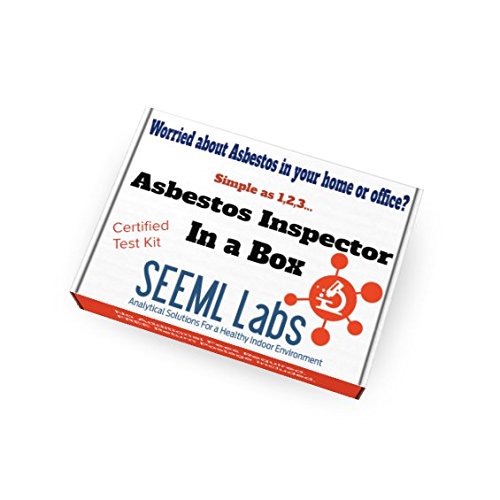 Asbestos Test Kit (mail-in lab) | Includes PPE + sealed mailer. | Amazon — $22.00 |
 Pro-Lab Asbestos Test Kit | Widely available; lab fee separate. | Amazon — $79.99 |