Mold Removal Las Vegas NV: A Homeowner Guide
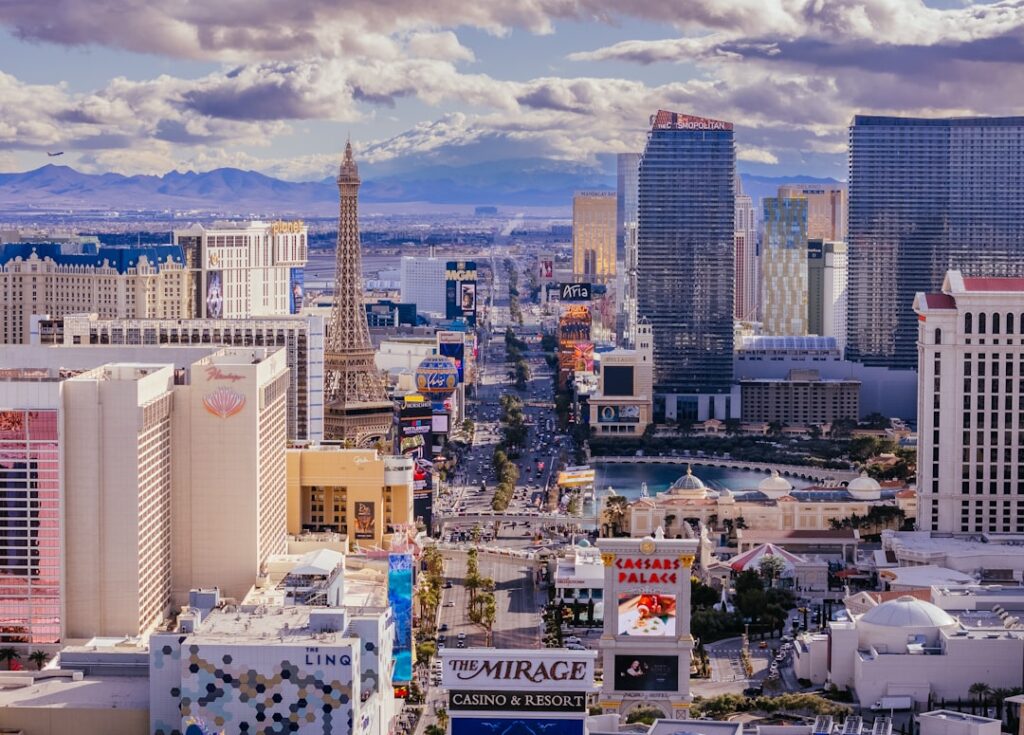
Many people picture a dry desert and assume mold cannot survive in southern Nevada. The reality inside Las Vegas homes is more complicated. Air conditioning runs nine months a year, swamp coolers add moisture, and a single slab leak or roof failure can feed a mold colony for weeks before anyone notices. Understanding what drives mold removal Las Vegas NV projects helps homeowners act early and avoid a small problem turning into a structural one. This guide summarizes EPA and CDC guidance current as of 2026; consult your physician for health symptoms and a certified professional for testing and removal decisions.
Is this mold, asbestos, or water damage? Get a free instant screen
Upload a clear photo of the suspect area. You'll get an instant AI screening opinion and what to do next. This is screening guidance, not a professional determination.
Screening guidance only. AI can be wrong. Confirm asbestos, mold type, or lead with lab testing or a licensed professional before acting.
What does mold removal in Las Vegas actually involve?
Removal is the physical elimination of mold growth and the materials it has colonized, paired with drying the space so it cannot return. In a desert city, the work usually centers on hidden moisture sources rather than obvious humidity. A contractor identifies the water problem, contains the affected area, removes porous materials that cannot be cleaned, cleans salvageable surfaces, and dries everything to a documented moisture level.
The EPA recommends professional help for any mold patch larger than roughly 10 square feet. Smaller surface spots on hard, non-porous materials are often within a careful homeowner’s reach. The deciding factor is not the city you live in but the size of the growth and whether it sits inside walls, ceilings, or HVAC equipment.
Why do Las Vegas homes get mold despite the dry climate?
The Mojave Desert keeps outdoor humidity low, often in the single digits during summer afternoons, but indoor moisture tells a different story. Mold does not need a humid climate; it needs a wet material and a food source, and a leak provides both regardless of what the weather is doing outside. The valley’s rapid postwar growth also means a large share of the housing stock dates to building eras with construction details and plumbing that age into leaks. Several local factors stand out.
Evaporative (swamp) coolers
Older Las Vegas homes often rely on evaporative coolers that deliberately add water to the air. When ductwork, pads, or roof units leak, that moisture ends up inside framing and insulation. Swamp-cooled attics are a recurring mold source the EPA-style moisture rules predict precisely.
Slab and plumbing leaks
Many valley homes sit on concrete slabs with embedded copper supply lines. Pinhole leaks release water under flooring where it is invisible for months. By the time a homeowner sees baseboard staining, the subfloor and lower drywall may already host growth.
Roof and stucco failures
Intense summer sun degrades roofing and stucco. The monsoon storms that hit the valley each summer can drive water through cracks during brief, heavy downpours, leaving wet cavities that dry slowly because they are sealed inside the wall assembly. Flat and low-slope roofs common on some valley homes are especially prone to pooling when a drain clogs, and a single storm can introduce enough water to seed growth that surfaces weeks later as a ceiling stain.
AC condensation
Air conditioning runs the better part of the year here, and the cooling process pulls moisture out of the air as condensate. When a drain line clogs or a unit is oversized and short-cycles, that water can escape the air handler and wet surrounding drywall or ductwork. Because the system then circulates air through the home, an HVAC moisture problem can spread spores well beyond the original wet spot.
What does mold removal cost in Las Vegas?
Costs track the size of the affected area, the material involved, and how much demolition is required to reach the source. Industry estimates commonly place small, contained jobs in the few-hundred-dollar range and larger multi-room or HVAC projects into the thousands, with extensive contamination running well above that. Las Vegas pricing is broadly comparable to other Sun Belt metros, though slab-leak repairs can add plumbing costs on top of the mold work, and that plumbing component often surprises homeowners who budgeted only for the visible mold.
A second cost driver specific to the valley is access. Mold tied to a swamp cooler frequently sits in the attic or on the roof, while slab-leak growth hides under flooring that must be lifted to reach. Both raise labor compared with a simple wall repair. An inspection to scope the work typically runs a few hundred dollars on its own, and reconstruction — replacing drywall, flooring, or insulation that was removed — is usually quoted as a separate line. Homeowners weighing budget should compare figures with our breakdowns of mold remediation cost per square foot and how much it costs to remediate mold, which explain how contractors build an estimate line by line, and should gather more than one written quote before committing.
The mold removal process step by step
A credible contractor follows a sequence that mirrors EPA remediation guidance:
- Assessment. Locate the moisture source and map the extent of growth, often with a moisture meter or thermal camera.
- Containment. Seal the work area with plastic sheeting and negative air pressure so spores do not spread to clean rooms.
- Removal. Discard porous materials such as drywall, carpet, and insulation that have absorbed moisture and growth.
- Cleaning. Scrub salvageable hard surfaces and HEPA-vacuum the space.
- Drying. Run dehumidifiers and air movers until materials reach normal moisture readings.
- Verification. Confirm the area is dry and visibly clean before rebuilding.
The desert advantage is that drying is often faster here than in humid coastal climates, provided the underlying leak is fixed first. A contractor can frequently bring in dry outdoor air alongside dehumidifiers and air movers, shortening the drying phase that drags on in damp regions. The verification step still matters, though: materials should be dried to a measured moisture content rather than until they merely feel dry, because framing and subfloor can hold hidden moisture that re-feeds growth even when the surface looks fine.
Can you remove mold yourself in a Las Vegas home?
Small surface mold on tile, glass, or sealed countertops can usually be cleaned with detergent and water, following CDC cleanup guidance. The EPA cautions against do-it-yourself work once growth covers more than about 10 square feet, sits inside an HVAC system, or follows sewage or major flooding. Bleach is not required for routine cleanup; physical removal and thorough drying matter more than the chemical used.
If you are unsure whether a spot is growing inside the wall, our guide on how to get rid of black mold in a house walks through the warning signs that point toward professional help.
Choosing a mold removal company in Las Vegas
Nevada does not license mold remediation the way some states license asbestos work, so vetting matters. Look for contractors who carry liability insurance, follow EPA and IICRC procedures, provide written scopes, and separate the inspection from the removal when possible to avoid conflicts of interest. Ask how they will document drying and whether post-remediation verification is included. The broader mold inspection and testing hub covers how independent testing fits alongside removal.
Because there is no state license to check, references and documentation carry extra weight in the valley. Ask for recent local jobs you can verify, confirm the crew uses containment and HEPA filtration on anything larger than a small surface patch, and be wary of any company that quotes a firm price over the phone without seeing the property. A contractor that leans on fear of “toxic black mold” to justify expensive fogging or antimicrobial add-ons deserves scrutiny, since the EPA emphasizes physical removal and drying over chemical treatment. The strongest sign of a careful firm is that it talks about finding and fixing the water source before it talks about removal.
Finding the hidden moisture source first
The defining feature of a Las Vegas mold job is that the water source is almost always hidden. Unlike a humid climate where general dampness feeds growth, desert mold traces to one specific intrusion — a slab leak, a swamp-cooler line, a clogged AC condensate drain, or a stucco crack. A credible contractor or assessor spends real effort locating that source with moisture meters and thermal imaging before any demolition begins, because cleaning the visible mold while the leak runs simply guarantees a return visit. Homeowners can help by noting when the problem started, whether it followed a storm or a plumbing issue, and where the staining or odor is strongest. That history often points the diagnosis in the right direction and shortens the search.
Preventing mold from coming back
Because Las Vegas moisture problems are usually mechanical, prevention is practical. Service swamp coolers before summer, inspect water heaters and slab plumbing for leaks, keep AC condensate lines clear, and address roof or stucco cracks before monsoon season. Indoor relative humidity below about 50 percent, as the EPA recommends, makes growth unlikely even when a minor leak occurs.
How desert drying differs from humid climates
The one advantage Las Vegas offers is fast drying. Once a leak is repaired, the region’s low outdoor humidity helps materials release moisture quickly, often faster than in coastal or mid-Atlantic homes where damp air slows the process. A contractor can frequently ventilate with dry outdoor air alongside dehumidifiers and air movers, shortening the drying phase. That speed is only an advantage when the moisture source is actually fixed first. A slab leak left running will keep feeding the wall no matter how dry the desert air is, which is why diagnosis precedes drying in any credible job.
The flip side is that desert dryness can mask a problem. Surface materials dry quickly while moisture remains trapped inside a wall cavity or under flooring, so a stain that appears to dry on its own may hide an active source. Moisture meters and thermal cameras matter here precisely because the visible surface is a poor guide to what is happening behind it.
Mold in Las Vegas HVAC systems
Air conditioning runs hard for much of the year in the valley, and the cooling process generates condensate. When a system’s drain line clogs or a unit is oversized and short-cycles, that condensate can leave the air handler, ductwork, or surrounding materials damp. Mold in an HVAC system is a recurring local issue because the system then circulates spores throughout the home. The EPA flags HVAC contamination as a job for professionals, since improper cleaning can spread growth rather than contain it. Annual service, clear condensate lines, and prompt attention to musty odors from vents reduce the risk.
What homeowners can do year-round
Because Las Vegas moisture problems are mechanical rather than climate-driven, steady maintenance keeps mold away. Service evaporative coolers before summer, inspect water heaters and visible plumbing for early leaks, keep AC condensate lines clear, watch for baseboard staining that signals a slab leak, and address roof or stucco cracks before monsoon season. A simple hygrometer confirms indoor humidity stays below the level mold needs. Catching a leak early, while it is still a plumbing repair rather than a mold project, is the cheapest possible outcome.
A short seasonal rhythm covers most of the risk. Before summer, the swamp cooler and air conditioner get serviced and their lines checked. As monsoon season approaches, the roof, stucco, and any flat-roof drains are inspected for the cracks and clogs that brief heavy storms exploit. Through the year, a glance at the water heater, under sinks, and along baseboards catches the slow plumbing leaks the desert climate hides so well. Tied to the calendar, these checks take little time and intercept problems while they are still small, which in a slab-and-stucco housing stock is the difference between a minor repair and a project that opens floors and walls.
When to call a professional
Call a qualified remediation contractor when growth exceeds 10 square feet, when you smell a persistent musty odor without a visible source, when mold returns after cleaning, when it appears in the HVAC system, or when a slab or roof leak is involved. Anyone with asthma or a weakened immune system should avoid disturbing mold and let a professional handle containment.
References
- Mold Cleanup in Your Home — U.S. Environmental Protection Agency
- About Mold and Health — Centers for Disease Control and Prevention
- A Brief Guide to Mold, Moisture and Your Home — U.S. Environmental Protection Agency
If you own or are buying a home in the Las Vegas valley and want an independent read on a moisture or mold concern before you commit, reach out through our contact page to connect with a vetted inspector.
Mold removal & cleanup picks
For a small, contained patch (under ~10 sq ft) these EPA-friendly removers handle surface mold. Larger or recurring growth warrants a professional assessment first.
| Product | Why | Buy |
|---|---|---|
 RMR-86 Instant Mold Stain Remover RMR-86 Instant Mold Stain Remover | Fast-acting on stains; ventilate and wear PPE. | Amazon — $25.99 |
 Concrobium Mold Control Concrobium Mold Control | No-bleach formula that also helps prevent regrowth. | Amazon — $13.48 |
 Mold Armor Mold & Mildew Remover Mold Armor Mold & Mildew Remover | Widely stocked bathroom/surface remover. | Amazon — $22.98 |