Home Inspection Las Vegas: A Buyer’s Hiring Guide
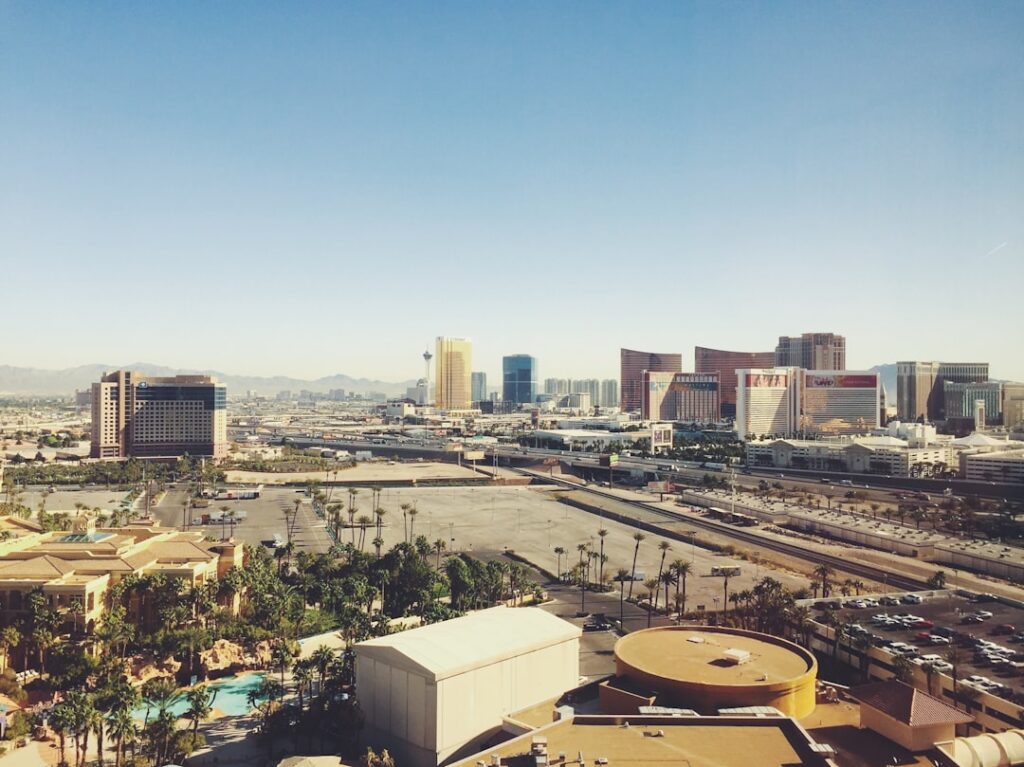
The Las Vegas housing market moves fast, and the desert climate puts unusual stress on homes that buyers from cooler regions may not anticipate. A thorough home inspection Las Vegas buyers commission is the safeguard that exposes sun-baked roofing, overworked air conditioning, and the plumbing quirks of a valley built largely after the 1990s. This guide walks through how to hire a qualified inspector in Nevada, what a standard inspection covers, what it typically costs, and how to convert the report into smart negotiation during your contingency window.
How to hire a home inspector in Las Vegas
Nevada is one of the states that regulates home inspectors, requiring them to hold a state certification administered through the Nevada Real Estate Division. That sets a baseline, but certification alone does not guarantee thoroughness, so additional vetting still pays off.
Confirm the inspector’s Nevada certification is current, then look for membership in the American Society of Home Inspectors or InterNACHI, which layers a published standard of practice and a code of ethics on top of the state requirement. Ask for proof of errors-and-omissions and general liability insurance, request a sample report, and ask how many inspections the person completes in the Las Vegas valley each year.
Local experience carries real value here. An inspector who works the valley knows how flat and low-slope roofs degrade under intense ultraviolet exposure, how stucco cracks signal settlement on caliche soils, and how to read an HVAC system that runs almost year-round. The general principles for screening candidates appear in the site’s guide to the home inspector hiring process.
What a Las Vegas home inspection covers
A general inspection is a visual, non-invasive review of the home’s accessible systems, conducted to the standards of practice published by ASHI and InterNACHI. The inspector documents observable defects and safety issues rather than guaranteeing the future life of any component.
Structure and exterior come first: foundation, framing, roof structure, stucco or siding, and site drainage. In the valley, roofing gets close scrutiny because intense sun shortens the life of tile underlayment and shingles, and a roof that looks fine from the curb can hide brittle, cracked materials up close.
Systems follow: electrical service and panels, plumbing supply and drainage, the water heater, and the heating and cooling equipment. Cooling dominates the conversation in Las Vegas, where an aging or undersized air conditioner is both common and expensive to replace. The full inventory of components an inspector evaluates is detailed in the overview of what a house inspector looks for.
What an inspection does not cover
A general inspection has clear boundaries. It does not open walls, lift heavy furniture, or run laboratory tests. It is not a code inspection and not a warranty against future problems.
Specialty needs require separate services. A pool and spa evaluation is a frequent and worthwhile add-on in a market where backyard pools are common. Sewer scoping, while less critical in newer construction, can be useful for older central-valley homes. Testing for substances that require lab analysis, along with detailed structural engineering, falls outside the general scope and to dedicated specialists.
What does a home inspection cost in Las Vegas?
Cost scales with square footage, age, and add-ons. A general inspection of a typical single-family Las Vegas home usually lands in a few-hundred-dollar range, with larger homes and older properties costing more.
Add-ons such as a pool evaluation, a sewer scope, or a separate roof certification carry their own fees. As elsewhere, the lowest bid is not automatically the best choice; a slower, more detailed inspector who produces a photo-rich report often catches issues that more than justify a modest price premium. Buyers can benchmark a local quote against the national ranges in the guide to the cost of a house inspection.
Using the inspection report
Expect a report organized by system, illustrated with photos, and ranked by severity, with a summary that flags safety concerns and major defects up front. That summary is where buyers and agents focus during a tight contingency timeline.
Sort findings into tiers. Safety defects such as exposed wiring, a missing GFCI, or an improperly vented gas appliance deserve attention no matter what. Major-cost items like a failing HVAC system, an end-of-life roof, or significant stucco cracking become negotiation leverage. Cosmetic items generally do not.
Nevada uses a seller real property disclosure form, so cross-referencing what the seller disclosed against the inspector’s findings can surface discrepancies worth raising before the resolution deadline passes.
Timing within the purchase contract
The inspection occurs during the due-diligence period after an offer is accepted. Nevada residential contracts grant an inspection window during which the buyer may request repairs, renegotiate, or cancel based on findings.
Schedule the inspection immediately after acceptance, because good inspectors book out during peak season. Attending in person is strongly encouraged; walking the property with the inspector turns the written findings into a guided conversation and lets you ask about anything you noticed during showings. The practical sequence of these steps is laid out in the guide to the home inspection process.
Desert-climate concerns to watch
The Las Vegas environment creates a distinct defect profile. Ultraviolet exposure ages roofing faster than in milder climates, so roof condition and the realistic remaining life of the covering deserve direct questions. HVAC equipment runs hard for much of the year, making system age, refrigerant type, and recent service history important to confirm.
Expansive and caliche soils contribute to foundation movement and stucco cracking; significant cracks warrant a structural opinion. Low humidity and hard water accelerate plumbing-fixture and water-heater wear, and high summer heat can stress attic insulation and ductwork. A region-aware inspector will weigh these factors rather than applying a generic checklist.
Nevada certification and what it covers
Nevada’s decision to certify home inspectors sets it apart from neighboring states and gives Las Vegas buyers a baseline of accountability. The Nevada Real Estate Division administers the certification, which involves required experience or education, an examination, and ongoing requirements to remain in good standing.
Certification establishes a minimum standard, but it does not measure thoroughness or communication skill, so additional vetting still matters. Verifying that a certificate is current is straightforward, and pairing state certification with ASHI or InterNACHI membership layers a national standard of practice on top of the state requirement. Buyers should also confirm errors-and-omissions and general liability insurance, since certification alone does not guarantee coverage.
For complex or higher-value properties, the depth of an inspector’s experience with similar homes can matter as much as the certificate itself. A certified inspector who rarely works the kind of property you are buying may miss patterns that a specialist would catch. Asking how many comparable homes the inspector has evaluated in the valley turns a credential into a meaningful qualification.
Common defects in Las Vegas homes
Las Vegas homes share a defect profile shaped by heat, sun, and desert soils. Anticipating the common findings helps a buyer read the report with perspective.
Roofing problems lead the list. Intense ultraviolet exposure cracks tiles, dries out underlayment, and ages shingles faster than in cooler climates, so inspectors frequently note brittle materials and failing flashing even on homes that look fine from the street. HVAC findings are nearly as common, since air conditioners run for much of the year and units near the end of their life struggle to keep up, sometimes hiding refrigerant or compressor issues.
Stucco cracking shows up regularly on caliche and expansive soils, ranging from cosmetic hairlines to cracks that warrant a structural opinion. Plumbing in a hard-water region wears fixtures and water heaters faster, and pools, where present, add their own list of equipment and safety items. Electrical findings often include missing GFCI protection and aging panels. Grouping these by severity in the report lets a buyer focus negotiation on the safety and major-cost items rather than the cosmetic ones.
How to use findings to negotiate
The inspection’s payoff comes during negotiation within the due-diligence window. Documented defects let the buyer request repairs, a price reduction, a closing credit, or cancellation if problems are severe enough.
Effective negotiation concentrates on safety hazards and big-ticket items rather than every minor note. A roof near the end of its life or an aging HVAC system, backed by a contractor’s estimate, makes a far stronger case than a long list of cosmetic flaws. In a fast-moving Las Vegas market, buyers also weigh how firmly to push, since an overreaching repair list can jeopardize a deal when competing offers are in play. Pairing the report with a sense of the home’s overall condition keeps the negotiation grounded and credible.
Questions to ask before booking
Confirm the inspector’s Nevada certification number and association membership. Ask how long the inspection will take, since a genuine single-family inspection rarely finishes in under a couple of hours. Ask whether you can attend, when the report will arrive, and what the policy is if a significant defect is later found to have been missed.
Ask specifically about valley experience, roof and HVAC evaluation methods, and whether pool or sewer add-ons are recommended for the property. An inspector who answers these clearly is usually the one who will write a report you can trust.
Las Vegas housing stock and inspection priorities
The Las Vegas valley grew explosively from the 1990s onward, so a large share of the housing is relatively young by national standards. That youth shifts the inspection emphasis. Instead of the knob-and-tube wiring and galvanized plumbing that dominate older Eastern cities, valley homes more often show the first wave of wear on builder-grade systems: original water heaters and air conditioners reaching the end of their service life, polybutylene or early plastic supply lines in certain vintages, and roofs whose underlayment has aged faster than the visible tile suggests.
Master-planned communities such as Summerlin, Henderson’s Green Valley, and Aliante introduced large numbers of similar homes built in tight timeframes, which means a defect common to one home of a given builder and year often recurs across the neighborhood. An inspector who works the valley regularly recognizes these cohort patterns and knows where to look first. Older pockets closer to downtown and the original townsite carry a different profile, with mid-century construction, evaporative coolers in some homes, and additions of mixed quality that deserve the same layered scrutiny an older city would demand.
Pools, irrigation, and desert-specific systems
Las Vegas homes carry features a buyer from a cooler climate may not think to evaluate. Backyard pools and spas are common, and their equipment, pumps, heaters, filters, and the condition of the surface and decking, represents a meaningful expense that a general inspection touches only at a high level. A dedicated pool and spa evaluation is often worth the add-on fee, since a failing heater or a cracked shell can rival a roof in replacement cost.
Landscape irrigation and drainage also matter in the desert. Drip systems and timers are nearly universal, and an inspector notes obvious leaks or failures, though a specialized review may be warranted for an extensive system. Just as important is how the lot sheds the infrequent but intense desert rains; poor grading that directs water toward the foundation can drive the stucco cracking and soil movement that show up elsewhere in the report. Evaporative coolers, where present in older homes, add another system with its own maintenance demands and seasonal switchover that a valley-experienced inspector knows to check. A buyer relocating from a wetter climate should ask the inspector to explain how each of these systems behaves in the desert, since the maintenance rhythm and failure modes differ markedly from what they are used to, and a feature that seems minor can carry a substantial repair or replacement cost.
References
- Residential Standards of Practice — InterNACHI
- Standard of Practice for Home Inspections — American Society of Home Inspectors
- Certified Inspector Directory — InterNACHI