Safe Radon Level in a Basement: What to Know
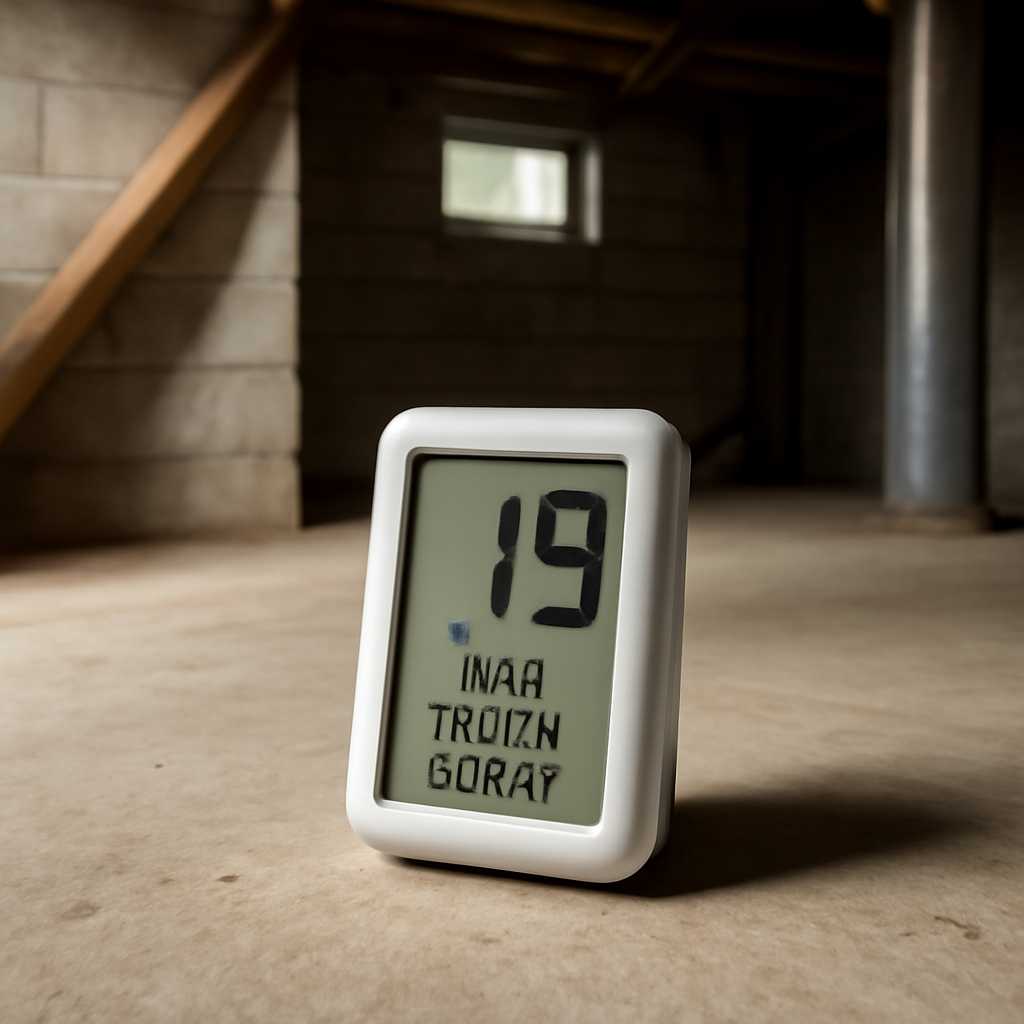
Many homeowners want a single number that answers what is a safe radon level in a basement, especially if the basement is finished and used as living space. The honest answer reframes the question: there is no level of radon that is completely safe, so the more useful goal is to get as low as reasonably possible and to act at the EPA action level. Understanding why helps you make confident decisions.
Part of our Radon Levels guide — start there for the full picture →
This guide explains why no radon level is truly safe, what the action level means for a basement, and where to test finished basement space. It is informational only and not medical advice. Radon thresholds follow methodology from the EPA and CDC, with Colorado-specific guidance from the Colorado Department of Public Health and Environment.
Why There Is No Fully Safe Radon Level
It is tempting to look for a safe number, but the science does not support one. The EPA and CDC are clear that radon poses some risk at any concentration, because the long-term health risk increases steadily with the amount and duration of exposure rather than appearing only above a threshold.
This is why guidance uses the term action level rather than safe level. Radon is a recognized cause of lung cancer over years of exposure, and even modest indoor concentrations contribute to that cumulative risk. The practical goal is to reduce radon as far as reasonably achievable, not to find a number that eliminates risk entirely.
So the most accurate answer to the safe-level question is that lower is always better, and any reading at or above the action level warrants action. For background on the gas itself, see our explainer on what radon is.
The Action Level and What It Means for a Basement
The number to anchor on is the EPA action level of 4 pCi/L, measured in picocuries per liter of air. At or above that reading, the EPA recommends taking action to reduce radon. This applies to the lowest livable level of the home, which for many houses is the basement.
A finished basement used as a bedroom, office, or family room counts as livable space, so the 4 pCi/L action level applies there directly. If your finished basement reads at or above 4 pCi/L, that is the trigger to confirm the result and pursue mitigation, regardless of what upper floors read.
Below 4 pCi/L is not a guarantee of safety, only a reading below the action level. Between 2 and 4 pCi/L, the EPA suggests you may still consider action, which is especially worth weighing for a basement where people sleep or spend many hours. Our guide to radon levels explains how to interpret the full range.
Why Basements Demand Closer Attention
Basements deserve particular focus because they tend to have the highest radon readings in a home. Radon enters from the soil, and the basement sits closest to that source, connected through foundation cracks, pipe penetrations, and sump pits. The gas accumulates in lower, less-ventilated spaces before diffusing upward.
When a basement is finished and occupied, that higher concentration becomes a direct exposure concern for the people using the space. A basement bedroom where someone sleeps every night represents many hours of daily exposure, which makes the basement reading the most relevant one for that household.
This combination of higher levels and real occupancy is why the safe-level question matters most for finished basements. The answer is to test the space directly and act on the result against the 4 pCi/L action level.
Where to Test a Finished Basement
The EPA advises testing at the lowest level of the home that is lived in or could be lived in. For a finished basement, that means testing within the basement itself, in the area people actually use, rather than relying on a reading from an upper floor.
Follow these placement principles for an accurate result.
- Choose an occupied room. Test in the bedroom, office, or living area where people spend time, not an unused utility corner.
- Keep the device away from drafts. Avoid placing it near exterior doors, windows, vents, or fans that disturb air.
- Maintain closed-house conditions. Keep windows and exterior doors closed as the short-term test protocol requires.
- Position at breathing height. Place the device at a typical height where air is actually breathed.
Confirm an elevated short-term result with a follow-up test, and consider a long-term test for the most representative average. Our radon testing guide covers protocol in detail.
What to Do With Your Basement Result
If your finished basement tests at or above 4 pCi/L, the fix is well established. Confirm the reading with a second test, then consult a qualified radon mitigation professional. The standard solution, sub-slab depressurization, uses a fan to draw radon from beneath the slab and vent it above the roofline before it enters the basement. Retest afterward to confirm the level dropped, often well below 2 pCi/L.
Because Colorado falls largely within the EPA’s highest-priority radon zone, Front Range basements deserve routine testing, and the Colorado Department of Public Health and Environment encourages it. A reading above the action level is common in the region and is a manageable, well-understood fix. Our overview of radon mitigation explains the full process.
Why People Search for a Safe Basement Number
The desire for a single safe radon number is understandable, and unpacking why it does not exist helps you act on the right information. People want certainty, and a clear threshold feels reassuring in a way that a continuous risk curve does not.
Radon risk, however, does not behave like a simple on-off switch. It accumulates with the amount of radon and the years of exposure, so there is no concentration at which risk suddenly drops to zero. This is why authorities speak of action levels and reference levels rather than safe levels. The honest framing is that less is always better, and the goal is reduction rather than reaching a magic number.
For a finished basement, this matters because people often spend many hours there. A bedroom, office, or family room in a basement represents real, daily exposure. Rather than asking which number is safe, the more useful question is whether your basement reads at or above the 4 pCi/L action level and how far you can reasonably lower it. That reframing turns an unanswerable question into a clear, actionable one.
Finished Basements as Living Space
As more homeowners convert basements into bedrooms, home offices, and living areas, the radon question becomes more pressing. A finished basement is not a utility space to ignore; it is living space where the action level fully applies.
When you finish a basement, you increase the hours people spend in the part of the home with the highest radon potential. That shift makes testing the basement directly essential rather than relying on a reading from an upper floor. If the finished space will be a child’s bedroom or a room where someone works all day, the exposure is significant enough to warrant careful attention to the result.
Before or after finishing a basement, test the space and act on any reading at or above 4 pCi/L. If you are planning the conversion, it is worth testing first so you can design in radon-resistant features or a mitigation system as part of the project rather than retrofitting later. Treating radon as part of the basement-finishing plan protects the people who will use the new space the most.
Retesting and Long-Term Peace of Mind
A safe basement is not a one-time achievement but an ongoing condition worth verifying. Because radon levels change over time, periodic retesting is how you keep confidence that your basement stays within a reasonable range.
Retest every few years even after a low result, since geology, weather patterns, and home changes can let levels drift upward. Retest after any renovation that affects the foundation, slab, or ventilation, and after installing or finishing basement living space. If you have a mitigation system, retest to confirm it is still bringing levels down as the fan ages.
Because Colorado falls largely within the EPA’s highest-priority radon zone, Front Range homeowners benefit from treating basement testing as routine maintenance. Regular checks, combined with acting on the 4 pCi/L action level, give you the strongest assurance that the lowest livable level of your home remains a healthy place to spend time. The aim is steady, low exposure over the years, which is the most meaningful version of a safe basement you can realistically pursue.
To test your basement or plan mitigation, reach out through our contact page.
Reframing the Question for a Safer Home
The most useful thing a homeowner can do with the safe-level question is to reframe it. Instead of hunting for a number that eliminates risk, focus on testing the right space and reducing radon as far as reasonably achievable. That shift turns an unanswerable question into a clear plan.
Start by testing the lowest livable level, which for many homes is a finished basement. If that space reads at or above 4 pCi/L, the action level tells you to act, and mitigation reliably brings levels down. If it reads between 2 and 4 pCi/L, you may still choose to lower it, especially for a basement bedroom or office where exposure adds up over many hours.
Recognize that no result makes a basement permanently safe, because radon changes with seasons, weather, and home modifications. This is why retesting every few years, and after renovations or installing living space, is part of keeping the lowest level healthy. A working mitigation system also deserves periodic verification as its fan ages.
Because Colorado falls largely within the EPA’s highest-priority radon zone, Front Range homeowners benefit most from treating basement testing as ongoing maintenance. The honest answer to what counts as a safe basement level is steady, low exposure verified over time rather than a single magic number. Pursuing that goal protects the people who spend the most hours in the part of the home where radon concentrates most.
Safe Levels for Different Basement Uses
How you use a basement shapes how seriously to weigh its radon reading, even though the 4 pCi/L action level applies to any livable space. Thinking through different uses helps you set sensible priorities.
A basement bedroom is the highest priority, since someone sleeps there for many hours every night, accumulating substantial exposure over time. For a sleeping space, a reading at or above the action level is a clear prompt to mitigate, and reducing even moderate levels between 2 and 4 pCi/L is reasonable given the long hours involved.
A basement home office or family room also represents significant daily occupancy, so the same logic applies. The more time people spend in the space, the more the cumulative exposure matters, and the stronger the case for keeping levels as low as reasonably achievable.
A basement used only occasionally, such as a laundry or storage area, carries less day-to-day exposure, though the action level still applies if it could become living space. If you plan to finish or convert the basement later, treat it as future living space and address radon as part of that plan. Across all uses, the honest answer remains that no level is perfectly safe, but matching your response to how the space is occupied focuses your effort where it protects people most.
Frequently asked questions
What is a safe radon level in a basement?
No radon level is completely safe, since risk rises with any exposure. The practical goal is to get as low as reasonably possible and to take action at or above the EPA action level of 4 pCi/L, which applies to a finished, livable basement.
Does the 4 pCi/L action level apply to a finished basement?
Yes. The action level applies to the lowest livable level of the home, and a finished basement used as a bedroom, office, or living area counts as livable space.
Why do basements read higher?
Radon enters from the soil through foundation cracks, pipe gaps, and sump pits, and the basement is closest to that source. The gas accumulates in lower, less-ventilated spaces before diffusing upward.
Where should I test in a finished basement?
Test in the occupied room people actually use, away from drafts, at breathing height, with windows and exterior doors closed during a short-term test. Confirm elevated results with a follow-up test.
Does a sump pit raise basement radon?
An open sump pit can raise basement radon because it connects directly to the soil and drain tile under the slab. Sealing the pit with an airtight, gasketed lid reduces entry and allows the pit to serve as a suction point in many mitigation systems.
Is basement radon higher in winter?
Basement radon often runs higher in winter, when windows stay shut and warm indoor air rising through the house draws more soil gas in at the lowest level. A winter test therefore tends to give a conservative, higher reading than a summer test.
Does basement radon matter if nobody uses the basement?
Yes, basement radon still matters when nobody spends time there, because the gas moves upward through stairwells, ductwork and floor openings into living areas. Testing the lowest regularly used level shows how much reaches the rooms people actually occupy.
More Questions About Basement Radon Levels
Is it safe to sleep in a basement bedroom with radon?
A basement bedroom testing below 2 pCi/L carries lower risk, while a reading at or above 4 pCi/L means the EPA recommends mitigation before the room is used for long hours. People spend roughly a third of each day asleep, so bedroom readings weigh heavily on total exposure.
Test the bedroom itself rather than relying on a result from another basement room. Until levels are reduced, moving sleeping areas upstairs lowers exposure. A properly designed mitigation system typically brings basement bedrooms down to levels suitable for everyday living.
Is radon higher in an unfinished basement?
Unfinished basements often have more open radon entry points, such as uncovered sump pits, floor drains, gaps around pipes and bare block walls, so they can read higher than finished spaces. Finishing a basement does not automatically lower radon, though.
Drywall and carpet do not block soil gas, and finishing can add bedrooms or offices where people spend more time. Testing before finishing work begins shows whether mitigation is needed. Installing a system while the slab and walls are still exposed is usually easier and cheaper than retrofitting.
Does a dehumidifier lower basement radon?
No, a dehumidifier does not lower basement radon. It removes water vapor from the air but does nothing to stop radon from entering through the slab, walls and openings, and it does not filter radon out.
A dehumidifier is still useful for comfort and for keeping basement humidity below about 50 to 60 percent to discourage mold. Radon reduction comes from a mitigation system that draws soil gas from beneath the slab and vents it above the roofline, followed by a retest to confirm results.
Does sealing basement cracks lower radon?
Sealing basement cracks can reduce radon entry slightly, but sealing alone rarely brings an elevated level below 4 pCi/L. Radon also enters through porous concrete, the joint where walls meet the floor, block cores and utility openings.
The EPA treats sealing as a supporting step that helps a sub-slab depressurization system work more efficiently, not a standalone fix. Homeowners who seal cracks first should retest afterward, and plan for a mitigation system if the basement result is still at or above the action level.
Can you finish a basement that has high radon?
Yes, a basement with high radon can be finished, but radon should be addressed first, ideally by installing a mitigation system before framing and drywall go up. Pipe routing and suction points are much easier to place in an open space.
Planning the system early lets the pipe be hidden inside a closet or chase. Some areas require radon-resistant features or testing for permitted basement finishes. A follow-up test after the finished space is in use confirms that the new rooms are at a suitable level.
References
- EPA on radon health risk and the action level
- CDC guidance on radon and indoor air
- Colorado Department of Public Health and Environment radon program
Test your home for radon
Radon is invisible and odorless, so a test is the only way to know your level. A short-term kit gives a first reading in days; a digital monitor tracks it over time.
| Product | Why | Buy |
|---|---|---|
 AirChek Charcoal Radon Test Kit | Lab fee usually included; EPA short-term protocol. | Amazon — $21.95 |
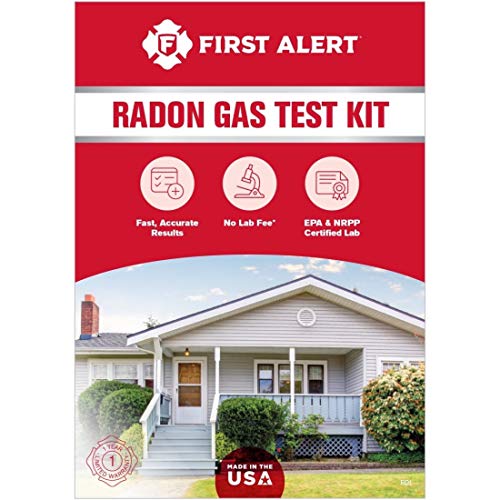 First Alert RD1 Radon Test Kit | Widely stocked; 48-hour charcoal test. | Amazon — $17.95 |
 Airthings Corentium Home | Digital monitor with a long-term average. | Amazon — $99.99 |