Radon Testing in Sheridan, Colorado | InspectandTest
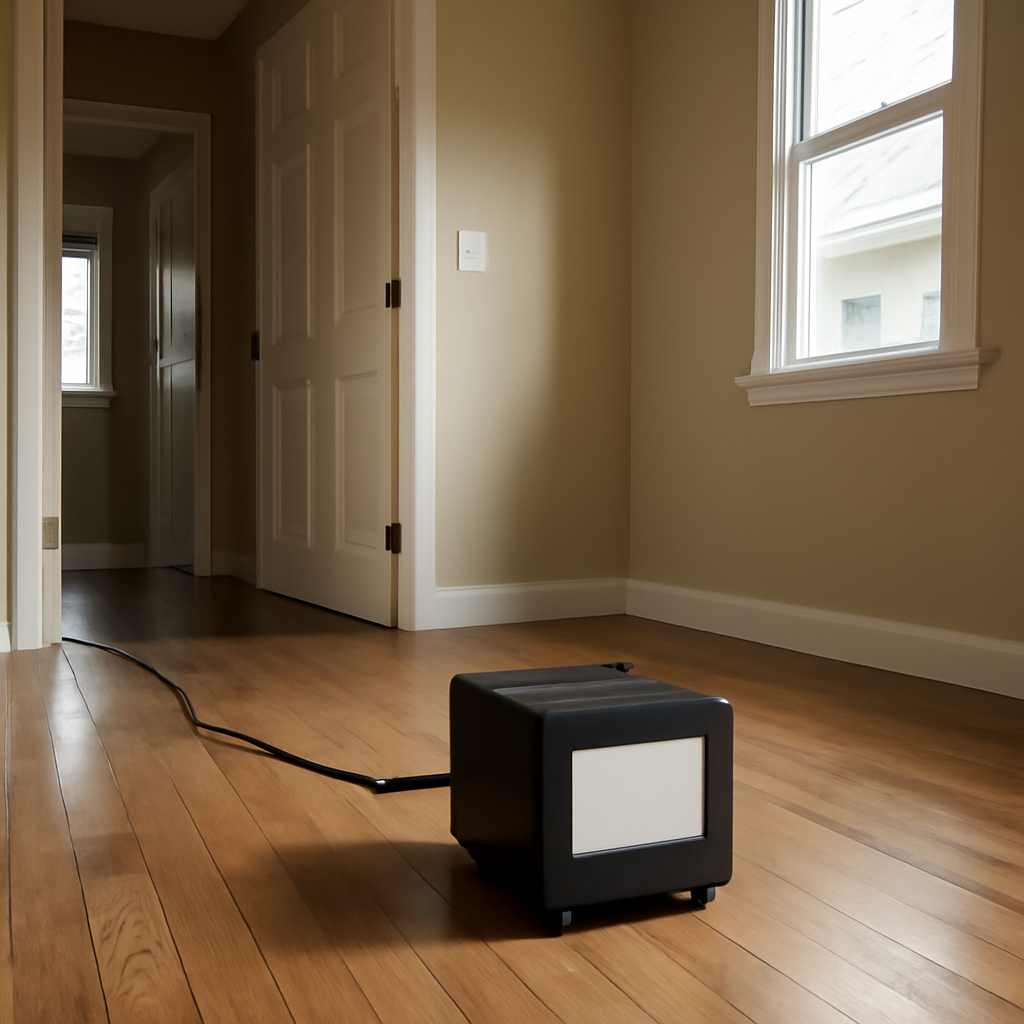
Sheridan sits in EPA Radon Zone 1, the agency’s highest-risk category, where the predicted average indoor level meets or exceeds the 4 pCi/L action threshold. This small Arapahoe County city along the South Platte River and Santa Fe Drive is built mostly of modest 1950s-through-1970s single-family homes and mobile-home parks, many with basements or slab foundations in direct contact with plains soil that carries uranium. Radon is a colorless, odorless radioactive gas and the second-leading cause of lung cancer after smoking. This page explains how radon testing sheridan homeowners should plan, why the local geology and housing demand it, and what testing costs. This summary reflects EPA and CDPHE guidance current as of 2026; consult a certified professional for testing decisions.
Part of our Radon Levels guide — start there for the full picture →
Radon testing in Sheridan: what to know
Radon testing measures the gas that has accumulated inside a home in picocuries per liter (pCi/L). The EPA recommends action at or above 4 pCi/L, and because Sheridan lies in Zone 1, a meaningful share of local homes test at or above that line. Two neighboring homes on the same Sheridan block can read very differently depending on foundation cracks, soil contact, and how the home is heated, so the only way to know your number is to test.
Short-term tests of two to seven days suit real-estate timelines, while long-term tests of ninety days or more average seasonal swings for a fuller exposure picture. For the underlying science and the difference between device types, our plain-language radon guide for Front Range homeowners walks through both approaches before you decide which fits your situation.
Why levels vary so much house to house is worth understanding in a city like Sheridan. Radon depends on the uranium content of the soil directly beneath a foundation, the number and size of slab cracks and utility openings, and how hard the home’s heating system pulls air. Two similar postwar homes one lot apart near South Federal can read 2 pCi/L and 8 pCi/L for exactly these reasons. That variability is why a neighbor’s clean test tells you nothing about your own home, and why radon testing is always an individual-home decision.
Radon also changes over time, so a clean test years ago does not guarantee a clean home today. Foundation settling opens new cracks, a basement conversion changes airflow, and a new high-efficiency furnace alters the pressure that draws soil gas indoors. EPA guidance is to re-test every couple of years and after any major change to the home. For a Sheridan household that finished a basement or replaced a heating system since the last test, a fresh measurement is the only way to know the current level rather than trusting an outdated number.
Why Sheridan homes need radon testing
Geology drives the risk. Radon comes from the natural decay of uranium in soil and rock, and the plains soils beneath the South Platte valley release it readily across Arapahoe County. Sheridan’s dominant housing, postwar single-family homes and converted basements, puts living space in direct contact with that soil, where radon enters through slab cracks, control joints, sump openings, and the gaps around utility penetrations common in older construction.
Climate concentrates it. Colorado winters are cold, so Sheridan homes stay sealed for months and furnaces create slight negative pressure that pulls soil gas indoors. Even homes that run evaporative coolers in summer shut tight in winter, and the lower levels where families add bedrooms or family rooms are exactly where radon collects. Older homes are not exempt; a 1960s home with a fieldstone or block foundation can have many entry paths for soil gas, while a tighter remodeled home traps whatever enters because air exchange with the outdoors is limited.
The basement-conversion pattern is what makes radon a genuine occupancy concern in Sheridan rather than an abstract one. A converted basement bedroom, office, or playroom is both the lowest, most soil-contacted space and a place where people spend hours every day. That combination of maximum soil contact plus maximum time is the worst case for radon exposure. A Sheridan family that finished a basement to gain affordable square footage may have unknowingly created the highest-exposure room in the house, which is exactly why testing the lowest livable level matters here.
What a Sheridan radon test covers
A professional test places a calibrated continuous radon monitor or passive device in the lowest livable level, usually a basement or ground-floor room, under closed-house conditions. The tester documents placement and the closed-house window so the result holds up if it feeds a real-estate negotiation.
Closed-house conditions
For at least twelve hours before and during a short-term test, windows and exterior doors stay closed except for normal entry. This keeps a breezy Colorado afternoon from artificially lowering the reading. If a test comes back at or above 4 pCi/L, the next step is mitigation, detailed in our guide to radon mitigation in Sheridan, which a basement-heavy older home often needs.
Continuous monitors versus passive kits
A continuous radon monitor logs hourly readings, so it can show whether someone opened a window mid-test or whether levels spiked overnight, evidence that protects a buyer from a tampered result. Passive devices like charcoal canisters average exposure and mail to a lab at lower cost. For a Sheridan home sale, the continuous monitor’s tamper detection and hour-by-hour record make it the preferred tool. For a homeowner’s own long-term picture, a passive kit left in place for months gives a more representative annual average.
Radon testing cost in Sheridan
A professional short-term radon test in the Sheridan market typically runs about $135 to $250. A do-it-yourself kit costs roughly $15 to $40 plus lab fees, and CDPHE periodically offers discounted kits to Colorado residents. Bundled into a pre-purchase home inspection, radon testing often adds just $100 to $175 instead of a separate trip charge, which suits the price-conscious buyers common in Sheridan’s affordable market.
Long-term kits sit at the low end on price but tie up months. For a transaction, the documented short-term professional test is standard because it fits inspection deadlines and produces a defensible closed-house result. The regional radon picture is consistent across the south metro, and our Arapahoe County radon testing hub explains how the Zone 1 designation applies county-wide.
Weigh the cost against the protection. The EPA links thousands of lung-cancer deaths a year to radon, and Sheridan’s Zone 1 status puts local exposure risk among the highest in the state. A $200 test that catches an 8 pCi/L basement reading lets a family install a roughly $1,500 mitigation system and cut exposure by 90 percent or more. Skipping the test leaves the risk invisible for as long as the family lives there, and in a modest home where the basement is the bedroom, that invisible risk sits exactly where people sleep.
Where to place the device
Placement determines whether the result reflects real exposure. The device belongs in the lowest level that is or could become living space, set about twenty inches or more above the floor, away from exterior walls, drafts, direct sun, and sumps or floor drains. In a typical Sheridan home that means the finished or convertible basement rather than an unfinished mechanical corner. Testing a space no one occupies understates the exposure a family actually experiences, while testing the lowest livable level captures the worst-case room, the conservative and correct approach for a Zone 1 city.
Season also shapes the reading in Sheridan, which is worth knowing when you plan a test. Winter typically produces the highest radon levels here, because the house is sealed against the cold and the furnace pulls soil gas up through the foundation, so a winter short-term test tends to capture the home near its worst case. A test run during a mild, well-ventilated stretch in spring or fall can read lower simply because the home breathes more, which is why a borderline warm-weather result sometimes warrants a winter follow-up or a long-term kit that averages the year. For a Sheridan family deciding whether to mitigate, understanding that the same home can read differently across seasons helps them weigh a single number correctly rather than treating one short test as the final word on the home’s radon.
Colorado regulations and disclosure
Colorado requires radon disclosure in residential real-estate transactions, and the Seller’s Property Disclosure asks sellers to report known radon results and any existing mitigation system. CDPHE runs the state radon program, references the 4 pCi/L EPA action level, and offers discounted kits to residents. Colorado does not license home inspectors, so for any test tied to a sale, confirm the tester follows recognized national measurement protocols rather than assuming a license guarantees competence.
Disclosure shapes negotiations both ways. A seller who has tested and mitigated can offer a clean post-mitigation result as reassurance, while a seller who has never tested leaves the buyer to discover the number during the contingency, often resulting in a mitigation credit. Buyers in Zone 1 Sheridan should not waive radon testing to sweeten an offer in a competitive affordable market; the modest cost of the test and fix is small against the long-term health stakes of an untreated basement bedroom.
Neighborhoods and areas served
Radon turns up across Sheridan regardless of neighborhood: postwar homes in original Sheridan near South Federal and Santa Fe Drive, the mobile-home parks throughout the city, and converted-basement homes near the South Platte and the River Point district. Service typically extends to adjacent Englewood, Littleton, the Fort Logan area, and nearby Denver, all within the same Zone 1 footprint where elevated readings are common.
Because the regional plains geology that drives radon does not stop at a city line, the Zone 1 designation applies across this whole south-metro area. A 1960s home in Sheridan, a similar home across the line in Englewood, and a converted basement in Fort Logan face the same soil-gas risk. Wherever the home sits in or around Sheridan, treating radon as a default test rather than an optional add-on reflects the reality that the entire area sits in the highest EPA risk zone.
How to choose a Sheridan radon testing provider
Ask whether the provider uses a calibrated continuous radon monitor and follows EPA or AARST protocols. A good tester documents closed-house conditions, device placement, and test duration so the result stands up in a sale. For a Sheridan purchase, bundling radon with the broader structural review is efficient and gives the buyer one coordinated report on both the home and the soil-gas risk.
Confirm the monitor’s calibration is current and, for a purchase, ask the provider to place and retrieve the device themselves rather than handing you a kit, since a tester-administered continuous monitor carries far more weight in a negotiation. If a result comes back borderline, between 2 and 4 pCi/L, a competent provider explains your options, including a follow-up long-term test, rather than pushing an unnecessary mitigation sale. That kind of straight guidance is the mark of a tester worth hiring.
For homeowners not in a transaction, a CDPHE discounted long-term kit is a low-cost way to get a representative annual average and a reasonable first step before bringing in a professional. If that kit comes back at or near the action level, a professional follow-up confirms the result with calibrated equipment before you commit to mitigation. Either path beats not testing at all, since every Sheridan home sits in Zone 1 and the only way to know your number is to measure it.
References
- Radon risk and EPA zone maps — U.S. Environmental Protection Agency
- Colorado radon program and kits — Colorado Department of Public Health and Environment
- Radon and lung cancer — Centers for Disease Control and Prevention
Frequently asked questions
Is Sheridan in a high radon zone?
Yes. Sheridan sits in EPA Radon Zone 1, the highest-risk category, like the rest of Arapahoe County. Every home, especially those with basements or basement bedrooms, should be tested.
What radon level requires action in Sheridan?
The EPA action level is 4 pCi/L. At or above that reading, EPA and CDPHE recommend mitigation. Levels between 2 and 4 pCi/L are still worth considering for reduction.
How much does a radon test cost in Sheridan?
A professional short-term test typically runs $135 to $250, while DIY kits cost about $15 to $40 plus lab fees. CDPHE periodically offers discounted kits to Colorado residents.
Why do Sheridan's basement conversions matter for radon?
Converted basements put bedrooms and living space in direct contact with soil, where radon enters through slab cracks, and they are where families spend time, so radon concentrates exactly where occupancy is highest.
Can two neighboring Sheridan homes have different radon levels?
Yes. Radon depends on soil uranium, foundation cracks, and how the home is heated and sealed, so similar homes a lot apart can read very differently. A neighbor's clean test does not predict yours.
Every Sheridan home sits in EPA Zone 1, so radon testing is basic due diligence, not optional. To connect with a vetted local tester before your purchase deadline or this heating season, get in touch through our contact page.
Test your home for radon
Radon is invisible and odorless, so a test is the only way to know your level. A short-term kit gives a first reading in days; a digital monitor tracks it over time.
| Product | Why | Buy |
|---|---|---|
 AirChek Charcoal Radon Test Kit | Lab fee usually included; EPA short-term protocol. | Amazon — $21.95 |
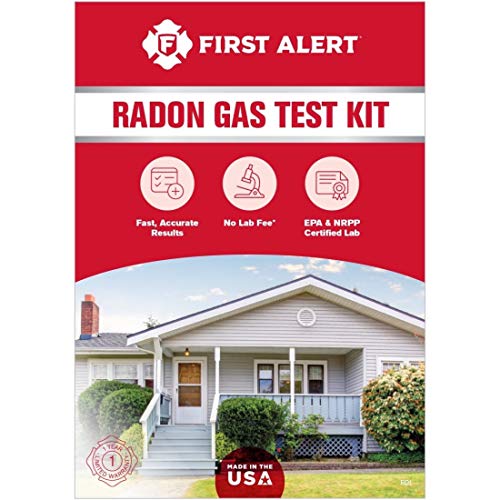 First Alert RD1 Radon Test Kit | Widely stocked; 48-hour charcoal test. | Amazon — $17.95 |
 Airthings Corentium Home | Digital monitor with a long-term average. | Amazon — $99.99 |