Radon Mitigation in Sheridan, Colorado | InspectandTest
Sheridan sits in EPA Radon Zone 1, the highest-risk category, where the predicted average indoor level meets or exceeds the 4 pCi/L action threshold. When a test in this older Arapahoe County city comes back high, radon mitigation is the engineered fix that lowers it. Sheridan’s modest 1950s-through-1970s homes, converted basements, and slab-on-grade construction along the South Platte corridor sit in direct contact with uranium-bearing plains soil, which is why elevated readings are common and why mitigation matters. Radon is a colorless, odorless radioactive gas and the second-leading cause of lung cancer after smoking. This page explains how radon mitigation sheridan homeowners install works, what it costs, and how to choose a contractor. This summary reflects EPA and CDPHE guidance current as of 2026; consult a certified mitigation professional for your home.
Part of our Radon Mitigation Systems guide — start there for the full picture →
Radon mitigation in Sheridan: what to know
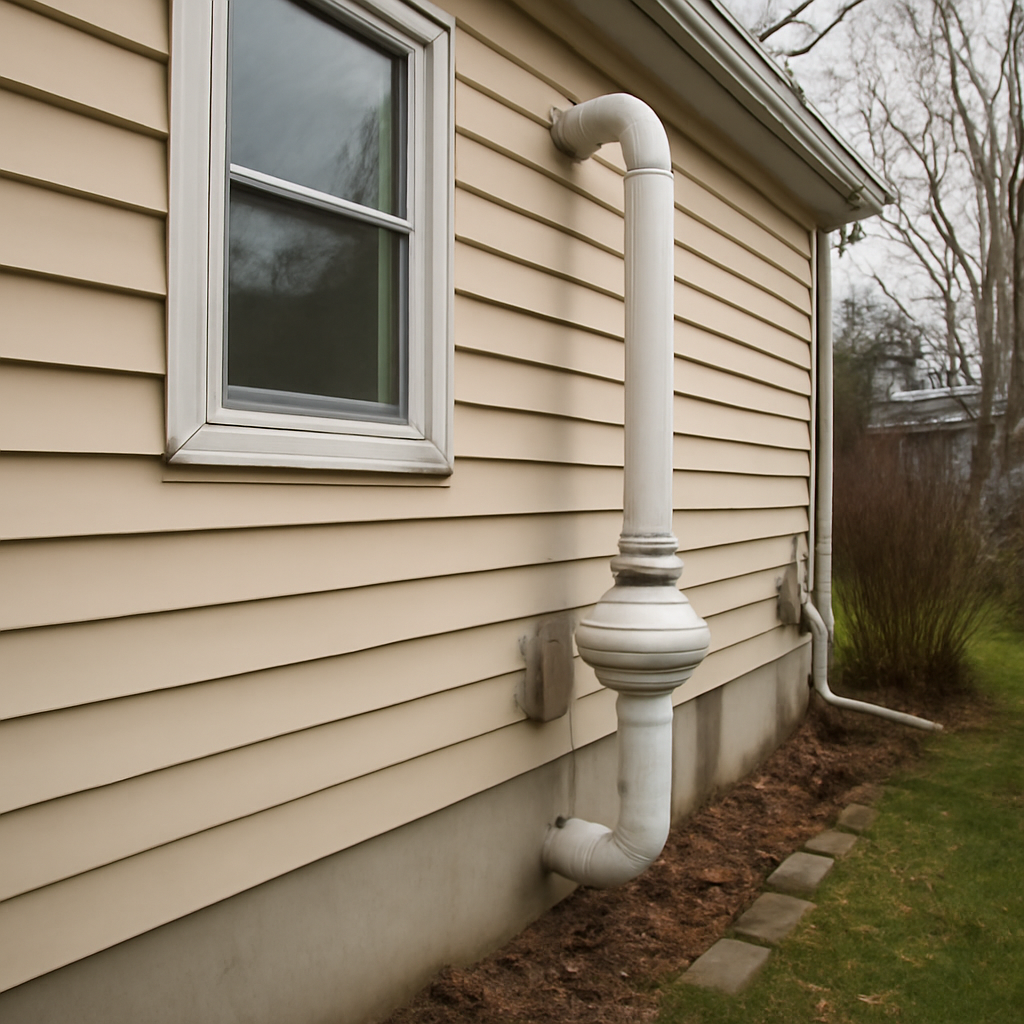
Radon mitigation is a system that reduces indoor radon to a safe level, almost always by stopping soil gas before it enters or by venting it above the roof. The most common and effective method, active soil depressurization, uses a sealed pipe and a continuous in-line fan to draw radon from beneath the foundation slab and discharge it outdoors above the roofline, where it disperses harmlessly. A properly designed system typically brings even high readings well below the 4 pCi/L action level.
Mitigation only makes sense after a confirmed test result, so if you have not yet measured your home, start with radon testing in Sheridan before hiring a mitigation contractor. For the broader science of how radon moves through soil and foundations, our plain-language radon guide for Front Range homeowners explains why depressurization works and when alternative methods apply.
The principle behind active soil depressurization is straightforward once you picture it. Soil gas, including radon, sits under slight pressure beneath a slab and seeps upward through cracks and openings into the lower pressure of a heated home. The system reverses that pressure: the fan creates suction under the slab so soil gas flows into the pipe instead of into the basement, and it carries the gas up and out. Because it addresses the pressure that drives radon indoors rather than just sealing visible cracks, it is far more reliable than caulking alone, which is why EPA guidance treats it as the standard approach.
Not every Sheridan home is identical under the slab, and that shapes the design. A home with a poured slab over gravel responds well to a single suction point, while a home with a tighter soil base or a converted basement carved into older construction may need multiple suction points or a higher-capacity fan to reach the same result. Sub-membrane depressurization handles a crawlspace by sealing a sealed plastic membrane over the soil and drawing radon from beneath it. A competent contractor diagnoses the foundation before quoting, which is why a one-size estimate over the phone should make a Sheridan homeowner cautious.
Why Sheridan homes need radon mitigation
The geology makes high readings likely. Radon comes from uranium decay in soil and rock, and the plains soils beneath the South Platte valley release it readily across Arapahoe County. Sheridan’s housing, postwar single-family homes and mobile-home-park lots with significant slab and basement contact, gives that gas direct entry paths through cracks, control joints, and utility penetrations. In Zone 1, a meaningful share of homes test above the action level, so mitigation is a regular need rather than an exception.
Climate keeps the gas indoors. Cold Colorado winters mean Sheridan homes stay sealed for months, and furnaces create slight negative pressure that actively pulls soil gas up through the foundation. The lower levels where modest homes add affordable bedrooms and family rooms are exactly where radon collects and where people then spend their time. An older home with a block or fieldstone foundation can have many entry paths, while a tightly remodeled home traps whatever enters, so both ends of Sheridan’s housing spectrum can need a system.
The occupancy pattern is what makes mitigation worth doing rather than deferring. In many Sheridan homes the basement is not a storage area but a converted bedroom, the lowest and most soil-contacted space in the house and the place where someone sleeps for eight hours a night. Mitigating that home is not abstract risk reduction; it directly lowers the dose a family breathes in the room they occupy most. For a household living over a Zone 1 slab, an engineered system that cuts radon by 90 percent or more is among the highest-value home-safety investments available.
What a Sheridan radon mitigation system covers
A standard installation includes a sealed suction point through the slab, PVC piping routed to discharge above the roofline, a continuous in-line fan, and a system monitor or manometer that shows the fan is working. The contractor seals major foundation openings to improve performance and labels the system per EPA guidance.
Active soil depressurization
For a slab or basement home, the contractor cores a hole through the slab, excavates a small suction pit, and connects piping to a fan mounted in an attic, garage, or exterior run. The fan pulls soil gas from under the entire slab and vents it up and out. A post-mitigation test confirms the system brought the level below 4 pCi/L, which is the only proof that the design worked for that specific home.
Crawlspace and combination systems
Some older Sheridan homes have a crawlspace or a mixed foundation. There, a sub-membrane system seals a heavy plastic sheet over the crawlspace soil and draws radon from beneath it, sometimes combined with a slab suction point for an addition. These combination designs cost more and require careful sealing, which is another reason foundation-specific diagnosis beats a generic quote.
Sealing and system monitoring
Beyond the suction point and fan, a quality installation seals the major openings where soil gas enters: the sump pit gets an airtight cover, large slab cracks and the gaps around utility penetrations are caulked, and any open crawlspace access is closed off. In an older Sheridan home these openings are often more numerous than in newer construction, so the sealing step does real work to help the fan reach the whole slab. The contractor also installs a visible manometer, a simple U-tube pressure gauge on the pipe, so the homeowner can confirm at a glance that the system is running; if the fluid levels go even, the fan has failed and needs attention. A Sheridan owner should know to check that gauge occasionally, since a quiet fan failure can let radon climb back up without any obvious sign, and the monitor is the early warning that the protective system is still doing its job.
Radon mitigation cost in Sheridan
A typical residential radon mitigation system in the Sheridan market runs about $1,200 to $2,500, with most standard single-family installations landing near the middle of that range. Simpler homes with an accessible slab and a straightforward fan route sit at the low end, while homes needing multiple suction points, a crawlspace membrane, or a difficult exterior run cost more. The price usually includes the post-mitigation verification test.
Against that one-time cost, the system runs on a small continuous fan that adds only modest electricity, plus occasional fan replacement every several years. For a Sheridan homeowner that is a durable fix: once installed and verified, the system protects the home for as long as the fan runs, and the regional radon picture across the county is covered in our Arapahoe County radon mitigation hub.
The value math is strong. The EPA links thousands of lung-cancer deaths a year to radon, and a system that takes a home from, say, 9 pCi/L to under 2 pCi/L removes most of that lifetime exposure for a family. In a modest Sheridan home where the basement is a bedroom, that reduction lands precisely where the exposure is highest. Few home upgrades deliver a comparable health return for the money, which is why EPA and CDPHE treat mitigation as routine for confirmed high readings rather than an optional luxury.
Colorado regulations and disclosure
Colorado requires radon disclosure in residential real-estate transactions, and the Seller’s Property Disclosure asks sellers to report known radon results and any existing mitigation system, including who installed it. A documented, verified system is an asset in a Sheridan sale because it answers the buyer’s radon question before it becomes a negotiation. CDPHE runs the state radon program and references the 4 pCi/L action level.
Colorado does not license home inspectors, and while the state has moved toward recognizing national mitigation credentials, a Sheridan homeowner should confirm the contractor follows recognized AARST or NRPP standards and provides a post-mitigation test. Disclosure works in the seller’s favor when the system is professional and verified, and against a seller who installed an undocumented or unverified system that a buyer’s inspector then questions.
Neighborhoods and areas served
Mitigation needs show up across Sheridan: postwar homes in original Sheridan near South Federal and Santa Fe Drive, mobile-home-park lots, and converted-basement homes near the South Platte and River Point. Service typically extends to adjacent Englewood, Littleton, the Fort Logan area, and nearby Denver, all within the same Zone 1 footprint where elevated readings and mitigation are common.
Because the plains geology driving radon does not respect city lines, a system installed in a 1960s Sheridan home addresses the same soil-gas pressure as one across the line in Englewood or Fort Logan. The foundation type matters more than the zip code: a slab home, a converted basement, and a crawlspace each call for a slightly different design, but all sit over the same Zone 1 soils. Treating mitigation as routine for any confirmed high reading in this area reflects the shared geology.
How to choose a Sheridan radon mitigation contractor
Ask whether the contractor holds a recognized national mitigation credential, diagnoses your specific foundation before quoting, and includes a post-mitigation test in the price. A good installer explains where the suction point will go, how the pipe will route, and what guaranteed result they will stand behind, rather than quoting a flat number sight unseen. For a Sheridan home with a converted basement or a mixed foundation, that diagnosis is what determines whether one suction point or several will do the job.
Be wary of a contractor who skips the under-slab diagnosis or omits the verification test, since without the post-mitigation measurement there is no proof the system worked. A reputable installer guarantees the system will bring the home below 4 pCi/L and returns to adjust it if the first design falls short. They should also label the system, leave a manometer the homeowner can read, and explain the fan’s expected service life.
For a homeowner installing mitigation outside a transaction, the same standards apply: credentialed installer, foundation-specific design, and a confirming test. Once the system is in and verified, periodic re-testing every couple of years confirms it keeps performing, which is the simple maintenance habit that keeps a Sheridan home protected over the long run.
References
- Radon mitigation and reduction guidance — U.S. Environmental Protection Agency
- Colorado radon program — Colorado Department of Public Health and Environment
- Radon and lung cancer — Centers for Disease Control and Prevention
Frequently asked questions
How much does radon mitigation cost in Sheridan?
A typical residential system runs about $1,200 to $2,500, with most standard single-family installations near the middle. Crawlspace membranes or multiple suction points push the cost higher. The price usually includes a post-mitigation test.
How does a radon mitigation system work?
The most common method, active soil depressurization, uses a sealed pipe and continuous fan to draw radon from beneath the slab and vent it above the roof, reversing the pressure that pulls soil gas into the home.
Do I need a test before mitigation in Sheridan?
Yes. Mitigation should follow a confirmed test at or above 4 pCi/L. Start with a professional radon test, then hire a credentialed mitigation contractor if the result warrants it.
Will mitigation work on an older Sheridan basement?
Yes, but the design depends on the foundation. Older block or converted basements may need multiple suction points or extra sealing. A contractor should diagnose the foundation before quoting and verify the result with a post-mitigation test.
Does a radon system add value when selling in Sheridan?
It can. Colorado disclosure asks sellers to report radon results and mitigation systems, so a documented, verified system answers the buyer's radon question up front and removes a common negotiation point.
A confirmed high reading over a Zone 1 slab is exactly the case mitigation was built for. If you are in Sheridan or the south Denver metro and want to connect with a vetted mitigation contractor who will diagnose your foundation and verify the result, reach out through our contact page.
Test your home for radon
Radon is invisible and odorless, so a test is the only way to know your level. A short-term kit gives a first reading in days; a digital monitor tracks it over time.
| Product | Why | Buy |
|---|---|---|
 AirChek Charcoal Radon Test Kit AirChek Charcoal Radon Test Kit | Lab fee usually included; EPA short-term protocol. | Amazon — $21.95 |
 First Alert RD1 Radon Test Kit First Alert RD1 Radon Test Kit | Widely stocked; 48-hour charcoal test. | Amazon — $16.98 |
 Airthings Corentium Home Airthings Corentium Home | Digital monitor with a long-term average. | Amazon — $147.14 |