Radon Mitigation in Arvada, Colorado | InspectandTest
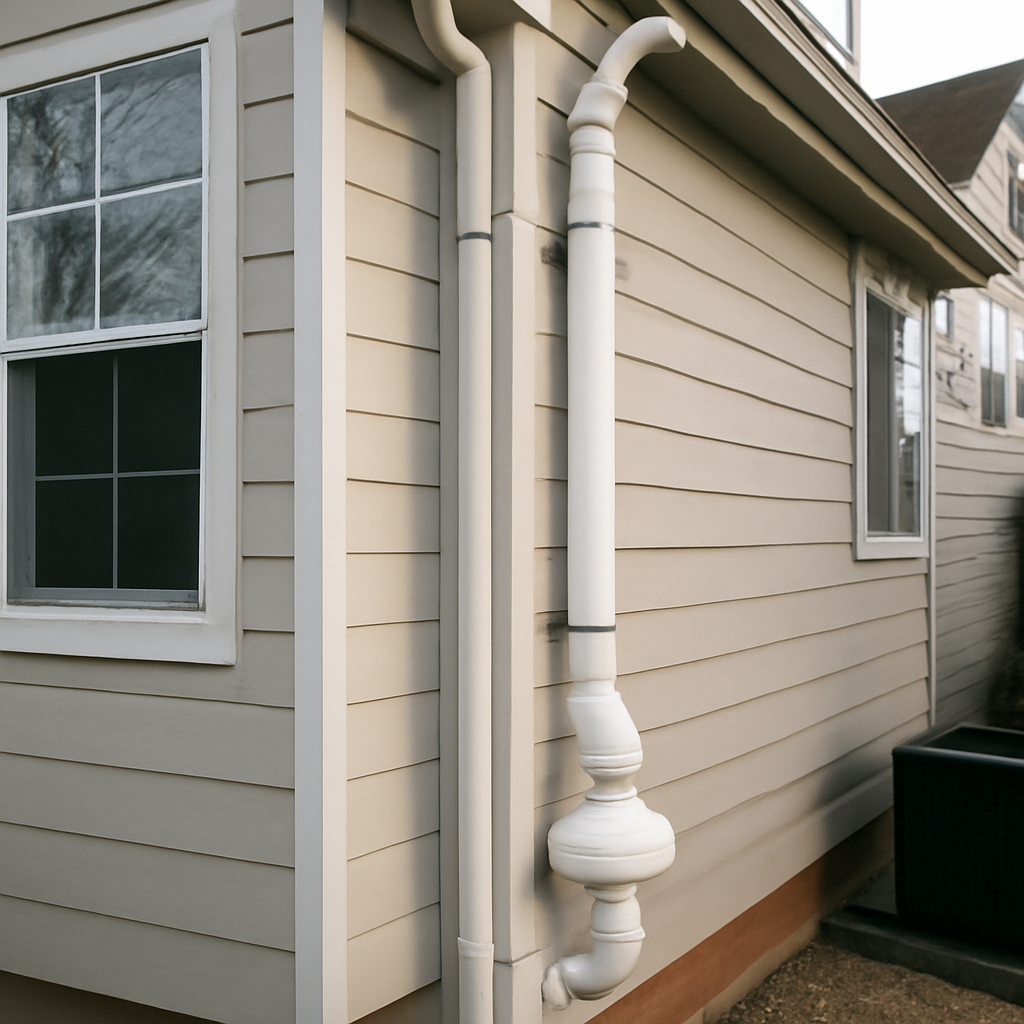
Arvada sits squarely in EPA Radon Zone 1, the agency’s highest-risk category, where the predicted average indoor reading meets or exceeds the 4 pCi/L action threshold. The city straddles Jefferson County with a sliver in Adams, and its western edge presses up against the foothills near Golden and Leyden, where uranium-bearing geology pushes soil-gas levels higher than the flatland average. Radon is a colorless, odorless radioactive gas and the second-leading cause of lung cancer after smoking. This page explains how radon mitigation arvada families should approach, what a system looks like, and what it costs. This summary reflects EPA and CDPHE guidance current as of 2026; consult a certified professional for design and installation.
Part of our Radon Mitigation Systems guide — start there for the full picture →
Radon mitigation in Arvada: what to know
Mitigation is the engineered fix that follows a test result at or above 4 pCi/L. The standard approach for Front Range homes is active soil depressurization, a system that uses a sealed suction pipe and an inline fan to draw radon out from beneath the slab and vent it above the roofline before it can enter living space. A properly designed system routinely cuts indoor radon by 90 percent or more.
Testing comes first, mitigation second. If your home has not been measured yet, our plain-language radon guide for Front Range homeowners explains the test methods that produce a defensible number, and the sibling radon testing in Arvada page covers local testing specifics. You mitigate to a target, so a documented pre-mitigation reading matters.
Arvada’s western proximity to the foothills is the local wrinkle. Homes in Leyden Rock and the newer Candelas development sit closer to the uranium-bearing rock that feeds radon into soil gas, which is why some west Arvada subdivisions post readings well above the citywide norm. A system sized for a 5 pCi/L home may be undersized for a foothill-edge house testing at 12 pCi/L, so design has to match the measured level rather than a one-size template.
Why Arvada homes need radon mitigation
Geology drives it. Radon comes from the natural decay of uranium in soil and rock, and Arvada’s location along the foothills transition zone, near Golden and the Leyden area, places many homes over formations that release radon readily. The Front Range’s uranium-bearing rock is well documented, and Jefferson County’s Zone 1 status reflects that underlying risk.
Housing stock concentrates it. Arvada mixes 1870s-era brick homes in Olde Town with sprawling post-1960s suburban tracts across west Arvada, and both styles put living space in contact with soil. Finished basements in Lake Arvada and Westwoods are exactly the lower-level rooms where families spend time and where radon collects once it enters through slab cracks and control joints.
Climate seals it in. Colorado winters keep homes closed for months, and furnaces create slight negative pressure that pulls soil gas indoors. The Ralston Creek and Clear Creek corridors add localized moisture that can open soil pathways. A finished basement playroom in a Candelas home is both the lowest, most soil-contacted space and a place of daily occupancy, the worst-case combination for radon exposure, which is why mitigation is treated as a default fix here rather than an optional upgrade.
What an Arvada radon mitigation system covers
A sub-slab depressurization system is the workhorse. The installer cores a hole through the basement slab, excavates a small suction pit beneath it, and runs sealed PVC pipe up through the home or along an exterior wall to a fan mounted in an unconditioned space, the attic or outside. The fan runs continuously, pulling radon-laden air from under the foundation and discharging it above the roofline.
Sealing and the manometer
Before the fan goes in, the installer seals visible slab cracks, the sump lid, and floor-wall joints so the system pulls from the soil rather than from conditioned indoor air. A U-tube manometer mounted on the pipe shows the pressure differential at a glance, so a homeowner can confirm the fan is working months later. If the liquid columns sit level, the fan has likely failed and needs attention.
Post-mitigation testing
No install is finished until a follow-up test confirms the result. After the system runs for at least 24 hours, a fresh measurement should show radon well below 4 pCi/L, ideally close to outdoor background. A reputable Arvada installer builds this confirmation test into the job and provides documentation, which matters if the home later sells and a buyer asks for proof the system performs.
Radon mitigation cost in Arvada
A typical residential active soil depressurization system in the Arvada market runs about $1,200 to $2,500, with most straightforward basement homes landing near $1,500. Price climbs with complications: a home over a crawl space needs a sealed membrane and sub-membrane suction, multiple foundation zones may need more than one suction point, and a long pipe run to reach the roofline adds material and labor.
Foothill-edge homes in Leyden Rock or Candelas that test very high sometimes need a second suction point or a stronger fan, nudging cost toward the upper end. Even so, the math favors the fix. A roughly $1,500 system that takes a 10 pCi/L finished basement down to under 2 pCi/L cuts exposure by 80 percent or more for the life of the home, a small investment against the lung-cancer risk the EPA ties to long-term radon exposure.
Ongoing cost is modest. The fan draws roughly the power of a low-wattage light bulb and may need replacement every several years at a few hundred dollars, and the manometer makes monitoring free. Compared with the one-time install, lifetime operating cost is minor, which is part of why mitigation is considered a permanent solution rather than a recurring expense.
For a home sale, mitigation cost is frequently shared. When a pre-purchase radon test on an Arvada home comes back at or above 4 pCi/L, buyers commonly negotiate a mitigation credit or ask the seller to install a system before closing, so the expense becomes part of the transaction rather than a surprise the new owner absorbs alone. A seller who proactively mitigates a high-reading Olde Town or Leyden Rock home and documents the post-mitigation result removes a common point of friction from the deal. Either way, the cost is finite and one-time, and once a documented system is in place the radon question is settled for the life of the home, which is why mitigation is treated as resolving the issue permanently rather than managing it indefinitely.
Colorado regulations and disclosure
Colorado requires radon disclosure in residential real-estate transactions, and the Seller’s Property Disclosure asks sellers to report known radon results and any existing mitigation system. A documented, professionally installed system is a selling point because it answers the buyer’s radon question before it becomes a negotiation. CDPHE runs the state radon program, references the 4 pCi/L EPA action level, and maintains guidance on mitigation standards.
Colorado does not license home inspectors, and while the state has moved toward radon professional credentialing, the practical safeguard is to hire a mitigator who follows national installation standards such as ANSI/AARST. Permitting can apply, so a local installer should know Arvada and Jefferson County requirements for electrical and venting work. A system installed to standard, documented, and confirmed with a post-mitigation test holds up under the scrutiny a home sale invites.
Neighborhoods and areas served
Mitigation demand spans Arvada. The historic brick homes of Olde Town Arvada, founded in the 1870s, often sit over older foundations with more soil pathways, while the suburban tracts of Lake Arvada and Westwoods present standard basement installs. The newer foothill-edge developments, Leyden Rock and Candelas, are where the highest readings tend to cluster because of proximity to uranium-bearing geology near Golden and Leyden.
Service typically extends to adjacent Wheat Ridge, Westminster, and Golden, all within the same Zone 1 footprint where elevated readings are common. The sibling radon mitigation in Westminster page covers that neighboring market. Because Arvada spans Jefferson and a corner of Adams County, both under Zone 1, the soil-gas risk does not stop at a municipal or county line, and a high reading anywhere in the city warrants the same engineered response.
How to choose an Arvada radon mitigation provider
Ask whether the installer follows ANSI/AARST mitigation standards, seals the slab and sump before installing the fan, and includes a post-mitigation confirmation test in the quoted price. A good provider explains where the suction point will go, why the pipe routes the way it does, and what the manometer reading should look like once the system runs.
Get the pre-mitigation number documented and ask for a written guarantee that the system will bring the home below 4 pCi/L, with a re-engineering plan if the first attempt falls short on a high-reading foothill home. Bundling mitigation planning with a full home inspection in Arvada can be efficient for buyers who want one coordinated view of the structure and the soil-gas risk.
Be wary of any provider who skips the confirmation test or quotes a fix without seeing a measured level. Mitigation is engineered to a target, and a system designed without a number is guesswork. The mark of a competent Arvada mitigator is straightforward: a documented before reading, a standards-based install, and a documented after reading that proves the system did its job.
References
- Consumer’s guide to radon reduction — U.S. Environmental Protection Agency
- Colorado radon program and mitigation guidance — Colorado Department of Public Health and Environment
- Radon and lung cancer risk — Centers for Disease Control and Prevention
Frequently asked questions
Does Arvada need radon mitigation more than other Front Range towns?
Arvada sits in EPA Radon Zone 1, and its western edge near the Golden and Leyden foothills overlies uranium-bearing geology that can push readings higher. Homes there sometimes post elevated levels, so mitigation is common citywide.
How much does radon mitigation cost in Arvada?
A typical active soil depressurization system runs about $1,200 to $2,500, with most basement homes near $1,500. Crawl spaces, multiple foundation zones, or very high readings can raise the price.
Will a radon system bring my Arvada home below 4 pCi/L?
A properly designed active soil depressurization system usually cuts radon by 90 percent or more. A reputable installer confirms the result with a post-mitigation test, and high-reading foothill homes may need a second suction point.
Do I have to disclose radon mitigation when selling in Arvada?
Yes. Colorado's Seller's Property Disclosure asks sellers to report known radon results and any mitigation system. A documented professional install is a selling point, since it answers the buyer's radon question up front.
If your Arvada home has tested at or above 4 pCi/L, a properly engineered mitigation system is the proven fix. To connect with a vetted local installer who follows AARST standards and confirms the result, get in touch through our contact page.
Test your home for radon
Radon is invisible and odorless, so a test is the only way to know your level. A short-term kit gives a first reading in days; a digital monitor tracks it over time.
| Product | Why | Buy |
|---|---|---|
 AirChek Charcoal Radon Test Kit AirChek Charcoal Radon Test Kit | Lab fee usually included; EPA short-term protocol. | Amazon — $21.95 |
 First Alert RD1 Radon Test Kit First Alert RD1 Radon Test Kit | Widely stocked; 48-hour charcoal test. | Amazon — $16.98 |
 Airthings Corentium Home Airthings Corentium Home | Digital monitor with a long-term average. | Amazon — $142.99 |