Radon Testing Denver: What Homeowners Know
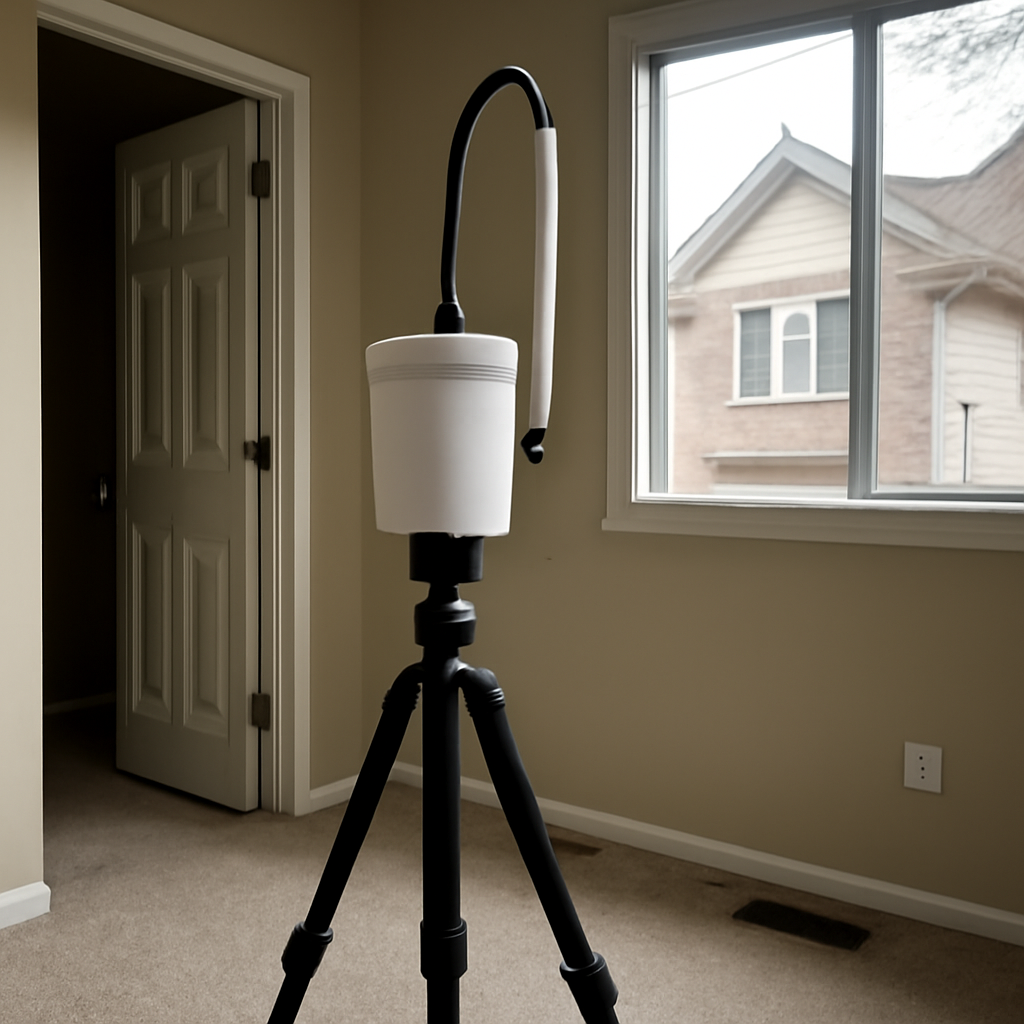
Few cities have a stronger case for routine radon testing than Denver. The metro and surrounding Front Range counties sit in an EPA high-radon zone, and a large share of homes here test above the level at which the EPA recommends action. Radon testing in Denver is not an optional nicety; it is a basic step in protecting household health. This guide explains how to test, when, what it costs, and how to read the results. The information summarizes EPA and Colorado state guidance current as of 2026 for general education; consult a certified professional for mitigation decisions.
Part of our Radon Levels guide — start there for the full picture →
Why radon testing matters in Denver
The Colorado Department of Public Health and Environment places nearly all of the Denver metro in EPA Zone 1, the highest radon-potential category, with a predicted average indoor level above the action threshold. State data indicates a substantial portion of Colorado homes test at or above 4 picocuries per liter, the level at which the EPA recommends fixing the home.
Radon is a colorless, odorless radioactive gas and the second-leading cause of lung cancer in the United States after smoking. You cannot detect it without testing. For Denver, Aurora, Lakewood, and surrounding Adams, Arapahoe, Douglas, and Jefferson county homes, testing is the only way to know your exposure. The Colorado radon testing hub provides the regional context.
How to test for radon in Denver
Homeowners have several reliable testing options, ranging from inexpensive kits to professional measurement.
Short-term test kits
Charcoal canister and similar short-term kits sit in the home for two to seven days under closed-house conditions, then go to a lab. They are cheap and widely available, making them a common first step for Denver homeowners screening their homes.
Long-term test kits
Alpha-track kits remain in place for 90 days or longer and capture a more representative average across changing conditions. They better reflect year-round exposure, which matters given Denver’s seasonal heating patterns.
Continuous and professional testing
Electronic continuous radon monitors and professional measurement services provide detailed, tamper-resistant results, often preferred for real estate transactions. The guide on a radon house test walks through choosing among these methods.
When should Denver homeowners test?
The EPA recommends every home be tested, and that homes be retested periodically and after major changes. In Denver, key moments to test include buying or selling a home, after finishing a basement, after foundation work, after installing or changing a heating system, and if a previous test was borderline.
Winter is a common testing window because closed-house conditions during cold months tend to show higher, more conservative levels. Since radon fluctuates, a single test is a snapshot; periodic retesting, ideally every couple of years, keeps your picture current. Real estate transactions almost always involve a radon test in the Denver market given the area’s reputation.
What radon testing costs in Denver
Costs vary by method. Short-term mail-in kits are the least expensive, often a modest one-time cost including lab analysis. Long-term kits cost a bit more for the extended measurement. Professional testing with a continuous monitor, common in real estate deals, costs more but includes setup, retrieval, and a documented report.
Given Denver’s elevated radon, the cost of testing is trivial compared with the health stakes and the cost of ignoring a high level. Many buyers fold radon testing into the home inspection. The guide on getting a radon test with your home inspection explains how that bundling works.
Closed-house conditions and accurate testing
Accurate short-term testing requires closed-house conditions. The EPA advises keeping windows and exterior doors closed except for normal entry and exit, beginning 12 hours before and throughout a short-term test. Run heating and cooling normally, but avoid whole-house fans and prolonged ventilation that would skew results low.
Place the test device in the lowest livable level, such as a basement or used first floor, a couple of feet off the floor, away from drafts, exterior walls, and high humidity. Following these conditions matters in Denver, where many tests are tied to transactions and must be defensible. Tampering with conditions during a real estate test can invalidate it.
Understanding your Denver test results
Results come back in picocuries per liter. The EPA recommends fixing the home if the level is 4 picocuries per liter or higher, and suggests considering action between 2 and 4, since no level of radon is risk-free. Many Denver homes land at or above the action level given the regional geology.
A high short-term result is a signal to confirm and act, not to panic. Follow up with a second test or a longer-term measurement, then consult a certified radon professional about mitigation. The guide on what level of radon is dangerous explains how to interpret the number in context.
What happens if your Denver home tests high
An elevated result means mitigation is the next step, and the good news is that it works. A sub-slab depressurization system, the standard solution, vents radon from beneath the foundation to above the roofline, typically reducing levels well below the action threshold.
Choose a contractor certified through a national radon proficiency program, and confirm the work with a post-mitigation test. Many Denver homes already have mitigation systems, and installing one is routine for local radon contractors. After mitigation, periodic retesting confirms the system keeps levels low through Colorado’s seasonal swings.
Why Denver geology produces high radon
The Front Range sits on soils and rock formations that contain uranium, which decays naturally over time and produces radon gas. As radon forms underground, it migrates upward through soil and rock and enters homes through foundation cracks, slab penetrations, sump pits, and gaps around pipes. The pressure difference between the warm interior of a heated home and the cooler soil draws the gas inward.
Denver’s geology, combined with the region’s building practices and long heating season, creates ideal conditions for radon accumulation. Basements, common in Front Range homes, sit in direct contact with the soil where radon originates, which is why they often show the highest readings. Understanding this helps explain why radon is so prevalent here and why testing is not optional in the metro. The guide on how radon gets into homes details these entry pathways.
Radon testing during a Denver home purchase
Radon testing is a routine part of Denver real estate transactions, and for good reason. Buyers commonly include a radon test in the inspection contingency, giving them the option to negotiate mitigation or a price adjustment if levels are high. Because so many Front Range homes test elevated, sellers and buyers alike expect radon to come up.
For transactions, a professional or continuous-monitor test under controlled conditions is preferred over a simple kit, since the result may drive negotiation and must be defensible. If the test exceeds the action level, buyers often request that the seller install a mitigation system before closing, or credit the cost. Many Denver homes already have systems from prior transactions, which buyers should verify still function.
Common mistakes that skew Denver radon tests
Several errors can produce misleading results. The most common is failing to maintain closed-house conditions during a short-term test, which lets fresh air dilute radon and understate the level. Opening windows, running whole-house fans, or leaving doors open invalidates the measurement.
Placing the device incorrectly is another pitfall: positioning it too close to a window, in a draft, in high humidity, or on the floor rather than a couple of feet up can distort readings. Testing only in summer, when homes are more ventilated, may show artificially low levels compared with winter. For the most reliable picture in Denver’s climate, test under proper conditions, ideally during the heating season, and confirm any elevated result with a follow-up before acting.
Radon testing as a Denver homeowner habit
Because elevated radon is common rather than rare across the Denver metro, treating testing as a recurring habit makes sense. Test now if you never have, retest every few years, and always test after finishing a basement or doing foundation work. A continuous monitor offers ongoing reassurance between formal tests.
The combination of an initial test, action when warranted, and periodic follow-up protects your household over the long run. In a high-radon region like Denver, that small ongoing effort is one of the more cost-effective health steps a homeowner can take.
Short-term versus long-term testing in Denver
Choosing between a short-term and long-term test depends on your goal. A short-term test, lasting two to seven days, gives a quick answer and is common for real estate transactions where time is limited. Its drawback is that it captures only a brief window, and Denver’s radon can vary with weather and season, so a single short-term reading may not represent the yearly average.
A long-term test, running 90 days or more, produces a more representative average across changing conditions. For a homeowner who is not under transaction time pressure and wants the truest picture of exposure, a long-term test is more reliable. Many Denver homeowners use a short-term test for an initial screen or transaction, then a long-term test or continuous monitor for a fuller understanding. The two approaches answer slightly different questions, and using them together gives the most complete picture.
What it costs to address radon in Denver
If a Denver home tests high, mitigation is the remedy, and the cost is modest relative to the health benefit. A typical sub-slab depressurization system falls within a common range of several hundred to a couple thousand dollars, depending on the foundation and complexity. The continuously running fan adds a small ongoing electricity cost.
Given how common elevated radon is across the Front Range, many Denver-area contractors install these systems routinely, and many homes already have them. Buyers should verify an existing system functions and confirm the radon level afterward. Weighed against the lung-cancer risk that sustained high radon carries, mitigation is one of the more cost-effective health investments a Denver homeowner can make. The guide on the cost of radon mitigation in a basement breaks down the pricing variables.
Testing rentals and multifamily buildings in Denver
Radon is not just a single-family concern in the Denver area. Apartments, condos, and multifamily buildings can have elevated radon too, especially ground-floor and basement units in direct contact with the soil. Renters often assume radon is the landlord’s responsibility, and while building owners may handle testing and mitigation, renters can still test their own unit for peace of mind.
For ground-level and basement units, testing is particularly worthwhile given the Front Range’s elevated radon. Upper-floor units generally see lower levels, since radon dissipates as it rises away from the soil. Condo owners can test like any homeowner, while renters may use an inexpensive kit to check their living space. Anyone with a high result should raise it with the property owner and confirm with follow-up testing before deciding on next steps.
Making radon testing routine in your home
Because elevated radon is so common across the Denver metro, the most sensible approach is to treat testing as a recurring part of home maintenance rather than a one-time event. Test now if you never have, retest every couple of years, and always test after finishing a basement, doing foundation work, or making major changes to the home’s heating or ventilation.
A continuous electronic monitor offers ongoing awareness between formal tests, catching seasonal spikes and confirming any mitigation system keeps working. For Denver homeowners, this combination of an initial accurate test, action when levels are high, and periodic follow-up forms a complete, low-effort approach to managing a hazard that the region’s geology makes unusually common. The small ongoing effort buys lasting protection for the household.
References
- A Citizen’s Guide to Radon — U.S. Environmental Protection Agency
- Radon in Colorado — Colorado Department of Public Health and Environment
- Radon and Lung Health — American Lung Association
Frequently asked questions
Why is radon testing important in Denver?
Nearly all of the Denver metro sits in EPA Zone 1, the highest radon-potential category, and a substantial share of Colorado homes test at or above 4 picocuries per liter. Radon is odorless and the second-leading cause of lung cancer, so testing is the only way to know your exposure.
How do I test for radon in Denver?
You can use a short-term charcoal kit for a quick snapshot, a long-term alpha-track kit for a 90-day average, or a continuous monitor and professional service often preferred for real estate. Place the device in the lowest livable level under closed-house conditions.
What radon level requires action in Denver?
The EPA recommends fixing a home at 4 picocuries per liter or higher and suggests considering action between 2 and 4. Many Denver homes reach the action level given the regional geology, so a high result is common and treatable.
Does fixing high radon in Denver work?
Yes. A sub-slab depressurization system vents radon from beneath the foundation to above the roofline and typically reduces levels well below the action threshold. Use a certified contractor and confirm with a post-mitigation test.
If your Denver-area home tests high or you want testing arranged before a purchase, you can reach a vetted local radon professional through our contact page.
Test your home for radon
Radon is invisible and odorless, so a test is the only way to know your level. A short-term kit gives a first reading in days; a digital monitor tracks it over time.
| Product | Why | Buy |
|---|---|---|
 AirChek Charcoal Radon Test Kit AirChek Charcoal Radon Test Kit | Lab fee usually included; EPA short-term protocol. | Amazon — $21.95 |
 First Alert RD1 Radon Test Kit First Alert RD1 Radon Test Kit | Widely stocked; 48-hour charcoal test. | Amazon — $16.98 |
 Airthings Corentium Home Airthings Corentium Home | Digital monitor with a long-term average. | Amazon — $142.99 |