Professional Radon Tester: When to Hire One

A professional radon tester brings certified equipment, standardized protocols, and documentation that a do-it-yourself kit cannot match. For many homeowners a quality DIY kit is enough, but real estate transactions, conflicting results, and high-stakes decisions often call for a credentialed professional. Colorado’s Front Range sits in a high radon-potential zone, which makes getting the test right especially important. This guide summarizes EPA and CDPHE guidance current as of 2026 and is educational only; consult a certified professional for testing and mitigation, and your physician about health concerns.
Part of our Radon Levels guide — start there for the full picture →
What a Professional Radon Tester Does
A professional radon tester measures indoor radon using calibrated, professional-grade equipment, most often a continuous radon monitor that logs readings over the test period. They place the device according to established protocols, control for conditions that can skew results, and produce a report documenting the measurement and the circumstances of the test.
The result is reported in picocuries per liter, or pCi/L, against the EPA’s 4 pCi/L action level. The professional’s value lies not only in the instrument but in the disciplined process: correct placement, verification of closed-house conditions, and a defensible record. That rigor is what makes professional results carry weight in transactions and disputes.
The instruments themselves also differ from consumer devices in meaningful ways. Professional continuous monitors record temperature, humidity, barometric pressure, and motion alongside radon, which lets the tester detect whether closed-house conditions were broken or the device was moved during the measurement. That supplementary data is part of why a professional report is harder to dispute than a single number from a passive kit, since it documents the conditions under which the reading was taken.
It is worth noting that “professional radon tester” can refer both to a certified person and, in casual usage, to a professional-grade device. This guide focuses on the credentialed professional, because the device alone, however sophisticated, does not supply the protocol, judgment, and documentation that give a measurement its credibility. A continuous monitor in untrained hands can still be placed wrong or run under broken closed-house conditions. The professional is what ties the equipment to a trustworthy result.
When DIY Testing Is Enough
For a homeowner simply wanting to know their level, a quality DIY kit is often perfectly adequate. Charcoal canisters, alpha-track detectors, and consumer continuous monitors all give reliable readings when used correctly. For an initial screen with no deadline or dispute, there is no need to hire out.
DIY makes sense when the homeowner controls the property, has time to follow the protocol, and is not relying on the result for a contract or legal purpose. In those low-stakes cases, the savings are real and the accuracy is sufficient. Our comparison of professional radon testing versus DIY spells out where each fits.
The key condition is that the homeowner can be trusted to follow the protocol honestly, which is reasonable when testing one’s own home for one’s own information. The protocol’s demands, correct placement, sustained closed-house conditions, prompt handling, are entirely manageable for a motivated homeowner. Where DIY breaks down is not in the accuracy of the kits but in situations where an interested party administers the test, or where a contract requires a neutral, documented measurement that a self-run kit cannot provide.
When to Hire a Professional
Certain situations tip the balance toward a credentialed tester.
Real Estate Transactions
Buying or selling a home is the most common reason. A neutral, professional test with tamper-resistant equipment provides documentation both parties can trust, which a self-administered kit cannot. Many transactions specify a professional measurement for exactly this reason.
Conflicting or Borderline Results
When two DIY kits disagree, or a reading hovers near the 4 pCi/L action level, a professional test with a continuous monitor settles the question with hour-by-hour data.
Post-Mitigation Verification
After a radon mitigation system is installed, a professional test confirms it actually brought levels down. An independent professional measurement is the most credible way to verify the work.
Complex Homes
Large homes, additions, or unusual foundations can complicate placement decisions. A professional knows how to test multiple zones and interpret the results correctly.
Verifying Credentials
Not everyone advertising radon testing is certified. The two recognized national certification programs are the National Radon Proficiency Program (NRPP) and the National Radon Safety Board (NRSB). A credible tester holds certification from one of these and can provide a certification number you can verify.
Colorado has also moved toward state-level regulation of radon professionals, so checking current CDPHE requirements is worthwhile before hiring. Ask whether the tester’s equipment is calibrated and how recently, since accuracy depends on properly maintained instruments. A professional who welcomes these questions and provides documentation is the kind worth hiring. Our broader hub on radon testing for Front Range homeowners covers how credentials fit the wider picture.
What the Process Looks Like
A professional test typically begins with a brief consultation about the home and the reason for testing. The tester places a continuous monitor in the lowest regularly used level, advises on maintaining closed-house conditions, and leaves the device for the required window, often 48 hours or more. They then retrieve the monitor, download the data, and deliver a report.
Because continuous monitors log readings throughout, the report shows not just an average but the pattern over time, which helps distinguish a genuine elevated level from a brief spike. This transparency is part of what justifies the cost over a passive kit, especially when the result will drive a major decision.
Cost Considerations
Professional radon testing generally costs more than a DIY kit, with fees framed here as typical industry estimates rather than fixed quotes. A standalone professional radon measurement commonly runs from about $125 to $250, depending on the market and whether it is bundled with a home inspection. When part of a real estate inspection package, the incremental cost is often lower.
Weighed against the price of a home and the long-term health risk radon poses, professional testing in a high-stakes scenario is a modest expense. The decision is less about cost and more about whether the situation demands the documentation and rigor only a professional provides.
Why Radon Demands Accuracy in Colorado
The case for getting radon measurement right is especially strong along the Front Range. Colorado’s geology places much of the state in the EPA’s highest radon-potential zone, so the odds that a given home has elevated levels are higher here than in many other regions. A measurement that is off, whether too high or too low, carries real consequences for health and for the money spent responding to it.
An inaccurately low reading is the more insidious error, because it offers false reassurance and leaves a genuine hazard unaddressed. Radon’s health risk accumulates over years of exposure, so a missed elevated level can quietly raise a household’s lung cancer risk long before anyone realizes the measurement was wrong. The invisible, long-term nature of the threat is exactly what makes accuracy matter.
An inaccurately high reading causes a different problem: unnecessary spending on mitigation that was not needed. A professional measurement, with its calibrated equipment and disciplined protocol, reduces both kinds of error. In a region where elevated radon is common, paying for that accuracy in a high-stakes situation is a reasonable investment in both health and financial peace of mind.
What Sets Professional Results Apart
The difference between a professional measurement and a DIY kit is not only the instrument but the surrounding rigor. A professional follows a documented protocol for device placement, confirms and records closed-house conditions, and notes anything that could affect the reading. That discipline produces a result that holds up to scrutiny in a way a self-administered kit rarely does.
Continuous monitors used by professionals also log readings throughout the test rather than producing a single averaged number. This time-stamped record reveals whether radon stayed steadily elevated or merely spiked briefly, and it can detect tampering, such as a window opened during a real estate test. Those features matter when the result will influence a contract or a dispute.
Calibration is the final piece. Professional instruments are calibrated on a schedule, and a reputable tester can document when their device was last calibrated. A DIY kit offers no comparable assurance of instrument accuracy beyond the lab’s own quality control. For high-stakes decisions, this combination of protocol, logging, and calibration is what justifies hiring out.
Questions to Ask Before Hiring
A short conversation reveals whether a tester is worth hiring. Asking the right questions protects against paying for a measurement that will not hold up when it counts.
- Are you certified through NRPP or NRSB, and can you provide your certification number?
- Does Colorado require licensing for radon professionals, and do you meet the current requirement?
- What equipment will you use, and when was it last calibrated?
- How long will the test run, and what closed-house conditions do you need me to maintain?
- Will the written report include the full data log, not just a single number?
- If this is a post-mitigation test, are you independent of the company that installed the system?
The last question matters for objectivity. An independent tester verifying someone else’s mitigation work has no incentive to report a favorable result, which strengthens the credibility of the measurement. A tester who answers all of these openly and provides documentation is the kind worth trusting.
The Role of Professional Testing in Mitigation
Professional testing bookends the mitigation process. Before any work, a credible measurement confirms that radon is genuinely elevated and quantifies the problem, ensuring money is not spent on a fix that is not needed. A borderline DIY reading, in particular, deserves professional confirmation before a system is installed.
After a mitigation system goes in, a professional test verifies it actually reduced levels below the action level. This post-mitigation measurement is the proof that the investment worked, and having it performed by an independent tester adds confidence. A system that looks impressive but fails to lower radon is worse than useless, so verification is essential.
Ongoing professional checks have a place too. Mitigation systems include a fan that can fail over time, and periodic verification confirms continued performance. While a homeowner can watch the system’s manometer for obvious problems, an occasional professional test provides a definitive check that the home remains protected over the years.
Making the Right Call
The practical rule is straightforward. Use a DIY kit for a low-stakes personal screen, and hire a certified professional for transactions, conflicting results, post-mitigation checks, or complex homes. Verify NRPP or NRSB certification and current Colorado requirements before hiring, and confirm the equipment is calibrated. In a region with elevated radon potential, getting an accurate, credible measurement, by whichever route fits the situation, is what protects a household’s long-term health.
More Questions About Hiring a Radon Tester
Is radon testing required when selling a house?
Radon testing is not federally required when selling a house, but some states require disclosure of known radon test results, and a few states have specific radon disclosure rules. Buyers commonly request a test during the inspection contingency.
Relocation companies and some lenders also require radon testing in certain areas. Sellers in high-radon regions sometimes test and mitigate before listing to avoid delays. A real estate agent can explain local practice and any state disclosure requirements.
Which areas need a professional radon tester most?
Areas in EPA Radon Zone 1, where predicted average indoor levels exceed 4 pCi/L, need professional radon testing most, including much of Colorado, Iowa, Pennsylvania, Ohio and the northern Plains. But any home can have high radon regardless of zone.
Neighboring houses can test very differently because of soil, foundation and construction differences. The EPA recommends testing all homes below the third floor. A professional tester familiar with local geology can explain typical results in the area.
How far in advance should a radon tester be booked?
A radon tester should be booked as soon as the purchase contract is signed, since a short-term professional test needs at least 48 hours of exposure plus closed-house conditions for 12 hours before. Results typically arrive within a day or two of pickup.
In busy spring and summer markets, testers can be booked several days out. Booking early leaves time for a retest if needed and for mitigation quotes before the inspection deadline. Coordinate with the home inspector, since many offer bundled radon testing.
Should a radon tester also install the mitigation system?
A radon tester who also installs mitigation systems can be convenient, but having a separate tester avoids a conflict of interest. Some states and certification programs require disclosure when the same company does both.
Post-mitigation testing is the most important time for independence, since it confirms the system worked. Hiring a different certified tester for that verification provides a neutral result. If one firm does both, ask for the raw hourly data and certification details for each person.
References
- EPA on finding a radon measurement professional — U.S. Environmental Protection Agency
- Colorado radon professional requirements — Colorado Department of Public Health and Environment
- CDC radon health risk overview — Centers for Disease Control and Prevention
Frequently asked questions
When should I hire a professional radon tester instead of using a kit?
Hire a professional for real estate transactions, conflicting or borderline results, verifying a mitigation system, or complex homes. For a low-stakes personal screen, a quality DIY kit is usually enough.
How do I verify a radon tester's credentials?
Confirm certification through the National Radon Proficiency Program (NRPP) or the National Radon Safety Board (NRSB) and ask for a certification number. Check current Colorado CDPHE requirements as well.
How much does professional radon testing cost?
As a rough industry estimate, a standalone professional radon measurement typically runs about $125 to $250, often less when bundled with a home inspection. Costs vary by market and scope.
Why use a continuous monitor for a professional test?
Continuous monitors log readings throughout the test, showing the pattern over time and resisting tampering. This produces documentation that real estate transactions and dispute resolution can rely on.
Do radon testers need a state license?
Some states license or certify radon testers, including Illinois, Iowa, Florida, Pennsylvania and New Jersey, while many others rely on national certification through NRPP or NRSB. Check the state radon program to see what credentials are required where the home is located.
What does a radon tester charge for a post-mitigation retest?
A post-mitigation radon retest typically costs about the same as a standard short-term professional test, often roughly $125 to $250 by industry estimates. Some mitigation companies include one post-mitigation test in their installation price, so ask before booking separately.
Can a radon tester test new construction before move-in?
Yes, a radon tester can test new construction once the HVAC system is operating and the home is enclosed with windows and doors installed. Testing before move-in confirms whether a passive radon system, if installed, needs a fan to bring levels down.
If you need a credentialed radon measurement on a Front Range home, connect with a vetted professional through our contact page.
Test your home for radon
Radon is invisible and odorless, so a test is the only way to know your level. A short-term kit gives a first reading in days; a digital monitor tracks it over time.
| Product | Why | Buy |
|---|---|---|
 AirChek Charcoal Radon Test Kit | Lab fee usually included; EPA short-term protocol. | Amazon — $21.95 |
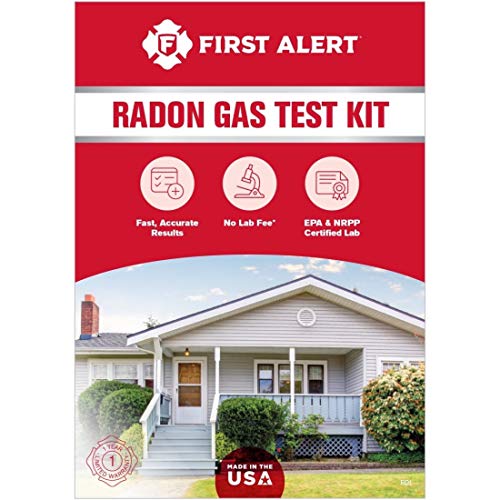 First Alert RD1 Radon Test Kit | Widely stocked; 48-hour charcoal test. | Amazon — $17.95 |
 Airthings Corentium Home | Digital monitor with a long-term average. | Amazon — $99.99 |