Pre-Purchase Inspection in Centennial, Colorado | InspectandTest
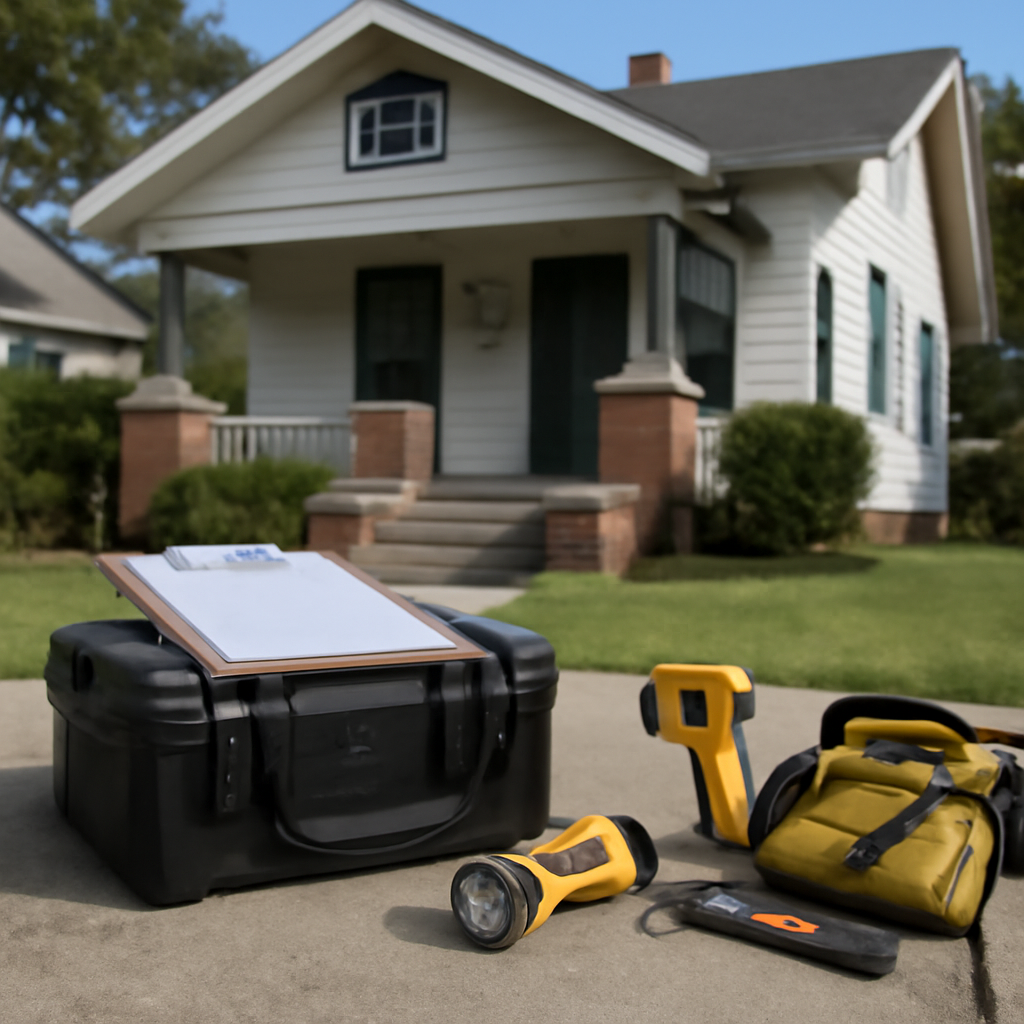
A pre-purchase inspection is the evaluation a buyer orders during the contract contingency period, the window to verify a Centennial home’s true condition before the purchase becomes binding. It is the same thorough examination as a standard home inspection, but timed around a transaction: the findings feed the inspection objection, the negotiation, and the decision to proceed or walk. In Centennial, where aging 1970s-through-1990s systems, Zone 1 radon, expansive soils, and clay sewer lines all matter, the pre-purchase inspection is a buyer’s best protection. This page explains what a pre-purchase inspection centennial buyers should expect, the local items it targets, and how to use it within Colorado’s contract timelines.
Part of our Home Inspections Explained guide — start there for the full picture →
Pre-purchase inspection in Centennial: what to know
The pre-purchase inspection is a visual, non-invasive review of the home’s roof, structure, foundation, plumbing, electrical, HVAC, and built-in appliances, delivered as a written report inside the contingency period. Its value is timing: it gives a Centennial buyer documented evidence to request repairs, a price reduction, or a credit, or grounds to terminate under the contract’s inspection provision before deadlines pass.
Following InterNACHI and ASHI standards of practice, the inspector reports what is observable on the inspection date and does not open walls or predict future failures. The report converts a buyer’s uncertainty into specifics. For how the inspection fits the wider hiring and decision process, our guide to hiring a home inspector on the Front Range lays out the sequence from offer to closing.
Centennial’s housing age raises the stakes of getting the inspection right. With many homes built in the 1970s and 1980s, the inspection often surfaces multiple end-of-life systems, an aging furnace, an old water heater, a deteriorating sewer line, which together can justify a significant credit. That is exactly why the inspection must be ordered early enough to leave time to negotiate within the contract deadlines.
Why a Centennial pre-purchase inspection matters
Aging systems demand verification before you own them. A 1970s or 1980s Centennial home may carry original or second-generation mechanicals at or past expected lifespan, plus older electrical panels with known concerns. The pre-purchase inspection documents the condition and remaining life of each, so a buyer enters the negotiation knowing which replacements are imminent rather than discovering them after closing.
Radon and soils round out the environmental picture. Centennial sits in Arapahoe County’s EPA Zone 1, so adding a radon test to the inspection is standard local practice; a result at or above 4 pCi/L lets a buyer request seller-paid mitigation, covered in our overview of radon mitigation in Centennial. Expansive clay soils make foundation verification essential, since soil-driven movement is among the most expensive problems a local home can develop.
Sewer lines are a Centennial-specific transaction risk. Many homes here have aging clay sewer laterals prone to root intrusion and cracking, and a failure can cost thousands to repair. A sewer scope during the pre-purchase inspection reveals the line’s condition before the buyer owns it, which is the entire point of inspecting during the contingency rather than after closing. Coordinating the scope with the inspection keeps it to one contingency-period decision.
Mature trees make the sewer risk concrete in older Centennial neighborhoods. Decades-old subdivisions like Southglenn and Walnut Hills have large, established trees whose roots seek out the moisture in aging clay sewer joints, working their way in and eventually blocking or breaking the line. A camera scope shows whether roots have already intruded, letting a buyer negotiate a repair or a credit before closing. Without the scope, a buyer can discover the problem only when the line backs up, often within the first year of ownership.
Polybutylene and galvanized plumbing are era-specific findings worth verifying. Some homes from Centennial’s building decades used plumbing materials now known to fail, galvanized supply lines that corrode and restrict flow, or polybutylene that can crack at fittings. The pre-purchase inspection identifies these materials so a buyer understands the home may face a re-pipe, an expense better known before closing than discovered as a leak afterward. Flagging them during the contingency keeps the cost on the negotiating table.
What a Centennial pre-purchase inspection covers
The inspection spans the home top to bottom, with the housing age and local conditions steering where the inspector spends extra time.
Systems, service life, and safety
Furnace, cooling system, water heater, plumbing, and electrical are tested for function and safety, with their age estimated against expected lifespan. In an older Centennial home, the inspector flags systems nearing replacement and any outdated panels or wiring, the findings most likely to drive a credit.
Structure, roof, and add-ons
The inspector evaluates foundation movement against expansive soils, examines the roof for hail damage, and checks basement moisture and window-well drainage. Buyers commonly add radon testing, a sewer scope, and a thermal-imaging scan, covered in our guide to thermal imaging inspection in Centennial, which can reveal hidden moisture and insulation gaps.
Safety findings round out the report and carry real negotiating value on older homes. Missing smoke and carbon-monoxide detectors, absent GFCI protection near water, improper water-heater venting, and questionable railings are common in Centennial’s 1970s-and-1980s housing, where codes have changed since construction. Most are inexpensive to correct, and documenting them during the contingency lets a buyer ask the seller to address them or credit the cost before closing rather than absorbing the repairs after taking ownership.
Pre-purchase inspection cost in Centennial
A pre-purchase inspection in the Centennial market typically runs about $400 to $600 for a single-family home, with larger or more complex properties at the higher end. Because the inspection is tied to a transaction, buyers often bundle add-ons: radon testing adds roughly $100 to $175, a sewer scope $150 to $250, and lab-based mold or water testing carries its own lab fee.
On Centennial’s older housing, the sewer scope and a careful systems review are especially worth bundling, since aging clay lines and end-of-life mechanicals are common. Packaging everything into one contingency-period visit is cheaper and faster than separate trips and consolidates the findings into a single objection-deadline decision.
Weigh the fee against the contract. On a home priced in the hundreds of thousands, a few hundred dollars of inspection routinely uncovers an aging furnace, a failing sewer line, foundation movement, or elevated radon that justifies a credit many times the inspection cost, or warns the buyer away entirely. On decades-old housing, the pre-purchase inspection is the cheapest insurance in the transaction.
The written report is leverage as much as information. A Centennial buyer’s agent can attach dated photographs of a root-intruded sewer line, an aging furnace, or foundation cracking to an inspection objection, and a seller faced with documented evidence is far more likely to agree to repairs or a credit than one met with vague concerns. Spending on a thorough inspection, in that sense, buys negotiating power that often returns several times its cost in a single objection.
Walking away remains an option the inspection preserves. If the findings on an older Centennial home exceed what the buyer is prepared to manage, multiple end-of-life systems, a broken sewer line, and a moisture problem all at once, the contingency lets them terminate and recover their earnest money. Losing a home under contract is disappointing, but the pre-purchase inspection’s ability to surface a deal-breaker before closing is exactly what shields a buyer from a far more expensive mistake.
Confused by your home inspection report? Decode it free in plain English
Upload your inspector's PDF and get a plain-English summary, what actually matters, rough repair costs, and negotiation talking points. Educational only — not a professional re-inspection. Your file is analyzed and discarded, never stored.
Educational summary only. AI can be wrong and cost figures are rough estimates. This is not a professional re-inspection, appraisal, or legal/financial advice — confirm major items with your inspector or a licensed contractor.
Colorado regulations and disclosure
Colorado does not license home inspectors, so the buyer’s protection comes from choosing one who follows InterNACHI or ASHI standards rather than from any state credential. The seller provides Colorado’s Seller’s Property Disclosure listing known defects, water damage, radon results, and any mitigation system, and the pre-purchase inspection independently verifies that disclosure.
The standard Colorado contract builds in an inspection objection deadline and a resolution deadline. Within that window, a Centennial buyer can object to defects the inspection found, request repairs or a credit, and either reach agreement or terminate. Missing the deadline forfeits that right, which is why ordering the inspection immediately after going under contract is the single most important timing decision, especially on an older home likely to produce many findings.
Neighborhoods and areas served
Pre-purchase inspections in Centennial cover homes across Southglenn, Willow Creek, Walnut Hills, Foxridge, and Homestead, plus the surrounding 1970s-through-1990s suburban housing. All share Arapahoe County’s profile of aging systems, expansive soils, Zone 1 radon, and clay sewer lines. Service typically extends to adjacent Greenwood Village, Littleton, and the Arapahoe County side of Aurora.
The depth of a transaction-focused inspection rises with the home’s age, and Centennial’s stock rewards thoroughness. A buyer of a 1970s home should expect the report to address sewer-line condition, the remaining life of each major system, the safety of an older electrical panel, and the history of any owner-completed renovations, alongside the standard structural and roof review. Building all of that into one contingency-period visit, with the radon test and sewer scope coordinated, gives the buyer a single, comprehensive basis for the objection rather than a partial picture assembled from separate trips.
Whatever the neighborhood, the transaction-focused goals are the same: document condition accurately, surface the costly local issues, and deliver the report in time for the buyer to act within the contract deadlines. A pre-purchase inspection in a 1970s Centennial ranch centers on systems, sewer, soils, and radon just as one in a 1990s build does.
How to choose a Centennial pre-purchase inspector
Pick an InterNACHI or ASHI certified inspector who can schedule quickly and turn around a written, photo-documented report within a day, since the contingency clock leaves little slack. Confirm they routinely inspect Arapahoe County’s older housing and understand aging systems, expansive-soil foundations, and clay sewer lines, the findings most likely to move a Centennial negotiation.
Ask which add-ons the specific home warrants. A good inspector recommends radon for a finished-basement Centennial home and a sewer scope on older housing, while explaining when a thermal scan adds value. Coordinating the home inspection in Centennial with the radon test and sewer scope in one visit is the efficient default here.
Attend the inspection if you can. A trustworthy inspector welcomes the buyer at the wrap-up, shows the system, foundation, and moisture findings in person, and frames which items belong in the inspection objection versus which are minor. On an older Centennial home with multiple findings, that prioritization helps a buyer write a focused, credible objection.
Confirm availability against your contract dates before hiring. On an older Centennial home the inspection often generates a long list, and the buyer needs time inside the objection window to prioritize findings, gather repair estimates, and draft an objection. An inspector who cannot schedule promptly and deliver a report within a day leaves no room for that work. Favor a provider who routinely operates under transaction deadlines and can coordinate the radon test and sewer scope into the same visit, so every finding lands in time to shape a single, well-supported negotiation.
References
- Residential standards of practice — International Association of Certified Home Inspectors
- Home inspection standards and ethics — American Society of Home Inspectors
- Colorado radon program and disclosure — Colorado Department of Public Health and Environment
Frequently asked questions
When should I order a pre-purchase inspection in Centennial?
Immediately after going under contract. Colorado's standard contract sets an inspection objection deadline and a resolution deadline, so the inspection must be done early enough to leave time to negotiate or terminate, especially on an older home with many findings.
How much does a pre-purchase inspection cost in Centennial?
Typically $400 to $600 for a single-family home, plus add-ons: radon testing around $100 to $175, sewer scope $150 to $250, and lab-based mold or water testing at separate fees.
Should I add a sewer scope to a Centennial pre-purchase inspection?
Often yes. Many 1970s-era Centennial homes have aging clay sewer lines prone to root intrusion and cracking. A sewer scope runs about $150 to $250 and can reveal a costly hidden problem before closing.
What local issues should a Centennial pre-purchase inspection flag?
Aging 1970s-90s systems and their service life, expansive-soil foundation movement, clay sewer line condition, and Zone 1 radon. These Arapahoe County factors are the findings most likely to affect the price or the decision.
A Centennial pre-purchase inspection, ordered early in the contingency, gives buyers documented leverage on aging systems, sewer, soils, and radon before closing. To connect with a vetted Arapahoe County inspector who turns reports around fast, get in touch through our contact page.