Non Toxic Black Mold: What Homeowners Need to Know
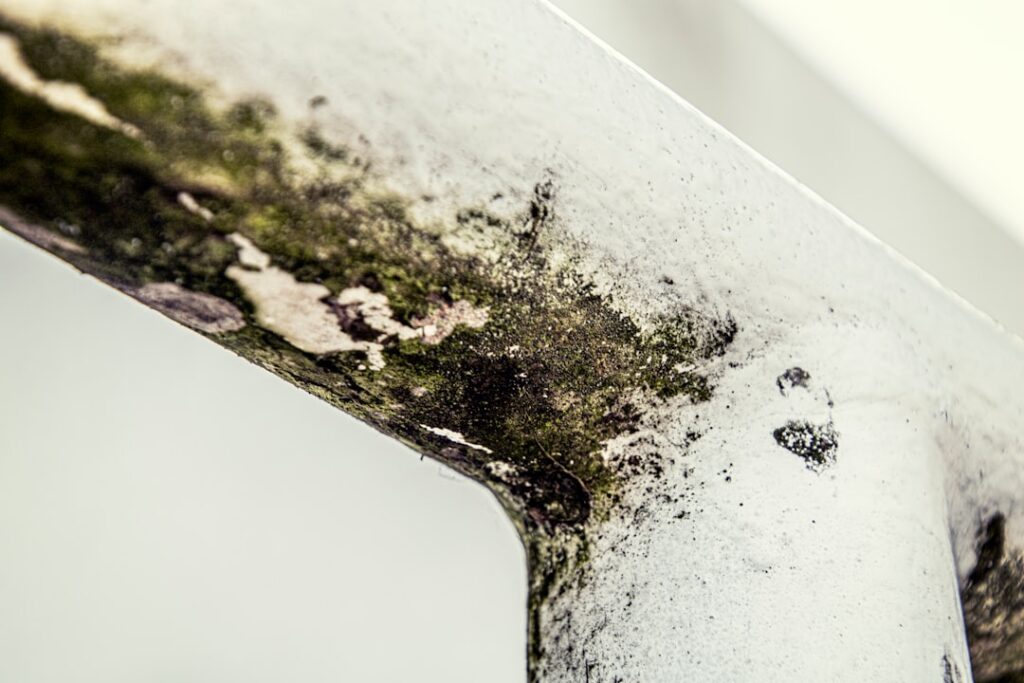
The phrase “non toxic black mold” sounds like a contradiction, but it captures something important: not every dark patch on a wall is the dangerous Stachybotrys chartarum that media coverage made famous. Many common molds appear dark — Cladosporium, Aspergillus niger, Alternaria, Ulocladium — and most of them are not particularly toxic in residential exposure scenarios. Color alone is a terrible diagnostic. This guide summarizes EPA, CDC, and NIEHS guidance current as of 2026 to help homeowners separate species panic from actual health risk. Consult your physician for unexplained respiratory symptoms and a certified inspector for sampling decisions.
Part of our Black Mold & Your Health guide — start there for the full picture →
Is this mold, asbestos, or water damage? Get a free instant screen
Upload a clear photo of the suspect area. You'll get an instant AI screening opinion and what to do next. This is screening guidance, not a professional determination.
Screening guidance only. AI can be wrong. Confirm asbestos, mold type, or lead with lab testing or a licensed professional before acting.
What “toxic black mold” actually refers to
The term “toxic black mold” entered public vocabulary in the late 1990s after media reporting on Stachybotrys chartarum, a slow-growing mold that produces mycotoxins under certain conditions. Stachybotrys is real, but it has been overhyped. The CDC’s position is that no peer-reviewed study has established a causal link between residential Stachybotrys exposure and specific acute illnesses outside of immunocompromised populations. The agency also notes that many other molds — some of which appear black — cause similar respiratory symptoms in sensitive individuals.
So “non toxic black mold” is really a way of asking: is this dark mold actually Stachybotrys, or is it one of the many common dark-pigmented molds that pose less concern?
Common black or dark-colored molds in homes
Several mold species appear dark and are routinely identified in residential air samples. None of them are entirely “safe” — any indoor colonization is a problem — but they vary in known toxicity and prevalence:
- Cladosporium — extremely common; olive-green to black; one of the most prevalent indoor and outdoor molds; allergenic for some people but not a known mycotoxin producer in residential settings.
- Aspergillus niger — produces black surface colonies on damp surfaces; commonly found on tile grout and onion skins; some Aspergillus species produce mycotoxins, but A. niger is widely considered low-risk for healthy adults.
- Alternaria — dark olive-brown; common outdoor mold that enters homes through windows; significant allergen but not a major mycotoxin producer.
- Ulocladium — black colonies; indicates significant water intrusion; allergenic potential but limited toxicity literature.
- Stachybotrys chartarum — slow-growing, slimy when wet, dark green to black; requires sustained wet cellulose to colonize; produces macrocyclic trichothecene mycotoxins under specific conditions.
Color cannot distinguish these species. Identification requires microscopy on a tape lift, swab, or spore-trap air sample analyzed by a qualified laboratory.
Why color is unreliable for identification
Mold color depends on species, substrate, moisture, and life stage. The same Stachybotrys colony appears greenish when wet and almost black when dry. Aspergillus niger and Stachybotrys can look nearly identical to the naked eye despite very different health profiles. A “black mold” diagnosis based on photographs in a contractor’s pitch is essentially guesswork. The honest answer in most homeowner cases is that the species is unknown until lab-confirmed — and in most cases the species does not change the remediation protocol.
The EPA’s published position is that all indoor mold growth should be removed regardless of species. The agency does not recommend sampling for typical residential remediation decisions because the cleanup approach is the same.
When species identification actually matters
There are scenarios where lab identification adds value beyond the remediation decision:
- Medical evaluation — a physician working up a patient with persistent respiratory symptoms may request species data to inform allergy testing or treatment.
- Insurance claims — some carriers require lab-confirmed species before approving remediation coverage on a peril-related claim.
- Real estate transactions — disclosed mold findings can shift negotiation; documented species and quantification may inform price adjustments.
- Litigation — landlord-tenant disputes and construction defect cases often require lab evidence.
For routine homeowner remediation, the EPA position is that species identification is rarely necessary. The companion guide on Stachybotrys reality versus media hype covers this in more depth.
Health framework: not about color, about exposure
The CDC’s residential mold framework focuses on exposure dose and host susceptibility rather than species color. Three factors drive risk:
- Exposure duration and concentration — short exposure to spore counts comparable to outdoor air is rarely a problem; sustained exposure to elevated indoor spore counts can trigger allergic and irritant responses.
- Host susceptibility — asthma, allergic conditions, immunocompromise, and chronic lung disease elevate risk substantially.
- Mycotoxin production — only a subset of mold species produce mycotoxins, and production depends on substrate and moisture conditions, not just species presence.
This framework is why a dark patch in a bathroom is rarely an emergency for a healthy adult but can be a real concern for an asthmatic child living in the same home.
What symptoms a mold problem actually causes
The CDC lists typical residential mold exposure symptoms as nasal congestion, throat irritation, coughing, wheezing, eye irritation, and skin irritation in sensitive individuals. People with asthma or mold allergies experience more intense symptoms including asthma attacks. Immunocompromised individuals can develop more serious infections, particularly from Aspergillus species. None of these symptoms differ meaningfully between “toxic” and “non-toxic” black molds at typical residential exposure levels.
Symptoms attributed to “toxic black mold” in popular media — memory loss, neurological damage, mycotoxicosis — are not supported by peer-reviewed evidence at residential exposure levels in healthy adults. NIEHS-funded research has consistently found that the most well-documented health effects of indoor mold exposure are allergic and respiratory in nature.
How to handle suspected black mold at home
Whether the species is Stachybotrys or Cladosporium, the homeowner protocol is the same:
- Identify and stop the moisture source.
- Assess scope — under 10 square feet on non-porous surfaces is typically homeowner-scoped; beyond that, hire a remediator.
- Set up containment before disturbing the colony.
- Wear an N95 respirator, gloves, and eye protection during cleanup.
- Clean non-porous surfaces with detergent; remove porous materials.
- HEPA-filter air during and after the work.
- Dry the substrate to below 16% moisture content before reconstruction.
Skip the temptation to send a sample to a lab before deciding what to do. In nearly all routine cases, the answer is the same regardless of species. The walkthrough at getting rid of black mold step by step covers the protocol in detail.
When testing genuinely helps
Air sampling and surface sampling have a legitimate role when:
- You suspect hidden mold and want quantitative evidence before opening walls
- You need post-remediation verification (clearance testing)
- You are in a real estate, insurance, or legal scenario requiring documented findings
- A household member has a diagnosed mold-related medical condition
Hire an independent inspector — not the remediation contractor — for sampling. Sampling done by the party who profits from finding mold is inherently conflicted. Our mold inspection and testing pillar covers when sampling is worth the cost.
The bottom line on “non toxic black mold”
There is no meaningful homeowner distinction between toxic and non-toxic black mold at the remediation decision point. All indoor mold growth should be removed and the moisture source corrected. Species identification is medically and legally useful in specific scenarios but rarely changes the cleanup protocol. Color is unreliable as an identifier, and “toxic black mold” as marketing language usually signals a contractor trying to sell expensive remediation rather than a precise diagnosis.
Where the “toxic black mold” panic originated
The modern public association between Stachybotrys and serious health problems traces back to a CDC investigation in the 1990s that initially associated Stachybotrys with cases of pulmonary hemosiderosis in infants in Cleveland. Subsequent review of the data, including a 2000 CDC reassessment, found the original investigation’s methodology insufficient to establish a causal link. Media coverage at the time amplified the early findings and largely ignored the later corrections, embedding “toxic black mold” in popular vocabulary. The CDC’s current position is that exposure to indoor mold can cause allergic and irritant responses but that specific mycotoxin-driven illness from residential Stachybotrys exposure is not well established by peer-reviewed evidence in healthy populations.
This history matters because it explains why “toxic black mold” persists as a marketing hook. Contractors selling expensive remediation benefit from the association; homeowners pay the premium. Understanding the actual evidence base helps buyers separate legitimate safety concerns from sales tactics.
Practical scenarios and what they actually mean
Dark patch on shower grout
Almost always Aspergillus niger, Cladosporium, or a similar non-Stachybotrys mold. Clean with detergent, address ventilation. Not a Stachybotrys risk.
Black streaks above electrical outlets
Usually soot or thermal “ghosting” rather than mold. Wipe to test — if it removes cleanly, it is soot. Mold tends to be fuzzy or slimy, not flat.
Black growth on basement wall after a flood
Could be any of several species. Stachybotrys is possible if cellulose materials (drywall paper, paper-backed insulation) stayed wet for 7+ days. Cleanup approach is the same regardless of species: remove colonized porous material, clean non-porous surfaces, dry, verify.
Dark growth on attic decking
Often Penicillium, Aspergillus, or Cladosporium driven by attic ventilation issues. Sustained wetting from disconnected bath fans or improper roof ventilation is the typical cause. Remediation includes addressing the ventilation, HEPA vacuuming the decking, and replacing affected insulation.
Dark spots on bathroom ceiling drywall
Usually Cladosporium driven by shower humidity condensation on a cool ceiling. Vent fan upgrade plus cleaning addresses most cases.
Front Range Colorado species patterns
The Front Range climate produces particular species patterns. Dry winter air limits aggressive Stachybotrys colonization in most conditions, but summer humidity in basements and crawl spaces creates the moisture window where any cellulose-substrate species can establish. Older Denver and Boulder homes with cellulose-based insulation in attics are more susceptible than newer construction with fiberglass. Mountain homes at altitude often have unique humidity profiles tied to snowmelt cycles that affect crawl space and basement species patterns.
References
- Facts About Stachybotrys chartarum — Centers for Disease Control and Prevention
- A Brief Guide to Mold, Moisture, and Your Home — U.S. Environmental Protection Agency
- Mold and Health — National Institute of Environmental Health Sciences
- Basic Facts About Mold and Dampness — Centers for Disease Control and Prevention
Frequently asked questions
Is all black mold toxic?
No. Many common indoor molds appear black or dark — Cladosporium, Aspergillus niger, Alternaria, Ulocladium — and most are not significant mycotoxin producers in residential settings. Only laboratory analysis can identify the species. Color alone is unreliable as a diagnostic.
How do I know if my black mold is Stachybotrys?
Laboratory analysis of a tape lift, swab, or air sample is the only reliable way to identify Stachybotrys. Visual inspection cannot distinguish it from Aspergillus niger or other dark-pigmented molds. For most homeowner remediation decisions, species identification is not necessary because the cleanup approach is the same.
Does the remediation differ for toxic vs non-toxic black mold?
No. The EPA's recommended remediation approach is the same regardless of species: stop the moisture source, contain the area, remove colonized porous materials, clean non-porous surfaces with detergent, run HEPA filtration, and verify drying before reconstruction. Species-specific remediation is rarely necessary.
When should I pay to test mold species?
Species testing has value when a physician needs species data for allergy or respiratory workups, when an insurance carrier requires lab confirmation, in real estate or legal disputes, or for post-remediation clearance verification. For routine homeowner cleanup decisions, EPA does not recommend sampling because the remediation approach does not change.
If you are unsure whether a dark patch in your home needs professional assessment, Front Range homeowners can connect with a vetted local inspector through our contact page for a no-pressure scoping conversation.