Names of Mold: 10 Common Indoor Molds and What They Mean
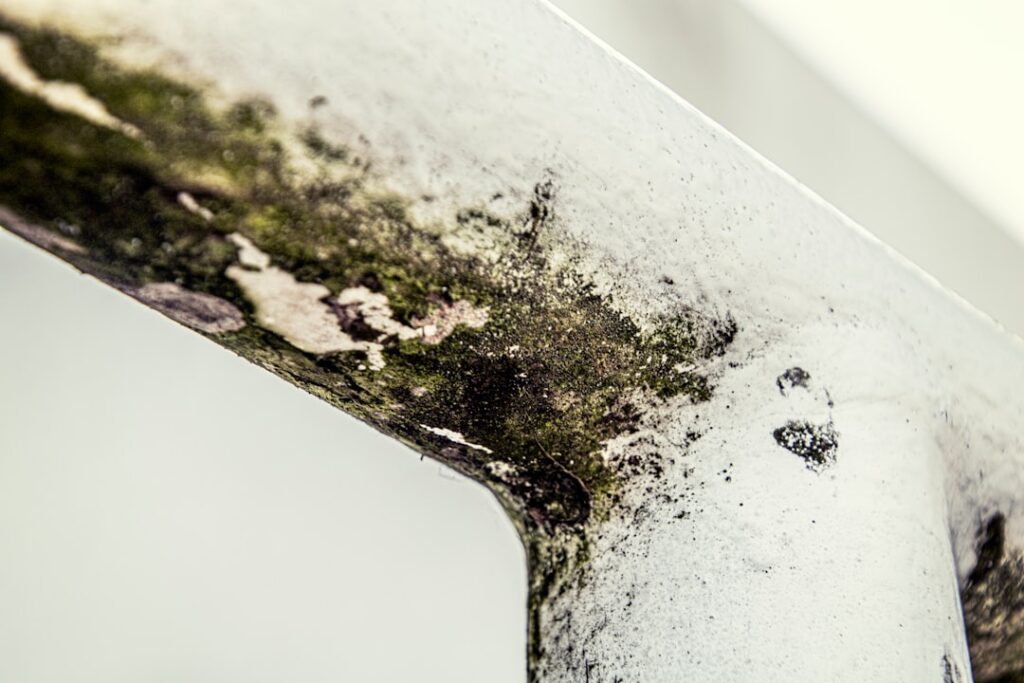
Lab reports, inspection summaries and online photos are full of names of mold that sound alarming and mean little to most homeowners: Cladosporium, Aspergillus, Penicillium, Stachybotrys, Chaetomium and more. Knowing what those genus names usually signal can help you read a report, ask better questions and spot a moisture problem earlier. It also leads to a less dramatic conclusion: for household cleanup, the name rarely changes what you should do. This guide summarizes CDC and EPA guidance current as of 2026; consult your physician about symptoms and a qualified professional for testing or remediation decisions. Descriptions of color and habitat below reflect what each mold is commonly associated with, not a way to identify it by eye.
Part of our Types of Mold guide — start there for the full picture →
Is this mold, asbestos, or water damage? Get a free instant screen
Upload a clear photo of the suspect area. You'll get an instant AI screening opinion and what to do next. This is screening guidance, not a professional determination.
Screening guidance only. AI can be wrong. Confirm asbestos, mold type, or lead with lab testing or a licensed professional before acting.
The Most Common Names of Mold Found Indoors
The CDC states that the most common indoor molds are Cladosporium, Penicillium and Aspergillus. Those three names appear on a large share of air and surface sample reports, partly because they are also common outdoors and drift inside through doors, windows and ventilation. Beyond that core group, a handful of other genera turn up often enough to be worth knowing: Alternaria, Stachybotrys, Chaetomium, Fusarium, Mucor, Trichoderma and Aureobasidium.
A quick vocabulary note helps. Most of these names are genera, which are groups of related species. Stachybotrys chartarum is a species within the genus Stachybotrys; Penicillium chrysogenum is a species within Penicillium. Most household reports identify mold only to the genus level, and some lump similar-looking spores together, such as “Penicillium/Aspergillus.” For a broader overview of how these groups fit together, see our guide to types of mold, and for a room-by-room look, our page on types of mold in homes.
Ten Indoor Molds by Name: Quick Reference Table
The table summarizes how each mold is commonly described in general references. Colors vary with age, surface, light and moisture, and several molds can grow together, so none of these descriptions can confirm a name without a lab.
| Name | Color and appearance commonly associated | Where it is commonly associated indoors | Notes |
|---|---|---|---|
| Cladosporium | Olive-green, brown or black; often powdery or velvety | Window frames, painted surfaces, fabrics, HVAC areas | Named by the CDC among the most common indoor molds; very common outdoors. |
| Penicillium | Blue-green or green, sometimes with a white edge; fuzzy | Water-damaged drywall, carpet, wallpaper, food | Named by the CDC among the most common indoor molds. |
| Aspergillus | Green, yellow, gray, brown or black depending on species | Dust, damp building materials, HVAC systems, food | Named by the CDC among the most common indoor molds; often reported with Penicillium. |
| Alternaria | Dark green, gray or brown; velvety with fine hairs | Showers, window sills, areas of past leaks | Common outdoor mold; frequently mentioned in allergy discussions. |
| Stachybotrys chartarum | Dark greenish-black; can look slimy when wet and sooty when dry | Persistently wet paper-faced drywall, ceiling tiles, cardboard | The species the media often calls “black mold”; usually tied to prolonged wetness. |
| Chaetomium | Starts white or gray, darkening to olive or brown; cottony | Water-damaged drywall, wallpaper, wood | Often linked with chronic water damage and a musty odor. |
| Fusarium | White, pink, red or purple tints; cottony | Water-damaged materials, carpets, humidifiers | Common on plants and soil; can grow in cooler damp areas. |
| Mucor | White to gray, fast-growing, fluffy | Damp carpet, HVAC condensation areas, food | Grows quickly where moisture is plentiful. |
| Trichoderma | White at first, turning green; often in patches | Damp wood, wallpaper, carpet | Common in soil; can appear with other water-damage molds. |
| Aureobasidium | Pink, brown or black; can look yeasty or slimy | Caulk, grout, painted window frames, wood | Often found on damp painted or caulked surfaces. |
Color is an especially weak clue. The EPA’s mold course notes that molds come in many colors, including white. Our guide to mold colors explains why the same mold can look different on different surfaces, and the page on green mold covers several of the genera above that commonly appear green.
Profiles of Each Common Mold Name
The short profiles below expand on the table. They are general descriptions intended to make a report easier to read, not diagnostic criteria.
Cladosporium
Cladosporium is one of the names homeowners see most often on air sample reports. It is common outdoors on plants and in soil, and it routinely drifts inside. Indoors it is commonly associated with window frames where condensation forms, painted surfaces, fabrics and the areas around air handlers. Because it is so common outside, an indoor count only means something when compared with an outdoor control sample taken at the same time. Our Cladosporium mold guide goes into more detail.
Penicillium
Penicillium is the genus most people know from blue-green mold on bread and fruit. In buildings, it is commonly associated with water-damaged drywall, wallpaper, carpet and stored materials in damp rooms. One well-known species, Penicillium chrysogenum, is frequently cited as a common indoor species. Our profile of Penicillium chrysogenum explains how that species is usually described.
Aspergillus
Aspergillus is a large genus with many species and a range of colors. It is commonly associated with household dust, damp building materials, HVAC systems and food. Under a spore trap microscope, Aspergillus and Penicillium spores look similar, so many labs report them together. Our guide to Aspergillus/Penicillium results explains what that combined category means, and the Aspergillus page covers the genus on its own.
Alternaria
Alternaria is a common outdoor mold that often appears in allergy discussions. Indoors, it is commonly associated with damp areas such as showers, window sills and places where leaks have occurred. Like Cladosporium, an indoor reading is easiest to interpret when compared with outdoor air.
Stachybotrys chartarum
Stachybotrys chartarum is the species most people mean when they say “black mold.” It is commonly associated with materials that stay wet for an extended period, especially paper-faced drywall, ceiling tiles and cardboard. Because it generally needs sustained moisture, finding it indoors tends to point toward a chronic leak or flood damage rather than a brief humidity spike. Our Stachybotrys guide covers how it is usually described in reports.
Chaetomium
Chaetomium is commonly associated with water-damaged drywall, wallpaper and wood. Colonies are often described as starting white or gray and darkening over time. Like Stachybotrys, it is often discussed as an indicator of longer-term water damage, and it is frequently mentioned alongside a musty odor.
Fusarium
Fusarium is widely known as a plant and soil mold. Indoors, it is commonly associated with water-damaged materials, carpets and humidifiers, and colonies may show pink, red or purple tints. It can grow at cooler temperatures than some other molds.
Mucor
Mucor is a fast-growing mold commonly associated with damp carpet, areas near HVAC condensation and food. Colonies are usually described as white to gray and fluffy. Its quick growth means it can show up soon after a moisture event.
Trichoderma
Trichoderma is common in soil and on decaying wood. Indoors it is commonly associated with damp wood, wallpaper and carpet, and colonies are often described as white turning to green.
Aureobasidium
Aureobasidium is commonly associated with caulk, grout, painted window frames and damp wood. It can look pink, brown or black, sometimes with a yeasty or slimy texture. It is one of the molds homeowners often see on bathroom caulk and exterior paint.
“Black Mold” Is Not a Species
The phrase “black mold” causes more confusion than any actual mold name. The EPA’s mold course is direct on this point: “black mold” is not a species or specific kind of mold, and neither is “toxic mold.” The EPA explains that the news media sometimes use those terms for molds that may produce mycotoxins, or specifically for Stachybotrys chartarum. Many molds can look dark, including Cladosporium, Alternaria, Aureobasidium and some Aspergillus species, so dark color alone says nothing about the name.
The same EPA course notes that some, but not all, molds may produce potentially toxic byproducts called mycotoxins under some conditions, and that no one can tell whether a mold is producing mycotoxins just by looking at it. That is another reason to treat visible growth seriously without trying to name it from a photo. Our comparison of black mold vs mildew explains how surface mildew differs from deeper growth, and our page on dangerous types of mold discusses how risk is usually framed.
Why the Name Rarely Changes the Response
Federal guidance is consistent: the right response to indoor mold growth is to remove it and fix the moisture that allowed it to grow, whatever its name. The CDC’s mold page says that if you see or smell mold, you should remove it, and that you do not need to know the type of mold. It adds that if mold is growing in the home, you need to clean up the mold and fix the moisture problem.
The CDC also describes possible health effects in general terms: exposure to damp and moldy environments may cause a variety of effects, or none at all. Some people experience a stuffy nose, sore throat, coughing or wheezing, burning eyes or skin rash; people with asthma or mold allergy may have severe reactions; and immune-compromised people and people with chronic lung disease may get lung infections from mold. Those effects are described for mold exposure broadly rather than tied to one name, which is one more reason the response does not hinge on identification. Anyone with symptoms should talk with a physician.
The practical steps that follow from this guidance are the same for Cladosporium on a window frame and Stachybotrys behind a leaking toilet:
- Find and fix the water source. Leaks, condensation, flooding and high humidity are the root cause. The CDC recommends keeping indoor humidity no higher than 50% and drying out a home fully within 24 to 48 hours after a flood.
- Clean hard surfaces. The CDC notes that mold can be removed from hard surfaces with household products, soap and water, or a bleach solution of no more than 1 cup of laundry bleach per gallon of water, and warns never to mix bleach with ammonia or other cleaners.
- Remove porous materials that cannot be cleaned. Soaked carpet, upholstery and drywall are often replaced rather than cleaned.
- Protect yourself. The CDC suggests rubber gloves, goggles and boots during cleanup, along with fresh air.
- Call a professional for large or hidden problems. Extensive growth, contamination in HVAC systems and growth after sewage or flood water are jobs for experienced remediators.
Where the name can matter is in context. A report dominated by water-damage-associated genera such as Stachybotrys or Chaetomium may prompt a closer search for a hidden, long-term leak. A report showing indoor Cladosporium at roughly outdoor levels may simply reflect normal infiltration. Those are interpretation questions for a qualified professional rather than reasons to change the cleanup approach.
How Labs Identify Mold Names
Names on a report come from laboratory analysis, not from looking at a stain. Common methods include:
| Method | How it works | Typical level of identification | Limitations |
|---|---|---|---|
| Spore trap (air sample) | Air is pulled through a cassette; spores are counted under a microscope. | Usually genus or grouped genera | Cannot always separate similar spores; no viability information. |
| Tape lift or swab (surface) | A sample of visible growth is examined directly. | Usually genus | Only describes the spot sampled. |
| Culture | Spores are grown on media in a dish, then identified. | Genus, sometimes species | Only living, culturable molds grow; takes longer. |
| DNA-based methods | Genetic material is matched against reference sequences. | Often species | Results depend on which targets the lab tests. |
Petri dish kits sold for home use are a form of culture sampling. They can show that mold spores are present and will grow, which is true in nearly every home, but they cannot tell you the concentration in the air or whether growth is coming from inside the house. Our guide to mold identification covers how reports are structured, and the page on air sampling for mold explains indoor-versus-outdoor comparisons.
What the EPA says about testing
The EPA’s Mold Testing or Sampling page states that in most cases, if visible mold growth is present, sampling is unnecessary. It notes that no EPA or other federal limits have been set for mold or mold spores, so sampling cannot be used to check compliance with federal standards. It also says surface sampling may be useful to determine whether an area has been adequately cleaned, that sampling should be done by professionals with specific experience designing protocols and interpreting results, and that analysis should follow methods recommended by organizations such as the AIHA or ACGIH.
For homeowners, that translates into a simple order of operations: deal with visible growth and moisture first, and reserve testing for situations where it answers a real question, such as locating hidden growth, documenting conditions for a sale or confirming cleanup. People who still want an at-home starting point can browse mold test kits, keeping their limits in mind.
Mold Names Commonly Associated With Each Part of the Home
Homeowners often search for a mold name after spotting growth in a particular room. The list below groups names by the locations they are commonly associated with in general references. It is a way to understand why certain names show up on certain reports, not a shortcut for identification. Several genera can share the same spot, and a lab result may include names that never appeared visibly.
| Location | Names commonly associated | Usual moisture source |
|---|---|---|
| Bathroom caulk, grout and ceilings | Aureobasidium, Cladosporium, Alternaria | Shower steam, poor exhaust, slow-drying surfaces |
| Window frames and sills | Cladosporium, Alternaria, Aureobasidium | Condensation on cold glass in winter |
| Drywall after a leak or flood | Stachybotrys, Chaetomium, Penicillium, Aspergillus | Plumbing leaks, roof leaks, flooding |
| Basements and crawl spaces | Penicillium, Aspergillus, Trichoderma, Mucor | Groundwater, high humidity, foundation seepage |
| Carpet and padding | Penicillium, Aspergillus, Fusarium, Mucor | Spills, pet accidents, flooding, damp slabs |
| HVAC components and ducts | Cladosporium, Aspergillus, Penicillium, Mucor | Condensation at coils and drain pans |
| Attic sheathing | Cladosporium, Penicillium, Aspergillus | Bath fans venting into the attic, roof leaks, poor ventilation |
The common thread in every row is moisture. The CDC lists leaks in roofs, windows and pipes, and flooding, among the places mold grows, and notes that mold grows on paper, cardboard, ceiling tiles, wood, drywall, carpet, insulation and fabric. A name tells you which organism took advantage of the water; the location tells you where the water came from.
Why some names suggest a longer-term problem
In inspection and remediation circles, some genera are often described as “primary colonizers” that can start growing on surfaces with relatively modest moisture, while others are described as needing materials to stay wet longer. Stachybotrys and Chaetomium are commonly placed in the second group, which is why their names on a report tend to prompt questions about how long a wall or ceiling has been wet. Cladosporium, Penicillium and Aspergillus can grow with less moisture and are so common in outdoor air that their presence alone says less. These are general patterns rather than rules, and a professional interpreting a report will weigh where samples were taken and how indoor results compare with outdoor results.
That interpretation also explains why two reports with the same names can lead to different advice. A modest amount of Penicillium on a bathroom ceiling usually calls for cleaning and better ventilation. The same name in high counts inside a closed wall cavity next to a plumbing stack calls for opening the wall, finding the leak and removing damaged material.
Reading a Mold Report Without Panic
When a report arrives with a list of unfamiliar names, a few questions keep it in perspective:
- How do indoor and outdoor results compare? Indoor counts well above outdoor, or a different mix of names indoors, can suggest an indoor source.
- Which genera dominate? Names commonly associated with long-term water damage may point toward a hidden leak.
- Where were samples taken? A sample next to a musty wall says something different from one in the middle of a living room.
- What does the inspector recommend? Look for practical next steps tied to moisture sources rather than to the scariest-sounding name.
Front Range homes add a regional twist. Colorado’s dry climate keeps many homes below the humidity levels where mold thrives, so indoor growth along the Front Range is often linked to specific water events: a failed water heater, a roof leak after hail, a basement that took on water during spring runoff or an evaporative cooler problem. In those cases, the most useful part of a report is usually the location of the moisture, not the list of names.
For broader context on mold inspections, testing and remediation, start with our mold inspection section, and see the mold types hub for more profiles of individual genera.
References
- Mold — Centers for Disease Control and Prevention
- Mold Course Chapter 1 — U.S. Environmental Protection Agency
- Mold Testing or Sampling — U.S. Environmental Protection Agency
Frequently asked questions
What are the most common names of mold found in homes?
The CDC names Cladosporium, Penicillium and Aspergillus as the most common indoor molds. Other names that often appear on reports include Alternaria, Stachybotrys, Chaetomium, Fusarium, Mucor, Trichoderma and Aureobasidium.
Is black mold a specific type of mold?
No. The EPA says black mold is not a species or specific kind of mold. The term is often used for Stachybotrys chartarum, but many molds can look dark.
Do I need to know the name of a mold before cleaning it?
The CDC says you do not need to know the type of mold. If you see or smell mold, remove it, and fix the moisture problem that allowed it to grow.
Can you identify mold by its color?
Not reliably. Molds come in many colors, and the same mold can look different on different surfaces. Identification by name requires lab analysis such as microscopy, culture or DNA methods.
Should I test mold to find out its name?
The EPA says sampling is usually unnecessary when mold is visible. Testing is more useful for finding hidden growth or confirming cleanup, and should be designed and interpreted by an experienced professional.
Got a mold report full of unfamiliar names and not sure what to do next? Reach out to our team and we can help you sort out the next step.