Mold Removal St Louis: What Homeowners Need to Know

St. Louis pairs hot, humid summers with cold winters and a large stock of older brick homes with basements — conditions that give mold multiple seasonal openings. Homeowners researching mold removal St Louis need to understand both the regional climate pressure and the standard removal process. This guide summarizes EPA and CDC guidance current as of 2026 and is informational only; consult your physician for symptoms and a certified professional for testing or removal.
Part of our Mold Removal & Remediation guide — start there for the full picture →
Is this mold, asbestos, or water damage? Get a free instant screen
Upload a clear photo of the suspect area. You'll get an instant AI screening opinion and what to do next. This is screening guidance, not a professional determination.
Screening guidance only. AI can be wrong. Confirm asbestos, mold type, or lead with lab testing or a licensed professional before acting.
Mold Removal in St. Louis: The Short Version
Removal follows the same sequence everywhere — contain, remove contaminated porous materials, clean and dry salvageable surfaces, fix the moisture source, and verify — but the area’s humid summers, river-influenced moisture, and aging housing stock shape where problems appear. The EPA’s threshold applies: patches under about 10 square feet are often a do-it-yourself task for a healthy homeowner, while larger areas, HVAC contamination, or water damage call for professionals. The wide seasonal swing makes year-round moisture awareness worthwhile.
A surface clean often fails because mold is a symptom of a moisture problem, not the problem itself. Removing the visible growth without correcting the dampness leaves the colony’s food and water in place, so it regrows — frequently in the same spot, sometimes a few feet away as the moisture spreads. This is why a durable fix always pairs removal with a repair to the leak, condensation, or humidity that started it.
Why St. Louis’s Climate Encourages Mold
Sitting near the confluence of the Mississippi and Missouri Rivers, St. Louis has a humid continental climate with hot, muggy summers and cold winters. River-valley humidity keeps ambient moisture high, and the region sees heavy storms and periodic flooding that can drive water into basements. Heavy summer air-conditioning use creates condensation on cold surfaces, while in winter, tightly sealed homes trap indoor moisture. The city’s many older brick homes often have basements built before modern moisture barriers, and masonry can wick groundwater inward.
Common Problem Areas in St. Louis Homes
Basements lead the list, since river-valley groundwater and storms load them with moisture and they stay cool enough for condensation. Older brick foundations can wick water inward. Crawl spaces trap humid air close to damp soil. HVAC systems and ductwork can harbor and spread mold when condensation collects inside, a link covered in the guide on air duct cleaning and mold remediation. Bathrooms and laundry rooms generate daily moisture. Recognizing these patterns guides the search for the source, the focus of the mold inspection and testing hub.
What to Do First When You Find Mold
The first move is not to grab a sponge. Identify whether water is still active — a dripping pipe, a damp foundation wall, a leaking window — because cleaning before stopping the water guarantees the mold returns. In St. Louis, an active source such as basement groundwater, a storm-driven leak, or masonry wicking is common, so identifying it before cleaning is critical. Photograph the growth and the surrounding area for your records, especially if a real estate transaction or insurance claim might be involved. Then assess the size honestly against the EPA’s roughly 10-square-foot guideline. If the area is small and the surface is hard and non-porous, a careful do-it-yourself cleanup with gloves and an N95 respirator may be appropriate; if it is larger, on porous material, or tied to a leak you cannot find, the next call is to a professional rather than a cleaning product.
Keep people with asthma, allergies, or weakened immune systems out of the affected area, and limit how much you disturb the growth before help arrives. Disturbing mold releases spores, so even opening a moldy cabinet to investigate should be done with a mask and ventilation.
The Removal Process
Assessment
An assessor inspects the property, maps moisture with meters, and identifies the source before removal begins.
Containment
Plastic barriers and negative air pressure with HEPA exhaust isolate the work zone so spores do not spread.
Removal and Cleaning
Contaminated porous materials are removed and bagged; salvageable surfaces are cleaned and dried with HEPA scrubbers running.
Drying and Source Repair
Dehumidifiers and air movers dry the structure, and the leak, ventilation gap, or humidity problem is corrected.
Verification
Post-remediation verification confirms the area is back to normal before containment comes down.
How Professionals Find Hidden Moisture
Visible mold is only the symptom; the moisture feeding it is often somewhere you cannot see. Professionals use moisture meters to read the water content of walls, floors, and framing without tearing into them, and elevated readings around a stain confirm an active source. Infrared cameras reveal temperature differences that flag damp areas behind finishes, and in tight spaces a borescope lets an inspector look inside a wall cavity through a small hole. Combining these tools turns a guess into a map, so removal targets the actual problem rather than the patch that happens to be visible.
This matters in the river valley because high humidity and masonry that wicks groundwater can let moisture travel along framing, surfacing far from where it entered. Tracing it correctly is the difference between a fix that lasts and one that fails within a season.
Salvageable vs. Non-Salvageable Materials
Not everything touched by mold has to be thrown out, and not everything can be saved. Hard, non-porous materials — glass, metal, sealed tile, solid wood that can be cleaned and dried — are usually salvageable. Porous materials that have grown mold, including drywall, ceiling tile, carpet, and saturated insulation, generally cannot be cleaned reliably and are removed. The dividing line is whether the colony has rooted into the material or merely sits on its surface. A remediation contractor makes this call material by material, which keeps the job from becoming either an unnecessary gut or an incomplete cleanup.
What Removal Costs
Cost depends on the size of the affected area, the materials involved, and source accessibility. A small contained patch may run a few hundred dollars, while widespread growth, basement flooding, or HVAC contamination can reach the thousands. Hidden moisture requiring wall openings or insulation replacement raises the total. Reputable contractors provide a written scope and estimate after an on-site assessment. For small surface patches a homeowner can handle, the methods in the guide on how to get black mold off walls apply.
Whether insurance helps depends largely on the cause. Sudden, accidental water events — a burst pipe, a failed appliance hose — are more likely to be covered than long-term humidity or maintenance neglect, which most policies exclude. Documentation from the assessment and remediation supports a claim, so keep the written scope, photos, and moisture readings. Reviewing your policy before a problem arises clarifies what coverage you actually have.
Choosing a St. Louis Contractor
Select a contractor who follows EPA guidance, explains containment and drying clearly, repairs the moisture source rather than just cleaning the stain, and documents the work with photos, moisture readings, and a verification report. For larger jobs, an independent assessor separate from the removal crew strengthens the clearance. Ask for local references and a written scope before work starts, and be cautious of flat phone quotes given without an inspection or any contractor who skips the moisture-source repair.
Crawl Spaces, Basements, and the Highest-Priority Spaces
In St. Louis, the basement is where most serious mold problems begin. River-valley groundwater loads below-grade spaces, and older brick foundations can wick water inward while staying cool enough for condensation. Improving drainage, sealing foundation and masonry cracks, and running a dehumidifier transform a chronic source into a controlled space, and addressing the basement often resolves musty smells in the rooms above it.
Prevention Through the Seasons
In St. Louis, prevention shifts with the calendar. In humid summers, run air conditioning and dehumidifiers to hold indoor relative humidity below 50 percent. In sealed winters, avoid over-humidifying and watch for condensation on windows and cold walls. Improve basement drainage and seal foundation and masonry cracks to manage groundwater, maintain gutters and downspouts, ventilate bathrooms and attics, and dry any flood or storm water intrusion within 24 to 48 hours. Year-round attention to damp-prone basements is the most valuable habit for the region.
A hygrometer in the basement turns prevention into a number you can act on. When it climbs above 50 percent in summer, a dehumidifier brings it down. In sealed winters, avoid over-humidifying, which drives condensation onto cold walls and windows, so watching the reading both seasons keeps the home balanced.
Documentation and Real Estate Implications
Mold often surfaces during a home sale, either in a buyer’s inspection or a seller’s disclosure, and documentation protects everyone involved. A written remediation report with before-and-after photos, moisture readings, and a verification result answers the question every future buyer asks: was the problem fixed properly? For sellers, addressing mold and keeping that paperwork can prevent a deal from stalling. For buyers, a clean verification report — ideally from an assessor independent of the remediation crew — provides confidence that the issue is resolved rather than painted over.
Health Considerations
The CDC notes that mold exposure can cause nasal congestion, throat irritation, coughing, and worsened asthma in sensitive people, and that the response to any mold is the same — remove it and fix the moisture. People with asthma, allergies, or weakened immune systems should not perform cleanup themselves and should leave larger jobs to professionals. Persistent respiratory symptoms tied to a damp home warrant a conversation with a physician.
The CDC and EPA both stress that identifying the exact species of mold rarely changes what you should do. There is no need to send a sample to a lab before acting on visible growth; the response is the same for any type. Testing earns its place mainly for documentation, for locating a hidden source you can smell but not see, or for confirming that a larger remediation succeeded.
Common Mistakes Homeowners Make
The most frequent and costly mistake is painting over mold. Fresh paint hides a stain for a few weeks, then the colony pushes through again, having continued to grow and spread inside the wall the entire time. A close second is cleaning the visible surface while ignoring the moisture source, which guarantees the problem returns on the same schedule as the dampness that feeds it.
Other common errors include over-relying on bleach, which does not penetrate porous materials and is not required by EPA guidance for routine cleanup; skipping protective gear and disturbing heavy growth without an N95 respirator; and treating a recurring musty smell as a cosmetic nuisance rather than the early signal of hidden moisture it usually is. Disturbing a large area without containment also spreads spores throughout the home, turning a localized issue into a whole-house one. Avoiding these mistakes comes down to two habits: fix the water first, and match the level of effort to the size and type of the problem.
When to Call a Professional
Professional removal is the right call when growth exceeds about 10 square feet, when mold is in the HVAC system, when there has been basement flooding or a significant leak, when growth keeps returning despite cleaning, or when a household member has a health condition that raises the risk. In a humid river-valley climate with older masonry homes, recurring mold usually signals an ongoing moisture source that a professional assessment can pinpoint, sparing homeowners repeated cleaning cycles.
References
- Mold Cleanup in Your Home — U.S. Environmental Protection Agency
- About Mold and Your Health — Centers for Disease Control and Prevention
- A Brief Guide to Mold, Moisture and Your Home — U.S. Environmental Protection Agency
Frequently asked questions
Why is mold common in St. Louis homes?
St. Louis's humid continental climate brings hot, muggy summers near two major rivers, periodic flooding that loads basements, and a large stock of older brick homes whose masonry foundations can wick groundwater inward.
How much does mold removal cost in St. Louis?
It depends on the affected area, materials, and source accessibility. Small contained patches may cost a few hundred dollars, while widespread growth or basement flooding runs into the thousands. Expect a written scope after an assessment.
Can I remove mold myself in St. Louis?
For a healthy homeowner, the EPA says patches under about 10 square feet on hard surfaces are often manageable with proper protective gear. Larger areas, HVAC mold, or water damage should go to professionals.
How do I prevent basement mold in St. Louis?
Run dehumidifiers to keep humidity below 50 percent, improve basement drainage, seal foundation and masonry cracks, maintain gutters, ventilate damp rooms, and dry any water intrusion within 24 to 48 hours.
Front Range homeowners with a mold concern, or those comparing approaches before a move, can connect with a vetted inspector through our network. Contact us here for a referral to a qualified professional.
Mold removal & cleanup picks
For a small, contained patch (under ~10 sq ft) these EPA-friendly removers handle surface mold. Larger or recurring growth warrants a professional assessment first.
| Product | Why | Buy |
|---|---|---|
 RMR-86 Instant Mold Stain Remover RMR-86 Instant Mold Stain Remover | Fast-acting on stains; ventilate and wear PPE. | Amazon — $29.99 |
 Concrobium Mold Control Concrobium Mold Control | No-bleach formula that also helps prevent regrowth. | Amazon — $11.26 |
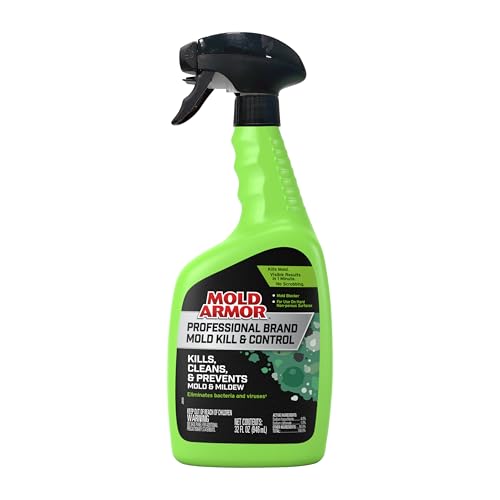 Mold Armor Mold & Mildew Remover Mold Armor Mold & Mildew Remover | Widely stocked bathroom/surface remover. | Amazon — $22.98 |