Mold Removal Chicago: A Homeowner’s Guide
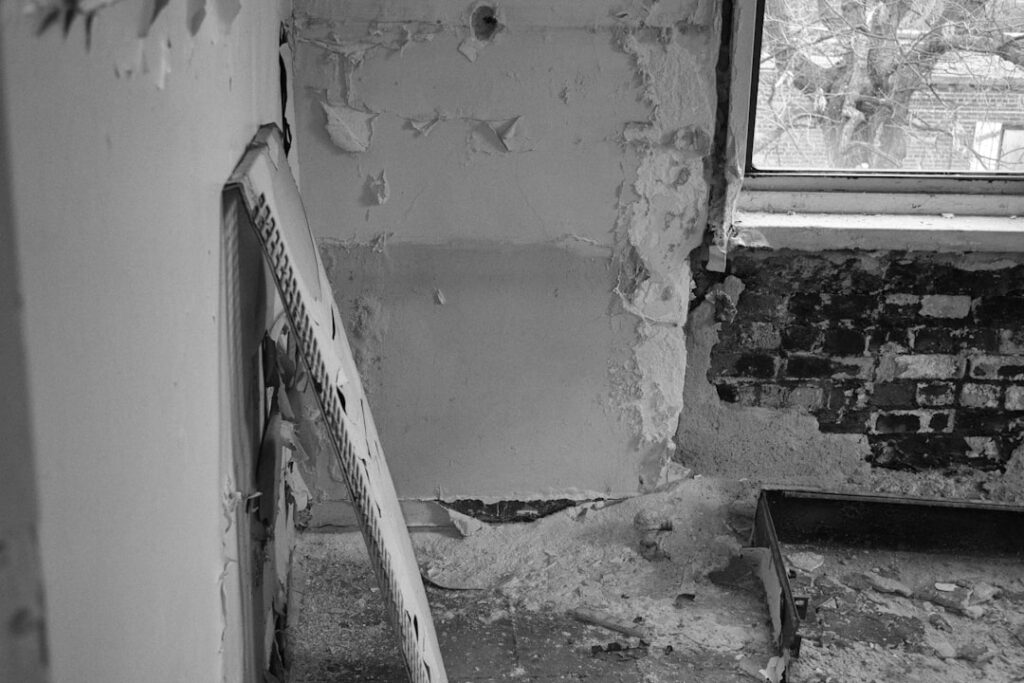
Mold removal Chicago homeowners need is driven by the city’s climate and housing: humid summers, freeze-thaw winters, lake-effect moisture, and a vast stock of older brick two-flats and bungalows with basements that flood. Those conditions make hidden mold common, even in well-kept homes. Understanding how removal works, what it should cost, and how to vet a contractor protects against both the problem and the upsell. This guide summarizes EPA and CDC guidance current as of 2026 and is general information rather than medical or legal advice; consult a physician about symptoms and a qualified professional for any sizable removal decision.
Is this mold, asbestos, or water damage? Get a free instant screen
Upload a clear photo of the suspect area. You'll get an instant AI screening opinion and what to do next. This is screening guidance, not a professional determination.
Screening guidance only. AI can be wrong. Confirm asbestos, mold type, or lead with lab testing or a licensed professional before acting.
What mold removal in Chicago actually involves
“Removal” is the everyday word, but professionals call the full job remediation, because the goal is to remove active growth and correct the moisture that caused it. A competent Chicago contractor follows the EPA’s standard sequence: find and stop the water source, contain the work area with sheeting, run HEPA-filtered negative air pressure, remove porous materials that cannot be cleaned, HEPA-vacuum and damp-wipe salvageable surfaces, dry the structure thoroughly, and verify the result before rebuilding. The aim is normal background spore levels, not a sterile home.
Chicago’s specifics shape the work. Basements are the dominant battleground: many flood during heavy summer storms or when combined sewers back up, soaking drywall, carpet, and stored belongings. Freeze-thaw cycles crack masonry and let water seep through foundation walls. Older homes may have minimal basement ventilation and aging vapor barriers. A removal that cleans the visible patch but ignores a recurring basement water problem will fail, which is why the moisture diagnosis comes first in any honest scope.
How much does mold removal cost in Chicago?
Cost scales with the size and location of contamination and how much material must be removed and replaced. Industry estimates put small, contained jobs in the low four figures, while larger projects involving basement drywall demolition, carpet and pad removal, HVAC cleaning, and reconstruction run considerably higher. Chicago labor and disposal rates sit near or above the national average, so local quotes tend toward the upper portion of typical ranges.
Key cost drivers include affected square footage, whether mold reached wall cavities or ductwork, the containment and air-scrubbing equipment required, structural drying after a flood, and the cost of replacing finishes. Basement flood remediation often adds water extraction and dehumidification to the scope. Always get the moisture source diagnosed before paying for removal, because a basement that floods again will reseed the mold. Our overview of mold removal and remediation breaks down how these line items combine.
Why Chicago basements drive most mold jobs
A flooded or chronically damp basement pushes moisture into framing, subfloor, and insulation, where mold colonizes surfaces that are out of sight. Remediation there typically includes extracting standing water, removing soaked drywall and carpet padding, treating wood, drying with commercial dehumidifiers, and improving drainage or sealing to prevent recurrence. Addressing the basement often clears musty odors that seemed to come from the rooms above, because that is where the moisture was originating.
Chicago’s combined sewer system raises a specific complication: during heavy storms, sewers can back up into basements, introducing contaminated water rather than clean rainwater. That changes the cleanup, because materials touched by sewage are treated as a higher contamination category and are more likely to require removal rather than cleaning. A remediator who recognizes the difference between a clean-water seepage and a sewer backup will scope the two very differently, and a homeowner should disclose which occurred so the work matches the actual contamination. Misjudging that distinction either wastes money on over-removal or, worse, leaves contaminated material in place.
Health considerations and when to leave it to pros
The CDC notes that indoor mold exposure can cause nasal congestion, throat irritation, coughing, eye and skin irritation, and stronger reactions in people with asthma, allergies, or weakened immune systems. The color of a mold does not reliably indicate its risk, so the response is removal and moisture control regardless of species. The EPA advises homeowners can clean isolated patches under about 10 square feet, while larger contamination, HVAC mold, and growth following flooding or sewage backup should go to professionals using containment.
This matters in Chicago because sewer-backup floods can introduce contaminated water, raising the stakes beyond ordinary mold. Disturbing a large colony without containment spreads spores through the home and can worsen exposure. Households with respiratory conditions should lean toward professional handling. Readers tracking symptoms can review our guide to mold allergy symptoms before consulting a doctor.
How to vet a mold removal company in Chicago
Illinois licenses mold remediation contractors and assessors under state rules, which gives Chicago homeowners a verification step many states lack. Confirm the contractor’s state license is current, that they carry general liability insurance, and that they provide a written scope naming the moisture source and the verification method. Be wary of any firm promising to “kill all mold,” guaranteeing a permanently mold-free home, or pushing whole-house treatments after a quick look.
Ask whether the same company performs both removal and clearance testing, and prefer independent clearance to avoid a company grading its own work. Request local references, verify licensing and insurance, and compare two or three detailed quotes. Widely different totals usually reflect different diagnoses of the underlying water problem. For a broader vetting framework, our mold inspection and testing hub and our guide to choosing a mold test company outline the right questions.
Preventing mold from returning in the Chicago climate
Removal holds only if the moisture stays controlled. Keep basement and indoor relative humidity below 50 percent with dehumidifiers, install or maintain a sump pump and consider a backup for storm-season flooding, seal foundation cracks, and grade soil and extend downspouts so water drains away from the house. Run bathroom and kitchen exhaust fans, insulate cold exterior walls to limit winter condensation, and inspect the basement after every heavy rain. These habits remove the standing dampness that lets surface mold rebloom.
Keep documentation of the completed removal and any clearance results. In a city where basement water history is a standard buyer question, that paper trail shows the problem was corrected at the source rather than concealed before a sale.
What to expect during a Chicago removal project
A typical project opens with an assessment that maps the affected area, traces the moisture source, and produces a written scope. The crew seals the work zone with plastic sheeting and runs negative-air machines with HEPA filtration so spores cannot migrate into clean areas. In a flooded basement, water extraction and drying come first, followed by removal of soaked drywall, carpet padding, and contaminated insulation, all bagged for disposal. Salvageable framing and hard surfaces are HEPA-vacuumed and damp-wiped. Commercial dehumidifiers and air movers then dry the structure, a step verified with moisture readings rather than guessed, before any rebuilding begins.
Basement-specific work often adds drainage improvements, sump-pump installation or upgrades, and crack sealing to keep storm water out, since cleaning without addressing the inflow guarantees a repeat. The drying phase is usually the longest and should not be rushed; a contractor who closes up walls before moisture readings confirm a dry cavity has not finished the job. Expect daily progress notes and, at completion, documentation of the moisture readings and the clearance result that confirms the work succeeded.
Insurance and documentation considerations
Whether homeowners insurance helps with a Chicago mold project depends on the cause and the policy. Many policies cover mold resulting from a sudden, accidental, covered event such as a burst pipe, while excluding mold from gradual leaks or from surface-water and sewer-backup flooding, which typically require separate flood or sewer-backup endorsements common in flood-prone Chicago neighborhoods. Mold payouts are also frequently capped at a fixed amount. Reviewing the policy’s mold and water-damage provisions before a claim, and documenting the triggering event, decides whether a loss is covered.
Keep photographs of the damage and the moisture source, the contractor’s written scope, invoices, moisture readings, and the clearance report. That file supports an insurance claim and reassures future buyers, who in Chicago routinely ask about basement water history. A neutral third-party clearance report carries the most weight because the assessor has no financial stake in the size of the bill. For sellers, that documentation often keeps a buyer’s inspection from reopening a problem that was already corrected at the source.
The Chicago climate drivers behind hidden mold
Chicago’s weather attacks a home’s moisture defenses from several directions across the year, and each leaves a different signature. Summer brings humid heat and intense storms that overwhelm drainage and back up combined sewers into basements. Winter brings repeated freeze-thaw cycles, where water seeps into masonry pores, foundation cracks, and brick mortar, then expands as it freezes, widening the gaps and opening new paths for the next thaw’s meltwater. Lake-effect moisture off Lake Michigan keeps ambient humidity elevated, and the older housing stock, brick two-flats, bungalows, and graystones, often pairs minimal basement ventilation with aging or absent vapor barriers.
The result is that water finds its way into framing, subfloor, and insulation through routes a homeowner rarely sees. A foundation crack that looks cosmetic admits seepage during every heavy rain; a basement that feels merely cool actually holds humid, stagnant air that condenses on cold masonry and feeds surface growth. Because so much of this happens below the living space and out of sight, Chicago mold is frequently discovered late, after the musty smell reaches the main floor or a finished basement wall stains. Recognizing which driver is at work, storm flooding, sewer backup, freeze-thaw seepage, or chronic humidity, is what lets a remediator and a homeowner target the actual water source rather than repeatedly cleaning the symptom.
Cleaning a small patch safely after a minor leak
For a small, clean-water patch under roughly 10 square feet on a hard surface, a Chicago homeowner can follow the EPA’s cleanup sequence. Wear an N95 respirator, rubber gloves, and non-vented goggles, since scrubbing lofts spores. Clean the surface with detergent and water, which the EPA favors over bleach for routine cleanup of hard surfaces, then dry the area thoroughly, because residual dampness in a cool basement invites the growth straight back. Ventilate to the outside where possible without blowing spores into the rest of the house.
One Chicago-specific caution governs this entirely: the cleanup only applies to clean water. If the moisture came from a sewer backup, common during heavy storms when combined sewers surcharge, the water is contaminated, and the affected porous materials should be removed by professionals rather than wiped down by a homeowner, regardless of how small the area looks. Likewise, drywall, carpet padding, and insulation that have absorbed mold generally cannot be salvaged and need removal. If a basement patch keeps returning after cleaning, the underlying water intrusion, a foundation crack, a failing sump, or poor exterior grading, is still active and must be fixed before any cleanup will hold.
When to call a professional
Call a professional when the affected area exceeds roughly 10 square feet, when mold recurs after cleaning, when it appears in ductwork, after any basement flood or sewage backup, or when a household member has a respiratory condition. Verify the contractor’s Illinois license, and pair the removal with independent clearance, especially during a real estate transaction. An honest moisture diagnosis, contained removal, and third-party verification together convert a one-time cleanup into a lasting fix in a climate that keeps testing it.
References
- Mold Cleanup in Your Home — U.S. Environmental Protection Agency
- About Mold and Health — Centers for Disease Control and Prevention
- Mold Remediation in Buildings — U.S. Environmental Protection Agency
- Mold and Dampness — American Lung Association
If you are buying or selling along the Colorado Front Range and want an independent read on a basement or mold issue, get in touch through our contact page to connect with a vetted local inspector.
Mold removal & cleanup picks
For a small, contained patch (under ~10 sq ft) these EPA-friendly removers handle surface mold. Larger or recurring growth warrants a professional assessment first.
| Product | Why | Buy |
|---|---|---|
 RMR-86 Instant Mold Stain Remover RMR-86 Instant Mold Stain Remover | Fast-acting on stains; ventilate and wear PPE. | Amazon — $25.99 |
 Concrobium Mold Control Concrobium Mold Control | No-bleach formula that also helps prevent regrowth. | Amazon — $13.48 |
 Mold Armor Mold & Mildew Remover Mold Armor Mold & Mildew Remover | Widely stocked bathroom/surface remover. | Amazon — $22.98 |