Mold Inspection Chicago IL: What Homeowners Need to Know
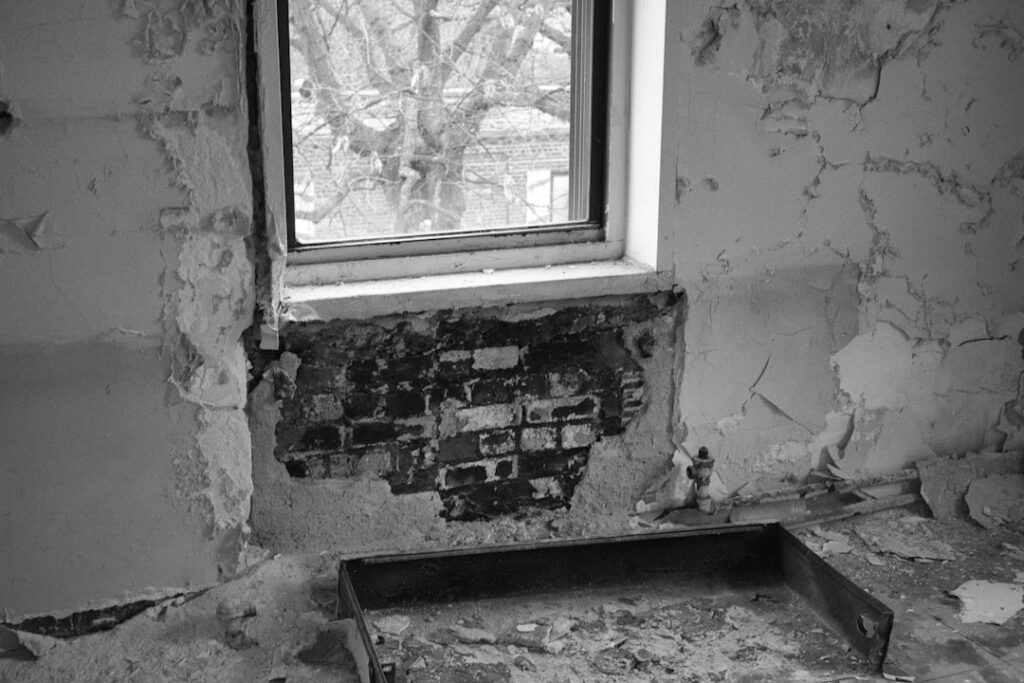
A search for a mold inspection in Chicago IL usually follows a specific concern: water in a basement after a heavy spring storm, a stain near a ceiling fixture below a second-floor bathroom, ice dam damage that surfaced in the thaw, or a buyer wanting verification before closing on a Bungalow Belt two-flat. This guide explains what a mold inspection in Chicago IL covers, how Illinois regulates the work, and how the city’s continental climate produces a distinctive pattern of mold and moisture problems. The summary reflects EPA and CDC mold guidance current as of 2026 and is not a substitute for advice from a physician on health symptoms or a certified inspector on testing decisions. InspectandTest’s service area is the Colorado Front Range. The principles in this guide apply nationally, but readers in Chicago should look for ASHI/InterNACHI-certified local inspectors familiar with Midwest basement construction.
Is this mold, asbestos, or water damage? Get a free instant screen
Upload a clear photo of the suspect area. You'll get an instant AI screening opinion and what to do next. This is screening guidance, not a professional determination.
Screening guidance only. AI can be wrong. Confirm asbestos, mold type, or lead with lab testing or a licensed professional before acting.
What a Chicago Mold Inspection Covers
A residential mold inspection is a structured assessment of a property to find visible mold growth, the moisture conditions producing it, and the corrective path. It is distinct from remediation. A credible inspector should not be the company that quotes the cleanup work, because that combination creates a financial incentive to find more problems than actually exist. Our broader homeowner guide to mold inspection and testing spells out the boundary between assessment and cleanup and why the separation matters for report integrity. In Chicago, much of the inspection time concentrates on basements, attics, and the overlap between radon mitigation systems and basement moisture management — three areas where the Midwest climate creates ongoing risk.
EPA guidance frames mold investigation around three deliverables: identification of moisture source, documentation of extent, and a corrective recommendation. The inspector typically pairs a visual walkthrough with moisture meters, thermal imaging, and sometimes air or surface sampling sent to an accredited laboratory. For broader context, the [mold inspection and testing hub](https://inspectandtest.net/mold-inspection/) describes the field generally and the tools commonly used.
How Chicago’s Climate Shapes Mold Risk
Chicago sits in a humid continental climate. Summers are warm and humid with thunderstorm-driven moisture surges, winters are cold with deep frost penetration, and the freeze-thaw transitions in fall and spring create unique conditions for water intrusion. Snow melt drives water against foundation walls in late winter, and ice damming on poorly insulated attic eaves pushes meltwater back under roof shingles into ceiling cavities. The Great Lakes effect adds humidity to summer and snow loads to winter.
The CDC notes that indoor mold needs a sustained moisture source plus porous building materials. In Chicago, those sources show up predictably: basement walls below grade where hydrostatic pressure forces water through cracks, ceiling areas under bathroom drains where chronic small leaks soak drywall, attic eaves where ice dams have wet roof sheathing, and window frames where condensation forms on single-pane glass during cold snaps.
The Basement-Radon-Mold Overlap
Illinois ranks among the higher-radon states nationally, and Chicago basements often have both radon and mold concerns at once. The Illinois Emergency Management Agency’s radon program documents the prevalence. Radon mitigation systems that depressurize sub-slab soil can incidentally reduce moisture vapor migration through the slab, but they don’t fix bulk water entry through cracks or foundation joints. An inspector evaluating a Chicago basement should look at the full moisture picture, not just visible mold or visible water alone. Many homeowners arrive at mold inspection after a separate radon test, which can be a useful pairing.
What Credentials a Chicago Mold Inspector Should Carry
Illinois licenses home inspectors under the Illinois Department of Financial and Professional Regulation, but does not maintain a separate mold inspector license. Credentials therefore come from a mix of state home-inspector licensure plus voluntary trade certifications. Look for inspectors who hold a current Illinois home inspector license, InterNACHI certification with mold-specific continuing education, ASHI membership, or American Council for Accredited Certification (ACAC) credentials such as Council-Certified Microbial Investigator.
Independence matters. Ask whether the inspector or the company also performs remediation services. If yes, the report’s recommendations are difficult to evaluate at face value. Errors and omissions insurance specific to mold work, partnerships with AIHA-LAP accredited laboratories for any sampling, and willingness to provide a sample report before booking are all reasonable to request.
How the Inspection Process Works
A standard residential mold inspection in Chicago runs two to four hours for a typical bungalow or two-flat. It usually begins with an intake conversation: reported symptoms, known moisture events, recent renovations, history of basement flooding, and any visible problems the homeowner has already found. The inspector then walks the property systematically, starting with the basement and working up.
Moisture readings come next. Pin meters and pinless meters quantify moisture content in framing lumber, subfloor, drywall, and trim. Wood readings sustained above 20% are considered “wet” and a strong predictor of fungal growth. Thermal imaging flags temperature differentials behind finished surfaces — useful for spotting hidden moisture above bathrooms or behind kitchen cabinets without invasive demolition. The [process walkthrough for how mold inspections are conducted](https://inspectandtest.net/guides/how-is-a-mold-inspection-done/) covers each step in more detail.
Air sampling, when included, draws ambient air through a spore-trap cassette for five to ten minutes. A matched outdoor sample is taken at the same time. Lab comparison of indoor versus outdoor counts genus by genus is what makes the data interpretable; raw indoor spore counts alone mean little without the outdoor baseline. Our explainer on mold testing methods details how the indoor/outdoor pairing turns raw spore counts into actionable data.
Common Chicago Mold Findings
Inspectors who work Cook County see a consistent pattern. Basement wall mold above grade where outside soil grading drains toward the foundation, particularly in older homes without exterior waterproofing membranes, is the most common single finding. Attic mold on roof sheathing from inadequate ventilation appears in many bungalow attics where intake soffit vents have been blocked by blown-in insulation.
Ice-dam damage in late winter produces a wave of springtime mold calls. Water that backed up under shingles during a January thaw soaks the ceiling drywall in upper rooms; the moisture stays trapped until temperatures warm enough to support fungal growth in March and April. Old galvanized supply lines develop slow pinhole leaks behind walls and cabinets; copper pipes have their own issue with pinhole corrosion in some Chicago neighborhoods with aggressive water chemistry.
Two-Flat and Three-Flat Considerations
Chicago’s signature multi-unit building stock — the two-flat, three-flat, and four-plus-one — creates inspection challenges because moisture in one unit may originate in another. A leak in the upstairs bathroom shows up as mold in the downstairs ceiling. Inspectors need access to all units to trace the source, which requires coordination with landlords or condo boards. Tenant inspections specifically often require additional permission and access logistics.
Pre-Purchase Inspections and the Chicago Market
The Chicago real-estate market has made mold inspection a routine consideration in many transactions, particularly for the older single-family housing stock common in neighborhoods like Logan Square, Lincoln Square, Hyde Park, and the Bungalow Belt. Buyers typically schedule a mold inspection during the attorney-review or inspection contingency period, often after the general home inspection has flagged basement or attic moisture concerns.
Two-flat and three-flat buildings present particular complexity. Inspection scope needs to account for moisture flowing between units (a leak in the upper unit causing mold in the lower), shared HVAC systems where contamination can move between units, and shared basement spaces where one tenant’s stored items may have produced fungal conditions affecting the building generally. Buyers of these buildings benefit from inspectors with multi-unit experience who can read inter-unit moisture flows accurately.
Seller-paid pre-listing inspections are less common in Chicago than in some markets but do occur. As with any third-party-paid report, buyers should evaluate the inspector’s credentials, methodology, and independence from any remediation work that might follow. A clean seller’s report can be reassuring; one that recommends remediation may indicate negotiation leverage rather than a deal-killer.
Cost Expectations in Chicago
Standalone visual mold inspections with moisture readings typically cost $300 to $600 in the Chicago market. Adding paired indoor/outdoor air sampling brings the total to $500 to $900 depending on the number of samples and lab fees. Pre-purchase inspections combined with general home inspection can sometimes be more economical when scheduled together.
Free mold inspections offered by remediation companies should be evaluated skeptically. The conflict of interest is built into the business model. An independent paid inspection, while costing more upfront, typically produces a more defensible report and rarely leads to inflated remediation scopes.
Seasonal Patterns in Chicago Mold Calls
Inspectors who work Cook County track a clear seasonal rhythm. Spring is the highest call volume because that’s when snowmelt drives water against foundation walls and ice-dam damage from January and February surfaces as ceiling stains. Homeowners who tolerated minor basement seepage through the cold months start to see active growth as temperatures rise. Summer brings a second wave from sustained humid conditions that allow growth on substrates that stayed marginal through winter. Fall calls are typically related to pre-winter preparation as homeowners notice problems while closing up basement windows and adjusting HVAC for cold-weather operation.
Winter calls are fewer but often signal more serious underlying issues. Active growth during below-freezing exterior conditions usually means a substantial indoor moisture source — chronic plumbing leak, basement water entry, or major condensation problem — that’s overcoming the natural drying that cold air provides. Pre-purchase inspections during winter benefit from the contrast: any visible moisture or growth during the cold season indicates an active source rather than a transient seasonal pattern.
What Comes After the Report
A useful mold report identifies the moisture source, documents the contamination extent, and recommends corrective steps. Per EPA guidance, isolated visible mold on hard surfaces under ten square feet can often be cleaned by the homeowner with detergent and water. Larger contaminations, growth on porous materials like drywall and insulation, hidden growth behind finishes, or HVAC-system involvement typically warrant professional remediation following IICRC S520 standards.
Fixing the moisture source is the priority. Cleanup without source correction means mold returns within weeks or months. In Chicago, source correction often involves regrading soil away from the foundation, extending downspouts, installing or upgrading sump systems, and improving attic ventilation to prevent ice-dam recurrence. For homes with finished basements, addressing the conditions that produced the original growth often means rethinking the basement-finish strategy itself — drywall on furring strips over concrete walls without adequate insulation is a known vulnerability in this climate, and rebuilds following remediation frequently incorporate rigid foam insulation, capillary breaks at the slab, and improved vapor management.
Documentation matters for follow-up. A capable inspector’s report includes baseline moisture readings, photographs of key areas, and recommendations for monitoring after corrections are made. Tracking conditions over the next several seasons confirms whether the source correction is working, and provides a documented history if mold issues recur or if the home is sold in the future.
For homeowners outside our service area, the InterNACHI member directory at nachi.org is a good starting point for finding a certified local inspector.
References
- Mold and Health — U.S. Environmental Protection Agency
- Basic Facts About Mold — Centers for Disease Control and Prevention
- Mold Cleanup in Your Home — U.S. Environmental Protection Agency
- Mold Inspection Standards — InterNACHI
For homeowners outside our service area, the InterNACHI member directory at nachi.org is a good starting point for finding a certified local inspector.