Mold Remediation Kit: What Homeowners Need to Know
Search results for a mold remediation kit usually surface a box containing an antimicrobial spray, a few wipes, and a respirator mask. The marketing copy suggests a homeowner can buy the kit, follow the instructions, and remove a mold problem from a wall, basement, or HVAC closet over a weekend. The reality is more complicated. True mold remediation is a process built around containment, source-moisture correction, and physical removal of contaminated material, and almost none of those steps come in a box. This guide summarizes EPA and CDC guidance current as of 2026, explains what a remediation kit actually contains, and outlines when a Front Range homeowner should call a licensed remediator instead. Consult a certified professional for any visible mold area larger than ten square feet.
Is this mold, asbestos, or water damage? Get a free instant screen
Upload a clear photo of the suspect area. You'll get an instant AI screening opinion and what to do next. This is screening guidance, not a professional determination.
Screening guidance only. AI can be wrong. Confirm asbestos, mold type, or lead with lab testing or a licensed professional before acting.
What a mold remediation kit actually is
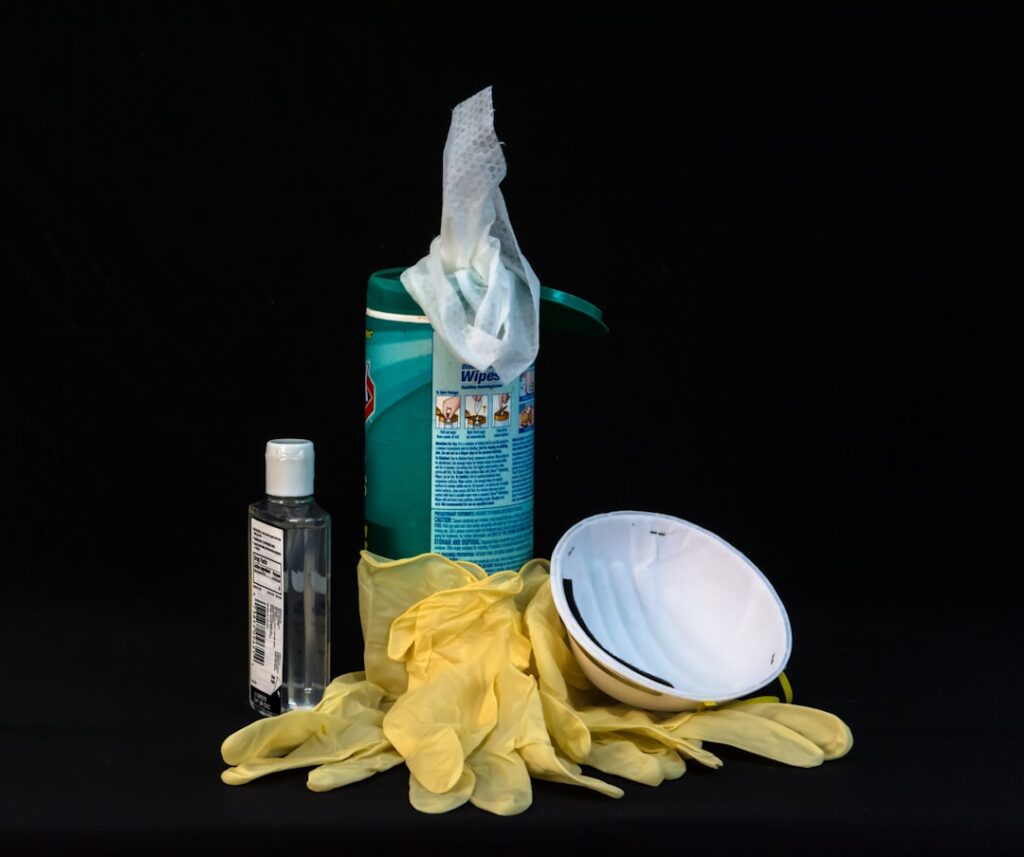
Most products marketed as a mold remediation kit are bundles of consumer antimicrobials, fungicides, or surfactant sprays packaged with light personal protective equipment. A typical box might include a one-gallon sprayer, a quaternary-ammonium cleaning solution, an N95 mask, nitrile gloves, and a microfiber wipe. The implication is that a homeowner can apply the chemistry to a stained surface, wait, wipe, and call the job finished. None of these kits include the structural elements of a real remediation job: plastic containment sheeting, negative-air HEPA scrubbers, a moisture-source repair, or post-clearance verification testing. They are surface treatments dressed up as remediation, and homeowners should read the labels carefully before assuming the kit does more than disinfect.
Why true remediation cannot be packaged in a box
The EPA’s mold remediation guidance for schools and commercial buildings is one of the most-cited references in the residential field, and it lists six elements that any remediation has to address. The list includes finding and fixing the moisture problem, communicating with occupants, sizing the cleanup, using appropriate PPE, containing the work area, and cleaning or removing the contaminated material. Each of those elements requires field judgment, not a product. A kit cannot diagnose whether the moisture is coming from a slab leak, a vapor barrier failure, or a missing kitchen vent. It cannot decide whether a piece of drywall is salvageable or whether the gypsum has to be cut out at the next stud. The package can sell chemistry, but it cannot sell the workflow that makes the chemistry meaningful.
The source-moisture problem
Mold needs water. If a homeowner sprays a wall with an antimicrobial but never finds the leaking supply line, the failed grade outside the basement, or the bathroom fan that never vented to the exterior, the colony will return. Source-moisture correction is the most important step in any remediation, and it is also the step least amenable to a kit. The homeowner has to find the moisture pathway, repair the pathway, then verify the repair held. Spraying first and looking later is the most common failure mode in DIY mold work.
Containment: the step kits almost always skip
Professional remediators build plastic-sheeting enclosures around mold work areas to prevent spore release into adjacent rooms. They run HEPA-filtered negative-air machines so the enclosure pulls air inward, not outward. They tape off HVAC supplies and returns so airflow does not carry spores to a different floor. None of this fits in a retail kit. When a homeowner scrubs a moldy basement wall without containment, they are aerosolizing the spores the EPA wants kept localized. CDC indoor-air guidance is clear that bystanders, especially children and immunocompromised occupants, should be kept clear of any active mold disturbance. A kit that does not include containment plastic and tape is not a remediation kit. It is a cleaning kit.
When a small DIY job is reasonable
EPA guidance does carve out a category of work that homeowners can attempt safely. If the mold area is smaller than ten square feet, on a hard non-porous surface, and the moisture source has been identified and repaired, a homeowner can wear an N95 respirator, gloves, and eye protection, then wipe the area with a detergent-and-water solution. That is essentially what most retail kits are sold to do. Used inside those boundaries, the kits are reasonable for a small bathroom-grout stain or a corner of the laundry room behind the washer. Used outside those boundaries, on porous materials or larger areas, they create more risk than they remove.
Hard surface vs porous material
Mold growing on tile, glass, finished metal, or sealed concrete can usually be wiped off because the hyphae do not penetrate the material. Mold growing on drywall paper, framing lumber, carpet, ceiling tile, or upholstered furniture penetrates the substrate, and surface cleaning does not reach the colony. Kits that promise to remove mold from drywall are technically applying biocide to the visible surface while the colony below the paint continues to grow. The right step on porous material is removal, not cleaning, and a sprayer-and-wipe kit cannot do removal.
What homeowners can realistically buy
If the search for a remediation kit was prompted by a small visible stain in a kitchen or bathroom, a homeowner can assemble a credible cleanup pack themselves for less money than the branded kits. An N95 respirator from a hardware store, a box of nitrile gloves, safety glasses, a spray bottle filled with detergent and water, and a roll of plastic sheeting for impromptu containment will cover most jobs under ten square feet. For testing before and after the cleanup, an air-cassette or tape-lift sample sent to a lab gives a defensible record. Our overview of mold sample testing walks through which lab method matches which question, and the broader mold inspection and testing hub explains when sampling is worth the cost.
Antimicrobial sprays: what they actually do
The chemistry inside most remediation kits falls into a few categories: quaternary ammonium compounds, hydrogen-peroxide-based oxidizers, sodium hypochlorite (bleach) at consumer dilutions, and botanical thymol or citric-acid formulations. These chemicals kill mold cells on a wetted surface and can lighten the visual stain. They do not remove dead spore proteins, which still trigger allergic and asthmatic responses in sensitized occupants. They also do not penetrate porous materials beyond a few millimeters. CDC guidance specifically notes that killing mold without removing the underlying material is incomplete remediation for porous substrates.
When to skip the kit and call a professional
Several conditions push a job out of DIY territory regardless of how good the kit looks on the shelf. A visible mold area larger than ten square feet, mold inside an HVAC system, mold from a sewage backup or category-three water loss, mold behind drywall confirmed by a borescope, and any case where an occupant is immunocompromised or has documented mold-related illness all warrant a licensed remediator. Front Range homeowners can find an InterNACHI-credentialed inspector through the association directory to scope the job before bidding remediation work. Our guide to finding the source of mold in your home covers the diagnostic steps that should happen before any chemistry hits the wall.
HVAC mold is its own category
Spray-and-wipe products are never appropriate inside an HVAC system. The coil, blower, and ducts distribute air to every room, so any disturbance during cleaning spreads spores system-wide. Mold inside an HVAC system requires a NADCA-certified duct cleaner working with a remediator, not a homeowner with a fogging sprayer. ASHRAE standards on indoor environmental quality and HVAC hygiene reinforce this separation of work.
How to evaluate a kit before buying
If a homeowner still wants to buy a packaged kit for a small job, three label checks help filter the field. First, look for an EPA registration number on the antimicrobial. Unregistered “mold removers” make claims they cannot legally support. Second, verify the kit includes at least an N95 respirator, not just a dust mask. Third, read the product label for substrate limits. Most consumer antimicrobials list non-porous surfaces only, which means the kit is not legally allowed to make removal claims on drywall, wood framing, or carpet. A kit that passes all three checks is reasonable for a small bathroom or basement-corner job, provided the moisture source has already been fixed.
How to do a small remediation job properly
For a job inside the ten-square-foot DIY threshold, the sequence is straightforward. Find the moisture source, stop it, and verify the substrate behind the stain has dried below twenty percent on a pin-type moisture meter. Tape plastic sheeting across doorways and HVAC vents in the room. Put on N95, gloves, and eye protection. Wet the moldy surface lightly with a detergent solution to suppress spore release, then wipe the area into a sealed bag. Dispose of porous materials rather than treating them. Run a HEPA vacuum across the perimeter once the visible mold is gone. Document the work with photos so a future buyer or insurer can see what was done.
Post-cleanup verification
A remediator considers a job finished only after verification, not after the visible stain disappears. The verification step that homeowners can replicate is a side-by-side comparison of indoor and outdoor air-cassette samples taken at least 24 hours after the cleanup, with the room sealed during the sample period. Indoor spore counts should track outdoor counts for the species present. A persistent indoor spike for Penicillium, Aspergillus, or Stachybotrys after a cleanup tells the homeowner that either the moisture source returned or the material that was supposedly cleaned still harbors a colony. The verification samples cost roughly the same as the kit and provide a defensible record, which the kit alone does not.
What kits get wrong about mold biology
Mold colonies grow as networks of hyphae that send tendrils into porous substrates and then release spores when the network matures or when the substrate dries out. A spray that contacts the visible surface kills the cells it touches but does not reach the embedded hyphae or the dormant spores already released into the room. Several days after a spray-and-wipe cleanup, the same surface can support visible regrowth because the hyphal mat under the paint reactivated. Kits do not explain this biology on the label. Homeowners reading the package see a one-step solution, then experience the regrowth and conclude that mold is impossible to remove. The real conclusion is that surface chemistry alone is not removal.
Spore proteins survive antimicrobials
NIH and peer-reviewed indoor-environmental research is consistent that dead spores still carry the proteins that drive allergic and asthmatic reactions in sensitized people. A kit that kills mold may leave the spore residue intact, which means symptomatic occupants can still react to a surface that no longer looks moldy. This is one reason removal of porous material outranks chemical kill in EPA and CDC remediation guidance for any person with documented mold sensitivity.
Cost reality check
Branded remediation kits at consumer retail typically run forty to one hundred and twenty dollars depending on bottle size and PPE included. A licensed remediation job for a single bathroom wall or a small basement-corner area in the Denver metro often quotes between fifteen hundred and four thousand dollars when containment, HEPA filtration, material removal, and post-clearance testing are included. The price gap is dramatic, which is why kits sell well, but the gap also reflects the difference in scope of work. A kit is buying surface cleaning. The professional bid is buying containment, removal, source repair, and verification. Buyers who realize they need the latter and bought the former usually have to redo the work, which is the worst financial outcome.
References
- Mold Remediation in Schools and Commercial Buildings — U.S. Environmental Protection Agency
- Mold Cleanup and Remediation Guidance — Centers for Disease Control and Prevention
- InterNACHI Mold Inspection Reference — International Association of Certified Home Inspectors
- A Brief Guide to Mold, Moisture, and Your Home — U.S. Environmental Protection Agency
If you are weighing a small DIY job against a full remediation in the Denver metro or Front Range, our team can connect you with a vetted inspector who scopes the work before any chemistry gets sprayed. Reach out through our contact page to start a conversation.