Mold Inspection Wilmington NC: A Coastal Homeowner Guide
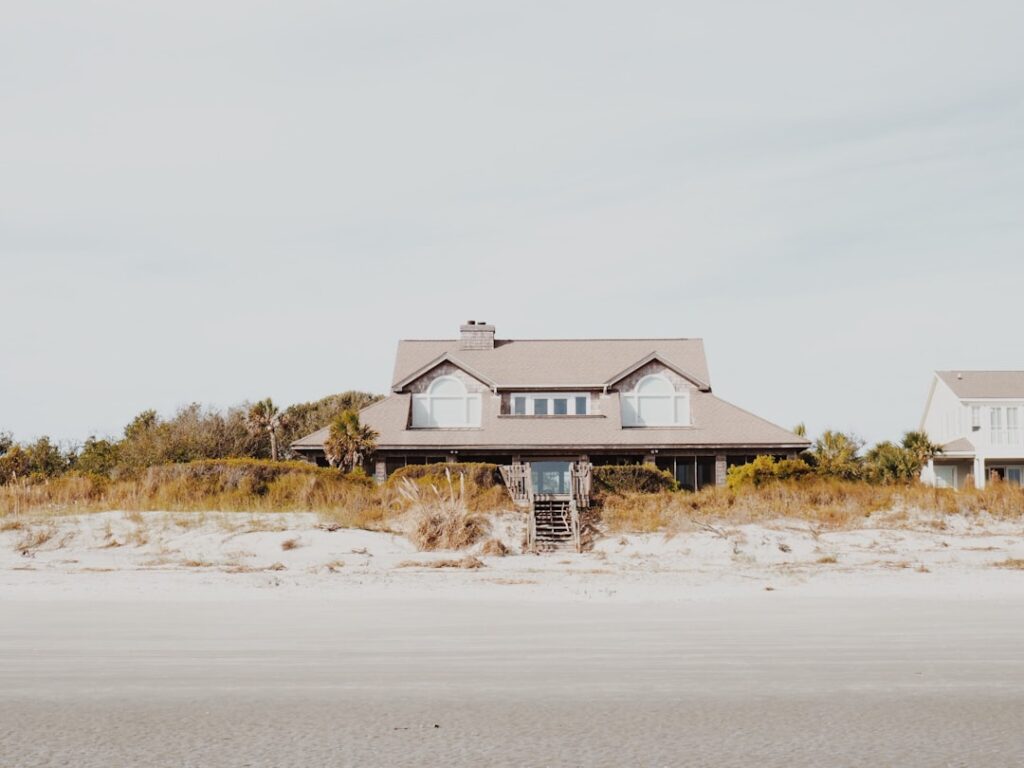
Wilmington sits on the southeastern North Carolina coast where the Cape Fear River meets the Atlantic. The subtropical maritime climate delivers year-round humidity, intense summer thunderstorms, and a hurricane season that has produced several catastrophic recent events including Florence in 2018 and Ian in 2022. Combined with a mixed housing stock of pre-1900 downtown townhomes, mid-century Wrightsville Beach cottages, and newer Mayfaire and Porters Neck developments, the region produces a layered mold-risk profile. InspectandTest’s service area is the Colorado Front Range. The principles in this guide apply nationally, but readers in Wilmington should look for ASHI/InterNACHI-certified local inspectors. This guide summarizes EPA and CDC guidance current as of 2026 and is not a substitute for an on-site assessment.
Part of our Mold Testing & Inspection guide — start there for the full picture →
Is this mold, asbestos, or water damage? Get a free instant screen
Upload a clear photo of the suspect area. You'll get an instant AI screening opinion and what to do next. This is screening guidance, not a professional determination.
Screening guidance only. AI can be wrong. Confirm asbestos, mold type, or lead with lab testing or a licensed professional before acting.
What a Wilmington Mold Inspection Covers
A residential mold inspection across New Hanover County is a structured visual and instrument-aided assessment of moisture, ventilation, HVAC condition, and observable fungal growth. The inspector takes moisture meter readings on drywall, baseboards, plaster (in older homes), and subfloors, uses an infrared camera to identify thermal anomalies in walls and slabs, and photographs each observed colony. When laboratory confirmation is warranted, air cassettes or surface samples go to an AIHA-LAP accredited lab.
Wilmington inspections give heavy attention to HVAC air handler condensate systems, salt-air-related wall assembly corrosion, post-hurricane recovery zones, and elevated coastal cottage crawl spaces. A typical single-family inspection runs two to three hours. EPA guidance is consistent: visible mold rarely requires species identification before remediation, because the response is the same regardless of genus.
Why Wilmington’s Coastal Climate Drives Year-Round Mold
Wilmington averages 57 inches of annual rainfall with dew points routinely above 70 degrees Fahrenheit from May through October. The CDC associates sustained indoor relative humidity above 60 percent with mold growth. Coastal HVAC systems must work continuously to keep indoor humidity below that threshold. Salt-laden air accelerates corrosion of HVAC coils, refrigerant lines, and metal flashings. Saltwater intrusion in older sub-grade utilities adds a chronic moisture pathway in beach-adjacent neighborhoods.
Hurricane and tropical storm exposure produces episodic catastrophic moisture loading. Florence in 2018 dumped more than 30 inches of rain on parts of the Cape Fear region. Storm-driven wind and rain enter wall assemblies through compromised flashing, roof-wall transitions, and elevated-house perimeter sealing. The InspectandTest mold inspection knowledge hub covers the building science of humidity control and post-storm drying in depth.
Common Mold Locations in Wilmington Homes
Inspectors describe a recognizable pattern across local housing stock.
HVAC Air Handler Mold
Coastal HVAC systems run continuously to dehumidify indoor air. Condensate drain clogs back water into air handler closets, fueling drywall mold. Salt-air coil corrosion adds secondary failure pathways. Inspectors find this pattern in roughly one in three Wilmington homes built between 1990 and 2010.
Elevated Cottage Crawl Spaces
Wrightsville Beach, Carolina Beach, and Kure Beach cottages are elevated on piers above coastal flood levels. The vented crawl space catches humid coastal air all summer, and floor joists develop mold on the underside of subfloors. Encapsulation with sealed vapor barriers and dehumidifiers addresses the root cause.
Post-Hurricane Wall Cavity Mold
Storm-driven wind and rain saturate sheathing, framing, and insulation. If the building is not dried within 48 to 72 hours, colonization begins. Hurricane recovery mold often appears in concealed wall cavities weeks after the storm, well after the visible signs of water intrusion have dried.
How a Wilmington Mold Inspection Unfolds
Step one: pre-inspection interview about leak history, hurricane damage, HVAC age and maintenance, and occupant health symptoms. Step two: exterior walkthrough documenting siding condition, window flashing, roof transitions, and grade drainage. Step three: interior walkthrough with moisture meters and infrared imaging to identify thermal anomalies and elevated moisture readings. Step four: HVAC assessment including the air handler, evaporator coil where accessible, and condensate drain. Step five: attic and crawl space inspection where present. Step six: targeted sampling if visual evidence justifies laboratory confirmation.
The deliverable is a written report including methodology, photographic documentation, moisture readings, lab results with interpretation, suspected sources, and prioritized recommendations. A typical report runs 15 to 30 pages for a single-family home.
How to Vet a Wilmington Mold Inspector
North Carolina does not maintain a state mold inspector license, though the North Carolina Home Inspector Licensure Board regulates home inspectors generally. Mold-specific credentialing rests on trade associations and certification bodies. Look for ASHI or InterNACHI membership plus ACAC certifications such as Council-certified Microbial Investigator (CMI) or Council-certified Indoor Environmental Consultant (CIEC). Verify the laboratory is AIHA-LAP accredited and the inspector carries errors-and-omissions insurance.
A reasonable Wilmington visual inspection runs $325 to $525 for a typical single-family home. Elevated coastal cottages with crawl space access typically run $425 to $675. Air samples cost $40 to $100 each. Watch for free inspection offers tied to remediation contracts. The same structural conflict applies.
Sampling Methods Used in Wilmington Inspections
Air cassettes, surface tape lifts, and cavity sampling dominate. Lab turnaround is five to seven business days. EPA cautions that no federal threshold defines safe or unsafe airborne spore counts. Interpretation rests on indoor-to-outdoor ratios, dominant genera, and the presence of marker species. In coastal North Carolina, outdoor control samples taken during winter dry-weather conditions differ markedly from samples collected during humid summer afternoons. Inspectors should time sampling to match the indoor conditions of concern.
Post-Hurricane Recovery Considerations
EPA’s drying window is 48 to 72 hours from initial water intrusion. After that, mold colonization begins, and remediation rather than drying becomes the appropriate response. Wilmington recovery often pushes that window because power outages, debris-clearing demands, and contractor backlog delay drying. A typical post-storm sequence: water intrusion, emergency tarping within 24 hours, drying equipment within 72 hours, formal mold assessment within two weeks, remediation execution within four to eight weeks, and clearance assessment immediately after.
Homeowners should photograph water intrusion within 24 hours, contact their insurer promptly, and engage a credentialed inspector before extensive drying or remediation begins. Pre-mitigation documentation often determines insurance claim acceptance. The mold clearance test guide covers what post-remediation verification should include.
Realistic 2026 Cost Ranges in Wilmington
Visual mold inspections run $325 to $525 for typical single-family homes, $425 to $675 for elevated coastal cottages. Air samples cost $40 to $100 each. Cavity sampling adds $70 to $130 per location. Crawl space encapsulation ranges from $4,000 for small cottages to $15,000-plus for larger properties. Air handler decontamination ranges from $2,500 to $7,500. Hurricane recovery remediation involving multiple wall cavities can reach $30,000 or more. North Carolina homeowner insurance typically excludes long-term seepage but may cover sudden-loss mold, with sub-limits often between $5,000 and $25,000 depending on policy and any wind/hail endorsements.
Reading a Wilmington Mold Inspection Report Critically
The deliverable from a competent Wilmington inspector is a written report whose structural elements signal the work’s defensibility, particularly important in coastal North Carolina where hurricane-driven insurance claims hinge on documentation quality. Photographic evidence should include arrows or callouts identifying each observed colony, with reference scales such as a coin or ruler where size matters. Wide-context shots should establish the room and the position of close-ups within it. Moisture meter readings should be plotted on a simple floor sketch or moisture map, with each reading labeled by substrate type (drywall, plaster, sheathing, baseboard, subfloor, crawl space joist) and the meter mode used. Thermal imaging output should appear alongside corresponding visible-light photographs so each thermal anomaly aligns with a suspected moisture pathway.
Paired indoor and outdoor air sample counts are the second non-negotiable element when sampling is performed. Indoor airborne spore counts only become interpretable in relation to an outdoor control taken at the same time. The outdoor sample establishes the local baseline of ambient spores, and the report should display both raw counts and the ratio of indoor to outdoor levels for each genus identified. A dominant indoor genus that does not appear meaningfully in the outdoor sample is a stronger signal than absolute counts in isolation. The interpretation paragraph should explicitly compare ratios rather than reciting numbers without context, and it should note outdoor sampling conditions including weather, wind direction, and proximity to recent rainfall.
Chain-of-custody documentation closes the evidentiary loop on every sample. Each sample collected during a defensible inspection should carry a chain-of-custody form documenting the collector’s name and signature, the unique sample identifier, the collection date and time, the property address and specific location within it, the courier transporting the sample to the lab, and the lab receiver’s signature on intake. Reports referencing samples without chain-of-custody paperwork carry diminished evidentiary weight in disputes with insurance carriers, sellers, buyers, or remediation contractors. Wilmington homeowners pursuing inspections in hurricane recovery claims or real-estate transactions should require chain-of-custody copies as part of the final deliverable, since coastal insurance disputes often hinge on the paper trail.
References
- EPA Mold Cleanup in Your Home — U.S. Environmental Protection Agency
- CDC Basic Facts About Mold and Dampness — Centers for Disease Control and Prevention
- InterNACHI Mold Inspection Standards — International Association of Certified Home Inspectors
- American Lung Association Indoor Mold — American Lung Association
Frequently asked questions
Does North Carolina license mold inspectors?
North Carolina does not maintain a state mold inspector license. The North Carolina Home Inspector Licensure Board regulates home inspectors generally. Homeowners should look for ASHI or InterNACHI membership plus ACAC credentials such as CMI or CIEC, and verify the lab is AIHA-LAP accredited.
How does saltwater intrusion affect Wilmington mold?
Salt-laden air accelerates corrosion of HVAC coils, refrigerant lines, and metal flashings. Older sub-grade utilities can develop chronic moisture pathways from saltwater intrusion. Both increase the frequency of indoor mold compared to inland subtropical climates.
How much does a Wilmington mold inspection cost in 2026?
Visual inspections run $325 to $525 for typical single-family homes. Elevated coastal cottages with crawl space access run $425 to $675. Air samples cost $40 to $100 per cassette. Post-hurricane assessments add scope and cost.
What is the most common cause of indoor mold in Wilmington?
HVAC air handler condensate problems. Florida-style continuous cooling drives sustained condensate volumes, and drain line clogs back water into air handler closets. Routine annual maintenance and salt-resistant equipment selections prevent most cases.
Wilmington readers searching for a vetted inspector should start with the InterNACHI or ASHI directories. Front Range buyers relocating from coastal North Carolina can get in touch here for a Colorado inspector connection.