Home Inspector Monroe NC: A Buyer’s Hiring Guide
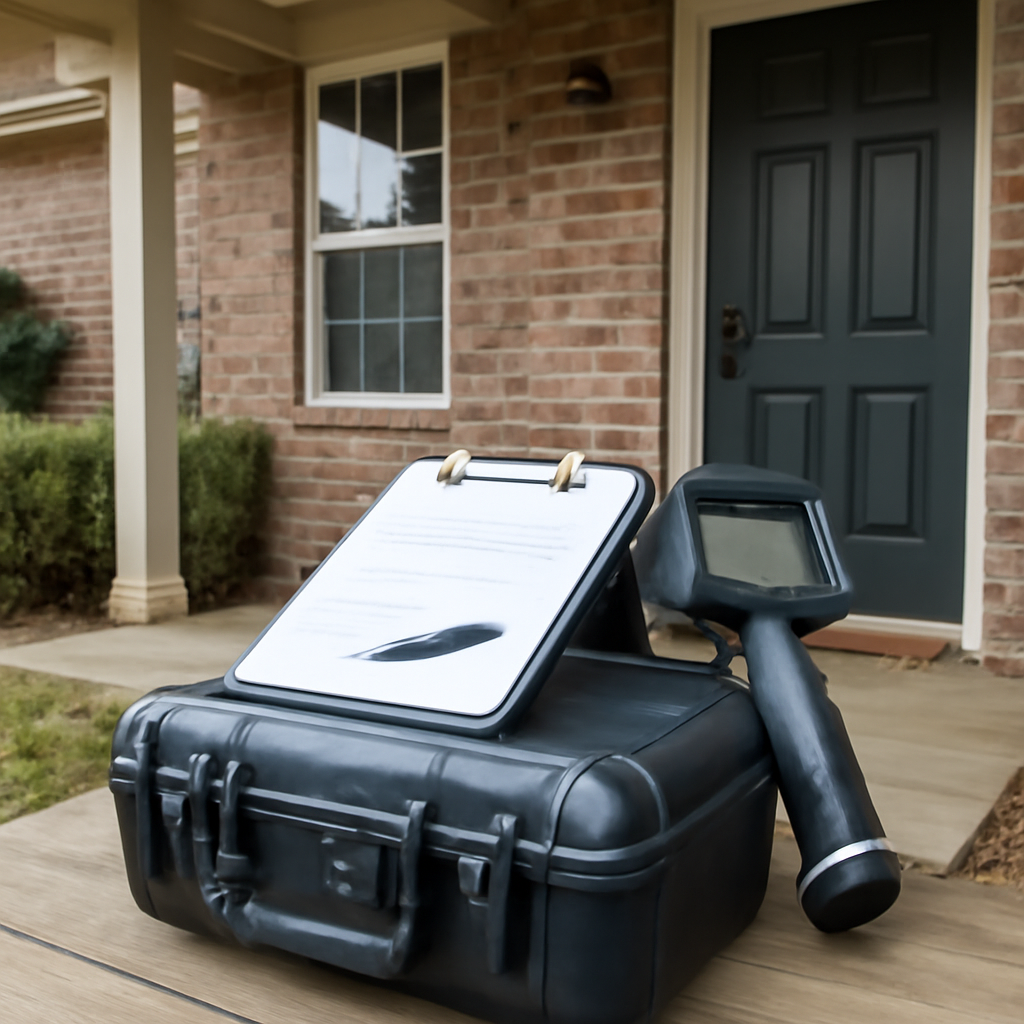
Buying a house in Monroe, North Carolina puts an inspection between you and the keys, and the person you pick shapes how much you actually learn about the property. Union County’s housing stock runs from 1920s mill-town bungalows near downtown to large new builds along the Highway 74 corridor, so the right home inspector Monroe NC residents hire should be comfortable with both crawl-space foundations and modern slab construction. North Carolina licenses its inspectors through a state board, which gives buyers a verifiable baseline of competence. This guide explains how to check that license, what the inspection should cover, and how to compare quotes without treating price as the only number that matters.
Part of our Home Inspections Explained guide — start there for the full picture →
How do you find a qualified home inspector in Monroe, NC?
Start with the license. North Carolina requires every home inspector to hold a license from the North Carolina Home Inspector Licensure Board (NCHILB), which sits under the state Department of Insurance. Each license carries a number you can verify online, along with the inspector’s status and any disciplinary history. An inspector working without an active NC license is operating illegally, so confirming the number is the single most important screening step.
From there, narrow the field by experience with homes like the one you are buying. Ask how many inspections the firm performs each year and whether the inspector personally walks every roof and crawl space or relies on a camera pole. In Union County, where many older homes sit on pier-and-beam foundations over vented crawl spaces, an inspector who refuses to enter the crawl space leaves a large blind spot. A short phone screen tells you a great deal about thoroughness before you ever sign anything.
What does North Carolina require of licensed inspectors?
NC inspectors must pass a state-administered exam, complete pre-licensing education, and carry the license through annual continuing education. The Standards of Practice the board enforces define a minimum scope: structure, exterior, roofing, plumbing, electrical, heating, cooling, interior, insulation, and ventilation. That standardized scope means two licensed inspectors in Monroe should examine the same systems, even if their report formats differ.
The board also enforces a code of ethics that bars conflicts of interest. A licensed inspector cannot, for example, offer to repair the defects they find or accept referral fees for steering you to a contractor. If an inspector pitches repair work during the walkthrough, treat that as a red flag. The broader framework for vetting any inspector is covered in our guide to hiring a home inspector, which applies whether you buy in Monroe or anywhere on the Front Range.
License lookup, step by step
Visit the NCHILB site, open the license verification tool, and search by the inspector’s name or license number. Confirm the status reads active, note the issue and expiration dates, and scan for any board actions. Screenshot the result for your records. This takes under five minutes and protects you from hiring someone whose license lapsed or was suspended.
What should a Monroe home inspection actually cover?
A standard inspection in Union County should run two to three hours for an average single-family home, longer for larger or older properties. Expect the inspector to evaluate the roof covering and flashing, the grading and drainage around the foundation, crawl-space moisture and framing, the HVAC system, the electrical panel and visible wiring, and the plumbing supply and drain lines. North Carolina’s humid climate makes moisture intrusion a recurring theme, so pay close attention to crawl-space vapor barriers and any signs of fungal growth on floor joists.
Roofs matter here too. Summer storms and occasional hail across the Charlotte metro punish asphalt shingles, and a worn roof is one of the more expensive surprises a buyer can inherit. A thorough inspector documents shingle condition, valley wear, and flashing at penetrations. To understand the full menu of services available, review the overview of home inspection types, since some Monroe buyers add radon, termite (WDIR), or sewer-scope inspections to the base package.
How much does a home inspection cost in Monroe?
For the Monroe and greater Charlotte market, a general home inspection on a typical 1,500 to 2,500 square foot house commonly falls in the $375 to $550 range, with larger homes and add-on services pushing the total higher. Square footage, age, foundation type, and the number of systems drive the price. A 3,500 square foot home with a finished basement and a detached garage costs more to inspect than a compact ranch because there is simply more to examine.
Resist the urge to choose on price alone. A $300 inspection that skips the crawl space or roof can cost you thousands later. Compare what each quote includes: report turnaround time, photo documentation, thermal imaging, and whether re-inspection of repaired items is included. A slightly higher fee that buys a same-day photo-rich report and a willing crawl-space walk is usually the better value.
Common add-on services in Union County
Termite or wood-destroying-insect reports are frequently required by lenders in North Carolina and run $75 to $150. Radon testing, sewer scopes, and well-and-septic evaluations are common in rural parts of the county. Bundling these with the general inspection often costs less than scheduling separate visits, and it consolidates findings into a single negotiating window.
How do you read and act on the report?
A good report separates major defects from minor maintenance items and includes photos with clear captions. Look for an executive summary that flags safety issues, structural concerns, and items at the end of their service life. Do not panic over a long list; even new homes generate a dozen line items. Focus on the handful of findings that carry real cost or safety weight: foundation movement, roof replacement, electrical hazards, HVAC at end of life, and moisture damage.
Use the report to negotiate. North Carolina is a due-diligence state, meaning buyers typically have a contractual window to inspect and walk away or renegotiate. Bring the inspector’s findings to your agent and decide whether to request repairs, a price reduction, or a closing credit. If a finding is ambiguous, a follow-up call to the inspector or a specialist evaluation, such as a structural engineer for foundation cracks, clarifies the stakes before you commit. The difference between a general inspector and a specialist is explained in our structural engineer inspection guide.
How does the Monroe and Union County housing stock affect inspections?
Monroe’s housing is unusually varied for a city its size, and that variety shapes what an inspection should emphasize. Downtown and the older neighborhoods near the historic district hold homes from the early 1900s through mid-century, many on pier-and-beam foundations over vented crawl spaces. These properties carry the issues age brings: knob-and-tube or cloth-wrapped wiring remnants, galvanized supply piping nearing the end of its life, settling foundations, and crawl spaces where decades of moisture have left their mark on framing. An inspector working these homes needs to be comfortable crawling under them and reading the story the joists and sill plates tell.
Along the Highway 74 corridor and in the newer subdivisions that have grown with the Charlotte commuter market, the stock shifts to slab-on-grade and modern framed construction. Here the concerns change: improperly graded lots that drain toward the foundation, builder-grade HVAC systems sized tight for the square footage, attic ventilation shortcuts, and the cosmetic-versus-structural settlement cracks common in newer slabs. A capable Union County inspector adjusts the lens to the property’s era rather than running the same checklist on a 1925 bungalow and a 2019 build.
Climate ties it together. The humid Piedmont summers drive moisture into crawl spaces and attics, feed wood-destroying insects, and stress cooling systems. Inspectors in this market pay particular attention to vapor barriers, attic ventilation, condensate drainage from HVAC units, and any sign of past water intrusion. Pairing the general inspection with a wood-destroying-insect report and, for older homes, a moisture assessment, gives buyers a fuller picture than a base inspection alone.
How should you prepare for and attend the inspection?
Buyers get far more from an inspection they attend. Walking the property with the inspector turns a PDF full of jargon into a guided tour of the home’s real condition, and it lets you ask questions in the moment — how urgent is that roof, is that crack cosmetic, how long will that water heater last. Arrive toward the end of the inspection if you cannot stay the whole time, so the inspector can summarize findings in person and point to the items that matter.
Before the visit, confirm utilities are on; an inspector cannot evaluate a furnace, water heater, or electrical system that has no power, gas, or water. Make sure crawl-space and attic access is clear and that the inspector can reach the electrical panel and HVAC equipment. If the seller has left the property cluttered, ask your agent to request access, because anything the inspector cannot reach gets noted as “not inspected” — a gap that works against you. Bring a notepad and your questions, and treat the inspector as the on-site expert you are paying for.
When should you call a specialist instead?
General inspectors are generalists by design. When they flag something beyond a visual assessment, they will recommend a specialist, and you should follow that advice. Stair-step cracks in brick, sloping floors, or sticking doors may point to foundation movement that a licensed structural engineer should evaluate. Recurring HVAC failures warrant an HVAC contractor. Suspected mold or elevated moisture readings call for an indoor air quality assessment. A failed septic dye test or an aging well in rural Union County calls for a specialized septic or well evaluation. Treating the general inspection as a triage step, not the final word, gives you the right experts on the right problems — and keeps you from either overreacting to a minor finding or underreacting to a serious one.
References
- Standards of Practice for home inspections — InterNACHI
- ASHI Standard of Practice — American Society of Home Inspectors
- Building safety and code resources — International Code Council
Frequently asked questions
Are home inspectors licensed in North Carolina?
Yes. North Carolina requires all home inspectors to hold an active license from the NC Home Inspector Licensure Board. You can verify any inspector's license number and status on the board's website before hiring.
How long does a home inspection take in Monroe, NC?
A typical single-family inspection runs two to three hours. Larger, older homes or those with finished basements and crawl spaces take longer because there are more systems to examine.
How much does a home inspection cost in Monroe, NC?
A general inspection on an average home commonly costs $375 to $550. Add-on services like termite reports, radon testing, or sewer scopes increase the total.
Should I get a termite inspection in Union County?
Often yes. Many North Carolina lenders require a wood-destroying-insect report, and the humid climate makes termite and moisture issues common in older crawl-space homes.