Mold Inspection Westchester: What Homeowners Need to Know
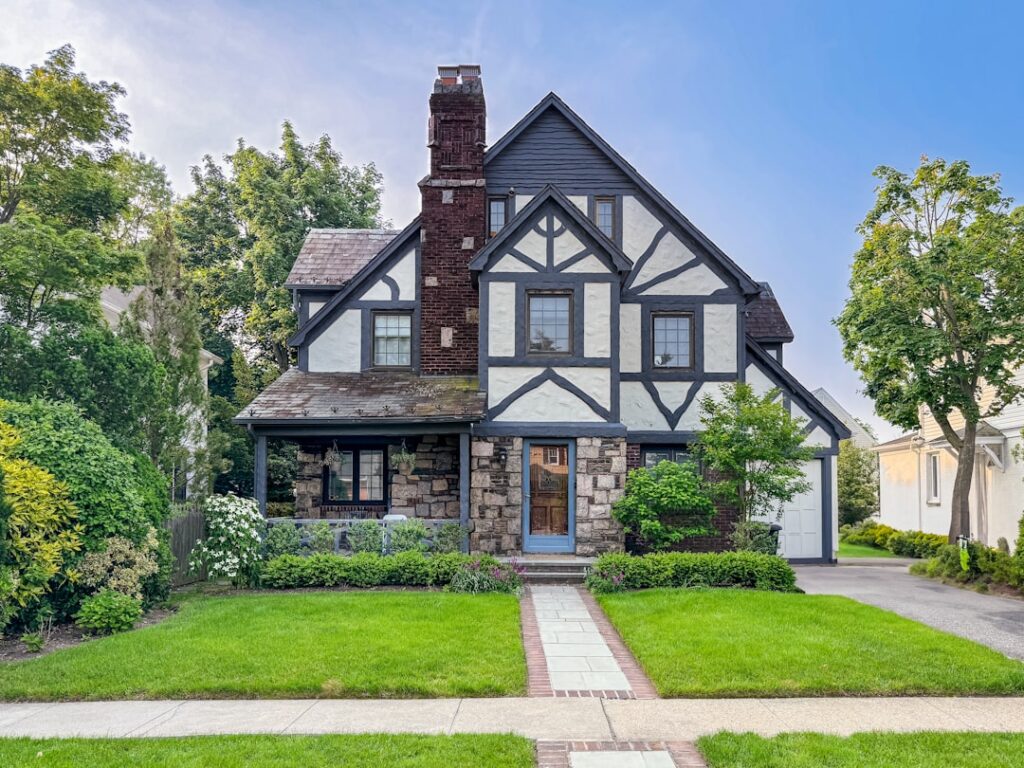
A mold inspection in Westchester County, New York comes up for a few characteristic reasons. A buyer is closing on a 1920s Tudor in Bronxville and the home inspector flagged basement moisture, an estate executor needs an assessment before listing a colonial revival in Larchmont, or a homeowner in Yonkers has spotted growth on the wall behind a sectional sofa after a wet spring. This guide explains what a Westchester mold inspection covers, how the county’s humid continental climate produces a specific pattern of problems, and how New York’s mold licensing requirements affect who can do the work. This summary reflects EPA and CDC guidance current as of 2026 and should not substitute for advice from a physician or a certified inspector. InspectandTest’s service area is the Colorado Front Range. The principles in this guide apply nationally, but readers in Westchester should look for ASHI/InterNACHI-certified local inspectors familiar with the older suburban housing stock north of New York City.
Is this mold, asbestos, or water damage? Get a free instant screen
Upload a clear photo of the suspect area. You'll get an instant AI screening opinion and what to do next. This is screening guidance, not a professional determination.
Screening guidance only. AI can be wrong. Confirm asbestos, mold type, or lead with lab testing or a licensed professional before acting.
What a Mold Inspection in Westchester Covers
A mold inspection is a structured assessment of a property to identify visible mold growth, the moisture conditions producing it, and the corrective path. The inspection is distinct from remediation, and New York state law explicitly separates the two roles for most projects above a minimum threshold. Readers new to the topic can start with our plain-language mold inspection hub for the underlying vocabulary and what each piece of inspection equipment measures. In Westchester, the work concentrates on basements, attics, and the envelope details of older homes built when basement waterproofing standards were minimal.
The EPA frames a credible mold investigation around three deliverables: identification of moisture source, documentation of extent, and corrective recommendations. The inspector typically combines a visual walkthrough with moisture meters, infrared thermal imaging, and sometimes air or surface sampling sent to an accredited laboratory. The broader [mold inspection and testing hub](https://inspectandtest.net/mold-inspection/) covers terminology and equipment for readers new to the field.
Why the Westchester Climate Drives Mold Issues
Westchester County sits in a humid continental climate band. Summers are hot and humid with thunderstorm-driven moisture surges, winters bring deep cold and freeze cycles, and the spring and fall transitions can produce extended periods of damp conditions that don’t dry out fast. The Hudson Valley geography adds wind patterns that carry humid Atlantic air inland, and the rolling terrain of central and northern Westchester puts many homes on slopes where uphill drainage pushes water against foundation walls.
The CDC notes that indoor mold requires sustained moisture plus porous substrate. In a Westchester home, those conditions show up in predictable places: basement walls below grade where hydrostatic pressure pushes water through cracks or joints, attic eaves where ice dams have wet roof sheathing, window frames in older homes where condensation forms on single-pane glass, and bathroom envelopes where exhaust fans terminate inside attic spaces rather than venting outside.
Older Suburban Housing Stock
Westchester’s signature housing stock includes Tudor revivals, colonial revivals, and brick or stone single-family homes built between the 1900s and the 1940s, plus mid-century split-levels and ranches built in the postwar suburban expansion. These homes were built before modern foundation waterproofing membranes and modern attic ventilation standards. Many have stone or fieldstone foundations that wick moisture continuously, slate roofs that have aged through multiple repair cycles, and original window assemblies that condense heavily in winter. Inspectors regularly find mold along the upper portion of stone basement walls, around bay window assemblies, and in cellar storage areas where stored cardboard and fabric provide ample substrate.
New York’s Mold Licensing Requirements
New York is one of the states that licenses mold professionals separately. The New York State Department of Labor issues credentials including Mold Assessor, Mold Remediation Contractor, Mold Remediation Worker, and Mold Remediation Supervisor. For most projects involving more than ten square feet of contamination, both assessment and remediation must be performed by separately licensed firms — meaning the same company cannot legally inspect and remediate the same project above that threshold.
This regulatory structure makes Westchester one of the easier markets in which to verify credentials. Homeowners should ask for the current NYSDOL mold assessor license number and verify it against the state’s online registry. In addition to state licensing, look for voluntary credentials such as American Council for Accredited Certification (ACAC) CMI or CMC, InterNACHI mold-specific certifications, and ASHI continuing education. Proof of errors and omissions insurance and lab partnerships with AIHA-LAP accredited laboratories are reasonable to request.
How the Inspection Process Unfolds
A typical Westchester mold inspection runs two to four hours for a single-family home, sometimes longer for the larger estate homes common in towns like Scarsdale, Rye, and Chappaqua. The work starts with an intake conversation covering reported symptoms, history of moisture events, recent renovations, and any visible problems. The inspector then walks the property systematically. Basements get extensive attention because they’re typically the highest-risk zone in a humid continental climate. Attics get similar scrutiny.
Moisture readings follow. Pin and pinless meters quantify moisture content in framing, drywall, subfloor, and trim. Wood sustained above 20% moisture content is considered “wet” and a strong predictor of fungal growth. Thermal imaging flags hidden moisture behind finishes, particularly useful on ceilings below upper-floor bathrooms and on basement walls where above-grade water entry is suspected. The [process article on how mold inspections are done](https://inspectandtest.net/guides/how-is-a-mold-inspection-done/) covers each step in more detail.
Air sampling, when performed, captures spores onto a spore-trap cassette over five to ten minutes. A matched outdoor sample is collected simultaneously. The laboratory compares indoor and outdoor counts genus by genus. Our deeper guide to mold sampling protocols explains the indoor/outdoor pairing logic and when surface or bulk samples make sense.
Common Westchester Findings
Inspectors who work the county see a recurring pattern. Basement wall mold above the level of the slab is widespread in older homes with stone or fieldstone foundations because those assemblies wick moisture continuously from the surrounding soil. Mold on stored items — cardboard boxes, fabric, leather, wooden furniture — accumulates in basements over years because the conditions support slow continuous growth even without dramatic events.
Attic mold on roof sheathing from inadequate ventilation appears in many older homes where blown-in insulation has blocked soffit intake vents. Ice-dam damage from cold winters drives spring mold calls when water that backed up under shingles in January saturates ceiling drywall and stays trapped through the freeze months. Window-perimeter mold around aluminum-frame replacement windows from the 1970s and 1980s is widespread in homes that have not been re-glazed.
Multi-Generational and Estate Homes
Westchester’s larger estate homes — many built in the early 1900s for New York commuters — present particular challenges. Coal cellars converted to storage, dumbwaiter shafts that have been sealed off, servant’s wings with their own plumbing, and attics with finished or partially finished sub-spaces all create opportunities for hidden moisture problems. Inspecting these homes thoroughly often requires more time and more sampling than a typical suburban inspection.
Pre-Purchase Considerations in Westchester
Westchester’s real-estate market makes mold inspection a routine pre-purchase consideration, particularly for the older estate housing stock in towns like Bronxville, Scarsdale, Larchmont, and Pelham. Buyers typically arrange a mold inspection during the due-diligence period after the general home inspection flags moisture concerns in basements, attics, or specific bathroom and kitchen areas. New York’s regulatory structure means that any meaningful remediation work above ten square feet will involve a separately licensed remediation firm, which has implications for sellers who have done past mold work.
For homes with documented past remediation, buyers should request the original NYSDOL mold assessor’s report, the licensed remediation contractor’s scope of work, and post-remediation verification documentation. This paper trail establishes that the work was performed by appropriately credentialed parties under state regulation. Homes that have undergone documented remediation are often in better condition than homes with hidden past issues that were never professionally addressed.
Sellers occasionally commission pre-listing mold inspections through NYSDOL-licensed assessors to head off questions during transactions. Buyers reviewing seller-paid assessments should verify the assessor’s current state license, ask about methodology and sampling protocols, and consider independent verification when the proposed transaction value or the report’s findings warrant it.
What an Inspection Costs in Westchester
NYSDOL-licensed mold assessment in Westchester typically runs $500 to $900 for a visual inspection with moisture readings on a standard single-family home. Adding paired indoor/outdoor air sampling brings the total to $700 to $1,400 depending on the number of samples and lab fees. Larger estate homes can run higher. The state-license overhead and the higher general cost of doing business in the New York metro put Westchester pricing somewhat above national averages.
Free mold inspections offered by remediation companies are common, but New York’s regulatory structure already limits same-firm assessment and remediation on projects above ten square feet. An independent NYSDOL-licensed mold assessor working on an assessment-only basis is the gold standard.
Seasonal Patterns in Westchester Mold Calls
Inspectors who work the county track a clear seasonal rhythm. Spring is the highest call volume because snowmelt drives water against foundation walls, ice-dam damage from January and February surfaces as ceiling stains, and the warming temperatures support active growth on substrates that stayed marginal through winter. Summer brings sustained humidity that aggravates basement conditions and produces wall-cavity problems in homes without conditioned-space dehumidification.
Fall calls relate primarily to pre-winter preparation as homeowners close storm windows, switch HVAC systems, and notice problems while accessing storage areas. Winter call volume is lower but typically signals more serious underlying issues — active growth in cold conditions usually means a substantial indoor moisture source rather than seasonal humidity drift. Pre-purchase inspections during winter benefit from the contrast: any visible moisture or growth during the cold season points to an ongoing source rather than transient seasonal conditions.
After the Report
A useful Westchester mold report identifies moisture sources, documents the extent of growth, recommends a corrective scope, and stops short of selling cleanup services. Per EPA guidance, isolated visible mold on hard non-porous surfaces under ten square feet can often be cleaned by the homeowner with detergent and water. Larger contaminations, growth on porous materials, hidden growth behind finishes, or HVAC contamination typically require professional remediation following IICRC S520 standards and New York State Department of Labor mold remediation rules.
Addressing the moisture source matters more than the cleanup itself. In Westchester, source correction commonly involves exterior foundation waterproofing or interior drainage system installation, attic ventilation improvements, grading and downspout extension work, and replacement of failed window assemblies. Many older estate homes also benefit from rethinking how unfinished or partially finished basement areas are used — moving stored items off the floor, replacing absorbent storage (cardboard, fabric) with sealed plastic containers, and improving air circulation to reduce surface dampness on cool basement walls.
For homes that have had documented moisture issues addressed, ongoing monitoring matters. Adding a relative humidity logger to the basement, inspecting attic spaces seasonally, and checking window perimeters after each winter provides documented evidence that corrections are holding up. Capable inspectors will often suggest a follow-up visit a year or two after major corrections to verify that the source-correction work has stabilized conditions.
For homeowners outside our service area, the InterNACHI member directory at nachi.org is a good starting point for finding a certified local inspector.
References
- Mold and Health — U.S. Environmental Protection Agency
- Basic Facts About Mold — Centers for Disease Control and Prevention
- Mold Cleanup in Your Home — U.S. Environmental Protection Agency
- Mold Inspection Standards — InterNACHI
For homeowners outside our service area, the InterNACHI member directory at nachi.org is a good starting point for finding a certified local inspector.