Mold Damage in House: What Homeowners Should Know
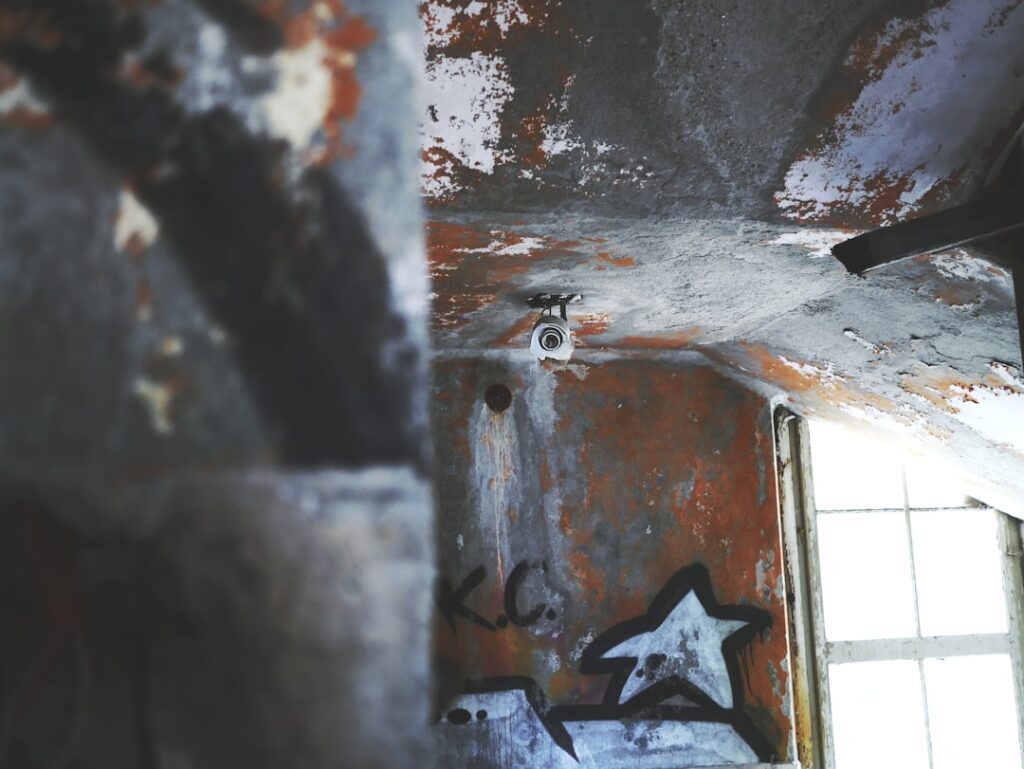
Mold damage in house structures is really two problems wearing one name: the mold itself and the moisture that caused both the mold and the rot it grows alongside. Left long enough, that combination weakens building materials, ruins finishes, and turns a cleaning job into a rebuilding one. Knowing how to read the severity helps you decide whether a wipe-down will do or whether remediation is required. This guide summarizes EPA and CDC guidance current as of 2026 and is informational only — consult your physician about symptoms and a certified professional for testing and removal decisions.
Part of our Types of Mold guide — start there for the full picture →
Is this mold, asbestos, or water damage? Get a free instant screen
Upload a clear photo of the suspect area. You'll get an instant AI screening opinion and what to do next. This is screening guidance, not a professional determination.
Screening guidance only. AI can be wrong. Confirm asbestos, mold type, or lead with lab testing or a licensed professional before acting.
What mold damage in house structures looks like
Mold rarely travels alone. The same sustained moisture that feeds it also degrades the materials it grows on, so visible mold is often a marker for hidden deterioration. Stained ceilings, soft or crumbling drywall, swollen baseboards, warped flooring, and musty cavities all signal that water has been present long enough to cause material harm beyond the surface discoloration.
Structural and material damage
The damage spans from cosmetic to structural depending on how long moisture lingered and what it reached.
Finishes and porous materials
Drywall, ceiling tile, carpet, padding, and insulation absorb water and host mold in their pores. Once colonized, they generally cannot be cleaned and are removed and replaced. This is the most common form of mold-related damage and the reason a “small” stain can mean cutting out a section of wall.
Wood and framing
Prolonged moisture invites not just mold but wood-decay fungi that weaken framing, subfloors, and sheathing. Where mold has fed on structural wood for a long time, an assessment of the wood’s integrity may be needed, since compromised framing is a safety matter rather than a cosmetic one. The guide on detecting mold inside walls helps reveal how far damage extends.
The moisture behind the damage
Every case of mold damage starts with a water source: a roof or plumbing leak, basement seepage, an appliance overflow, ice damming, or chronic high humidity. The damage you see is downstream of that source. Fixing the leak is not optional cleanup; it is the step that stops the damage from continuing, and any repair done before the source is fixed will fail.
The insurance angle
Whether mold damage is covered depends heavily on the cause and your policy, so read the language and document everything. As a general pattern, homeowners policies are more likely to cover mold that results from a sudden, accidental event — a burst pipe, for example — than mold from long-term neglect, gradual leaks, or unaddressed humidity, which are commonly excluded.
Documenting a claim
Photograph the damage and the source with dates, keep repair records and receipts, and avoid disturbing the area before an adjuster reviews it where possible. An independent mold assessment can support a claim by documenting the extent and likely cause without the conflict of interest of a company that profits from the removal. The mold inspection and testing hub outlines how assessment fits a claim.
When damage means remediation, not just cleaning
Simple cleaning addresses surface mold on sound, non-porous materials in a small area. Damage tips the job into full remediation when porous materials are colonized and must be removed, when the area exceeds about ten square feet, when growth is inside walls or HVAC, when contaminated water is involved, or when framing integrity is in question. These situations need containment, HEPA equipment, material removal, and verification — not a sponge.
The rebuild step
Unlike a quick cleaning, remediation of damaged areas includes reconstruction: replacing the drywall, flooring, or insulation that was removed, only after the area is dry and the moisture source is repaired. Rebuilding over a damp or unfixed source simply restarts the damage cycle.
Assessing how far the damage extends
The visible damage is usually a fraction of the total, so judging severity means looking past the surface. A coin-sized ceiling stain can sit beneath a long-running roof leak that has soaked the framing above it.
Surface versus structural signs
Surface signs include discoloration, peeling paint, and a musty smell. Structural signs are more serious: soft or spongy framing, sagging ceilings, floors that flex underfoot, and wood that crumbles when probed. The latter group points to material failure rather than a cosmetic stain and calls for a closer look at integrity.
Hidden damage behind finishes
A moisture meter and, where warranted, opening a small inspection hole reveal whether the cavity and framing behind a finish are wet or deteriorated. The guide on detecting mold inside walls covers locating the hidden extent before repairs are scoped.
Health considerations with damaged materials
Damaged, mold-colonized materials release more spores and fragments when disturbed, which is one reason demolition during repairs needs containment and protection. CDC and EPA note that exposure can trigger congestion, coughing, eye irritation, and asthma flare-ups, with stronger effects in sensitive people. This is general information, not medical advice; anyone with health concerns should consult a physician. The practical takeaway is to avoid disturbing damaged materials without protection and to keep occupants, especially those with respiratory conditions, away from active demolition.
Documenting damage for repairs and claims
Good documentation serves both the repair and any insurance discussion. Photograph the damage and the suspected source with dates, keep a written timeline of when problems appeared, and retain receipts for emergency mitigation like water extraction. An independent assessment that describes the extent and likely cause carries more weight than the word of a company that profits from the removal. Thorough records help ensure repairs are scoped to the real extent rather than just the visible stain.
Repair sequence for mold damage
Repairing mold damage follows an order that, if respected, prevents the work from unraveling.
Stop and dry first
Before any rebuilding, stop the water source and dry the structure completely. Wet framing and cavities behind a new finish will simply grow mold again, so drying verified by a moisture meter is the gate to the next step.
Remove, then rebuild
Take out colonized porous materials — drywall, insulation, flooring — and clean salvageable framing and hard surfaces. Only after the area reads dry should you replace what was removed. Rebuilding over damp or unfixed conditions restarts the damage cycle.
Verify before closing up
For larger jobs, independent verification confirms the area is clean, dry, and that spore levels match the outdoor baseline before walls are closed. The guide on locating mold and its moisture source supports the first step.
When damage affects home value and sale
Mold damage can surface during a home sale, and how it is handled affects the transaction. Visible damage and a musty smell are red flags to buyers, and disclosure obligations vary by jurisdiction. Documented remediation with independent verification reassures buyers far more than a quick cosmetic patch over an unaddressed source. Sellers who fix the moisture, remediate properly, and keep records of the work are in a stronger position than those who paint over a stain, which an inspection often uncovers. Addressing damage thoroughly protects both health and value.
Categories of water that cause damage
The type of water behind the damage shapes both the hazard and the response, which is why professionals classify it.
Clean water
Water from a supply line or rainwater starts relatively clean, but it still causes mold and material damage if it lingers. Fast drying often saves more material in this case.
Gray and black water
Gray water from appliances and especially black water from sewage or flooding carry contamination beyond mold. These almost always require professional handling and the removal of porous materials they touched, regardless of how the mold itself looks.
Why the category matters
The more contaminated the water, the larger the scope and the less salvageable the affected materials. The guide on confirming hidden mold and moisture helps establish where the water traveled.
Working with contractors on damage repair
Repairing mold damage often involves more than one trade, and coordinating them keeps the work in the right order. An assessor documents the extent, a remediation contractor removes growth and dries the structure, the moisture source is repaired by the relevant trade — roofer, plumber, or waterproofer — and only then does reconstruction replace what was removed. Keeping the assessment independent of the removal protects against an inflated scope, and insisting that the moisture repair happen before rebuilding protects against doing the whole job twice. Clear written scopes and records at each handoff make the sequence enforceable rather than aspirational.
Estimating the cost of mold damage repair
Repair cost scales with how far the damage reached, so treat figures as ranges and get written quotes. A small surface cleanup with minor material replacement is inexpensive. Cutting out and rebuilding a section of wall, replacing flooring, or addressing colonized insulation adds materials and finishing labor. Large areas, structural wood involvement, and contaminated water push costs steeply higher because more must be removed, dried, and reconstructed. The single biggest variable is the volume of porous material that has to come out and go back in, which is why an accurate independent assessment up front prevents both under-scoping that leaves damage behind and over-scoping that inflates the bill. The guide on finding mold inside walls helps establish the true extent.
Catching damage before it spreads
Because mold damage compounds the longer moisture lingers, early detection is the cheapest form of damage control. Watch for the first cues — a ceiling stain, a musty smell, paint that bubbles, a soft spot underfoot, condensation that keeps returning — and trace each to its moisture source promptly. A moisture meter helps confirm whether a suspect area is wet behind the surface. Acting at this stage often means a quick repair instead of cutting out walls and replacing flooring later. The cost difference between addressing a fresh leak and remediating months of hidden growth is large, which makes routine attention to these early signs one of the most valuable habits a homeowner can keep. The guide on finding hidden mold and moisture supports catching it early.
When damage threatens safety
Most mold damage is a matter of materials and cost, but some situations cross into safety and warrant prompt professional attention. Framing, subfloor, or sheathing that has been wet long enough to soften or crumble is a structural concern rather than a cosmetic one, and a sagging ceiling or a floor that flexes underfoot should be treated as urgent. Large-scale growth, contamination from sewage or floodwater, and growth in the HVAC system also move the situation beyond a homeowner cleanup. In these cases, occupants — especially anyone with respiratory conditions — should stay clear of the affected area until professionals with containment and protective equipment evaluate it, and any health symptoms should go to a physician.
The link between damage and air quality
Damaged, mold-colonized materials do more than weaken a structure; they continuously shed spores and fragments into the indoor air, especially when disturbed. A water-damaged wall cavity or a saturated section of carpet acts as an ongoing source that keeps indoor spore levels elevated even in rooms that look clean. This is why addressing damage promptly protects not only the building but the air occupants breathe, and why demolition during repairs needs containment so the disturbed material does not seed spores throughout the home. Treating mold damage as both a structural and an air quality issue leads to a more complete repair than focusing on the visible stain alone.
Preventing future damage
Because moisture drives both the mold and the material damage, prevention is the same as moisture control. Keep indoor humidity below about 60 percent, fix leaks within a day or two, manage foundation drainage, and ventilate damp areas. Along Colorado’s Front Range the dry climate helps, but finished basements and winter condensation still cause localized damage when ignored.
References
- A Brief Guide to Mold, Moisture and Your Home — U.S. Environmental Protection Agency
- About Mold and Your Health — Centers for Disease Control and Prevention
- Mold Cleanup in Your Home — U.S. Environmental Protection Agency
Frequently asked questions
Does mold cause structural damage?
The moisture that feeds mold also degrades materials, and prolonged dampness invites wood-decay fungi that can weaken framing and subfloors. Mold on porous materials usually means removal, and long-term growth on structural wood may require an integrity assessment.
Will insurance cover mold damage?
It depends on the cause and policy. Coverage is more likely for mold from a sudden, accidental event like a burst pipe than from long-term neglect or gradual leaks, which are often excluded. Read your policy and document everything.
When is cleaning not enough for mold damage?
When porous materials are colonized, the area exceeds about ten square feet, growth is inside walls or HVAC, contaminated water is involved, or framing integrity is questioned. These call for full remediation with containment, removal, and verification.
If you suspect mold damage and need an unbiased read on its extent before repairs or a claim, Front Range homeowners can reach a vetted local inspector through our contact page.