Mold Cleanup Services: What Homeowners Should Know
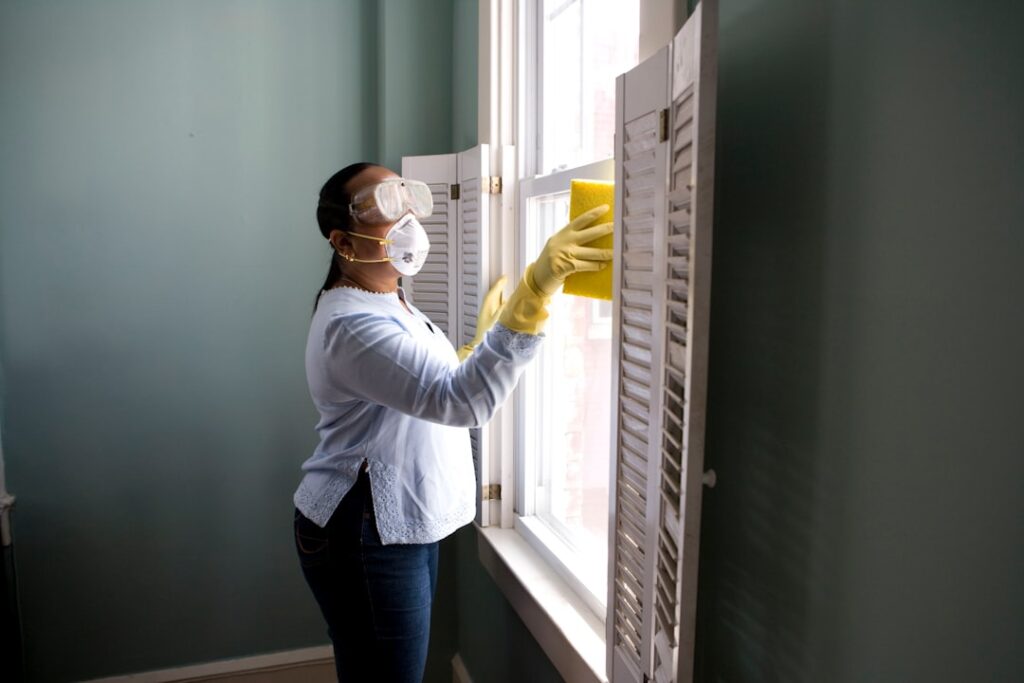
A musty smell in the basement or a dark patch spreading across a closet wall pushes many homeowners toward hiring help. Mold cleanup services range from a single technician wiping down a window frame to a full crew sealing off a flooded basement with containment barriers and negative-air machines. Understanding what these companies actually do, what they charge, and where the line falls between a do-it-yourself wipe and a professional job helps you avoid both overpaying and under-treating a real problem. This guide summarizes EPA and CDC guidance current as of 2026; consult a certified professional for testing decisions and your physician for any health symptoms.
Part of our Mold Removal & Remediation guide — start there for the full picture →
Is this mold, asbestos, or water damage? Get a free instant screen
Upload a clear photo of the suspect area. You'll get an instant AI screening opinion and what to do next. This is screening guidance, not a professional determination.
Screening guidance only. AI can be wrong. Confirm asbestos, mold type, or lead with lab testing or a licensed professional before acting.
What do mold cleanup services actually do?
At their core, mold cleanup services find the moisture source, contain the affected area, remove contaminated materials, clean salvageable surfaces, and verify the work. A reputable company starts with an assessment rather than a quote over the phone. They look for the water intrusion feeding the growth, because cleaning mold without fixing the leak guarantees a return visit.
The hands-on work follows the EPA’s remediation framework. Porous materials like drywall, carpet padding, and ceiling tile usually get cut out and bagged. Semi-porous and non-porous surfaces such as studs, concrete, and metal get HEPA-vacuumed and damp-wiped. Larger jobs add plastic sheeting, air scrubbers, and antimicrobial application to limit spore spread during the tear-out.
When is professional cleanup worth it?
The EPA’s general rule is that homeowners can tackle mold covering less than about 10 square feet, roughly a 3-by-3-foot patch, if they have no respiratory conditions and the underlying leak is minor. Beyond that area, or when growth follows sewage backup, flooding, or hidden moisture inside a wall cavity, professional crews bring the containment and equipment that keep spores from migrating through the house.
Certain situations tilt strongly toward hiring out. HVAC systems with visible growth, mold returning after a previous cleaning, and any occupant with asthma or a weakened immune system all warrant a trained remediator. If you are unsure whether a patch is surface mildew or something deeper, our overview of how to tell mildew and black mold apart can help you gauge the scale before you call anyone.
What does mold cleanup cost?
Pricing varies widely by region and severity. Industry estimates generally place small, single-room jobs in the several-hundred-dollar range, while whole-basement or multi-room remediation can climb into the low five figures once demolition and rebuild enter the picture. Square footage, the type of material being removed, and accessibility all move the number.
Hidden costs catch homeowners off guard. The cleanup itself is only part of the bill; replacing torn-out drywall, flooring, and insulation is often a separate line handled by a different trade. For a structured way to estimate, the mold remediation cost calculator walks through the variables that shape a final figure before you commit.
What drives the price up?
Three factors dominate. The first is moisture source: a clean-water leak from a supply line costs less to address than category-three sewage water, which demands stricter protocols. The second is location, since crawl spaces and attics require more labor to access and ventilate. The third is whether mold has penetrated structural framing, which can shift a cleanup into a partial reconstruction.
How professional remediation unfolds step by step
A typical project moves through predictable phases. First comes inspection and, when warranted, air or surface sampling to document the baseline. Next, the crew builds containment using polyethylene sheeting and sets up negative air pressure so spores flow into HEPA filtration rather than out into living space.
Removal follows. Workers in respirators and protective suits bag porous debris, then clean and treat the remaining surfaces. After drying the structure to a verified moisture content, the team conducts a post-remediation check, sometimes with third-party clearance testing, before rebuilding. This sequence mirrors the process described in our explainer on what mold remediation involves.
How to vet a mold cleanup company
Not every company that answers a search ad operates to the same standard. Ask whether technicians hold certification from a recognized body and whether the firm carries liability insurance specific to remediation work. A trustworthy provider explains how they will contain the area and document completion, not just how fast they can show up.
Be cautious of companies that both test and remediate without disclosing the conflict, since the party finding the mold then profits from removing it. Independent assessment, separate from the cleanup crew, gives you a cleaner check. The broader mold inspection and testing hub outlines how testing and remediation roles should stay distinct.
Questions to ask before signing
Request a written scope that names the moisture source, the materials to be removed, the containment method, and how success will be verified. Confirm whether clearance testing is included or billed separately. Ask for a couple of recent local references, and check that the estimate distinguishes remediation from any rebuild work so you are comparing equivalent bids.
What homeowners can do before the crew arrives
Stopping the water source is the single most useful step you can take. Shut off a leaking supply line, run a dehumidifier, and avoid disturbing visible growth, since aggressive scrubbing releases spores. Do not paint over mold or run fans that blow across the colony toward clean rooms.
Document everything with photos and dates, especially if an insurance claim or a rental dispute is in play. Move undamaged belongings out of the affected room to reduce cross-contamination. Keeping the area sealed and the humidity down preserves the situation until trained help takes over.
When cleanup is not enough
Sometimes the visible mold is a symptom of a larger building problem. Persistent condensation, chronic crawl-space humidity, or a roof that keeps leaking will defeat even a thorough cleanup. In these cases, the durable fix is correcting ventilation, drainage, or the building envelope, not repeating the remediation each season.
Recurrence is the clearest signal that the root cause remains. If mold comes back in the same spot within months, the moisture diagnosis was incomplete. A moisture survey using meters and, where useful, thermal imaging often reveals the hidden path that a surface cleaning missed.
How long does a mold cleanup take?
Timeline depends on scope. A small, single-room cleanup with no rebuild can wrap in a day, while a flooded basement requiring demolition, drying, and reconstruction may span a week or more. The drying phase alone often takes several days, because the structure must reach a verified low moisture content before rebuilding begins.
Containment setup and teardown add time that homeowners rarely anticipate. So does any waiting period for clearance testing results, since a remediator should not rebuild over a wall until verification confirms the area is clean. Rushing the drying step to finish faster is a common shortcut that leads to mold returning behind the new drywall.
Insurance and documentation
Homeowners insurance treatment of mold varies widely by policy and by what caused the water. Sudden, accidental water damage, like a burst pipe, is more often covered than gradual problems such as long-term condensation or deferred maintenance, which many policies exclude. Reading your specific coverage before a claim avoids surprises.
Documentation strengthens any claim. Photograph the affected area, keep records of when the damage was discovered, and save the remediation scope and invoices. If the mold followed a specific event, note the date and cause. Adjusters look for a clear link between a covered peril and the resulting damage, so the more complete your record, the smoother the process.
The difference between cleanup and remediation
The terms get used interchangeably, but there is a useful distinction. Cleanup often describes addressing visible mold on surfaces, while remediation is the broader, standards-based process that includes containment, source correction, and verification. A company offering only cleanup may skip the steps that keep mold from returning.
For a small surface patch, cleanup is genuinely all you need. For anything tied to a moisture problem or covering a meaningful area, remediation is the appropriate level of work. Understanding which one your situation calls for helps you avoid both overpaying for a large process on a tiny problem and underpaying for a surface wipe on a structural one.
What materials can be saved versus discarded
A practical question during any cleanup is what stays and what goes. Non-porous and semi-porous materials, including sealed concrete, glass, metal, hardwood trim, and tile, can usually be cleaned and kept. Their surfaces hold mold on top rather than letting it root, so HEPA-vacuuming and damp-wiping restores them.
Porous materials are the casualties. Drywall with mold through the paper, carpet and its padding, ceiling tile, and fiberglass insulation are typically removed because mold roots into them beyond the reach of cleaning. Knowing this in advance helps you understand why a quote includes demolition and why the rebuild is a separate line. A cleanup that tries to save everything porous often ends up redone.
Health considerations during cleanup
The reason professionals contain the work area is to protect indoor air for everyone in the home. Disturbing mold during removal releases spores, and the CDC notes that exposure can worsen symptoms for people with asthma, allergies, or compromised immune systems. Those individuals should stay out of the work zone entirely during active removal.
Even healthy occupants benefit from staying clear of a remediation area until it is sealed and the air is filtered. This guide is not medical advice; anyone experiencing respiratory symptoms they suspect are linked to mold should consult a physician. The cleanup addresses the building, while a doctor addresses the health side, and the two work in parallel rather than substituting for each other.
Preventing the next mold problem
The most valuable outcome of a cleanup is not just a clean room but a drier house. Once the immediate problem is solved, the same moisture-control habits that prevent recurrence in the cleaned area protect the rest of the home. Keeping indoor relative humidity below about 60 percent is the single most effective measure the EPA highlights.
Practical prevention is unglamorous but durable. Run exhaust fans in bathrooms and kitchens, ensure they vent outside, address condensation on cold surfaces, and keep gutters and grading directing water away from the foundation. Fixing leaks promptly, before they feed a colony, turns a future remediation bill into a minor repair. The habits that follow a cleanup matter as much as the cleanup itself.
Comparing cleanup quotes fairly
Mold cleanup quotes are hard to compare because companies bundle their scopes differently. One firm’s lower number may cover only surface cleaning, while another’s higher figure includes containment, material removal, drying, and verification. Comparing the totals without reading what each includes is how homeowners pick the weaker option by mistake.
Normalize the quotes before judging them. Line up each scope and confirm all of them address the moisture source, use containment where warranted, and verify the result. Ask whether clearance testing and any rebuild are included or separate. A quote that omits the moisture fix is not cheaper, only incomplete, and it schedules a return visit that erases the apparent savings.
Questions homeowners forget to ask
Beyond price, a few questions sharpen your read on a provider. Ask how they will protect the rest of the home during removal, what they will do if mold is found to extend further than expected, and how long the drying phase will take. The answers reveal whether the firm has thought the job through or is simply quoting a number.
It also helps to ask who handles the rebuild and whether the same company coordinates it. Clarifying responsibility up front avoids the gap where remediation ends and reconstruction begins, a gap homeowners often fall into. A provider who answers these readily and in writing is demonstrating the kind of transparency worth hiring.
References
- Mold Cleanup in Your Home — U.S. Environmental Protection Agency
- About Mold and Health — Centers for Disease Control and Prevention
- Mold Inspection Standards — International Association of Certified Home Inspectors
- Mold Remediation Guidance — U.S. Environmental Protection Agency
Frequently asked questions
How much do mold cleanup services cost?
Costs depend on the affected area, material type, and water source. Small single-room jobs often run in the several-hundred-dollar range, while whole-basement remediation can reach the low five figures once demolition and rebuild are included. Rebuild work is usually billed separately from cleanup.
Can I clean mold myself instead of hiring a service?
The EPA suggests homeowners can address mold under about 10 square feet if the leak is minor and no one has respiratory issues. Larger areas, sewage water, or hidden wall growth call for professional containment and equipment.
Does mold come back after cleanup?
Mold returns when the moisture source is not corrected. A reputable service finds and addresses the leak or humidity problem first. Recurrence usually means the moisture diagnosis was incomplete, not that the cleaning failed.
Should the same company test and remove the mold?
Ideally not. When one firm both finds and removes mold, there is a built-in conflict of interest. Independent assessment separate from the remediation crew gives a more reliable check on whether the work succeeded.
If you are in the Denver metro or Front Range and want a vetted, independent inspector to assess mold before you hire a cleanup crew, reach out through our contact page for a connection to a qualified local professional.