Is Asbestos Banned in the US? What to Know
It surprises many people to learn that for most of the time asbestos was known to be dangerous, it was not actually banned in the United States. The question is asbestos banned in the us has a layered answer: some uses were restricted decades ago, a sweeping ban was struck down in court in 1991, and only in 2024 did federal regulators finalize a ban on the most common type still in commerce. Meanwhile, the asbestos already built into millions of older homes remains exactly where it was installed. This guide summarizes EPA, CDC, and OSHA guidance current as of 2026 and is informational only; a certified asbestos professional should make testing and removal decisions, and a physician should address any health questions. The sections below trace the regulatory history and explain what it means for homeowners today.
Part of our Asbestos in the Home guide — start there for the full picture →
Is this mold, asbestos, or water damage? Get a free instant screen
Upload a clear photo of the suspect area. You'll get an instant AI screening opinion and what to do next. This is screening guidance, not a professional determination.
Screening guidance only. AI can be wrong. Confirm asbestos, mold type, or lead with lab testing or a licensed professional before acting.
Is Asbestos Banned in the US? The Short Answer
The honest short answer is that asbestos is now largely, but not completely, banned, and that full prohibition arrived much more recently than most people assume. For decades the United States restricted certain asbestos uses without ever enacting a comprehensive ban. In 2024 the Environmental Protection Agency finalized a rule prohibiting ongoing uses of chrysotile asbestos, the only type still being imported and used in the country at that point, which closed the largest remaining gap.
That recent action matters, but it does not change the fundamental situation for homeowners. A ban on new uses does nothing to remove the asbestos already installed in buildings constructed during the material’s heyday. The millions of homes, including a large share of older Front Range housing, that contain asbestos floor tile, pipe wrap, insulation, and cement products still contain it. Regulation governs what can be sold and used going forward; it does not reach back into existing walls and attics.
So the practical takeaway is twofold. New asbestos products are now broadly off the market, and that is a genuine public-health gain. But the legacy asbestos in older homes is unaffected by any ban, which is why testing and safe handling remain just as relevant as ever.
The Long Road to Regulation
The health dangers of asbestos were documented through the mid-twentieth century, yet regulation lagged behind the science by decades. The first meaningful federal restrictions came in the 1970s, when the EPA and other agencies began limiting specific uses, such as spray-applied asbestos fireproofing and certain insulation products, under the Clean Air Act and emerging worker-protection rules. These were targeted limits, not a ban.
The pivotal moment came in 1989, when the EPA issued a rule intended to ban and phase out most asbestos-containing products. Many people assume that rule succeeded; it did not. In 1991, a federal appeals court vacated most of the ban, ruling that the agency had not met the legal burden required to prohibit the products under the Toxic Substances Control Act as it stood. The result was that asbestos remained legal for many uses in the United States long after most people believed it had been outlawed.
That court decision is the reason the country spent the following decades in an unusual position, widely aware of the hazard, having banned only a handful of specific products, yet permitting many others to remain in commerce. It also explains why asbestos continued to appear in some products and imports well past the point when the public assumed it was gone.
Best Asbestos Test Kit: our top 3 picks
| Product | Best for | Key features | Price | Buy |
|---|---|---|---|---|
| Seeml Labs Asbestos Inspector in a Box | Verifiable lab accreditation |
| $22.00as of Nov 28, 2026 7:43 am GMT+0000 | Buy now →Check current price |
| SLGi 1-Pack (5 Day) | Single sample with return postage |
| $26.60as of Nov 28, 2026 7:47 am GMT+0000 | Buy now →Check current price |
| Asbestos-Sampling.com 2-Sample | Type and percentage in the result |
| $59.95as of Nov 28, 2026 7:47 am GMT+0000 | Buy now →Check current price |
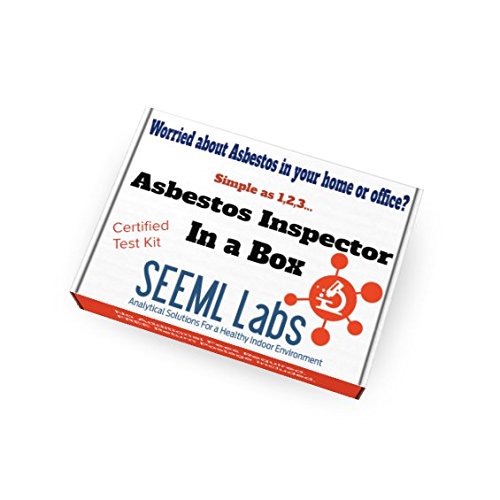

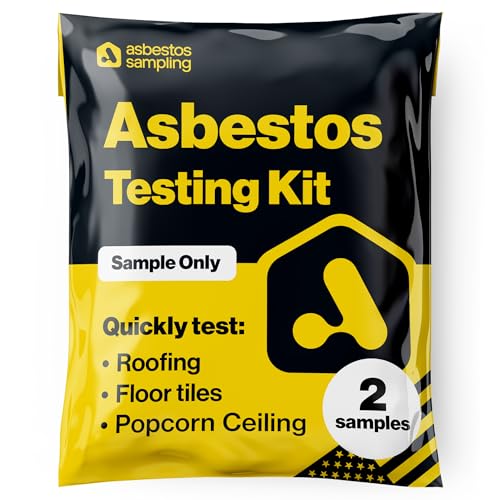
Prices are Amazon’s listed prices as of the time shown and change often; check Amazon for today’s price. As an Amazon Associate we earn from qualifying purchases.
The 2024 Chrysotile Ban
The legal landscape shifted after Congress strengthened the Toxic Substances Control Act in 2016, giving the EPA firmer authority to evaluate and restrict existing chemicals. Working under that updated law, the agency completed a risk evaluation for chrysotile asbestos and, in 2024, finalized a rule banning its ongoing uses.
Chrysotile, the serpentine or white asbestos, was by then the only form still being imported and used in the United States, appearing in a narrow set of products such as certain gaskets, brake blocks, and chemical-industry diaphragms. The 2024 rule phases out these remaining uses over staggered timelines, with some applications ending quickly and others given longer transition periods to avoid disrupting critical industries. It was the first time the federal government banned an existing chemical use under the strengthened law, and it effectively closed the door on new chrysotile asbestos in American commerce.
This is why the answer to the ban question changed in recent years. The 2024 rule addresses the type of asbestos still in use, building on the older, narrower restrictions. The various other asbestos types had already largely fallen out of domestic use, so the chrysotile rule represented the meaningful endpoint of new asbestos in the country.
Why Older Homes Still Contain Asbestos
A ban on new uses is forward-looking; it does not abate what already exists. Asbestos was so widely used through the 1980s that it is woven into the fabric of older housing, and none of the regulatory history removed any of it. Homes built before the 1980s, common throughout Denver, Boulder, El Paso, and the surrounding Front Range counties, frequently contain asbestos in floor tile and the mastic beneath it, in pipe and boiler insulation, in textured ceilings, in cement siding and roofing, and in vermiculite attic fill.
Because that material is legal to remain in place and is not affected by any ban, the homeowner’s responsibility is unchanged. The guidance from health agencies is to leave intact asbestos alone, since undisturbed material releases little fiber, and to test before any project that would disturb it. The distinction between materials that crumble easily and those bound in a hard matrix, explained in our guide to non-friable asbestos, shapes how much caution a given material warrants.
State and local rules add another layer. Colorado regulates asbestos abatement and disposal regardless of federal product bans, so removing asbestos from an older home still requires following established procedures and using approved facilities, as described in our overview of removing asbestos. The federal ban on new asbestos and the rules governing existing asbestos are two separate matters.
What This Means for Homeowners
For a homeowner, the regulatory history boils down to a few practical points. New asbestos products are now broadly banned, so a newly built or recently renovated home using current materials is not introducing fresh asbestos. But any home from the asbestos era may still contain the material, and that legacy hazard is what testing and abatement address.
Before buying, renovating, or demolishing any portion of a pre-1980 home, the prudent step is to have suspect materials evaluated by a certified asbestos inspector, who collects samples for laboratory analysis. If asbestos is confirmed and must be disturbed, a licensed abatement contractor handles the work. The age of the home, not the date of any ban, is what should trigger caution. For the wider picture of how asbestos and lead together define the risks of older housing, the pre-1978 housing hazard guide ties the regulatory story into the homeowner’s day-to-day decisions. The ban closed the front door on new asbestos; the back door, the material already in place, stays open until each home is tested and, where needed, abated.
How the US Compares to Other Countries
The American regulatory path looks unusual against the backdrop of how other developed nations handled asbestos. Many countries enacted comprehensive bans years or even decades before the United States closed its remaining gap. A large number of European nations prohibited all forms of asbestos around the turn of the century, and numerous other countries followed with full bans well before the 2024 US rule on chrysotile. This contrast is part of why the question surprises people: the assumption that a wealthy, heavily regulated country must have banned a known carcinogen long ago does not match the actual timeline.
The reason for the lag traces largely to that 1991 court decision and the legal framework behind it. The structure of the older Toxic Substances Control Act made a sweeping ban difficult to defend in court, and once the broad rule was vacated, the country was left with a patchwork of narrower restrictions rather than the across-the-board prohibitions adopted elsewhere. It took the 2016 strengthening of that law to give regulators the footing for the 2024 action.
For a homeowner, the international comparison is mostly context rather than a practical concern, but it carries one useful lesson. The presence of asbestos in a home reflects the era of construction far more than the regulatory regime, and older housing in any country built during the material’s heyday is likely to contain it. The relevant variable for a Front Range buyer is the age of the house, not how the regulatory history unfolded.
Asbestos Bans Versus Asbestos Management
A recurring source of confusion is the gap between banning a product and managing what already exists, and keeping the two ideas separate clarifies the whole subject. A product ban is forward-looking: it stops the manufacture, import, or new use of a material going forward. The 2024 chrysotile rule is a product ban, and like all such bans it does nothing to the asbestos already installed in buildings. No ban has ever required homeowners to rip existing asbestos out of their walls.
Asbestos management, by contrast, is the body of rules and guidance governing the material that remains in place. This is where federal health guidance, OSHA worker protections, and state programs like Colorado’s abatement and disposal regulations operate. The consistent management principle is that intact, undisturbed asbestos is generally best left alone, and that disturbing it, through renovation, demolition, or removal, triggers requirements for testing, controlled work practices, and regulated disposal.
This separation explains why the 2024 ban changed the headline answer without changing the homeowner’s day-to-day responsibilities. New asbestos is now broadly off the market, which is the ban’s accomplishment. But the management framework for legacy asbestos, test before disturbing, leave intact material in place, use licensed professionals for removal, is unchanged. A homeowner who understands that a ban and a management rule are different tools answering different questions will not mistakenly assume the recent prohibition has made an older home asbestos-free.
What the Ban Does and Does Not Change for Buyers
For someone shopping for a home, it is worth being concrete about how the regulatory picture affects the transaction. A newly built or recently renovated home constructed with current materials is not introducing fresh asbestos, since new asbestos products are now broadly prohibited. That is a genuine reassurance for modern construction, and it means a buyer of a recent home generally does not need to worry about new asbestos-containing materials being installed.
For an older home, the ban changes nothing about what the buyer should do. A house built during the asbestos era may contain the material in floor tile, pipe and boiler insulation, textured ceilings, cement siding and roofing, and vermiculite attic fill, and the 2024 rule does not reach any of it. The prudent step before buying, renovating, or demolishing any part of a pre-1980 home remains the same: have suspect materials evaluated by a certified inspector, and bring in a licensed abatement contractor if confirmed asbestos must be disturbed.
The clean takeaway for a buyer is that the trigger for caution is the age of the house, not the date of any ban. The regulatory milestones make for an interesting history and a genuine public-health gain going forward, but they do not substitute for testing an individual older home. The ban closed the front door on new asbestos; whether the back door is open in a particular house is a question only an inspection can answer.
The full arc of the story is worth holding in mind because it corrects a widespread assumption. Many people believe asbestos was banned decades ago and is therefore a closed chapter, when in fact the comprehensive prohibition arrived only recently and reaches only new products. The material built into millions of existing homes during its long heyday remains exactly where it was installed, lawful to leave in place and unaffected by any ban. That gap between public perception and regulatory reality is precisely why testing an older home, rather than trusting that the law has handled the problem, stays as relevant today as it ever was.
More Questions About the US Asbestos Ban
Can you still buy products that contain asbestos in the US?
New asbestos-containing products are now largely off the US market, but the phase-out is not instant. The 2024 EPA rule on chrysotile asbestos banned imports for most uses right away and gave some industrial users, such as certain chlor-alkali plants, a multi-year transition period. Consumer building products made with asbestos are very unlikely to be sold new today. The bigger exposure source is salvage and secondhand materials: old floor tile, siding, pipe insulation, and vintage appliances can still change hands, so treat pre-1980s building materials as suspect until a lab test says otherwise.
Is it legal to sell a house that contains asbestos?
Yes, selling a house that contains asbestos is legal in the United States, and many older homes on the market do. No federal rule requires removal before a sale. What matters is disclosure: most states require sellers to disclose known material defects or hazards, and asbestos that a seller knows about usually falls under that duty. Buyers commonly learn about suspect materials through a home inspection and then order lab testing. Negotiations often center on removal or encapsulation costs, so having test results in hand typically makes the conversation simpler for both sides.
Do homeowners need a license to remove asbestos themselves?
Federal rules generally do not require a license for homeowners removing asbestos from their own single-family home, but many states and cities add their own requirements. Some jurisdictions restrict homeowner removal outright, require permits or notifications, or set disposal rules for asbestos waste. Contractors doing the work for pay normally need state licensing and trained workers. Even where homeowner removal is legal, it is risky: disturbing friable material releases fibers that can spread through the house. Checking with the state environmental or health agency before starting is the safest first step.
Which types of asbestos were covered by the 2024 rule?
The 2024 EPA rule specifically targeted chrysotile, also called white asbestos, because it was the only form still being imported and used in the United States. Other forms, including amosite and crocidolite, were no longer in active commercial use, and EPA addressed them through a separate evaluation of legacy uses and disposal. Chrysotile was historically the most common type in homes, found in floor tile, joint compound, cement siding, and roofing. The rule controls new use, so chrysotile already installed in older buildings is still present and still regulated during removal.
What year did builders stop using asbestos in homes?
Most residential use of asbestos dropped off sharply by the early-to-mid 1980s, but there is no single cutoff year. Homes built before 1980 are the highest-probability group, and some products such as certain floor tiles, roofing, and cement panels continued in limited use after that. Because a 1991 court ruling overturned most of the earlier federal ban, some asbestos-containing products stayed legal for decades. For a home built or renovated before about 1990, testing suspect materials before sanding, cutting, or demolition is the reliable way to know.
References
- Asbestos Laws and Regulations — U.S. Environmental Protection Agency
- Asbestos Exposure and Health Effects — Centers for Disease Control and Prevention
- Asbestos Regulations and Abatement — Colorado Department of Public Health and Environment
Frequently asked questions
Is asbestos banned in the US?
It is now largely but not entirely banned. The US restricted some uses in the 1970s, but a broad 1989 ban was struck down in court in 1991. In 2024 the EPA finalized a ban on chrysotile asbestos, the only type still in use, closing the largest remaining gap.
Why was asbestos legal for so long?
A federal appeals court vacated most of the EPA's 1989 ban in 1991, ruling the agency had not met the legal burden under the law as it then stood. That left asbestos legal for many uses for decades, contrary to common belief.
Does the ban remove asbestos from older homes?
No. The ban applies to new uses and products. Asbestos already installed in homes built before the 1980s remains in place and unaffected. Homeowners must still test and, where needed, abate legacy asbestos.
What was the 2024 asbestos rule?
In 2024 the EPA banned the ongoing uses of chrysotile asbestos, the only type still imported and used in the US, phasing out remaining applications like certain gaskets and brake blocks over staggered timelines under the strengthened Toxic Substances Control Act.
Does the asbestos ban apply to products imported from other countries?
Yes, the 2024 rule restricts imports of chrysotile asbestos for the covered uses, not only domestic manufacturing. Some articles and imported goods have historically slipped through with asbestos contamination, such as certain talc products and vintage items, so the ban reduces but does not completely eliminate the chance of encountering asbestos in imported products.
Is asbestos banned in other countries like Canada and the UK?
Yes, Canada and the United Kingdom both banned asbestos years before the United States finalized its chrysotile rule. The UK prohibited all asbestos types by 1999, and Canada's comprehensive ban took effect in 2018. Dozens of countries, including the entire European Union, have similar bans, while some countries still mine and use chrysotile.
Do landlords have to remove asbestos from rental properties?
No federal rule requires landlords to remove intact asbestos from residential rentals, but landlords must keep the property safe and follow state and local housing codes. Damaged or crumbling asbestos material usually needs repair or abatement by a licensed contractor. Tenants who suspect damaged asbestos should notify the landlord in writing and can contact the local health department.
Front Range homeowners with a pre-1980 home who want to know whether legacy asbestos is present can connect with a vetted local inspector for testing by reaching out through our contact page.